
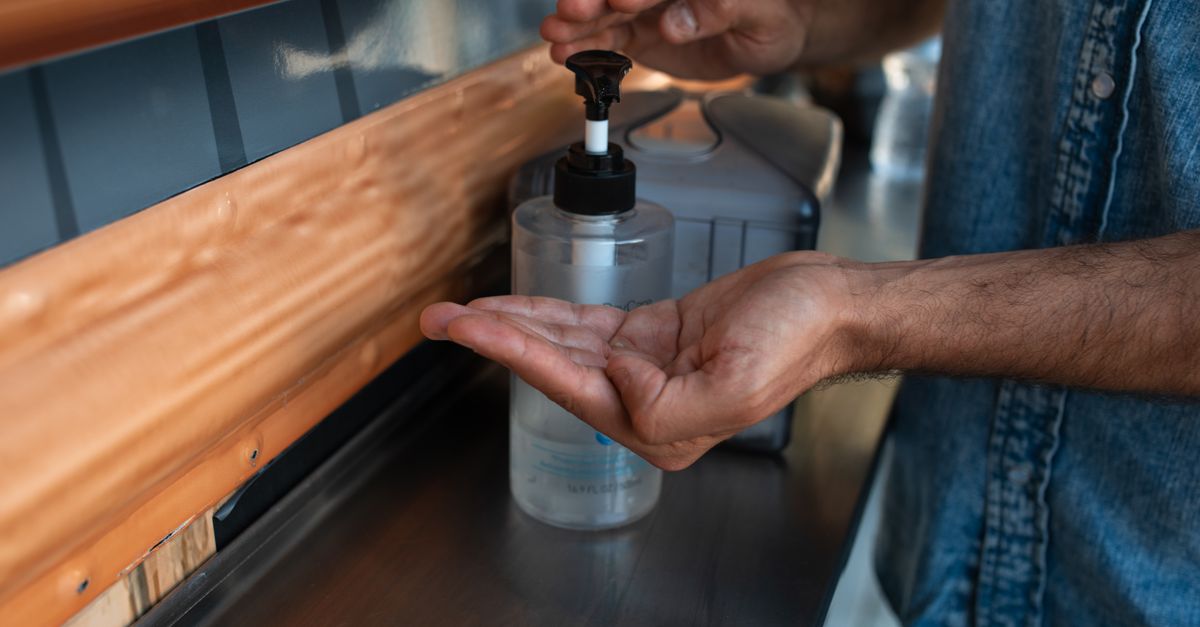
My-Shield Sanitizing utilizes Benzalkonium Chloride to reduce the microbial load on intact skin without the severe dehydrating effects of high-concentration alcohol. The primary side effect is localized contact dermatitis and epidermal dryness following chronic application. Users must ensure appropriate skin hydration protocols to mitigate cumulative dermal barrier damage and maintain overall skin health.
1. Introduction & Mechanism of Action of My-Shield Sanitizing
Benzalkonium Chloride acts as a highly effective quaternary ammonium antimicrobial compound. When applied to the skin, its positively charged molecular structure is instinctively drawn toward the negatively charged lipid membranes of transient bacterial pathogens.
Once physical contact is established, the chemical agent forcibly penetrates and destabilizes the cellular membrane of the pathogen. This disruption induces catastrophic leakage of essential intracellular contents, leading to immediate bacterial neutralization. The formulation is engineered to deposit a microscopic, lingering chemical barrier on the epidermis. This barrier provides a temporary bacteriostatic effect, actively defending the skin against subsequent pathogenic exposures for a brief period following initial application.
2. Warnings & Before Taking My-Shield Sanitizing
This product is strictly formulated for external topical administration. It poses a severe toxicological threat if ingested, making it imperative to store the product securely away from infants and small children. Direct application to the eyes, inner ears, or delicate mucosal membranes is strictly contraindicated, as the chemical will induce immediate, agonizing pain and potential structural tissue damage.
Patients with a known history of severe hypersensitivity to quaternary ammonium compounds must seek alternative hygiene solutions. Additionally, individuals dealing with highly compromised skin barriers, such as active weeping eczema, psoriasis flares, or deep abrasions, must consult a healthcare provider before applying this potent antimicrobial, as it will exacerbate tissue inflammation and severely delay the natural wound healing cascade.
3. Indications & Dosage Guide for My-Shield Sanitizing
My-Shield Sanitizing is clinically indicated for the rapid decontamination of intact skin in settings where access to running water and traditional soap is impeded. It is heavily utilized in travel, athletic, and healthcare environments to suppress the spread of infectious microorganisms.
Proper usage requires dispensing an appropriate volume of the product directly onto the skin. The user must manually rub the formulation evenly across all targeted surfaces, paying special attention to highly contaminated areas such as the interdigital spaces. The user must continue to generate friction until the product has completely air-dried. Premature removal of the product with paper towels severely compromises the intended antimicrobial efficacy.
4. In-Depth Side Effects Analysis of My-Shield Sanitizing
Because the active molecule is intended to rest upon the stratum corneum rather than enter the systemic circulation, adverse pharmacological events are entirely restricted to localized dermatological reactions.
Common Side Effects
The most prevalent adverse reaction is a progressive drying of the epidermis. The chemical aggressively dissolves natural lipid barriers, leaving the treated skin feeling tight, rough, and prone to light flaking. Mild localized erythema is frequently observed immediately following application, particularly in individuals with inherently sensitive skin or those living in excessively arid climates.
Serious Side Effects you should report
Chronic and excessively frequent use can trigger severe allergic contact dermatitis. Users must immediately report the onset of painful vesicular blisters, deep bleeding fissures, or intense unyielding pruritus. If the compromised skin begins to exude purulent discharge or radiate unnatural heat, it signifies a failure of the dermal barrier and the presence of a secondary bacterial infection requiring urgent medical care.
Rare Side Effects
Extreme localized hypersensitivity, manifesting as widespread hives radiating from the application site, is a rare but documented occurrence. Systemic anaphylaxis resulting from standard topical application on intact skin is exceedingly rare and seldom noted in modern pharmacological literature.
Side effects that usually do not require medical attention
A brief stinging or tingling sensation upon application is fully expected if the user has microscopic cuts or abrasions on their hands. This localized discomfort typically subsides within moments as the product dries completely.
| Side Effect Category | Specific Symptoms |
|---|---|
| Mild Dermatological | Epidermal dryness, tightness, mild surface redness |
| Severe Dermatological | Vesicular blisters, bleeding cracks, intense itching |
| Accidental Mucosal Exposure | Severe ocular burning, corneal irritation, extreme pain |
5. Overdose on My-Shield Sanitizing
Applying the product excessively functions as a localized dermatological overdose. The constant chemical stripping of protective sebum rapidly degrades the structural integrity of the skin, leading directly to painful, raw tissue inflammation.
Accidental ingestion constitutes a critical medical emergency. Swallowing this concentrated quaternary ammonium compound induces acute toxic gastroenteritis, featuring severe abdominal pain, immediate vomiting, and profound systemic cardiovascular collapse. Emergency medical services must be dispatched immediately. Vomiting must strictly be avoided to prevent secondary chemical burns to the esophagus.
6. Missed Dose & What to avoid while taking My-Shield Sanitizing
Sanitization protocols are driven by environmental exposure rather than a rigid dosing schedule. A missed application simply means the user should disinfect their skin at the next logical opportunity, especially prior to handling food or touching the face.
Users must stringently avoid applying this product immediately following the use of traditional anionic soaps, as the negative ions will chemically neutralize the positively charged Benzalkonium Chloride. Furthermore, the product should not be applied to heavily soiled skin covered in thick dirt or grease, as the chemical lacks the mechanical ability to penetrate thick organic matter to reach the underlying bacteria.
7. Drug & Alcohol Interactions with My-Shield Sanitizing
Topical application of broad-spectrum antiseptics does not interact with orally administered pharmaceutical therapies. However, concurrently applying prescription dermatological creams and this sanitizer can trap the harsh active ingredient against the skin, radically increasing the risk of severe localized chemical irritation.
Patients managing chronic localized skin inflammation must ensure they use exceedingly gentle cleansing methods rather than harsh chemical sanitizers. For deeper insight into managing compromised skin barriers and treatment absorption, review our clinical guide on topical steroids.
8. Precautions, Safety & Duration of Action for My-Shield Sanitizing
The antimicrobial action is highly effective at the exact moment of application, drastically reducing the bacterial load. While the product leaves a microscopic chemical film offering transient residual protection, this barrier is inherently fragile. Normal physical friction, sweating, and contact with heavily contaminated surfaces will quickly compromise this defense, necessitating prompt reapplication.
To maintain systemic skin health, the implementation of a dedicated daily moisturizing routine is absolutely critical. Applying a high-quality, ceramide-rich lotion during periods of rest helps rebuild the compromised lipid layer, preventing the severe, widespread cracking associated with frequent chemical sanitizer exposure.
9. How to stop taking My-Shield Sanitizing & Storage/Disposal
Discontinuing the product is straightforward and requires no medical protocol. If severe skin irritation develops, the user should immediately substitute the product with a mild, pH-balanced cleanser and warm water to permit natural epidermal healing.
The product must be stored securely at room temperature, safely out of reach of infants and toddlers to prevent accidental ingestion. Large commercial dispensers must be maintained away from direct heat sources. Empty containers should be rinsed thoroughly and recycled in accordance with local sanitation guidelines.
10. When to see a doctor regarding My-Shield Sanitizing
A formal medical assessment is strictly necessary if the user develops weeping blisters, unyielding generalized redness on the skin, or signs of secondary bacterial cellulitis such as expanding red streaks and localized heat.
Emergency medical care is strictly mandatory if the product is swallowed. Additionally, if the sanitizing solution makes accidental contact with the eyes and continuous flushing with cool water for fifteen minutes fails to resolve severe stinging and blurred vision, an immediate ophthalmological evaluation is absolutely required.
Frequently Asked Questions FAQ
1. Can I use this product on my face?
No. This formulation is explicitly designed for the thicker skin on the body and hands. Using it on delicate facial tissue drastically increases the risk of severe dryness, chemical irritation, and accidental ocular exposure.
2. Is this a complete replacement for washing my hands?
No. While it effectively neutralizes bacteria, it cannot remove heavy physical dirt, oils, or organic debris. It is designed for situations where traditional soap and water are temporarily inaccessible.
3. Why does my skin feel incredibly dry after using this for a week?
The active chemical is highly efficient at destroying bacteria, but it also strips away your body’s natural protective oils, leading to severe dehydration of the epidermis.
4. Can I use this product on a fresh scrape or cut?
Absolutely not. Quaternary ammonium compounds are highly toxic to exposed internal tissue and will cause immediate, severe, and agonizing chemical burns while delaying the healing process.
5. What should I do if the spray accidentally gets into my eyes?
Immediately flush the affected eye with lukewarm, gently running water for a minimum of fifteen minutes and seek emergency medical care if visual disturbances or severe pain persist.
6. Will this sanitizer protect me from all viruses?
It is highly effective against many enveloped viruses and bacteria, but it has limited efficacy against certain highly resistant non-enveloped viral strains. Handwashing remains the gold standard.
7. How often can I safely apply this to my skin?
Application should be limited to necessary exposure events. Excessive daily application will inevitably lead to widespread, painful contact dermatitis if you do not moisturize.
8. Should I apply lotion after the sanitizer dries?
Yes. Applying a high-quality, fragrance-free body moisturizer hours after the sanitizer is the best way to protect your skin barrier from chronic damage.
Bibliography
Disclaimer: The content is for informational purposes only and does not replace medical advice. Always consult your doctor or pharmacist for personalized treatment.


