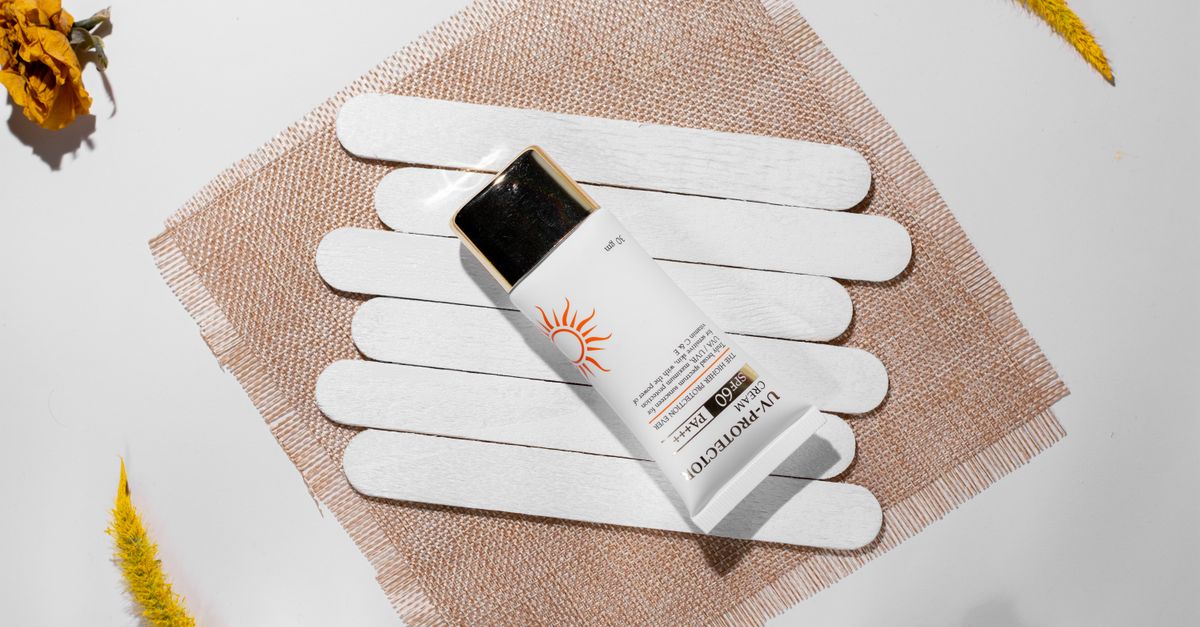
1. Introduction & Mechanism of Action of BLDG Active Skin Repair Sun Stick Performance Sunscreen
BLDG Active Skin Repair Sun Stick Performance Sunscreen relies exclusively on high concentrations of zinc oxide to provide a highly robust, broad-spectrum physical defense against ultraviolet radiation. The most frequently observed adverse reaction is profound localized follicular occlusion resulting in severe acneiform eruptions, alongside a highly persistent, visible white cast on the epidermal surface.
Zinc oxide functions strictly as an inorganic, physical ultraviolet filter. When this dense, wax-based stick is glided aggressively across the epidermis, it deposits a heavy, biologically inert layer of mineral particles that rest entirely on top of the avascular stratum corneum. This impenetrable physical barrier acts essentially as a microscopic mirror system. It actively and continuously reflects and scatters incoming high-energy ultraviolet A and ultraviolet B photons directly away from the skin.
Because the massive molecular size of zinc oxide completely prevents it from absorbing into the living dermal cells or entering the central bloodstream, it possesses absolutely zero chemical reactivity within the human body. By physically preventing the radiation from striking the cellular DNA, this mineral sunscreen provides exceptionally stable, profound protection against acute solar erythema and long-term mutagenic photoaging without engaging in any complex chemical absorption cycles.
2. Warnings & Before Taking BLDG Active Skin Repair Sun Stick Performance Sunscreen
Before establishing this dense mineral sun stick as a primary daily preventative measure, users must meticulously evaluate their inherent skin integrity. The heavy, wax-based formulation is intended strictly for external topical application on intact, relatively healthy skin. forcefully dragging a solid stick over actively weeping eczema, deep unhealed excoriations, or severe thermal burns induces severe mechanical trauma and forcefully introduces foreign mineral particulate matter deep into vulnerable, highly vascularized tissue.
Individuals possessing heavily oily skin profiles or a documented medical history of severe cystic acne must approach this heavily occlusive product with extreme caution. The dense wax base required to suspend the heavy zinc particles severely impedes the natural, necessary drainage of sebum from the follicular pores. This physical blockage rapidly creates a highly favorable, oxygen-deprived microenvironment for anaerobic bacteria, vastly accelerating the onset of deep, painful cystic eruptions.
Furthermore, while zinc oxide itself is highly biocompatible and exceptionally gentle, patients should be educated that the heavy physical rubbing required to apply the solid stick can precipitate localized irritant contact dermatitis. Patients with a highly reactive, atopic skin profile must ensure they do not apply the product with excessive physical friction, which can rapidly severely compromise the skin’s vital defensive barrier.
3. Indications & Dosage Guide for BLDG Active Skin Repair Sun Stick Performance Sunscreen
This comprehensive mineral formulation is clinically indicated for the rigorous prevention of acute sunburn and the active, long-term mitigation of photoaging and cutaneous malignancies induced by chronic solar exposure. Its solid, highly portable format makes it an essential prophylactic shield highly recommended for targeted application on high-exposure areas like the nose, cheeks, and ears during intense outdoor activities.
Optimal application dictates that the user glide the solid stick directly onto clean, dry skin exactly fifteen minutes prior to anticipated sun exposure. The user must actively swipe the stick back and forth several times over the targeted zone to ensure a dense, highly opaque layer of zinc oxide is successfully deposited. Following application, the user may gently pat the product with sterile fingertips to ensure uniform coverage, being careful not to completely rub the protective white shield away.
Rigorous reapplication is medically mandated to maintain therapeutic efficacy. The sunscreen must be reapplied every two hours during continuous solar exposure. Furthermore, immediate reapplication is absolutely necessary following heavy diaphoresis, swimming, or vigorous towel drying. Mechanical friction and water immersion rapidly and easily dislodge the heavy zinc oxide particles, leaving the targeted skin entirely vulnerable to immediate radiation damage.
4. In-Depth Side Effects Analysis of BLDG Active Skin Repair Sun Stick Performance Sunscreen
The adverse reaction profile of this pure mineral sunscreen relies entirely on its distinct physical properties. Because the active ingredient is completely biologically inert and non-absorbable, the side effects are completely restricted to mechanical occlusion and superficial epidermal drying.
Common Side Effects
The most universally reported benign side effect is a highly prominent, stubborn chalky white cast lingering persistently on the skin surface, directly caused by the physical reflection of visible light by the dense zinc oxide particles. Users frequently report a sensation of heavy, greasy residue. Additionally, the profoundly astringent nature of the heavy zinc base frequently causes localized superficial dehydration, leaving the skin feeling tight.
Serious Side Effects You Should Report
Intervention by a healthcare professional is strongly warranted if the user suddenly develops widespread, severely painful cystic acne or deep, inflamed hair follicles across the treated areas. This indicates that the highly occlusive barrier has catastrophically disrupted normal pore drainage. Additionally, the sudden eruption of severely itchy, blistering hives strongly suggests an acute allergic contact dermatitis to a secondary cosmetic wax or preservative within the formulation, demanding immediate cessation.
Rare Side Effects
True immunological hypersensitivity to the zinc oxide molecule itself is virtually undocumented in clinical literature due to its massive molecular weight and inert structure. However, rare cases of superficial epidermal maceration can occur if the heavy stick product is repeatedly slathered thickly in areas of heavy skin-on-skin friction, such as deep folds, preventing the skin from breathing entirely.
Side Effects That Usually Do Not Require Medical Attention
A fleeting sensation of mild pulling or dragging on the skin during the initial application process, or a slightly powdery dry residue lingering on highly textured areas of the skin, are entirely expected physical characteristics of the solid wax vehicle and require no specific medical intervention.
| Side Effect Category | Specific Symptoms |
|---|---|
| Dermatological | Chalky white cast, transient erythema, severe superficial dryness |
| Follicular | Severe acneiform eruptions, aggressive localized folliculitis |
| Hypersensitivity | Irritant contact dermatitis, localized hives (due to waxes) |
| Systemic | Clinically zero; completely inert and non-absorbable |
5. Overdose Symptoms & Management for BLDG Active Skin Repair Sun Stick Performance Sunscreen
In the strict context of standard topical cosmetic application, a systemic pharmacological overdose is conceptually impossible. Utilizing excessively massive volumes of the solid stick simply results in an impenetrable, cakey white paste that will rapidly clump on the skin surface, significantly increasing the likelihood of profound pore occlusion but posing absolutely no acute systemic toxicological threat.
A genuine medical emergency arises exclusively from accidental, massive oral ingestion. Swallowing significant chunks of a dense, wax-based mineral stick introduces heavy mineral particles and complex synthetic waxes directly into the highly sensitive gastrointestinal tract. The patient will rapidly experience a sudden onset of profound nausea, significant abdominal cramping, and potentially forceful emesis as the digestive system attempts to expel the indigestible compounds.
Emergency medical management specifically dictates that vomiting should generally not be intentionally induced due to the severe risk of aspirating the dense waxy substance directly into the delicate pulmonary tissue. Treatment relies heavily on ensuring adequate oral fluid replacement to safely dilute the heavy irritants within the acidic gastric environment. If a young pediatric patient consumes a large chunk, contacting a local poison control center is immediately required.
6. Missed Dose & What to Avoid While Using BLDG Active Skin Repair Sun Stick Performance Sunscreen
Because this is a prophylactic over-the-counter protectant, it operates entirely on an event-driven basis. There is no scheduled medical dosing regimen, rendering the concept of a missed dose clinically irrelevant. However, failing to apply the product prior to intense solar exposure leaves the targeted cellular DNA completely vulnerable to immediate, severe radiation damage.
While employing this dense mineral stick, users must vigorously avoid the simultaneous application of potent abrasive physical exfoliants or highly concentrated chemical peeling agents immediately prior to use. Forcefully dragging a solid wax stick over freshly peeled, highly sensitive cells inflicts entirely unnecessary mechanical trauma and rapidly compromises the skin’s vital defensive capabilities.
Furthermore, users must rigorously avoid sleeping without thoroughly washing the heavy product off the body. The zinc oxide formulation is engineered specifically to adhere fiercely to the epidermis. Leaving this dense, highly occlusive wax matrix on the skin overnight guarantees severe follicular blockage, drastically accelerating the formation of deep painful cystic acne lesions by the following morning.
7. Drug & Alcohol Interactions with BLDG Active Skin Repair Sun Stick Performance Sunscreen
Because the massive molecular structure of zinc oxide actively prevents it from crossing the epidermal barrier, absolutely zero active ingredient enters the systemic circulation. Therefore, this pure mineral formulation cannot engage in any pharmacokinetic interactions with orally administered medications, intravenous pharmaceutical therapies, or complex hepatic enzyme systems.
Topical interactions, however, require highly prudent dermatological management. When utilizing targeted prescription topical therapies, the sequence of application is absolutely paramount. Applying a dense, extremely occlusive wax stick directly underneath delicate prescription serums entirely blocks the active medication from penetrating the stratum corneum. Conversely, applying the stick immediately over highly irritating topical medications can severely trap the harsh medication against the skin, magnifying the resulting chemical burn, an issue commonly monitored in dermatological regimens utilizing powerful agents like isotretinoin.
There are absolutely no contraindications regarding systemic alcohol consumption. Circulating blood ethanol exerts zero pharmacological influence on the highly localized ultraviolet protection properties of the inert zinc particles residing statically in the superficial epidermal layers.
8. Precautions, Safety & Duration of Action of BLDG Active Skin Repair Sun Stick Performance Sunscreen
The duration of protective action is strictly limited by physical removal. Unlike chemical sunscreens, zinc oxide does not degrade as it absorbs radiation; it remains perfectly stable. However, the physical mineral shield is highly susceptible to being wiped away by sweat, clothing friction, and water. This mechanical vulnerability limits the reliable solar protective duration to precisely two hours of continuous direct exposure.
Robust safety precautions are highly advised to prevent accidental ocular exposure during application. The dense mineral particles and the heavy wax base are intensely irritating to the delicate conjunctival tissues of the eye. Users must apply the stick carefully, avoiding direct contact with the conjunctiva or the immediate lash line. If the product heavily breaches the ocular barrier, it instantly induces sharp pain and involuntary profuse tearing.
For pregnant and nursing individuals, the topical application of pure zinc oxide sunscreens is universally recognized by the medical community as completely safe. The fundamental biological inability of the molecule to penetrate the skin guarantees that there is absolutely zero risk of the chemical entering the fetal blood supply or altering the composition of human breast milk.
9. How to Stop Taking BLDG Active Skin Repair Sun Stick Performance Sunscreen & Storage Guidelines
Transitioning away from this specific mineral sunscreen requires absolutely no medical protocol or tapering schedule. The user may seamlessly switch to an entirely different protective modality at any time without experiencing any localized physiological withdrawal or severe rebound effects on the underlying skin barrier.
Proper storage of the solid product is entirely necessary to maintain the structural integrity of the wax vehicle. The stick must be stored tightly capped at a stable controlled room temperature. It must be heavily shielded from direct intense sunlight and significant ambient heat sources, such as the interior of an automobile during summer. Elevated temperatures rapidly melt the delicate wax emulsion, permanently destroying the stick format and causing the heavy zinc particles to pool at the bottom.
Disposal of the empty container should strictly follow local municipal recycling guidelines. Because the formulation contains entirely inert, non-pharmaceutical cosmetic ingredients, any unutilized residue remaining inside the container does not require specialized handling and poses no significant chemical threat to the local municipal water treatment infrastructure.
10. When to See a Doctor Regarding BLDG Active Skin Repair Sun Stick Performance Sunscreen
A consultation with a board-certified dermatologist is highly recommended if the daily use of the stick precipitates severe unmanageable dermatological reactions that completely fail to resolve upon discontinuation. If the face develops deep, agonizing cystic acne or intense, widespread erythema specifically after application, the patient requires professional evaluation for a heavily compromised, infected skin barrier or an allergy to the specific wax vehicle.
Accidental massive ocular exposure requires immediate aggressive action. If prolonged flushing of the eyes with cool clean tap water fails to completely eliminate the intense stinging, severe visual blurring, or robust redness, the user must seek immediate evaluation by an ophthalmologist to ensure no microscopic abrasions have occurred to the highly delicate corneal surface from the abrasive zinc oxide particles.
Finally, patients who suffer from highly complex, severely compromised systemic skin conditions, such as advanced, widespread psoriasis or extremely brittle, papery skin secondary to long-term systemic steroid use, should always consult their attending dermatologist before aggressively dragging heavy, dense wax sticks across their highly fragile bodies.
Frequently Asked Questions (FAQ)
1. How exactly does this stick protect my skin from the sun?
The zinc oxide sits entirely on top of your skin and acts precisely like a microscopic mirror. It physically bounces and scatters the sun’s damaging ultraviolet rays directly away from your body before they can touch your living cells.
2. Why does this sunscreen leave a heavy, stubborn white stripe on my skin?
Zinc oxide is a white mineral powder that physically cannot dissolve or absorb into the human skin. To successfully block the sun, the dense white particles must remain on the surface, which inevitably leaves a visible, chalky white cast.
3. Do I still need to reapply if the packaging says it is water-resistant?
Yes. Water-resistant simply means the heavy wax maintains its protective shield for forty to eighty minutes while swimming or sweating heavily. It does not mean it is waterproof. You must still rigorously reapply it immediately after towel drying.
4. Is it safe to sleep with this heavy sunscreen on my face?
You must rigorously avoid sleeping in this product. It forms a highly heavy, impenetrable occlusive layer over your skin. Leaving it on overnight completely suffocates your pores and guarantees a severe painful acne breakout the following morning.
5. Why did the stick suddenly become incredibly soft and mushy?
The product is formulated with cosmetic waxes that melt at high temperatures. If you leave the stick in a hot car or directly in the sun at the beach, the wax will rapidly melt, completely ruining the solid stick format.
6. Will the active ingredient in this stick cause any hormonal problems?
Absolutely not. Zinc oxide is a massive mineral molecule that physically cannot absorb through your skin into your bloodstream. It is biologically inert and is widely considered the safest possible sun protection for pregnant women and infants.
7. Why does it hurt slightly when I rub the stick across my face?
The stick is a dense, solid wax. If your skin is very dry or sensitive, dragging a solid stick across it can cause physical friction and pulling. You can slightly warm the tip of the stick on the back of your hand to soften the wax before applying it to delicate facial areas.
Bibliography
Disclaimer: The content is for informational purposes only and does not replace medical advice. Always consult your doctor or pharmacist for personalized treatment.