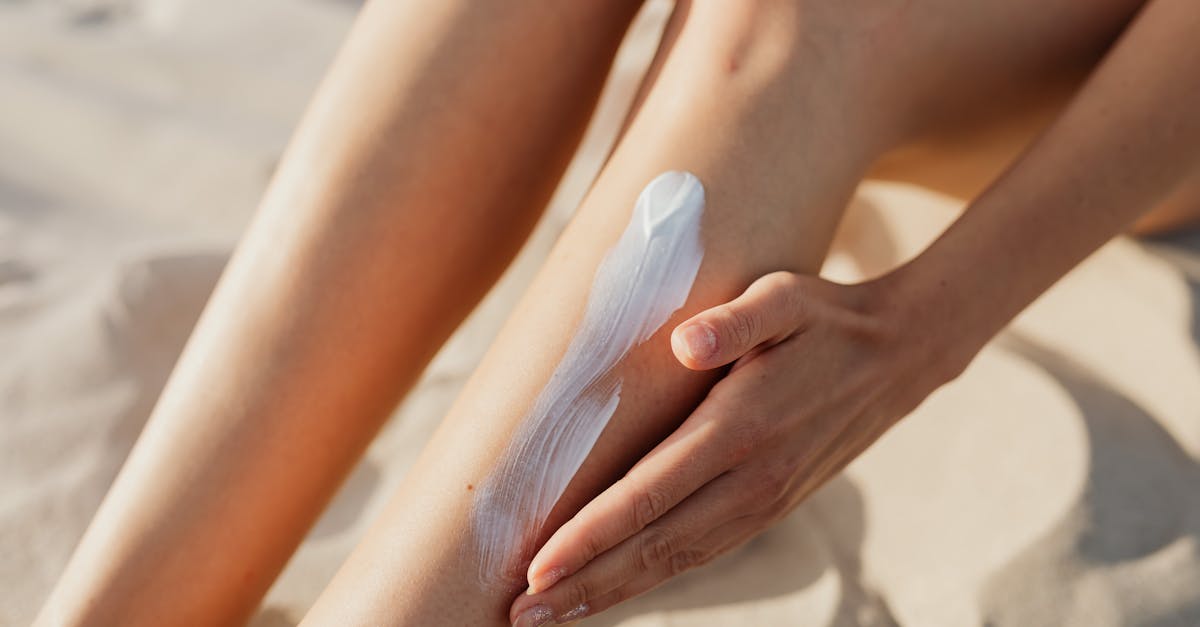
1. Introduction And Mechanism Of Action Of Sheer Guard Natural Mineral Sunscreen
Sheer Guard Natural Mineral Sunscreen is a topical physical photoprotective agent utilizing zinc oxide as its sole active ingredient to shield the skin from solar radiation, with localized epidermal drying being its most common side effect. Unlike chemical sunscreens that absorb ultraviolet energy, zinc oxide operates entirely through physical mechanisms on the surface of the stratum corneum.
The pharmacological action of zinc oxide relies on its inherent ability to reflect, scatter, and absorb both ultraviolet A and ultraviolet B radiation simultaneously. Upon application, the zinc oxide particles create a continuous, opaque micro-barrier across the epidermis. This physical shield effectively bounces hazardous solar wavelengths away from the biological tissue before they can penetrate the cellular layers and inflict DNA damage.
Because zinc oxide is biologically inert and highly stable under direct solar radiation, it does not degrade or convert into reactive byproducts upon ultraviolet exposure. Furthermore, the macroscopic nature of the mineral particles ensures they remain entirely on the skin surface, preventing systemic absorption and making this formulation highly suitable for sensitive and compromised epidermal barriers.
2. Warnings And Prerequisites Before Taking Sheer Guard Natural Mineral Sunscreen
While zinc oxide is exceptionally well tolerated by human tissue, patients with a known, albeit extremely rare, hypersensitivity to elemental zinc or specific botanical excipients in the carrier lotion must avoid application. A careful review of the inactive ingredient list is necessary, as allergic contact dermatitis in mineral sunscreens is almost exclusively triggered by the carrier base rather than the active mineral itself.
Patients with severe, weeping dermatological conditions or extensive open lacerations should consult a physician before applying physical sunscreens. While zinc oxide possesses mild astringent properties, packing dense mineral pastes into deep tissue wounds can impede proper granulation and delay natural wound healing processes.
Special caution is required for individuals prone to severe acne vulgaris. The highly occlusive nature of mineral physical barriers can trap sebum and bacteria within the pilosebaceous units. Patients utilizing heavy topical therapies like benzoyl peroxide should strategically plan their application timing to avoid excessive localized dryness and follicular blockages.
3. Indications And Dosage Guide For Sheer Guard Natural Mineral Sunscreen
The primary clinical indication for this physical sunscreen is broad-spectrum photoprotection against acute erythema and chronic actinic damage, particularly in pediatric patients and individuals with a history of chemical sunscreen allergies. It is universally recommended by dermatologists for patients with sensitive skin conditions like rosacea or atopic dermatitis.
Application protocol requires dispensing a uniform, visible layer of the mineral lotion across all sun-exposed dermal areas. Unlike chemical filters that require a fifteen-minute absorption period, zinc oxide provides immediate photoprotection the moment the physical barrier is established on the skin surface.
Maintaining the integrity of the physical shield requires diligent reapplication every two hours during continuous solar exposure. Because the barrier rests entirely on the surface, immediate reapplication is strictly mandated following heavy perspiration, aquatic activities, or any physical friction that might physically wipe the mineral particles away.
4. In-Depth Side Effects Analysis Of Sheer Guard Natural Mineral Sunscreen
Adverse reactions to topically applied zinc oxide are exceedingly rare and are generally related to the physical properties of the formulation rather than chemical toxicity.
Common Side Effects
The most prevalent clinical observation is localized dryness or a chalky sensation on the application site due to the naturally astringent properties of zinc oxide. Additionally, patients frequently report a prominent white cast or a distinct cosmetic pallor on the skin surface, resulting from the mineral particles aggressively reflecting visible light.
Serious Side Effects You Should Report
True allergic contact dermatitis is highly unusual but requires clinical reporting if severe localized erythema, intense pruritus, or vesicular eruptions occur following application. These symptoms typically indicate a hypersensitivity to a preservative or fragrance within the inactive carrier lotion and require professional evaluation.
Rare Side Effects
In highly susceptible individuals with hyperactive sebaceous glands, prolonged use of occlusive physical sunscreens can rarely trigger widespread, painful cystic acne outbreaks. Very rare instances of granulomatous reactions have been documented when large quantities of zinc oxide are inadvertently forced into deep dermal puncture wounds.
Side Effects That Usually Do Not Require Medical Attention
Mild flaking of the superficial epidermis or a temporary feeling of tightness across the face requires no medical intervention and resolves easily with standard moisturizers. Minor accumulation of the white mineral paste in skin folds or facial hair is a purely cosmetic issue.
| Side Effect Category | Specific Symptoms |
|---|---|
| Physical/Cosmetic | Prominent white cast, chalky texture, product pilling |
| Dermatological | Mild dryness, localized epidermal tightness, comedones |
| Rare Hypersensitivity | Pruritus, localized rash, minor localized edema |
5. Overdose Symptoms And Management For Sheer Guard Natural Mineral Sunscreen
Topical overdose through excessive dermal application is completely devoid of systemic toxicological risk due to the massive molecular size of zinc oxide preventing transdermal absorption. Over-application merely results in extreme cosmetic whitening, severe difficulty in removing the product, and a heightened risk of temporary pore occlusion.
Accidental oral ingestion of small amounts, particularly by children, generally results in mild, self-limiting gastrointestinal upset. Zinc oxide is relatively non-toxic when ingested in small quantities, though the carrier oils may provoke transient nausea or a mild laxative effect.
In the rare event of substantial ingestion, patients should be provided with clear oral fluids to soothe the gastric mucosa. Inducing emesis is unnecessary and contraindicated. Contacting a regional poison control center ensures proper conservative management and monitoring.
6. Missed Dose And What To Avoid With Sheer Guard Natural Mineral Sunscreen
Failing to reapply the mineral shield directly exposes the underlying skin to severe ultraviolet radiation damage. A physical breach in the zinc oxide barrier allows solar radiation to immediately penetrate the unprotected epidermal gaps, triggering localized erythema.
Patients must deliberately avoid aggressive rubbing or mechanical friction on areas where the sunscreen is applied. Unlike chemical sunscreens that integrate into the upper epidermal layers, physical mineral sunscreens sit precariously on the surface and are easily displaced by towels, tight clothing, or physical contact.
Inhalation of aerosolized zinc oxide must be strictly avoided. While this product is formulated as a lotion, any accidental drying and flaking that creates airborne mineral dust should not be inhaled, as microscopic zinc particles can cause acute mechanical irritation to the delicate pulmonary tissues.
7. Drug And Alcohol Interactions With Sheer Guard Natural Mineral Sunscreen
Zinc oxide acts strictly as a biologically inert physical barrier and demonstrates absolute zero systemic interaction with orally administered pharmaceuticals or alcohol consumption. Pharmacological concerns are strictly localized to concurrent topical applications.
Applying heavy occlusive ointments, such as petrolatum-based products, directly over the mineral sunscreen can disrupt the uniform dispersion of the zinc particles. This disruption creates microscopic gaps in the photoprotective shield, significantly lowering the functional sun protection factor.
Conversely, applying the mineral sunscreen over active dermatological medications requires caution. The dense physical barrier can artificially enhance the localized occlusion of prescription topical steroids or antibiotics, potentially increasing their epidermal penetration and localized pharmacological potency beyond intended parameters.
8. Precautions Safety And Duration Of Action Of Sheer Guard Natural Mineral Sunscreen
The duration of action for zinc oxide is technically infinite as long as the physical mineral barrier remains mechanically undisturbed on the skin surface. However, due to natural sebum production, physical movement, and environmental factors, standard clinical guidelines dictate a functional protective duration of two hours.
Pediatric safety is a primary advantage of this formulation. Zinc oxide is universally recognized as the safest photoprotective option for infants over six months of age due to the complete lack of systemic chemical absorption and minimal risk of contact irritation.
Proper removal of the physical barrier is a necessary daily precaution. Due to its tenacious adherence to the stratum corneum, standard water rinsing is insufficient. Thorough cleansing with an oil-based cleanser or an active surfactant is required to dissolve the carrier lipids and lift the mineral particles from the pores to prevent overnight occlusion.
9. How To Stop Using Sheer Guard Natural Mineral Sunscreen And Proper Storage
Discontinuation of this physical photoprotectant requires no tapering protocol or medical oversight. Patients may cease application at any time. Ensuring complete removal of the residual mineral layer from the epidermis via double-cleansing methods is the only necessary post-use procedure.
To maintain the optimal viscosity and homogeneous dispersion of the zinc oxide particles, the product must be stored at standard room temperature. It should be kept out of direct sunlight and away from areas prone to extreme freezing or intense heat.
Significant thermal fluctuations can cause the carrier emulsion to separate, leaving dense clumps of active zinc oxide suspended in separated oils. A product exhibiting irreversible phase separation cannot provide a uniform protective barrier and must be properly discarded.
10. When To Seek Medical Attention For Sheer Guard Natural Mineral Sunscreen Reactions
Immediate medical evaluation is necessary if a patient experiences sudden, severe facial swelling or acute respiratory distress following application, signaling a rare but severe anaphylactic response to a specific inactive excipient within the formulation.
Ophthalmic assessment is required if the mineral lotion is accidentally rubbed directly into the eyes and causes persistent irritation. While zinc oxide is largely inert, the gritty nature of the mineral particles can cause superficial mechanical abrasions to the cornea, necessitating professional irrigation and examination.
Patients should seek dermatological consultation if they develop deep, painful cystic acne that fails to resolve after discontinuing the product. Persistent inflammatory conditions may require targeted prescription therapies to clear the deep follicular blockages caused by the occlusive mineral barrier.
Frequently Asked Questions FAQ
1. How does zinc oxide differ from chemical sunscreen ingredients?
Zinc oxide sits on top of the skin and physically reflects and scatters ultraviolet rays, whereas chemical ingredients absorb into the top layer of skin and convert ultraviolet rays into heat.
2. Does this sunscreen start working immediately after application?
Yes, because it functions purely as a physical shield, the photoprotective barrier is instantly effective the moment it is applied uniformly to the skin.
3. Why does my skin look white after applying this product?
The white cast is a direct result of the dense zinc oxide mineral particles aggressively reflecting visible light away from the surface of the skin.
4. Is zinc oxide safe for use on young babies?
Zinc oxide is highly recommended by pediatricians as the safest sunscreen option for infants older than six months due to its non-absorbing, non-irritating nature.
5. Will this mineral sunscreen clog my pores?
While zinc oxide itself is non-comedogenic, the heavy carrier oils and the occlusive nature of the physical barrier can trap sweat and sebum, potentially leading to breakouts in acne-prone individuals.
6. Can I use this product if I have highly sensitive skin?
Yes, physical sunscreens containing only zinc oxide are the preferred clinical recommendation for patients with extremely sensitive or reactive skin conditions.
7. How do I effectively remove the mineral residue at the end of the day?
Thorough removal typically requires a dedicated cleansing routine, ideally utilizing an oil-based makeup remover or a strong foaming cleanser to break down the lipid carrier and wash away the mineral particles.
Bibliography
Disclaimer: The content is for informational purposes only and does not replace medical advice. Always consult your doctor or pharmacist for personalized treatment.