1. Introduction & Mechanism of Action of Antibiotic and Pain Relief
Antibiotic and Pain Relief is a multi-action topical dermatological ointment combining neomycin sulfate, polymyxin B sulfate, and pramoxine hydrochloride. It is formulated to prevent superficial bacterial infections in minor wounds while simultaneously providing localized analgesia. The most notable side effect is the potential for localized allergic contact dermatitis, primarily driven by a delayed hypersensitivity to the neomycin component.
Neomycin sulfate is a broad-spectrum aminoglycoside antibiotic. It actively penetrates the bacterial cell wall and binds irreversibly to the 30S ribosomal subunit. This binding completely disrupts bacterial protein synthesis, leading to the production of non-functional proteins and subsequent cellular death, making it highly effective against a variety of gram-negative and some gram-positive pathogens.
Polymyxin B sulfate complements this action by targeting the outer membrane of gram-negative bacteria. It interacts with the lipopolysaccharides of the bacterial membrane, acting as a cationic detergent that alters membrane permeability. This causes vital intracellular contents to leak out, rapidly killing the pathogen. Pramoxine hydrochloride provides the analgesic component by physically blocking voltage-gated sodium channels on peripheral nerve endings, halting the transmission of pain signals directly at the site of the injury.
2. Warnings & Before Using Antibiotic and Pain Relief
The most significant clinical warning regarding this formulation involves the high rate of allergic sensitization to neomycin. Patients with a known history of severe hypersensitivity to aminoglycoside antibiotics must strictly avoid this product. Repeated application in sensitized individuals can precipitate a serious, spreading contact dermatitis that actively mimics a worsening bacterial infection.
Patients must never apply this combination ointment to deep puncture wounds, serious full-thickness burns, or raw, weeping fungal infections. Deep injuries require professional medical debridement and systemic antibiotic therapy. Applying this ointment to deep tissues traps the medication, preventing proper drainage and significantly increasing the risk of systemic absorption of the active ingredients.
Systemic absorption of neomycin and polymyxin B, though rare with superficial use, poses serious clinical risks including nephrotoxicity (kidney damage) and ototoxicity (irreversible hearing loss). Consequently, this product must not be applied over large surface areas of the body or utilized continuously for extended periods, particularly in pediatric patients or individuals with pre-existing renal impairment.
3. Indications & Dosage Guide for Antibiotic and Pain Relief
This triple-action topical ointment is clinically indicated as a first aid treatment for the prevention of infection and the temporary relief of pain associated with minor cuts, minor scrapes, and minor thermal burns.
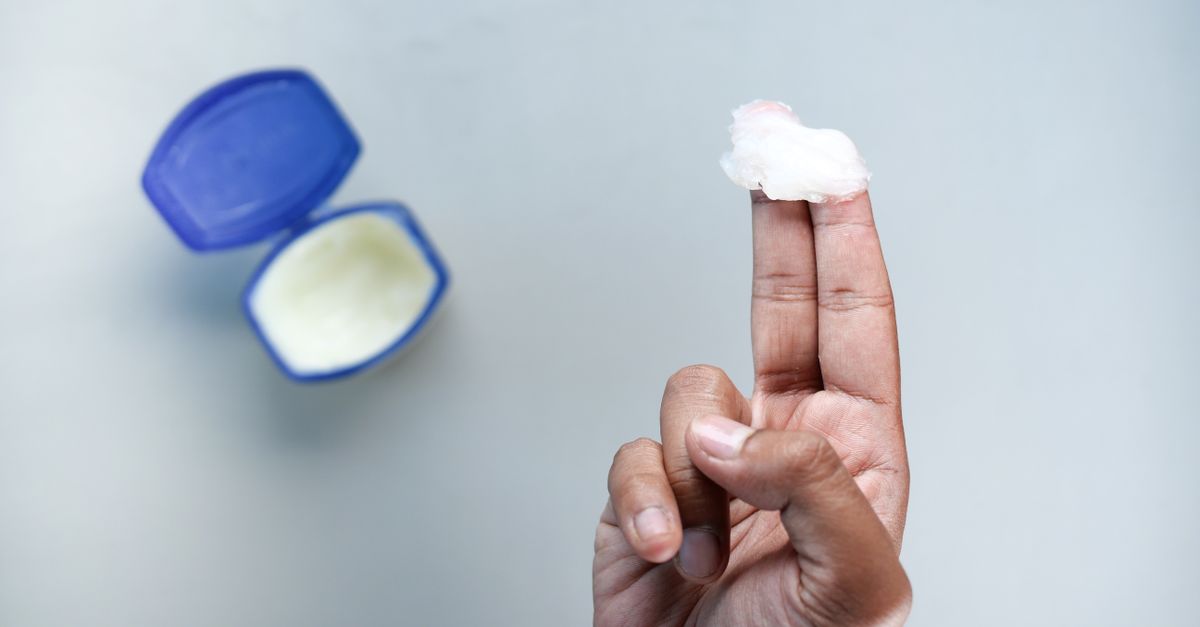
Before applying the medication, the injured epidermal area must be gently cleansed with mild soap and water and dried thoroughly. Adults and pediatric patients aged two years and older should apply a small amount of the ointment directly to the affected tissue. A small amount is generally defined as an amount equal to the surface area of the tip of a finger.
The application can be safely repeated one to three times daily. Following application, the treated wound may be covered with a sterile, breathable bandage to protect the area from environmental friction and further contamination. Treatment should generally not exceed seven days without professional medical consultation.
4. In-Depth Side Effects Analysis of Antibiotic and Pain Relief
While highly effective for minor wounds, the combination of two potent antibiotics and a local anesthetic carries specific risks of localized and systemic adverse reactions.
Common Side Effects
The most universally observed adverse reaction is a mild, transient localized erythema immediately surrounding the application site. Patients may also experience a brief stinging or burning sensation if the ointment is applied to heavily excoriated or freshly bleeding tissue, occurring just before the pramoxine anesthetic takes full effect.
Serious Side Effects You Should Report
The development of a serious allergic contact dermatitis requires the immediate cessation of the medication. Symptoms of neomycin hypersensitivity include a rapidly worsening, intensely itchy red rash, localized tissue swelling, and the eruption of fluid-filled vesicles that spread beyond the original wound margins. Additionally, if the patient experiences unexpected hearing changes or a decrease in urine output after extensive use, immediate medical intervention is mandated to rule out systemic toxicity.
Rare Side Effects
In exceedingly rare scenarios involving massive transdermal absorption through large areas of broken skin, systemic toxicity from polymyxin B can induce neuromuscular blockade, presenting as serious muscle weakness or respiratory distress. Prolonged, inappropriate use on viral or fungal lesions can lead to the proliferation of non-susceptible organisms, creating a serious superinfection.
Side Effects That Usually Do Not Require Medical Attention
A temporary localized numbness extending slightly beyond the wound margin is a normal pharmacological response to the pramoxine component. The greasy texture of the ointment base may cause brief, minor matting of body hair around the wound, which requires no medical attention.
| Side Effect Category | Specific Symptoms |
|---|---|
| Dermatological | Mild redness, transient stinging, localized numbness |
| Immunological | Severe contact dermatitis, spreading vesicular rash |
| Systemic (Rare) | Hearing changes, decreased urine output (from serious overuse) |
5. Overdose Symptoms & Management for Antibiotic and Pain Relief
Topical overdose resulting in systemic toxicity is highly improbable when the ointment is applied strictly to minor, superficial wounds. The risk of toxicity arises from applying the product to massive areas of denuded skin, such as serious burns, or from accidental oral ingestion.
Symptoms of significant oral ingestion include profound gastrointestinal distress, presenting as serious nausea, vomiting, and abdominal cramping. If large quantities are systemically absorbed either orally or through massive dermal exposure, the clinical picture may progress to serious renal impairment and potential cranial nerve damage, leading to permanent hearing loss due to aminoglycoside toxicity.
In the event of accidental oral ingestion, caretakers must never induce vomiting. Emergency medical services must be contacted immediately, or the patient should be transported to an emergency department. Clinical management focuses on aggressive gastrointestinal decontamination, continuous monitoring of renal function, and symptomatic support until the antibiotics are cleared from the systemic circulation.
6. Missed Dose & What to Avoid with Antibiotic and Pain Relief
Because this formulation is utilized entirely on an as-needed basis for acute wound care, a rigid dosing schedule is not required. If a patient forgets to apply the ointment, they should simply apply it when they remember, ensuring they do not exceed the recommended maximum of three daily applications.
Patients must meticulously avoid applying this ointment near or inside the ocular cavities. If the medication accidentally contacts the eyes, it can cause serious corneal irritation and must be flushed immediately with copious amounts of sterile water. Furthermore, this medication must never be inserted into the ear canal, especially if the tympanic membrane is ruptured, due to the serious risk of direct ototoxicity from the neomycin.
Additionally, patients should avoid applying concurrent topical treatments, such as potent corticosteroid creams, directly over the ointment layer unless explicitly directed by a physician. Combining agents can alter absorption kinetics and mask the early clinical signs of an allergic reaction or a worsening infection.
7. Drug & Alcohol Interactions with Antibiotic and Pain Relief
Clinically significant pharmacological interactions with systemic oral medications are highly unlikely due to the minimal transdermal absorption associated with proper topical use.
However, if the patient is receiving concurrent systemic aminoglycoside antibiotics (such as intravenous gentamicin) or systemic neuromuscular blocking agents, they must inform their physician before using this topical product extensively. Simultaneous administration increases the theoretical risk of cumulative renal toxicity or enhanced neuromuscular blockade, respectively.
Alcohol consumption possesses no direct chemical interaction with the localized topical application of this antibiotic ointment. Nevertheless, serious alcohol intoxication can significantly impair the immune system and delay the physiological wound healing process, independent of the medication.
8. Precautions, Safety & Duration of Action of Antibiotic and Pain Relief
The analgesic effect of pramoxine typically initiates within three to five minutes following application, providing sensory relief that lasts for several hours. The antibiotic components establish a continuous bactericidal barrier as long as the ointment remains physically present on the wound bed.
Self-treatment with this triple-action ointment must be strictly limited to a continuous duration of seven days. If a minor wound remains unhealed, exhibits increasing pain, or continues to drain fluid after a full week of treatment, the patient must stop using the product and obtain a formal medical assessment to identify potential resistant bacterial strains or underlying healing deficiencies.
To maintain maximum safety and sterility, the tip of the ointment tube must never touch the wound, fingers, or any other surface. The ointment should be squeezed onto a sterile applicator before being transferred to the injury site.
9. How to Store & Dispose of Antibiotic and Pain Relief
The ointment tube must be stored tightly sealed at a stable room temperature, securely protected from freezing conditions and serious heat sources. High temperatures will cause the petrolatum base to melt and separate from the active ingredients, permanently ruining the consistency and efficacy of the medication.
Proper disposal is required to prevent environmental contamination and deter accidental ingestion by children or household pets. Leftover ointment must never be squeezed down a household drain or flushed into the sewage system, as antimicrobial agents disrupt local water treatment ecologies.
Empty tubes can be discarded in the standard household trash. Tubes containing significant amounts of expired or unused medication should be sealed within a heavy-duty plastic bag and disposed of securely in the regular trash, rendering it inaccessible to animals.
10. When to See a Doctor
Immediate medical evaluation is mandated if the treated wound begins exhibiting definitive signs of an advancing bacterial infection that the ointment has failed to neutralize. Clinical warning signs include increasing localized heat, red streaks radiating from the injury, serious throbbing pain, or the onset of a systemic fever.
A physician must be consulted urgently if the patient develops a serious hypersensitivity reaction, characterized by a rapidly spreading, highly pruritic rash or unexpected facial swelling. Furthermore, injuries resulting from heavily soiled objects, animal bites, or deep punctures require immediate professional evaluation to address the potential need for prescription systemic antibiotics and tetanus prophylaxis.
Frequently Asked Questions (FAQ)
1. Why does my skin look more red and itchy after using this ointment for a few days?
You may be experiencing an allergic reaction to neomycin, which is a very common side effect. If the redness, itching, and swelling are worsening rather than improving, you must stop using the ointment immediately and see a doctor.
2. Can I use this cream to treat my child’s diaper rash?
No. You must never use this antibiotic ointment for diaper rash unless specifically instructed by a pediatrician. Diaper rashes are often fungal or caused by simple irritation, and using potent antibiotics can worsen the condition.
3. Is it safe to put a bandage over the ointment?
Yes. After applying a small amount of the ointment, you can cover the wound with a sterile, breathable bandage to protect it from dirt and friction while it heals.
4. Can I use this product inside my mouth for a cold sore?
No. This medication is strictly for external use on the skin. It must never be applied to mucous membranes, including the inside of the mouth, the eyes, or genital areas.
5. How long does the pain relief aspect of the ointment last?
The pramoxine hydrochloride typically begins numbing the pain within a few minutes and generally provides relief for a few hours, depending on the severity of the cut.
6. Should I apply a thick layer of ointment to make it heal faster?
No. Applying a thick layer does not speed up healing and can actually prevent the skin from breathing. You should only apply a very thin layer directly over the cut or scrape.
7. What should I do if my dog licks the ointment off my cut?
You should contact your veterinarian immediately. Ingesting these antibiotics and local anesthetics can cause serious stomach upset and potential toxicity in animals.
Bibliography
Disclaimer: The content is for informational purposes only and does not replace medical advice. Always consult your doctor or pharmacist for personalized treatment.