1. Introduction & Mechanism of Action of Acne Face And Body Wash
Acne Face And Body Wash is a potent therapeutic cleanser containing the active pharmacological agent benzoyl peroxide, utilized primarily for the management of mild to moderate acne vulgaris. The most notable side effect of this strong antimicrobial wash is localized skin irritation presenting as redness, extreme dryness, and epidermal peeling.
Benzoyl peroxide operates through a highly effective tri-fold mechanism of action. When applied to the skin, the molecule decomposes to release free oxygen radicals deep within the pilosebaceous units. Propionibacterium acnes, the primary bacteria responsible for inflammatory acne, cannot survive in an oxygen-rich environment. This powerful bactericidal action effectively decimates the acne-causing bacterial population without the risk of inducing antibiotic resistance.
Furthermore, benzoyl peroxide exhibits both mild keratolytic and comedolytic properties. It actively breaks down excess keratin and sebum blocking the pores, thereby reducing the formation of microcomedones. Through this comprehensive approach of bacterial eradication and pore exfoliation, the medication rapidly reduces inflammatory acne lesions.
2. Warnings & Before Applying Benzoyl Peroxide
Patients must exercise extreme caution when initiating treatment with benzoyl peroxide, as the active ingredient is a renowned chemical irritant. Individuals with a known history of severe hypersensitivity to peroxides should avoid this medication entirely. A patch test on a small, discreet area of skin for three consecutive days is strongly advised before broad application.
Patients with inherently sensitive skin conditions, such as active eczema, severe rosacea, or thoroughly compromised skin barriers, must consult a physician before use. Applying this oxidizing agent to abraded or severely inflamed tissue will induce intense burning and exacerbate the underlying dermatological condition. It is strictly advised to avoid contact with the eyes, lips, and all mucous membranes.
3. Indications & Application Guide for Acne Face And Body Wash
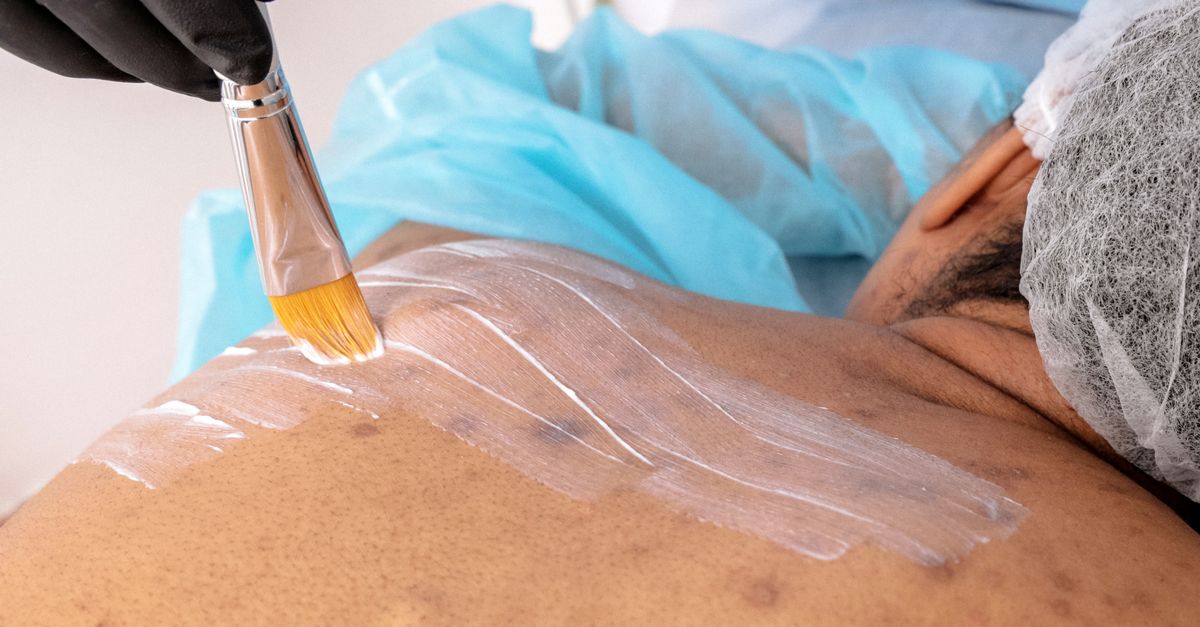
This pharmacological wash is clinically indicated for the topical treatment of acne vulgaris on both the face and truncal areas. Dermatologists frequently recommend it as a primary monotherapy or as an adjunctive treatment alongside other systemic or topical acne medications.
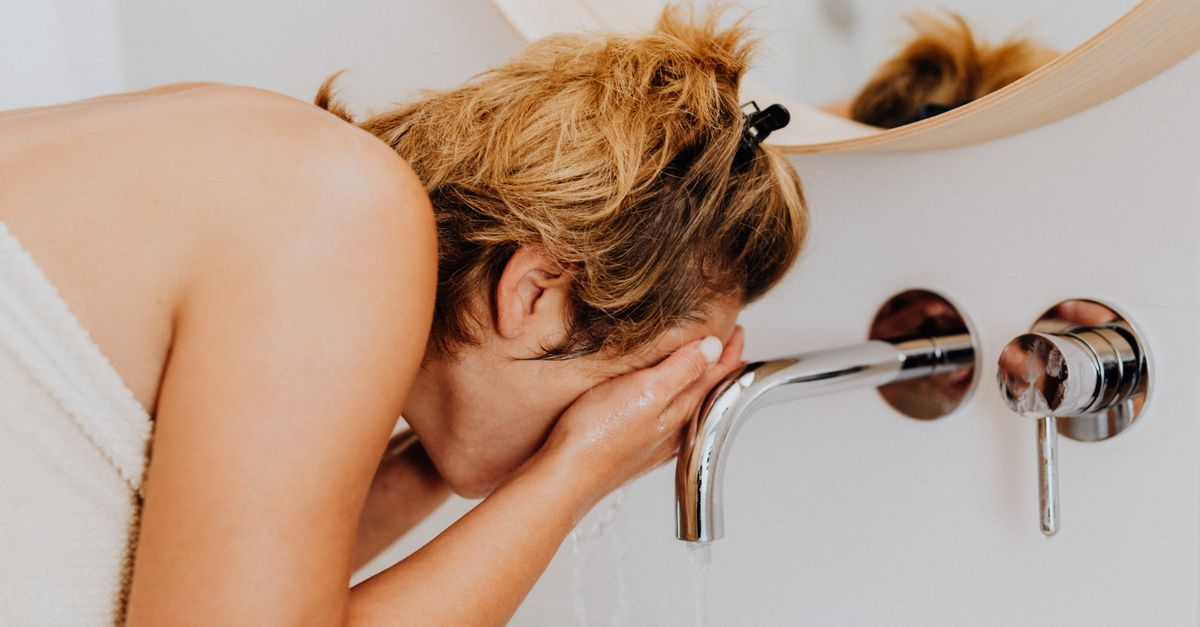
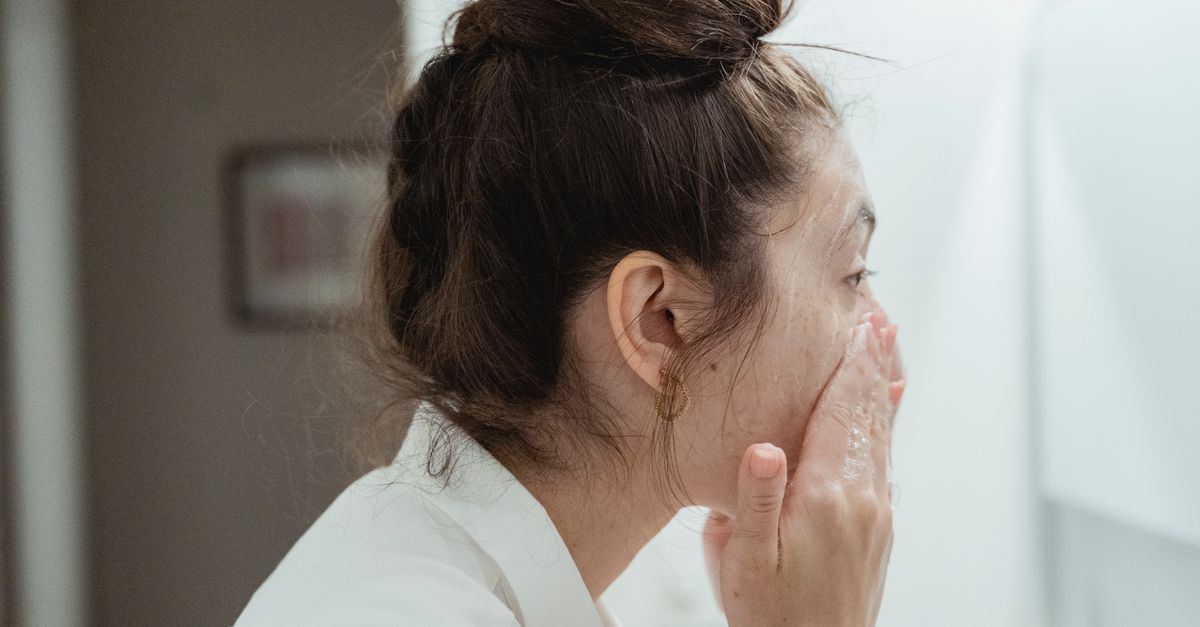
For proper application, patients should wet the affected area and gently massage the wash into the skin for one to two minutes to allow the active ingredient time to penetrate the follicles. The area must then be rinsed thoroughly with lukewarm water and patted dry. Treatment should typically begin with one application daily, gradually increasing to twice daily if tolerated and clinically necessary.
4. In-Depth Side Effects Analysis of Benzoyl Peroxide
Benzoyl peroxide is highly effective, but its aggressive oxidizing nature makes localized side effects incredibly common. Managing these adverse reactions is a standard part of the therapeutic process.
Common Side Effects
The vast majority of patients will experience mild to moderate skin irritation during the first few weeks of therapy. This typically presents as localized erythema, varying degrees of flaking or peeling, and a feeling of tight, dry skin. A mild stinging sensation immediately upon application is also frequently reported and usually subsides quickly.
Serious Side Effects You Should Report
If the expected irritation escalates into severe, intolerable burning, aggressive blistering, or weeping of the skin, the patient must discontinue use immediately and seek medical advice. Additionally, sudden dramatic swelling of the face, eyes, or throat strongly suggests a rare but severe allergic reaction that requires emergency medical intervention.
Rare Side Effects
In rare clinical instances, repeated application to highly inflamed skin can result in prolonged post-inflammatory hyperpigmentation, particularly in patients with darker skin phototypes. Extremely rare cases of systemic allergic contact dermatitis have also been documented in medical literature.
Side Effects That Usually Do Not Require Medical Attention
Minor bleaching of facial hair or slight temporary redness immediately after washing are benign reactions. Patients simply need to adjust their moisturizer usage to counteract the dryness without requiring specific clinical consultation.
| Side Effect Category | Specific Symptoms |
|---|---|
| Expected Dermatological | Skin dryness, peeling, mild redness, tightness |
| Severe Irritation | Blistering, intense burning, severe crusting |
| Allergic Emergency | Facial swelling, sudden severe hives, throat tightness |
5. Overdose or Ingestion Symptoms of Benzoyl Peroxide
Excessive topical application of this wash will not result in a systemic overdose, but it will guarantee severe chemical burns, intense peeling, and painful erythema on the skin surface. If topical over-application occurs, the patient should cease use for several days and apply bland emollients to repair the barrier.
Accidental oral ingestion of benzoyl peroxide can cause significant gastrointestinal distress due to its oxidative properties. Ingestion may lead to nausea, vomiting, and abdominal pain. Immediate contact with a poison control center is necessary if a measurable quantity is swallowed.
6. Missed Dose & What to Avoid
If a daily wash is missed, the patient should simply resume their normal cleansing schedule the following day. Attempting to wash the area multiple times in quick succession to make up for a missed application will aggressively over-exfoliate the skin and induce severe irritation.
Patients must strictly avoid unnecessary sun exposure while using this medication, as benzoyl peroxide dramatically increases dermal sensitivity to ultraviolet radiation. The concurrent use of harsh physical scrubs, astringent toners containing high alcohol content, or other drying cosmetic products must be avoided to prevent catastrophic barrier disruption.
7. Drug & Skincare Interactions with Acne Face And Body Wash
Benzoyl peroxide possesses a high potential for interacting with other topical dermatological medications. When used concurrently with topical clindamycin, it powerfully boosts antibacterial efficacy and prevents antibiotic resistance.
Conversely, applying benzoyl peroxide simultaneously with topical retinoids, such as standard tretinoin, can lead to the rapid chemical oxidation and complete inactivation of the retinoid molecule. Furthermore, combining this wash with other strong exfoliating acids will synergistically increase skin peeling and inflammation to an intolerable degree. If multiple active treatments are prescribed, they are usually separated into morning and evening routines.
8. Precautions, Safety & Duration of Action for Benzoyl Peroxide
A critical safety precaution regarding benzoyl peroxide is its well-known bleaching effect. The active oxidative agent will permanently bleach and discolor hair, towels, clothing, and bedsheets upon contact. Patients must ensure the product is thoroughly rinsed away and should use white towels for drying the skin.
The duration of action is sustained as long as the medication is used regularly. Upon discontinuation, the bacterial populations and follicular hyperkeratinization will typically return, leading to a relapse of acne symptoms within a few weeks. Acne management is a chronic process requiring consistent maintenance therapy.
9. How to Stop Taking the Drug & Storage/Disposal
Discontinuing benzoyl peroxide does not cause physiological withdrawal symptoms. If a patient wishes to stop the medication, they can simply cease using the wash. However, abrupt cessation will likely result in the gradual return of inflammatory acne lesions.
The wash must be stored tightly closed at standard room temperature, entirely protected from excessive heat and direct sunlight. High temperatures will rapidly degrade the peroxide compounds, rendering the wash therapeutically useless. Unused or expired medication should be disposed of safely according to local pharmaceutical waste guidelines.
10. When to See a Doctor
Medical consultation is heavily advised if the acne shows absolutely no clinical improvement after six to eight weeks of consistent daily usage. A dermatologist may need to evaluate the patient for underlying hormonal imbalances or prescribe stronger systemic therapies.
Immediate clinical evaluation is required if the patient develops severe contact dermatitis characterized by extreme swelling, oozing lesions, or a rash that spreads rapidly beyond the targeted treatment zones. Such symptoms indicate that the patient’s skin cannot tolerate the oxidative stress of the medication.
Frequently Asked Questions (FAQ)
1. How long does it take for benzoyl peroxide to clear acne?
Patients typically begin to see a visible reduction in inflammatory lesions within three to four weeks, with maximal clinical benefit occurring around the eight-week mark.
2. Can this wash permanently bleach my clothing?
Yes, benzoyl peroxide is a powerful oxidizing agent that will permanently bleach and ruin colored fabrics, towels, and pillowcases upon contact.
3. Is it normal for my skin to peel heavily during the first week?
Mild to moderate peeling and dryness are entirely expected pharmacological reactions as the skin acclimates to the keratolytic and drying effects of the medication.
4. Can I use this wash if I am pregnant?
Benzoyl peroxide is generally considered safe for use during pregnancy in wash-off formulations, but strict consultation with an obstetrician is always mandatory before use.
5. Should I leave the wash on my skin for a long time to make it work better?
No, leaving the cleanser on the skin longer than the recommended one to two minutes will dramatically increase the risk of severe chemical irritation and chemical burns.
6. Can I use a moisturizer after washing my face with this product?
Yes, applying a gentle, non-comedogenic moisturizer immediately after drying the skin is highly recommended to mitigate the inevitable dryness caused by the active ingredient.
7. Does this medication make my skin more sensitive to the sun?
Yes, the keratolytic action thins the dead outer layer of the skin, making the underlying tissue significantly more susceptible to sunburns and radiation damage.
8. Why did my skin suddenly become red and itchy after weeks of use?
Sudden severe redness and itching after a period of tolerance may indicate a compromised skin barrier or the development of allergic contact dermatitis requiring medical evaluation.
Bibliography
Disclaimer: The content is for informational purposes only and does not replace medical advice. Always consult your doctor or pharmacist for personalized treatment.