1. Introduction & Mechanism of Action of GuruNanda Pain Relief
GuruNanda Pain Relief is a highly effective topical anesthetic agent utilizing lidocaine hydrochloride to provide immediate, localized suppression of somatic pain in the oral cavity. The most notable side effect of topical lidocaine application is profound localized numbness that can inadvertently spread to the tongue or lips, posing a risk of accidental biting injuries.
Lidocaine hydrochloride belongs to the amide class of local anesthetics. Its mechanism of action involves diffusing across the neuronal membrane and binding directly to the intracellular portion of voltage-gated sodium channels on sensory nerve endings. By physically blocking these channels, lidocaine prevents the influx of sodium ions necessary for the initiation and conduction of action potentials.
Because the nerve cannot depolarize, the transmission of nociceptive pain signals to the central nervous system is completely halted. This pharmacological blockade results in a temporary, reversible loss of sensation in the localized mucosal tissue, providing profound relief from acute oral pain and inflammatory distress.
2. Warnings & Before Using Lidocaine Hydrochloride
The administration of topical amide anesthetics requires strict patient assessment. Individuals with a documented history of severe hypersensitivity to amide-type local anesthetics must completely avoid this medication to prevent anaphylaxis. Additionally, patients suffering from severe hepatic dysfunction should consult a physician, as the liver is solely responsible for metabolizing systemic lidocaine.
A critical safety warning surrounds the use of lidocaine products in the pediatric population. Applying this medication to infants or very young children, particularly for teething pain, is strongly discouraged by medical authorities. Excessive application in infants has been directly linked to severe systemic toxicity, seizures, and fatal cardiac arrhythmias due to rapid mucosal absorption.
3. Indications & Dosage Guide for GuruNanda Pain Relief
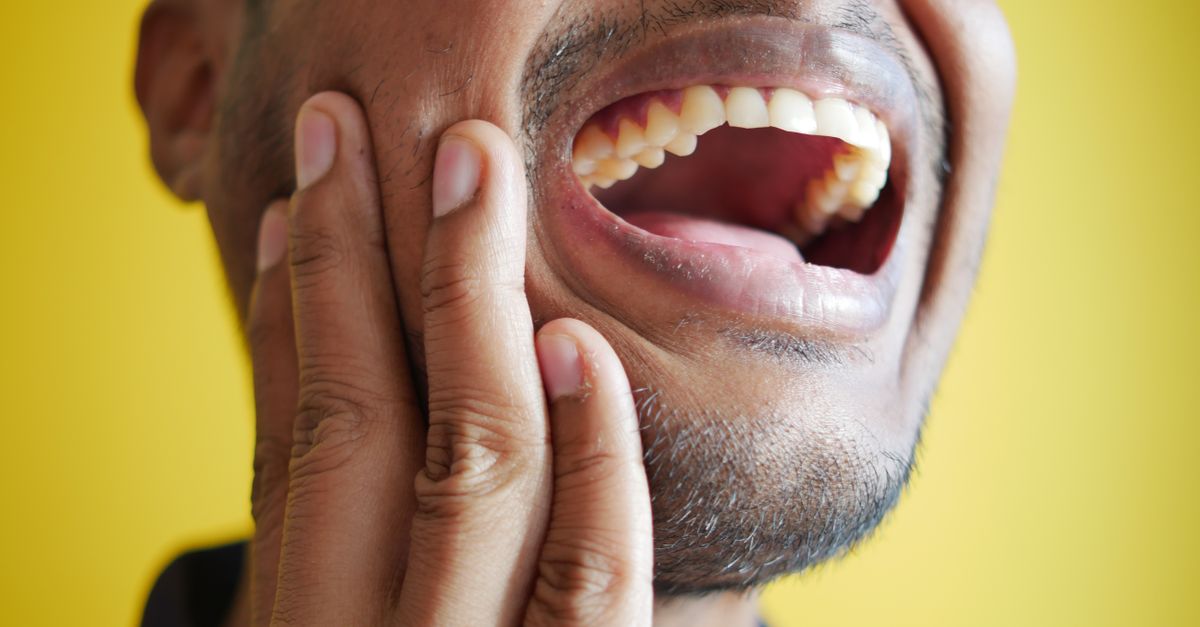
This topical anesthetic is clinically indicated for the temporary palliation of acute localized pain associated with minor dental trauma, canker sores, cold sores, and abrasions caused by prosthetic dental devices. It provides rapid sensory blockade to allow patients to eat or sleep comfortably during the initial healing phase.
For adults and adolescents, a very small amount of the gel should be applied directly to the painful oral lesion using a clean cotton swab or fingertip. The application can be repeated every four to six hours, strictly not exceeding four applications within a twenty-four-hour period. The treated area must not be bandaged or subjected to local heat, which accelerates toxic systemic absorption.
4. In-Depth Side Effects Analysis of Topical Lidocaine
When used according to strict dosing guidelines, topical lidocaine hydrochloride possesses a strong safety profile. The majority of adverse reactions stem from either localized tissue irritation or excessive application leading to minor systemic absorption.
Common Side Effects
The expected pharmacological effect is profound sensory numbness extending slightly beyond the immediate application site. Patients frequently report a transient, mild burning or stinging sensation upon initial contact with the raw mucosal tissue, which subsides rapidly as the anesthetic blockade takes effect. A temporary metallic taste in the mouth is also commonly experienced.
Serious Side Effects You Should Report
Immediate emergency care is mandated if the patient develops signs of systemic lidocaine toxicity. Symptoms include sudden extreme dizziness, blurred vision, muscular twitching, severe confusion, or a dangerously slow heart rate. Furthermore, the rapid onset of cyanosis, characterized by a bluish tint to the lips and nail beds, indicates a severe, potentially fatal blood oxygenation issue requiring urgent intervention.
Rare Side Effects
A rare but documented complication of topical lidocaine application is methemoglobinemia, a dangerous condition where the hemoglobin in the blood loses its ability to effectively release oxygen to bodily tissues. Although more commonly associated with other anesthetics, massive over-application of lidocaine can trigger this life-threatening hematological reaction.
Side Effects That Usually Do Not Require Medical Attention
Mild, temporary redness at the application site or an increase in salivary flow due to the strange sensation in the mouth are normal and completely benign responses. These issues resolve independently as the anesthetic effect wears off over time.
| Side Effect Category | Specific Symptoms |
|---|---|
| Expected Localized | Profound numbness, mild initial stinging, metallic taste |
| Systemic Toxicity | Dizziness, muscle twitching, slow heart rate, confusion |
| Hematological Rare | Cyanosis (blue lips/skin), severe shortness of breath |
5. Overdose or Ingestion Symptoms of Lidocaine Hydrochloride
Topical overdose is a critical medical emergency. Applying excessive amounts of lidocaine, applying it to vast areas of broken mucosa, or swallowing the product can lead to rapid systemic toxicity. The highly vascularized oral mucosa readily absorbs the amide anesthetic directly into the bloodstream.
Symptoms of severe lidocaine overdose typically progress from the central nervous system to the cardiovascular system. Initial signs include severe ringing in the ears, metallic taste, and tremors, which can rapidly escalate to generalized seizures, respiratory depression, and complete cardiac arrest. If an overdose is suspected, emergency medical services must be summoned immediately for advanced life support.
6. Missed Dose & What to Avoid
Lidocaine hydrochloride is utilized strictly on a symptomatic, as-needed basis. There is no scheduled dosing regimen to miss. The medication should simply be reapplied when acute pain returns, strictly respecting the maximum limit of four applications per day.
Patients utilizing oral lidocaine must rigorously avoid chewing gum, eating hard foods, or drinking hot beverages while the mouth remains numb. The lack of sensory feedback severely increases the likelihood of biting completely through the tongue or inner cheek, or sustaining severe thermal burns to the palate without realizing it until the anesthetic wears off.
7. Drug & Skincare Interactions with GuruNanda Pain Relief
Systemic interactions are uncommon with appropriate topical use, but the risk increases dramatically with over-application. Patients currently taking Class I antiarrhythmic drugs or other potent cardiovascular medications must use topical lidocaine with extreme caution, as the toxic effects on the heart can be dangerously additive.
Furthermore, this product should not be used concurrently with other topical oral medications containing different anesthetics such as prilocaine. Combining multiple local anesthetics synergistically elevates the blood serum concentration of the drugs, significantly increasing the probability of developing systemic toxicity or life-threatening methemoglobinemia.
8. Precautions, Safety & Duration of Action for Lidocaine Hydrochloride
The onset of action for topical lidocaine is extremely rapid, typically inducing profound numbness within two to five minutes of application. The duration of the sensory blockade usually lasts between thirty and sixty minutes, depending heavily on the amount of natural salivary flow washing the medication away.
Safety protocols dictate that the medication tube must be stored at room temperature and tightly sealed. Exposure to excessive heat can degrade the chemical stability of the hydrochloride salt, reducing its anesthetic efficacy. The product must be kept entirely out of the reach of children.
9. How to Stop Taking the Drug & Storage/Disposal
Discontinuing this pain relief gel does not initiate any physiological withdrawal or rebound pain beyond the natural sensation of the underlying lesion. The patient should cease usage as soon as the acute phase of the oral discomfort has naturally resolved.
Leftover medication must be disposed of carefully. It should never be flushed down a toilet or sink, as local anesthetics can disrupt aquatic ecosystems. The sealed tube should be placed in household trash or returned to a pharmacy disposal program to prevent accidental pediatric or pet ingestion.
10. When to See a Doctor
If the localized oral pain remains severe and unmanageable despite repeated applications of the maximum allowed daily dose, immediate clinical evaluation by a dentist or physician is necessary. Severe, intractable pain frequently indicates a deep pulpal infection or abscess requiring immediate procedural intervention or systemic antibiotics.
Additionally, patients must seek medical attention if the oral sore worsens, begins discharging pus, or fails to show significant signs of healing after ten days. Any lesion lasting beyond two weeks must be biopsied to rule out oral carcinoma.
Frequently Asked Questions (FAQ)
1. How fast does GuruNanda Pain Relief work?
Lidocaine hydrochloride rapidly blocks nerve transmission, typically resulting in profound numbness within two to five minutes of contact with the mucosa.
2. Is it safe to swallow my saliva after applying the gel?
Swallowing the small amount of saliva that mixes with the applied gel is generally safe for adults, but intentional swallowing of the product must be avoided.
3. Why can I not eat while my mouth is numb?
Eating while the mucosa is anesthetized drastically increases the risk of severe accidental injury, such as biting your cheek or tongue without feeling it.
4. Can I apply this to my baby’s gums for teething?
No, the FDA strongly warns against using topical lidocaine for pediatric teething due to the severe risk of systemic toxicity, seizures, and death in infants.
5. How long will the numbness last?
The anesthetic effect typically lasts between thirty and sixty minutes, gradually fading as the medication is naturally diluted and washed away by saliva.
6. What should I do if my lips turn blue after using this?
Blue lips or nail beds indicate a critical medical emergency called methemoglobinemia. Stop using the product immediately and call for emergency medical help.
7. Can I apply this over a large area of my gums?
No, it must only be applied sparingly to the specific isolated sore. Applying it over broad areas drastically increases dangerous systemic absorption into the bloodstream.
8. Does this medication cure the canker sore?
Lidocaine hydrochloride provides only symptomatic sensory relief; it does not possess antimicrobial or healing properties to cure the underlying cause of the lesion.
Bibliography
Disclaimer: The content is for informational purposes only and does not replace medical advice. Always consult your doctor or pharmacist for personalized treatment.