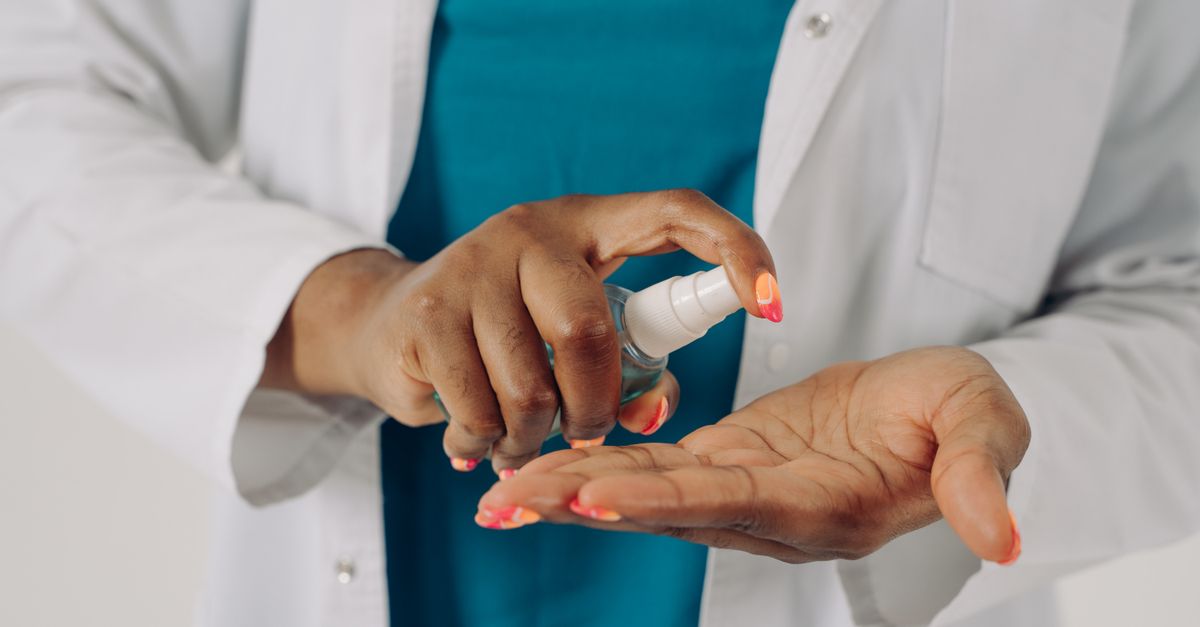
MaxSaver is a topical antiseptic solution utilizing benzalkonium chloride to rapidly eliminate pathogenic microorganisms from minor cutaneous abrasions and intact skin surfaces. Its most notable side effect involves localized dermatological irritation which can manifest as mild cutaneous dryness contact dermatitis or erythema upon frequent or highly concentrated topical application.
1. Introduction and Mechanism of Action of MaxSaver
This specific antimicrobial formulation relies entirely on benzalkonium chloride a potent nitrogenous cationic surface-acting agent belonging to the quaternary ammonium compound family. In clinical first-aid applications it is valued for its robust broad-spectrum biocidal activity against resilient bacteria and fungi serving as an effective preliminary measure to prevent localized infection.
The fundamental pharmacological mechanism of action centers strictly on the physical destruction of the microbial cellular envelope. The positively charged benzalkonium chloride molecules strongly bind to the negatively charged microbial cell membranes. This aggressive electrostatic interaction rapidly disrupts the lipid bilayer inducing severe leakage of intracellular contents a complete loss of structural integrity and rapid irreversible microbial death.
2. Warnings and Prerequisites Before Taking MaxSaver
Prior to utilizing this topical sanitizing agent users must rigorously evaluate the physical severity of the injury. This topical product is strictly indicated exclusively for application on minor superficial abrasions and intact healthy skin. It is definitively contraindicated for deep puncture wounds highly exudative severe burns or heavily ulcerated dermatological lesions as the chemical compound can severely impede the natural wound healing cascade and cause profound localized tissue toxicity.
Users must review the formulation for any known contact allergens. Individuals with an established reactive history to quaternary ammonium compounds must strictly avoid this formulation. Furthermore it must be kept entirely away from the delicate ocular mucosa as accidental exposure causes agonizing corneal irritation and potential structural ocular damage.
3. Indications and Dosage Guide for MaxSaver
MaxSaver is specifically indicated for routine topical cutaneous sanitization and the preliminary cleansing of minor superficial scrapes and cuts to effectively reduce the overall volume of potentially pathogenic microorganisms. It serves as a practical reliable first-aid hygiene measure to prevent the initial colonization of opportunistic bacteria.
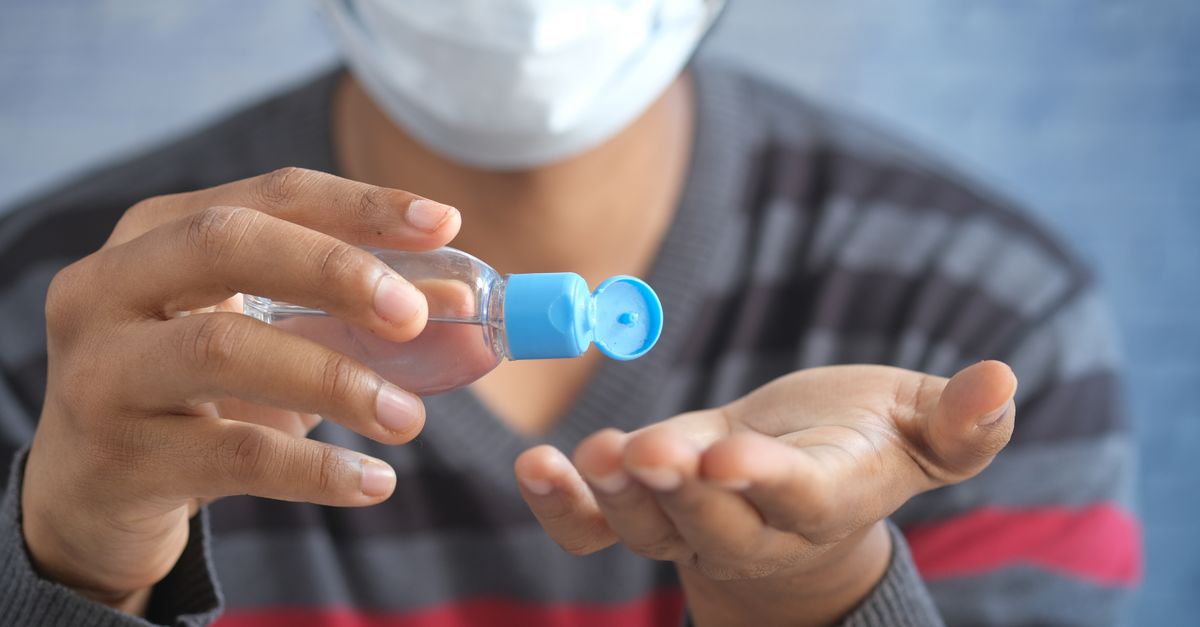
The proper application protocol involves applying a sufficient volume of the solution directly over the targeted cutaneous areas. For intact skin users must actively rub the liquid until it evaporates. For minor abrasions the area should be gently cleansed with the solution and allowed to air dry completely before applying any sterile bandages ensuring optimal antimicrobial efficacy without creating an occlusive toxic environment.
4. In-Depth Side Effects Analysis of MaxSaver
Because this specific chemical agent remains entirely localized on the superficial epidermal surface systemic adverse effects are virtually non-existent under standard safe conditions. The side effect profile is strictly limited to localized cutaneous inflammatory reactions.
Common Side Effects
The most frequently observed localized reaction is mild transient dryness accompanied by noticeable superficial flaking of the epidermis. The active antimicrobial chemical effectively strips critical natural moisturizing lipids from the stratum corneum leading to benign localized dehydration following repeated applications on intact skin.
Serious Side Effects You Should Report
True acute severe allergic contact dermatitis represents the most severe probable localized adverse event. Users must immediately cease application completely flush the area with water and seek prompt dermatological evaluation if they develop sudden severe erythema painful blistering intense persistent pruritus or a rapidly spreading red rash beyond the specific application zones.
Rare Side Effects
In exceedingly rare documented instances utilizing concentrated quaternary ammonium compounds over massive areas of deeply broken or heavily compromised skin can lead to systemic percutaneous absorption. While rare severe prolonged application in compromised patients has theoretically been linked to mild systemic neurological irritability.
Side Effects That Usually Do Not Require Medical Attention
Brief localized stinging immediately upon application to freshly cleansed abrasions or highly sensitive skin typically resolves rapidly as the liquid dries. This minor sensory phenomenon does not require specialized allopathic intervention and generally diminishes rapidly as the initial chemical shock subsides.
| Side Effect Category | Specific Symptoms |
|---|---|
| Common | Mild skin dryness minor localized peeling |
| Serious | Severe contact dermatitis painful blistering |
| Rare | Paradoxical severe localized inflammation |
5. Overdose Symptoms of MaxSaver and Proper Response
Acute localized topical overdose is physically improbable through standard routine application on limited surface areas. Applying excessively heavy layers of the sanitizing liquid merely results in severe cosmetic stickiness and significantly increases the localized likelihood of severely irritating the healthy surrounding epidermal tissues.
If an accidental oral ingestion occurs particularly by a young child the primary clinical manifestation involves severe gastrointestinal distress driven entirely by the harsh cationic surfactant. Symptoms specifically include pronounced nausea severe mucosal burning of the esophagus and volatile vomiting. Caregivers must absolutely avoid inducing vomiting as the chemical will burn the esophagus a second time and must instead contact a regional poison control center for specialized guidance.
6. Missed Dose and What to Avoid While Taking MaxSaver
Because this formulation is utilized exclusively as an on-demand topical sanitizing and first-aid agent the standard concept of a missed therapeutic dose is clinically irrelevant. Users simply apply the product actively whenever environmental contamination occurs or when an acute minor abrasion demands immediate cleansing.
While utilizing this specific topical chemical users should strictly avoid immediate sequential application of aggressive topical medications containing salicylic acid or harsh astringent alcohols unless explicitly directed by a physician. Combining multiple harsh drying agents rapidly completely degrades the protective stratum corneum leaving the skin deeply vulnerable to painful micro-fissures and subsequent bacterial colonization.
7. Drug and Alcohol Interactions with MaxSaver
Due to the strictly localized external nature of application and exceptionally negligible systemic transdermal absorption this topical antiseptic does not engage in any significant pharmacokinetic interactions with orally administered systemic therapies. It is entirely safe for use by patients concurrently undergoing complex systemic pharmacological regimens.
However clinical caution is strictly required to prevent counterproductive localized chemical interactions. Users must carefully avoid heavily applying standard anionic soaps immediately alongside this cationic product as the oppositely charged molecules firmly bind together physically neutralizing the critical antimicrobial efficacy of the benzalkonium chloride entirely.
8. Precautions Safety and Duration of Action of MaxSaver
The protective antimicrobial duration of action is limited strictly to the exact moment of application and the subsequent drying phase. Unlike complex structural barrier creams this sanitizing liquid does not provide a persistent long-lasting residual antimicrobial shield.
Strict physical application protocols are essential. Users must completely ensure the product dries entirely on the skin before touching sensitive mucous membranes or preparing food to safely prevent the uncomfortable minor transfer of the harsh chemical to the ocular or oral tissues. If a bandage is applied it must be highly breathable to prevent toxic occlusion.
9. How to Stop Taking MaxSaver and Storage Guidelines
Discontinuing the use of this topical protective cleanser requires absolutely no specific tapering protocol. Users may abruptly cease application immediately once the minor abrasion has successfully formed a solid protective scab or if severe intolerable irritation occurs. The skin will naturally repair its lipid barrier within several days of definitive cessation.
The product must be meticulously stored in a tightly sealed container safely away from direct intense sunlight and severe environmental heat. Leaving the active chemical exposed to extreme temperatures can rapidly destabilize the formulation severely destroying the specific biocidal clinical efficacy of the product.
10. When to See a Doctor Regarding MaxSaver
A thorough dermatological evaluation is strictly required if the user develops a severe persistent rash blistering erythema or weeping cutaneous lesions directly on the treated areas. These severe symptoms strongly indicate a profound allergic contact dermatitis requiring targeted prescription topical corticosteroids for complete resolution.
Immediate emergency medical attention is absolutely mandatory if a user experiences accidental severe ocular exposure resulting in profound agonizing eye pain complete severe redness or sudden noticeable blurry vision. This severe clinical emergency requires immediate heavy ocular irrigation and rapid allopathic intervention by a qualified ophthalmologist to prevent permanent corneal scarring.
Frequently Asked Questions (FAQ)
1. How exactly does benzalkonium chloride kill the bacteria in my wound?
It acts as a potent chemical disruptor that aggressively attaches to the outer wall of the bacteria physically ripping the cellular membrane apart and causing rapid bacterial death.
2. Is this product safe to use as a surgical wound cleanser?
Absolutely not this product is strictly intended for minor superficial abrasions and must never be applied to deep open wounds or severe surgical incisions.
3. Will utilizing this sanitizer heavily cause my skin to become permanently dry?
While frequent use heavily strips natural oils leading to temporary severe dryness regular application of a standard moisturizing cream effectively restores the necessary moisture barrier once the wound is closed.
4. Can I safely use this product to sanitize infant pacifiers?
No you must strictly avoid utilizing quaternary ammonium compounds on items that will be placed directly into an infant mouth due to the severe risk of toxic ingestion.
5. Does this product effectively sting when applied to a cut?
Yes applying a potent chemical antiseptic directly to broken skin will typically induce a brief but highly noticeable stinging sensation as it interacts with the exposed nerve endings.
6. Is it absolutely safe to mix this sanitizer directly with hydrogen peroxide?
You must strictly avoid mixing multiple chemical antiseptics together as they can chemically neutralize each other or create a highly caustic solution that damages healthy tissue.
7. Why did the skin around my cut turn severely red after the very first application?
Sudden intense redness strongly indicates a specific contact allergy to the active chemical requiring immediate definitive cessation of the product and washing the area with clean water.
8. Can I safely apply this liquid to my face to clear up severe acne?
No this formulation is not designed for facial acne and will likely cause intense agonizing irritation if applied to the delicate highly reactive facial epidermis.
9. How long must I strictly wait before putting a bandage over the treated cut?
For optimal safety you must allow the liquid to air dry completely before applying a breathable bandage to prevent trapping the active chemical against the skin in a highly toxic occlusive environment.
10. What should I do if my child accidentally drinks the antiseptic liquid?
You must immediately contact emergency services or a poison control center and strictly avoid inducing vomiting to prevent severe secondary chemical burning of the esophagus.
Bibliography
Disclaimer: The content is for informational purposes only and does not replace medical advice. Always consult your doctor or pharmacist for personalized treatment.