Antibacterial Aqua Clear is a potent topical antiseptic solution formulated with benzalkonium chloride, designed to cleanse intact skin and neutralize microbial threats on minor superficial abrasions. The most prominent side effect is localized cutaneous dehydration and irritation, which can develop into severe, painful contact dermatitis with prolonged or excessively aggressive application.
1. Introduction & Mechanism of Action of Antibacterial Aqua Clear
Benzalkonium chloride belongs to a specific class of chemical compounds known as quaternary ammonium cations. As a highly effective biocidal agent, it operates primarily by disrupting the lipid bilayer of cellular membranes in bacteria, certain enveloped viruses, and fungi. The positive electrical charge of the molecule binds strongly to the negatively charged surfaces of microbial pathogens.
Once attached, the compound penetrates the microbial cell membrane, causing a catastrophic loss of structural integrity. This leads to the leakage of intracellular potassium, phosphorus, and other vital cellular constituents, ultimately resulting in the rapid death of the pathogen. Unlike alcohol-based sanitizers that evaporate instantly and provide no lasting protection, benzalkonium chloride leaves a microscopic active residue on the skin that provides a brief period of continued antimicrobial activity.
2. Warnings & Prerequisites Before Using Antibacterial Aqua Clear
While highly effective for superficial skin cleansing, this solution is strictly contraindicated for use in deep puncture wounds, animal bites, or severe second-degree thermal burns. Applying strong chemical antiseptics to deep fascial layers will cause severe tissue toxicity, destroy healthy fibroblasts, and significantly delay the natural wound healing process.
Patients with a known history of severe eczema, atopic dermatitis, or known hypersensitivity to quaternary ammonium compounds must absolutely avoid using this product. The harsh surfactant properties of the solution aggressively strip the skin of its natural protective sebum. This action exacerbates underlying dermatological conditions and leads to severe fissuring, bleeding, and cracking of the compromised epidermis.
3. Clinical Indications & Antibacterial Aqua Clear Dosage Guide
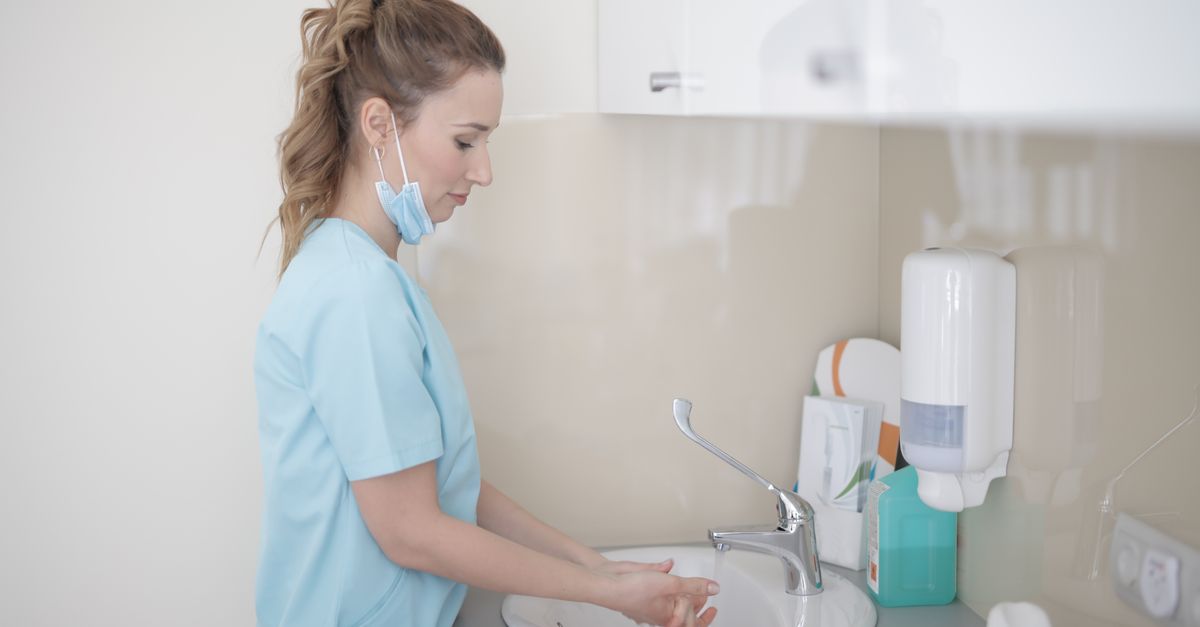
Antibacterial Aqua Clear is indicated for general skin sanitization and first-aid cleansing to decrease bacteria on the skin and prevent secondary infections in minor superficial injuries. It is widely utilized in clinical environments for hand hygiene when soap and water are not immediately accessible or when enhanced antimicrobial protection is required.
Application involves applying a small amount of the liquid over the targeted area of intact skin or the immediate margins of a minor scrape. The skin should be rubbed gently and allowed to air dry completely. For first aid on a minor wound, the area should be flushed with the solution no more than three times daily. Aggressive scrubbing of the wound bed with the solution must be avoided to prevent mechanical tissue destruction.
4. In-Depth Antibacterial Aqua Clear Side Effects Analysis
Because benzalkonium chloride is a potent chemical surfactant and detergent, its side effect profile is heavily dominated by local dermatological reactions resulting from profound lipid barrier disruption.
Common Side Effects
The most frequent adverse reactions involve localized skin dehydration and mild irritation. Users commonly experience temporary mild erythema, a feeling of extreme skin tightness, and superficial flaking of the epidermis after repeated use throughout the day. A brief, sharp stinging sensation is entirely expected if the liquid is applied directly over a broken abrasion or paper cut.
Serious Side Effects You Should Report
Repeated exposure can rapidly lead to severe irritant contact dermatitis. Patients must seek immediate medical care if the treated skin develops painful chemical burns, deep tissue cracking that bleeds, or large, fluid-filled blisters. Furthermore, signs of a systemic allergic reaction, including rapid swelling of the lips, difficulty breathing, or the sudden outbreak of generalized hives, require emergency anaphylactic intervention.
Rare Side Effects
In rare instances, chronic and heavy application to broken skin can result in delayed wound healing due to direct cellular toxicity to human tissue. True allergic contact dermatitis, a specific immune-mediated hypersensitivity to the benzalkonium molecule itself, is rare but requires the complete lifelong avoidance of any product containing this specific chemical preservative.
Side Effects That Usually Do Not Require Medical Attention
A fleeting sensation of warmth or minor, temporary itching directly after the fluid evaporates is a normal physiological response to the antiseptic drying process. Standard moisturization with a plain emollient after the area is clinically clean usually resolves these minor superficial issues entirely.
| Side Effect Category | Specific Symptoms |
|---|---|
| Dermatological | Erythema, severe dryness, epidermal flaking, peeling |
| Allergic | Contact dermatitis, localized hives, severe tissue edema |
| Sensory | Mild stinging, temporary pruritus, burning sensation |
| Wound Healing | Fibroblast toxicity, delayed epithelialization on deep wounds |
5. Recognizing an Antibacterial Aqua Clear Overdose
Topical application rarely leads to systemic overdose due to poor absorption through intact skin. However, a localized “overdose” in a topical context presents as severe chemical burns resulting from soaking a bandage in the solution and wrapping it tightly against the skin for an extended period, which traps the caustic chemicals.
Accidental oral ingestion of the liquid is a severe medical emergency, particularly in pediatric patients. Ingestion toxicity causes highly corrosive damage to the gastrointestinal tract, leading to profuse vomiting, severe abdominal pain, profound hypotension, and potential central nervous system depression. Immediate transport to an emergency department is mandatory, and vomiting should never be induced due to the risk of chemical aspiration into the lungs.
6. Missed Dose & What to Avoid While Using Antibacterial Aqua Clear
As a first-aid and hygienic product, there is no strict dosing schedule, rendering missed doses clinically irrelevant. The product should simply be used as clinically required for sanitation, adhering to the daily maximums on broken skin.
When using this solution, patients must strictly avoid contact with the eyes and delicate mucosal membranes inside the nose or mouth. Benzalkonium chloride is exceptionally toxic to the corneal epithelium and can cause severe, potentially irreversible eye damage and blindness. If accidental ocular contact occurs, the eye must be flushed continuously with lukewarm water for a minimum of fifteen minutes, followed by an immediate emergency ophthalmological evaluation.
7. Antibacterial Aqua Clear Drug & Topical Interactions
Chemical interactions on the surface of the skin are the primary concern. Benzalkonium chloride is a cationic compound, meaning it carries a positive electrical charge. It is chemically incompatible with anionic soaps and standard body wash detergents, which carry a negative charge. Mixing the two on the skin will instantly neutralize the antimicrobial efficacy of the solution.
Additionally, applying other harsh topical treatments, such as salicylic acid, benzoyl peroxide, or retinoids, immediately over skin cleaned with this solution will dramatically compound the drying effect and significantly increase the risk of severe chemical burns and epidermal destruction.
8. Precautions, Safety Profile & Duration of Action for Antibacterial Aqua Clear
The antimicrobial action is immediate upon contact and remains actively biocidal as long as the fluid remains wet on the skin. The residual protective effect is present but minimal once the area is completely dry.
For maximum safety, this solution should not be used as a permanent daily replacement for traditional handwashing with mild soap and water, especially when hands are visibly soiled. Heavy organic matter, such as thick dirt, grease, or blood, physically shields bacteria and significantly reduces the biocidal effectiveness of quaternary ammonium compounds.
9. How to Safely Stop Antibacterial Aqua Clear & Storage Guidelines
Use of the solution can be halted abruptly at any time. If skin irritation, dryness, or cracking has developed, stopping the use of the product and immediately applying a plain, fragrance-free ceramide emollient will typically allow the skin barrier to repair itself within a few days.
Store the liquid in its original, tightly sealed packaging at room temperature. Extreme heat will rapidly evaporate the water content, leaving behind a highly concentrated, dangerously caustic residue. Keep the bottles securely locked away and entirely out of the reach of children and domestic pets.
10. When to Seek Medical Attention for Antibacterial Aqua Clear Side Effects
Medical attention is urgently required if an infection appears to be worsening despite the frequent use of the antiseptic solution. Symptoms such as red streaks spreading outward from a wound, the presence of foul-smelling yellow pus, or a systemic fever indicate that the local topical antiseptic has failed and systemic oral antibiotics are absolutely necessary to prevent sepsis.
Frequently Asked Questions FAQ
1. How does this solution differ from standard alcohol hand sanitizers?
Unlike alcohol, which evaporates immediately and causes intense, searing pain on open wounds, benzalkonium chloride is a chemical detergent that disrupts bacteria with slightly less initial stinging and leaves a microscopic, active residue on the skin.
2. Can I use this solution on my baby to clean diaper rash?
Absolutely not. The chemical is far too harsh for the highly sensitive, compromised skin present in a diaper rash. Applying it will cause severe chemical burns, especially when trapped under a tight diaper.
3. Are these solutions effective against all viruses, like the stomach flu?
They are highly effective against many bacteria and enveloped viruses. However, they are generally considered entirely ineffective against certain non-enveloped viruses, such as Norovirus, which causes the stomach flu.
4. Why does the package say not to use it on deep cuts or animal bites?
Deep cuts expose delicate internal tissues and blood vessels. Harsh chemical antiseptics will destroy the healthy cells attempting to heal the deep wound and can cause severe internal tissue necrosis (cell death).
5. Can I use the liquid as a mouthwash to kill bacteria?
Absolutely not. Benzalkonium chloride is strictly for external use on intact skin or very minor superficial scrapes. It is highly toxic and corrosive if ingested or applied to mucosal membranes like the mouth or throat.
6. What should I do if I get the liquid in my eye?
Do not rub your eye. You must immediately flush the eye with a continuous stream of lukewarm tap water for at least fifteen to twenty minutes, and then go straight to the nearest emergency room to prevent permanent corneal damage.
7. Why does my skin peel and crack when I use this every day at work?
The active ingredient acts as an extremely strong detergent, rapidly stripping away the natural oils and lipid barrier of your skin. This constant stripping leads directly to severe dehydration, cracking, and peeling.
Bibliography
Disclaimer: The content is for informational purposes only and does not replace medical advice. Always consult your doctor or pharmacist for personalized treatment.