
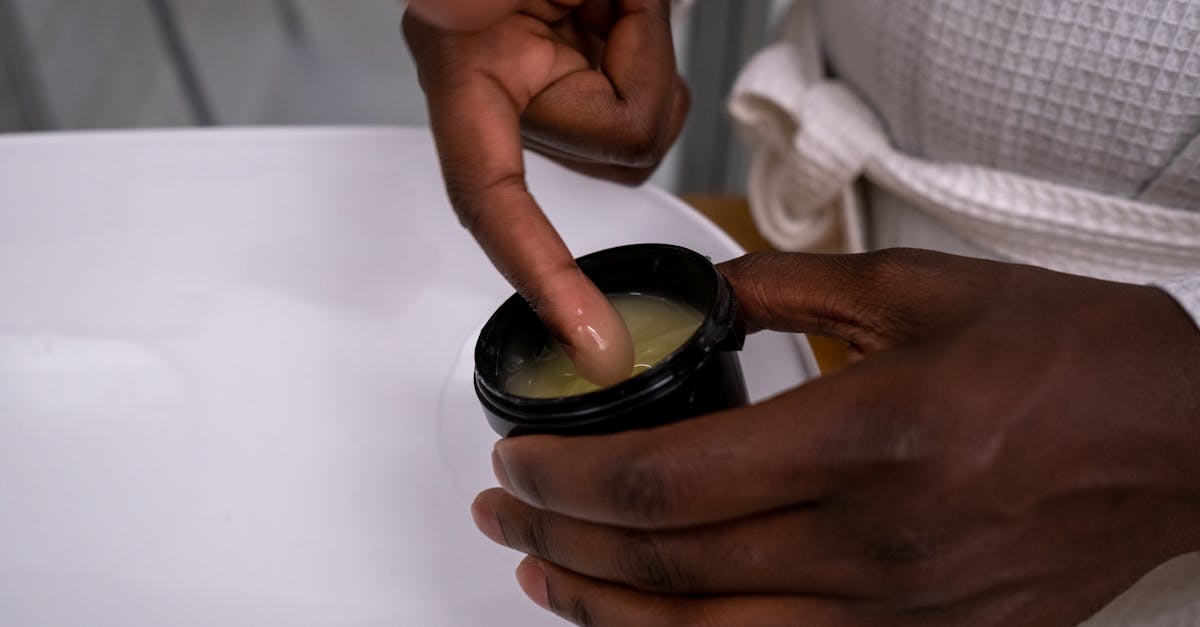
1. Introduction & Mechanism of Action of HealthWise Chest Rub Lavender
HealthWise Chest Rub Lavender is a topical medicated ointment designed to suppress coughs and alleviate minor muscle aches. The formulation relies on a triad of active ingredients consisting of eucalyptus oil, synthetic camphor, and menthol. The most notable side effect is localized skin irritation, while accidental ingestion poses a risk of severe neurological toxicity.
The pharmacological efficacy of this ointment stems from its volatile aromatic compounds. When applied to the chest or throat, body heat vaporizes the camphor, menthol, and eucalyptus oil. Inhaling these vapors stimulates sensory nerve endings in the nasal passages and respiratory tract, creating a sensation of increased airflow and exerting a mild local anesthetic effect that temporarily suppresses the cough reflex.
Simultaneously, these ingredients function as topical counterirritants. When massaged into the musculature, they induce localized vasodilation and a dual cooling-warming sensation that effectively masks deep muscle pain. The addition of lavender scent provides an aromatherapeutic element, though it does not contribute to the primary pharmacological action.
2. Warnings & Before Taking HealthWise Chest Rub Lavender
Strict safety protocols must be observed before utilizing HealthWise Chest Rub Lavender. This product is strictly for external use and must never be ingested. Accidental consumption of camphor is highly toxic and can lead to rapid onset seizures, particularly in pediatric patients.
The ointment must never be placed inside the nostrils or under the nose. Applying camphor and menthol directly to the nasal mucosa can cause respiratory distress, paradoxical bronchospasm, and instant severe burning. Furthermore, this product should never be applied to wounds, damaged skin, or areas exhibiting severe dermatological conditions.
Patients with a history of asthma or hyperreactive airway disease should consult a physician before using volatile aromatic rubs. In some instances, strong vapors can trigger airway constriction rather than providing relief.
3. Indications & Dosage Guide for HealthWise Chest Rub Lavender
HealthWise Chest Rub Lavender is primarily indicated for the temporary relief of coughing associated with the common cold. It is also indicated for the symptomatic relief of minor aches and pains in the muscles and joints.
For cough suppression in adults and children two years of age and older, a thick layer of the ointment should be rubbed directly onto the chest and throat. The treated area should be left uncovered or covered with loose clothing to allow the medicated vapors to reach the nose and mouth easily. This application can be repeated up to three times daily.
For muscle and joint aches, the ointment is massaged gently into the affected area three to four times a day. Medical clearance is mandatory before using any camphor-containing product on infants or toddlers under the age of two due to an increased risk of severe adverse reactions.
4. In-Depth Side Effects Analysis of HealthWise Chest Rub Lavender
When used topically as directed, HealthWise Chest Rub Lavender is generally well tolerated. Adverse events are typically confined to the application site or arise from improper usage techniques such as excessive heating or internal application.
Common Side Effects
The most frequently observed side effects are dermatological. Patients may experience mild erythema, a transient burning sensation, or slight tingling at the application site. These localized responses are standard pharmacological reactions to counterirritants and usually subside quickly.
Serious Side Effects You Should Report
Patients must seek immediate medical evaluation if they experience signs of severe chemical irritation. These signs include profound burning, severe contact dermatitis, or the eruption of blisters. If a patient experiences wheezing, increased coughing, or shortness of breath after inhalation, they must remove the ointment immediately, as this suggests a paradoxical bronchospastic reaction.
Rare Side Effects
Allergic contact dermatitis or systemic hypersensitivity reactions are rare but possible. Symptoms requiring emergency care include facial swelling, generalized urticaria, and severe dizziness.
Side Effects That Usually Do Not Require Medical Attention
A lingering scent on the skin and mild, temporary dryness are benign side effects. Washing the area gently with mild soap and water usually resolves residual dryness.
| Side Effect Category | Specific Symptoms |
|---|---|
| Localized Skin Reactions | Mild redness, warming sensation, transient tingling |
| Respiratory Reactions | Paradoxical bronchospasm, wheezing, excessive coughing |
| Toxicity Alerts | Seizures, nausea, confusion due to accidental ingestion |
5. Overdose of HealthWise Chest Rub Lavender
A topical overdose resulting from applying too much ointment is rare but can cause severe cutaneous burning. However, systemic overdose via accidental ingestion is a critical medical emergency. Camphor toxicity is exceptionally dangerous and acts rapidly on the central nervous system.
Symptoms of camphor ingestion include nausea, vomiting, lethargy, severe agitation, and sudden generalized seizures. Because camphor is absorbed rapidly through the gastrointestinal tract, symptoms can emerge within minutes.
If ingestion occurs, caregivers must immediately contact emergency services or a poison control center. Emesis or vomiting should never be induced because it increases the risk of aspirating toxic oils into the lungs. If topical over-application causes distress, the ointment should be wiped off with a dry cloth before washing the area with cool water and soap.
6. Missed Dose & What to Avoid with HealthWise Chest Rub Lavender
Because this medication is used for symptomatic relief as needed, missing a scheduled dose will not cause any adverse physiological effects. Patients can apply the ointment when respiratory or muscular symptoms return, ensuring they adhere to the maximum frequency of three to four times per day.
Patients must strictly avoid heating this ointment. It is incredibly dangerous to microwave HealthWise Chest Rub Lavender, add it to boiling water, or expose it to open flames. Heating volatile oils can cause the mixture to splatter, leading to severe facial burns. Furthermore, boiling alters the chemical structure and can produce highly concentrated, toxic vapors.
Do not use this product in conjunction with tight bandages or external heating pads. Wrapping the treated area tightly forces systemic absorption and significantly elevates the risk of severe chemical blistering.
7. Drug & Alcohol Interactions with HealthWise Chest Rub Lavender
Significant pharmacokinetic drug interactions are highly unlikely when HealthWise Chest Rub Lavender is used topically on intact skin. The active ingredients remain predominantly localized. Therefore, patients utilizing oral cough suppressants like dextromethorphan can generally use this topical rub safely.
Caution is advised when using other topical agents on the same anatomical region. Applying corticosteroid creams or other analgesic gels concurrently can degrade the skin barrier and increase the absorption of camphor and menthol, potentially leading to increased tissue irritation.
Alcohol does not possess a direct chemical interaction with topical eucalyptus, camphor, or menthol. However, excessive alcohol consumption depresses the central nervous system, which could mask the early warning signs of skin burning or breathing difficulties.
8. Precautions, Safety & Duration of Action for HealthWise Chest Rub Lavender
The aromatic vapors typically begin to exert a soothing effect on the respiratory tract within minutes of application, lasting up to several hours. For localized muscle pain, the counterirritant effects persist for a similar duration. If a cough persists for more than a week, tends to recur, or is accompanied by a fever or rash, medical consultation is required.
A chronic, persistent cough may be a symptom of a serious underlying condition such as pneumonia or chronic obstructive pulmonary disease. Suppressing this symptom with a topical rub without addressing the root cause can delay necessary medical intervention.
Caregivers must keep this product far away from children. The pleasant lavender scent and smooth texture might tempt a young child to taste the ointment, leading to fatal camphor toxicity. Always secure the lid tightly after each use.
9. How to Stop Taking HealthWise Chest Rub Lavender & Storage/Disposal
Stopping the use of HealthWise Chest Rub Lavender requires no tapering schedule. The product is not habit-forming, and patients can cease application immediately once their cold symptoms or muscle aches resolve.
Proper storage is critical for preserving the volatile oils. Keep the jar tightly sealed in a cool, dry place away from direct sunlight and heat sources. Because the ingredients are flammable, the ointment must be kept away from open flames.
When disposing of an expired or empty jar, place it in standard household waste. Do not flush the ointment down the toilet or wash large quantities down the sink, as the petroleum base and volatile oils can cause plumbing issues and environmental contamination.
10. When to See a Doctor Regarding HealthWise Chest Rub Lavender
Medical intervention is necessary if a patient develops severe contact dermatitis, characterized by blistering, oozing, or unbearable pain at the application site. The ointment should be removed immediately.
Patients should consult a doctor if their cough becomes productive with thick, green, or yellow phlegm. This often indicates a bacterial infection requiring antibiotics, which a topical rub cannot treat. Similarly, if the chest rub fails to alleviate muscle pain after a week of continuous use, a structural or inflammatory evaluation is warranted.
Immediate emergency care is non-negotiable if any amount of the ointment is swallowed, or if the patient experiences sudden breathing difficulties shortly after inhaling the medicated vapors.
Frequently Asked Questions (FAQ)
1. Can I put HealthWise Chest Rub Lavender in a vaporizer?
No. You must never place this ointment in a hot steam vaporizer, microwave, or boiling water. Heating the product can cause severe splattering and facial burns.
2. Is it safe to use this rub on an infant?
This product is not recommended for children under two years of age. Camphor is highly toxic, and infants are particularly vulnerable to adverse respiratory and systemic reactions.
3. What happens if I accidentally rub it in my eye?
It will cause extreme pain and burning. Immediately flush the eye with copious amounts of cool water for fifteen minutes and seek medical evaluation to rule out corneal damage.
4. Can I use this for a chronic cough from smoking?
You should not use this product for a persistent cough caused by smoking, asthma, or emphysema unless directed by a physician.
5. Why can I not put it inside my nose?
Applying camphor and menthol inside the nostrils causes intense irritation, can trigger severe breathing difficulties, and risks rapid systemic absorption.
6. Will the lavender scent interact with the medication?
The lavender scent is primarily for aromatherapeutic purposes and does not alter the pharmacological safety or efficacy of the active ingredients.
7. How do I remove the ointment if it burns?
Wipe the ointment away gently with a dry paper towel or cloth first, then wash the area thoroughly with mild soap and cool water.
8. Can I use a heating pad over the chest rub to stay warm?
Absolutely not. Using a heating pad over this medication will increase absorption and can cause severe chemical burns on your skin.
Bibliography
Disclaimer: The content is for informational purposes only and does not replace medical advice. Always consult your doctor or pharmacist for personalized treatment.

