1. Introduction & Mechanism of Action of HealthWise Lidocaine And Menthol
HealthWise Lidocaine and Menthol is a topical analgesic formulation designed to provide targeted relief for musculoskeletal and neuropathic pain. The active pharmaceutical ingredients are lidocaine and menthol, which work together to desensitize local tissues, with the most notable side effect being transient skin irritation at the application site.
Lidocaine functions as a local anesthetic by selectively binding to voltage-gated sodium channels on the neuronal membranes of peripheral sensory nerves. By inhibiting the influx of sodium ions, lidocaine prevents the depolarization required to initiate and conduct pain signals. This targeted interruption effectively blocks the transmission of pain stimuli from the affected anatomical region to the central nervous system.
Simultaneously, menthol operates as a topical counterirritant. It penetrates the stratum corneum and stimulates the transient receptor potential melastatin 8 sensory neurons, which are responsible for detecting environmental cold. This activation generates a cooling sensation that overrides underlying nociceptive pain signals. Menthol also induces localized vasodilation, increasing superficial blood flow and subtly warming the tissue, which helps relax underlying musculature.
2. Warnings & Before Taking HealthWise Lidocaine And Menthol
Clinical evaluation of the intended application site is necessary before utilizing HealthWise Lidocaine and Menthol. Patients must ensure the skin is entirely healthy and structurally intact. Applying this combination formulation to open wounds, lacerations, burns, or actively inflamed dermatitis bypasses the protective epidermal barrier. This compromised barrier allows for rapid systemic absorption of the active ingredients, elevating the risk of cardiovascular and central nervous system toxicity.
Patients with a documented history of hepatic impairment should proceed with clinical caution. Although systemic absorption is typically low when used correctly, lidocaine is metabolized by the liver. Patients with known hypersensitivities to amide-type local anesthetics or mint derivatives must avoid this product to prevent allergic reactions.
A critical safety warning concerns the application of external thermal energy. Patients must never cover the treated skin with a heating pad, electric blanket, hot water bottle, or tight compressive wrap. Thermal energy dilates local cutaneous blood vessels, driving notable concentrations of lidocaine and menthol directly into the systemic circulation.
3. Indications & Dosage Guide for HealthWise Lidocaine And Menthol
HealthWise Lidocaine and Menthol is clinically indicated for the temporary desensitization of intact skin to alleviate minor to moderate aches, neuropathic discomfort, backaches, and muscle strains.
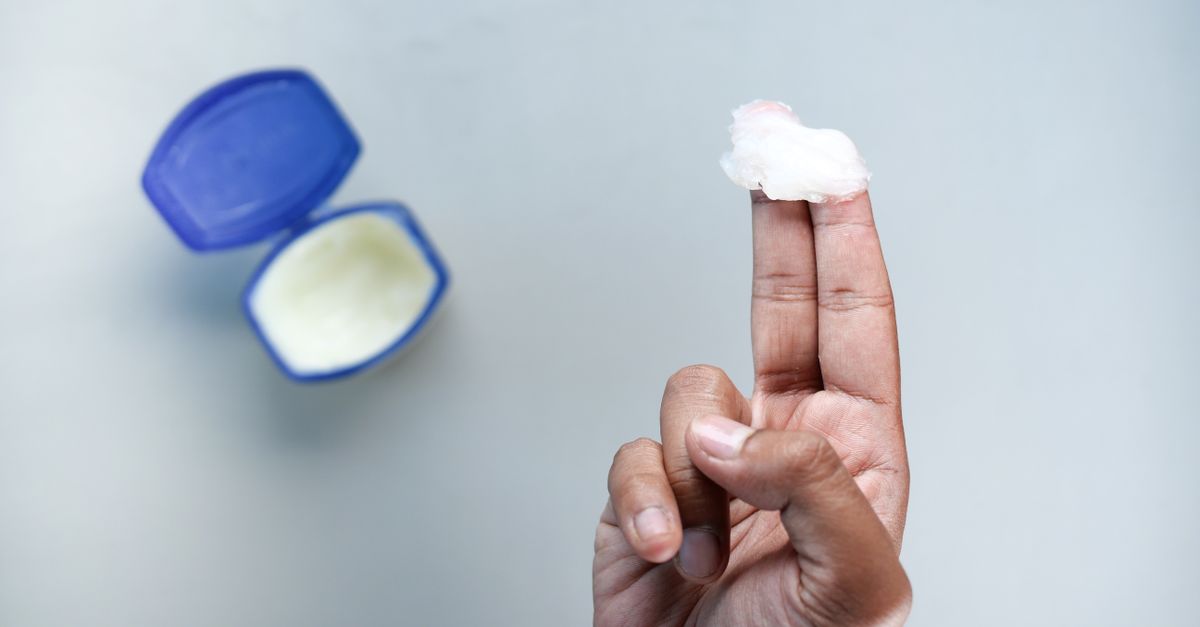
For adults and pediatric patients over twelve years of age, the standard clinical protocol involves applying a thin layer of the formulation directly to the affected anatomical area up to three to four times a day. The skin must be thoroughly washed and completely dried prior to application. Vigorous rubbing should be avoided. The formulation is designed to penetrate the epidermis efficiently without mechanical assistance.
Administration to pediatric patients under twelve years of age is contraindicated without explicit instruction from a healthcare provider. Pediatric patients possess a larger body surface-area-to-mass ratio and thinner epidermis, making them disproportionately susceptible to systemic lidocaine toxicity.
4. In-Depth Side Effects Analysis of HealthWise Lidocaine And Menthol
When applied prudently to localized areas of intact skin, this combination product is generally well tolerated. The active ingredients present a distinct side effect profile ranging from local dermatological reactions to serious systemic events if used incorrectly.
Common Side Effects
The most frequently observed localized reactions include temporary erythema, minor superficial tissue edema, and a transient stinging, burning, or cooling sensation immediately following application. Because the primary function is targeted neural blockade via lidocaine, patients will experience localized tactile numbness and a temporary loss of physical sensation at the application site.
Serious Side Effects You Should Report
Patients must wash the medication off and seek immediate medical evaluation if they experience serious cutaneous damage, such as tissue blistering, prolonged chemical burning, or skin sloughing. Furthermore, early signs of systemic lidocaine absorption demand emergency intervention. These symptoms include a metallic taste in the mouth, tinnitus, visual disturbances, dizziness, and involuntary muscle tremors.
Rare Side Effects
A rare complication associated with local anesthetics is methemoglobinemia, a condition that impairs the oxygen-carrying capacity of hemoglobin. Symptoms include cyanosis characterized by blue-tinted skin, shortness of breath, lethargy, and tachycardia. Immediate hospitalization is required for antidotal therapy.
Side Effects That Usually Do Not Require Medical Attention
Mild superficial skin peeling or temporary localized blanching due to superficial vasoconstriction often resolves independently without clinical intervention. A harmless cooling scent of menthol will naturally dissipate.
| Side Effect Category | Specific Symptoms |
|---|---|
| Application Site Reactions | Redness, temporary numbness, intense cooling, mild stinging |
| Neurological Systemic Toxicity | Ringing in ears, metallic taste, blurred vision, muscle tremors |
| Cardiovascular Toxicity | Arrhythmia, hypotension, methemoglobinemia |
5. Overdose of HealthWise Lidocaine And Menthol
Topical overdose is a serious medical event. It primarily occurs when patients apply large amounts of the product simultaneously, utilize it on broken skin, or apply external thermal heat over the medication. Systemic lidocaine toxicity initiates with central nervous system excitation followed by depression, and ultimately cardiovascular collapse.
Early clinical indicators of systemic toxicity include acute anxiety, mental confusion, perioral numbness, and a metallic taste. As the overdose progresses, patients may suffer generalized seizures, leading to an unresponsive coma and respiratory arrest. Cardiovascular collapse presents as bradycardia and notable hypotension.
If systemic toxicity is suspected, the patient must instantly wash the skin with copious cool water to halt further absorption. Emergency medical services must be contacted immediately. In clinical scenarios, the administration of intravenous lipid emulsions may be required to sequester the circulating anesthetic.
6. Missed Dose & What to Avoid with HealthWise Lidocaine And Menthol
This combination product is utilized strictly on an as-needed basis for symptomatic pain management. Therefore, missing a dose holds no physiological consequence or withdrawal. Patients should gently apply the medication when pain returns, ensuring they do not exceed the recommended frequency within a twenty-four-hour cycle.
Patients must strictly avoid contact with the ocular mucosa. If accidental eye exposure occurs from unwashed hands, the eye must be forcefully irrigated thoroughly with copious amounts of cool water for at least fifteen minutes. Because the cornea will become numb, the patient must exercise rigorous caution not to rub the eye, which can cause damaging corneal abrasions.
Avoid layering other potent topical pain relievers directly with this product. Mixing concentrated active ingredients with prescription products like diclofenac sodium alters local cutaneous blood flow and unpredictably accelerates the systemic absorption of all applied compounds.
7. Drug & Alcohol Interactions with HealthWise Lidocaine And Menthol
When applied according to rigorous clinical guidelines, systemic absorption of the active ingredients is negligible, minimizing the risk of interactions with oral medications. However, patients prescribed Class I antiarrhythmic drugs, such as mexiletine or tocainide, should utilize this lidocaine-containing product with closely monitored clinical caution, as the cardiovascular effects are theoretically additive.
Patients utilizing systemic medications known to induce methemoglobinemia, such as certain antimalarial drugs or sulfonamides, face an elevated risk if systemic lidocaine absorption inadvertently occurs through prolonged application.
Alcohol should be entirely avoided when utilizing potent topical anesthetics. Acute alcohol intoxication depresses the central nervous system, masking the critical early warning signs of lidocaine toxicity such as dizziness or tinnitus. Furthermore, altered pain perception due to alcohol intoxication may result in accidental thermal or mechanical injury to the completely numbed skin beneath the medication.
8. Precautions, Safety & Duration of Action for HealthWise Lidocaine And Menthol
The onset of targeted analgesia typically occurs within twenty to thirty minutes post-application. The numbing and cooling effect usually persists reliably for several hours. Patients must be explicitly warned that because the treated skin is devoid of normal protective sensation, they are susceptible to accidental mechanical trauma or undetected thermal burns if they sit too close to a heat source.
If localized pain persists unmitigated beyond seven days, perfectly resolves and subsequently returns, or worsens during treatment, the patient must discontinue the medication and consult a healthcare provider. Chronic pain often indicates underlying structural damage requiring advanced medical diagnostics.
Special clinical care is mandated for elderly patients and those with acutely compromised immune systems. Geriatric skin is inherently thinner, which facilitates unintended systemic drug absorption and increases the risk of chemical irritation.
9. How to Stop Taking HealthWise Lidocaine And Menthol & Storage/Disposal
Discontinuing the targeted use of HealthWise Lidocaine and Menthol is entirely safe and does not prompt any physical withdrawal symptoms or rebound hyperalgesia. Patients can cease application instantly once their localized pain completely subsides.
Proper storage is critical to ensure the chemical stability and safety of the medication. The container must be kept securely sealed at room temperature, strictly away from direct sunlight and extreme environmental heat. Because it contains potent active pharmaceutical ingredients, it must be stored in a secure location entirely inaccessible to children and domestic pets.
For safe disposal, discard the sealed container in a secure waste receptacle strictly according to local pharmacological regulations. Do not squeeze the residual medication down the sink drain, as active pharmaceutical agents contaminate local water treatment facilities.
10. When to See a Doctor Regarding HealthWise Lidocaine And Menthol
A thorough medical consultation is essential if the patient develops skin irritation, such as enduring redness, persistent swelling, or painful blistering at the application site. These symptoms strongly suggest a localized allergic reaction or chemical toxicity.
Immediate emergency medical care is mandatory if a patient presents with any symptoms indicative of systemic lidocaine absorption. Tinnitus, a sudden metallic taste, visual disturbances, or unexplainable lethargy require urgent evaluation in an emergency department. Additionally, alarming signs of methemoglobinemia strongly constitute a critical medical emergency.
If an infant or young child accidentally ingests any quantity of the medication, caregivers must secure emergency medical care immediately. Do not wait for neurological symptoms to manifest before contacting emergency medical services.
Frequently Asked Questions (FAQ)
1. How do lidocaine and menthol work together in this product?
Menthol cools the skin to provide immediate distraction from pain, while the lidocaine penetrates the tissue to block the sodium channels in your nerves, numbing the area for long-lasting relief.
2. Can I use a warm heating pad safely over this combination medication?
You must never under any circumstances use a heating pad over this medication. Heat increases blood flow to the skin, which can push a toxic amount of lidocaine and menthol directly into your bloodstream.
3. Why do I suddenly have a distinct metallic taste in my mouth after putting the medication on?
A sudden metallic taste is a serious warning sign that too much lidocaine has entered your bloodstream. You must wash the product off completely and immediately seek emergency medical attention.
4. Is it safe to apply this medication to a fresh, bleeding scrape?
No. Applying a medicated product to broken, bleeding skin allows the drugs to enter your bloodstream too rapidly, which can cause serious cardiac and neurological side effects.
5. How long does the numbing effect last?
The analgesic numbing effect typically begins within thirty minutes of application and lasts between one and three hours depending on your individual metabolism.
6. Can I safely apply this medication to my face for toothache pain?
No. This product is indicated only for muscle and joint pain. Applying lidocaine near your face risks accidental and dangerous exposure to your eyes and mouth.
7. What should I do if my skin turns blue or unusually pale while wearing the medication?
Blue or pale skin combined with sudden shortness of breath strongly indicates a rare blood condition called methemoglobinemia. You must wash off the product and seek emergency medical care immediately without delay.
8. Can I apply the medication to my entire back and legs at once?
No. You should only apply this product to a strictly localized area of pain. Covering large portions of the body significantly increases the risk of systemic lidocaine toxicity.
Bibliography
Disclaimer: The content is for informational purposes only and does not replace medical advice. Always consult your doctor or pharmacist for personalized treatment.