1. Introduction & Mechanism of Action of Caring Mills Petroleum Jelly
Caring Mills Petroleum Jelly uses pure petrolatum to act as a highly effective occlusive barrier that prevents transepidermal water loss. The most notable side effect is the potential to induce severe comedones or localized folliculitis by trapping sebum and cellular debris within the skin pores. The formulation creates an impenetrable hydrophobic shield over the stratum corneum, effectively mimicking the natural lipid bilayer of healthy skin.
The primary mechanism of action relies entirely on physical occlusion rather than chemical interaction. Petrolatum is biologically inert, meaning it does not react with human tissues at a cellular level and is not absorbed into the systemic circulation. By sitting entirely on top of the epidermal layer, it traps the body’s endogenous moisture and localized heat beneath the barrier.
This occlusion creates a highly hydrated microenvironment. In clinical applications, this trapped moisture is essential for treating dry, chafed, or environmentally compromised skin. Allowing the underlying epithelial cells to repair themselves in an optimal, moist environment dramatically accelerates the natural healing process for superficial epidermal damage.
2. Warnings & Before Taking Caring Mills Petroleum Jelly
Before applying this occlusive ointment, individuals must carefully assess the depth and severity of their dermal injury. It is strictly contraindicated to apply this heavy petrolatum barrier over deep puncture wounds, animal bites, deep lacerations, or third-degree burns. Sealing a deep wound with an occlusive agent traps anaerobic bacteria within the wound bed, creating a highly dangerous environment that rapidly fosters severe deep tissue infections.
Individuals with a known history of severe acne vulgaris, acne mechanica, or widespread seborrheic dermatitis should exercise extreme clinical caution. The heavy lipid structure of the ointment is exceptionally comedogenic. It will aggressively trap sebum, dead keratinocytes, and cutaneous bacteria within the pilosebaceous units, drastically exacerbating existing acne conditions.
This preparation is strictly for external topical application. Caregivers must ensure it is kept entirely out of reach of infants and small children. While accidental oral ingestion possesses very low systemic toxicity, aspiration of the lipid-based ointment into the respiratory tract poses a catastrophic risk, potentially triggering a severe inflammatory lung condition known as lipoid pneumonia.
3. Indications & Dosage Guide for Caring Mills Petroleum Jelly
Caring Mills Petroleum Jelly is clinically indicated for the prevention and treatment of severe diaper dermatitis, the relief of severely chafed or windburned skin, and the protection of minor superficial epidermal burns and scrapes. It is highly valued in clinical dermatology for treating severe xerosis and maintaining skin integrity in bedbound patients prone to pressure friction.
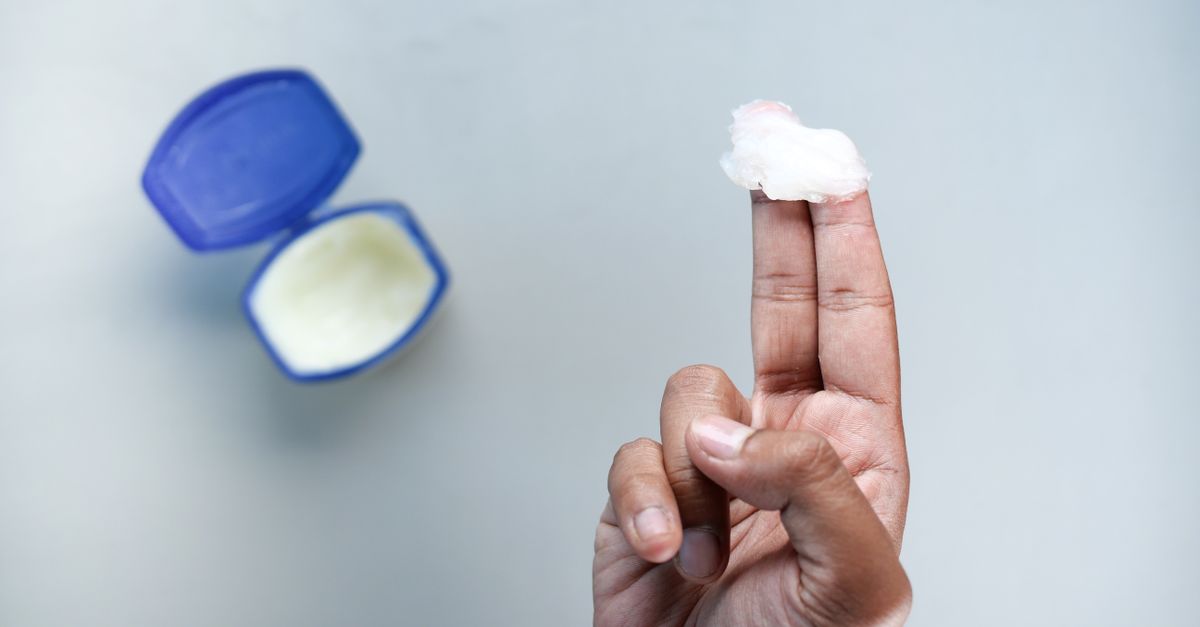
There is no pharmacological maximum daily dosage for this topical protectant. A continuous, generous layer should be applied directly to the affected area as frequently as necessary to maintain the physical barrier. For optimal moisture retention in severely dry skin, the ointment is best applied immediately after bathing while the epidermal tissue remains slightly damp.
When treating minor diaper dermatitis or superficial scrapes, the affected area must be meticulously cleansed with mild soap and water and allowed to dry completely before application. Failure to properly sanitize and dry the area before sealing it with the ointment will result in trapping bacteria and irritating moisture against the compromised skin.
4. In-Depth Side Effects Analysis of Caring Mills Petroleum Jelly
The adverse reactions associated with this pure petrolatum product are entirely localized to the dermal tissue, driven primarily by the mechanical properties of the heavy lipid barrier rather than systemic pharmacological toxicity.
| Side Effect Category | Specific Symptoms |
|---|---|
| Integumentary Alterations | Severe comedones, acne mechanica, blocked pores |
| Follicular Issues | Infectious folliculitis, ingrown hairs, localized erythema |
| Maceration Risk | Over-hydration of tissue, skin breakdown, fungal promotion |
Common Side Effects
The most universally observed issues are entirely mechanical. Comedone formation and acne exacerbation occur frequently when the occlusive barrier is applied heavily to the face, chest, or back. Prolonged occlusion of hair follicles, particularly on the legs or arms, frequently results in folliculitis, which presents as small itchy erythematous papules surrounding individual hair shafts.
Serious Side Effects you should report
Patients must seek immediate medical evaluation if the application site develops signs of a secondary bacterial infection. Symptoms demanding clinical attention include escalating localized heat, intense throbbing pain, expanding redness, and purulent exudate. These signs indicate that the occlusive barrier has trapped a pathogen against the skin, necessitating immediate cessation of the product and targeted antibiotic therapy.
Rare Side Effects
Allergic contact dermatitis specifically triggered by highly refined petrolatum is exceedingly rare, with true hypersensitivity almost always linked to trace impurities. Another rare risk is tissue maceration, which occurs if the product is applied too thickly in intertriginous skin folds, trapping excess sweat and leading to severe epidermal breakdown and fungal proliferation.
Side effects that usually do not require medical attention
A persistent heavy greasy texture and a glossy sheen on the skin are the intended physical outcomes of the ointment. Slight transfer of the oily substance onto clothing, diapers, or bedding is also standard and harmless to the patient, though it may cause stubborn fabric stains that are difficult to wash out.
5. Overdose Symptoms and Management for Caring Mills Petroleum Jelly
A transdermal overdose is a physiological impossibility due to the immense molecular weight of the petrolatum hydrocarbons, which completely prohibits entry into the systemic circulation. Applying an excessively thick layer will merely waste the product and heavily increase the likelihood of pore blockage and fabric staining without causing any systemic toxicity.
Accidental oral ingestion, typically seen in pediatric cases, yields very low toxicity. The compound is biologically inert within the gastrointestinal tract. Ingestion of substantial volumes may provoke mild gastrointestinal disturbances, primarily nausea, cramping, and loose greasy stools due to the mild laxative nature of the lipids. Management is purely observational, and emesis must never be induced.
The only severe acute danger is the aspiration of the lipid compound into the respiratory tract. If the ointment is inhaled during an accidental ingestion event, it triggers lipoid pneumonia, a severe inflammatory condition of the lung parenchyma. Any sign of persistent coughing, wheezing, or respiratory distress following accidental oral contact requires immediate emergency pediatric evaluation.
6. Missed Dose & What to avoid while using Caring Mills Petroleum Jelly
The concept of a missed dose is clinically irrelevant for this topical protectant. It operates strictly on an as-needed basis to relieve dermatological discomfort and prevent friction. Patients or caregivers may skip applications freely without risking withdrawal symptoms, beyond a gradual return to the baseline state of dryness or chafing.
During application, patients must strictly avoid bringing the ointment into contact with the ocular mucosal tissues. The thick lipid structure will heavily coat the cornea, causing severe blurred vision and mild localized irritation. Gentle prolonged irrigation with sterile saline is the appropriate clinical response to accidental eye exposure.
Furthermore, this petrolatum-based ointment must never be utilized as a personal lubricant in conjunction with latex condoms or other latex medical devices. The petroleum hydrocarbons rapidly and aggressively degrade latex structural integrity, leading to microscopic fissures and catastrophic failure of the medical device within minutes.
7. Drug & Alcohol Interactions with Caring Mills Petroleum Jelly
Due to its strictly topical mechanism of action and complete lack of systemic absorption, this ointment will not interact with any oral prescription medications, over-the-counter analgesics, or systemic alcohol consumption. It is entirely safe for systemic use.
However, highly critical localized interactions occur when used alongside active topical dermatological therapies. The heavy occlusive barrier created by the petrolatum aggressively drives underlying substances deep into the dermal layers. If applied over a medicated cream, such as hydrocortisone or a topical antibiotic, it can inadvertently amplify the systemic absorption of that drug, leading to unexpected localized toxicity or severe tissue atrophy.
Patients must always consult a healthcare provider before combining this heavy emollient with prescribed topical treatments. Standard pharmacological protocol mandates applying the medicated therapy first, allowing it to absorb entirely, and only applying the occlusive petrolatum layer if explicitly directed by the prescribing physician.
8. Precautions, Safety & Duration of Action for Caring Mills Petroleum Jelly
The duration of action is governed entirely by the physical presence of the ointment on the skin. It continuously blocks water loss and prevents mechanical friction until it is physically wiped away, transferred onto clothing, or washed off with surfactant-based soaps.
Caregivers must exercise rigorous hygiene when utilizing the product, particularly for diaper rash. Repeatedly dipping unwashed fingers into the container introduces fecal bacteria and environmental pathogens into the lipid matrix. Over time, this biological contamination renders the product unhygienic. Using clean hands or a dedicated spatula is clinically recommended to maintain the integrity of the ointment.
Flammability remains a critical safety precaution. While the ointment itself is not highly volatile at room temperature, fabrics, bandages, or clothing heavily saturated with the product become highly combustible. Patients must avoid smoking or standing near open flames, such as stoves or space heaters, while wearing clothing infused with the ointment.
9. How to stop taking Caring Mills Petroleum Jelly & Storage/Disposal
Discontinuation of this topical treatment requires no tapering schedule. Patients or caregivers can cease application immediately without experiencing any physiological withdrawal or rebound dermatitis. The skin will simply lose the synthetic lipid barrier and resume its natural rate of moisture evaporation.
Proper storage protocols mandate keeping the container tightly sealed at standard room temperature. It must be isolated from direct sunlight and severe heat sources. Elevated temperatures will cause the product to liquefy, which can make it highly difficult to apply cleanly and increases the risk of spilling.
Disposal of unwanted product must follow standard municipal waste guidelines. Large quantities should never be washed down the sink or flushed, as the heavy lipids will solidify rapidly in the cold plumbing infrastructure, creating severe blockages that are highly difficult to clear.
10. When to see a doctor regarding Caring Mills Petroleum Jelly
Medical consultation is advised if the targeted dry skin or diaper rash fails to improve after seven days of consistent application. Persistent xerosis, severe scaling, or a rash that worsens despite occlusive therapy may suggest an underlying systemic issue or a fungal infection, which requires targeted prescription intervention.
Immediate medical attention is crucial if signs of localized infection emerge at the application site. Symptoms including unnatural warmth, escalating pain, the presence of pus, or foul-smelling exudate indicate that the heavy barrier may be trapping pathogenic bacteria against the compromised skin.
Furthermore, if the patient develops severe acneiform eruptions, painful cystic breakouts, or extensive folliculitis that does not resolve upon discontinuing the product, dermatological evaluation is necessary. Professional extraction or prescription topical antibiotics may be required to clear the blocked pilosebaceous units.
Frequently Asked Questions (FAQ)
1. What makes petrolatum so effective for dry skin?
Petrolatum creates a thick physical barrier on top of the skin that completely prevents your body’s natural moisture from evaporating, allowing the dry tissue underneath to heal in a highly hydrated environment.
2. Is it safe to use this ointment on my face every day?
It is highly discouraged for facial use unless you have severely dry skin. The thick ointment is extremely comedogenic and will rapidly clog your pores, leading to severe acne breakouts.
3. Can this ointment cure a fungal diaper rash?
No, it acts only as a physical barrier. It does not contain antifungal medication, and applying it over a fungal rash can actually make the infection significantly worse by trapping moisture.
4. Why must the skin be completely dry before applying it?
Applying this heavy ointment over wet skin traps the water against the tissue. Over time, this over-hydrates the skin, making it weak, wrinkly, and prone to tearing.
5. Is it safe to put this on a fresh deep cut?
No, never apply heavy ointments to deep puncture wounds or lacerations. It prevents oxygen from reaching the wound, which can encourage dangerous anaerobic bacteria to grow deep inside the tissue.
6. Can I use this product with cloth diapers?
It is generally not recommended, as the heavy petroleum jelly is very difficult to wash out of cloth diapers and can permanently reduce their ability to absorb liquids.
7. What should I do if my child eats a large spoonful of the jelly?
Do not induce vomiting. The ointment is not highly toxic, but it may cause a mild stomach ache and loose stools. Monitor the child closely and call poison control for guidance.
8. Does this product interact with my prescription steroid cream?
Yes, applying it directly over a steroid cream traps the medication and forces it deeper into your skin, which can severely increase the side effects of the steroid. Always ask a doctor before combining them.
Bibliography
Disclaimer: The content is for informational purposes only and does not replace medical advice. Always consult your doctor or pharmacist for personalized treatment.