1. Introduction and Mechanism of Action for Redicare Triple Antibiotic First Aid
Redicare Triple Antibiotic First Aid is a potent topical ointment designed to prevent localized bacterial infections in minor epidermal injuries. The most frequent clinical side effect is localized allergic contact dermatitis, primarily triggered by the neomycin component. It acts as a robust, broad-spectrum prophylactic barrier for compromised skin.
The formulation relies on the synergistic action of three distinct antimicrobial agents: bacitracin zinc, neomycin sulfate, and polymyxin B sulfate. Each component targets a entirely different pathway within the bacterial cellular structure. Bacitracin disrupts the synthesis of the bacterial peptidoglycan cell wall, effectively targeting gram-positive organisms.
Neomycin sulfate, an aminoglycoside, binds directly to the bacterial ribosome, irreversibly halting vital protein synthesis. Polymyxin B acts as a potent surfactant, directly attacking and dissolving the cellular membranes of severe gram-negative pathogens. Together, this tri-modal mechanism provides an exceptionally wide spectrum of defense against opportunistic dermal pathogens.
2. Warnings and Before Taking Redicare Triple Antibiotic First Aid
This topical preparation is strictly contraindicated for use in deep puncture wounds, animal bites, or massive areas of severe thermal burns. Injuries of this magnitude require aggressive systemic antibiotic therapy, and relying solely on a topical barrier invites severe, deep-tissue sepsis.
Patients with a known clinical history of profound hypersensitivity to aminoglycoside antibiotics must avoid this product completely. The inclusion of neomycin presents a very high risk for severe, localized allergic reactions in sensitized individuals, which can severely complicate the wound healing process.
Prolonged, continuous use of this ointment beyond the recommended clinical timeframe creates a high-risk environment for the proliferation of non-susceptible organisms. The continuous eradication of normal dermal flora can lead to aggressive secondary fungal overgrowth directly within the wound bed.
3. Indications and Dosage Guide for Redicare Triple Antibiotic First Aid
This pharmacological ointment is explicitly indicated for first-aid infection prophylaxis in minor cuts, superficial scrapes, and minor thermal burns. It provides a sterile, localized environment that physically protects the wound while actively destroying invading pathogens.
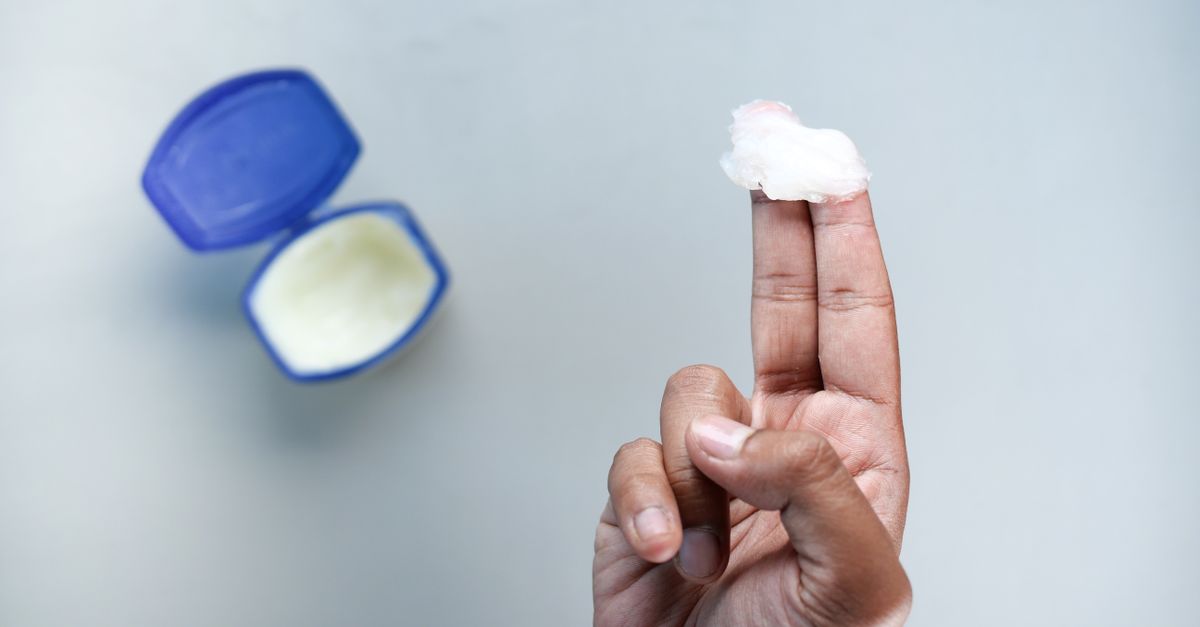
The standard clinical application involves carefully cleaning the affected area with mild soap and water, completely drying the tissue, and applying a very small amount of the ointment. An amount roughly equal to the surface area of a fingertip is generally sufficient for minor lacerations.
This process may be repeated one to three times daily as required. Following application, the wound may be covered with a sterile, breathable bandage to maintain localized moisture and protect the compromised tissue from environmental contaminants.
4. In-Depth Side Effects Analysis of Redicare Triple Antibiotic First Aid
While systemic toxicity is virtually non-existent with proper use, the localized adverse reaction profile requires careful clinical attention.
Common Side Effects
The most universally documented side effect is localized allergic contact dermatitis. Patients frequently report increased redness, intense itching, and localized irritation that develops roughly twenty-four to forty-eight hours following initial application. This is overwhelmingly an immunological response to the neomycin compound.
A transient, mild burning sensation may occur immediately upon application if the ointment base comes into contact with highly sensitive, raw nerve endings within the dermal abrasion.
Serious Side Effects You Should Report
The sudden development of severe, worsening pain, extreme swelling, or the rapid spread of profound erythema beyond the wound borders demands immediate medical intervention. These symptoms strongly suggest that the topical antibiotic has failed and a severe, deep-tissue bacterial infection is aggressively spreading.
Any signs of systemic anaphylaxis, though extraordinarily rare for topical ointments, must be treated as an immediate emergency. Symptoms include sudden difficulty breathing, generalized hives, and acute facial swelling.
Rare Side Effects
In highly isolated instances involving the massive application of the ointment over vast areas of deeply compromised tissue, theoretical systemic absorption of neomycin and polymyxin B could occur. This systemic absorption carries a severe risk of acute nephrotoxicity and irreversible ototoxicity.
Side Effects That Usually Do not Require Medical Attention
A mild, greasy feeling on the surrounding intact skin is merely a physical characteristic of the petrolatum-based ointment. Slight, temporary blanching of the wound edges due to moisture retention is fully expected and requires no intervention.
| Side Effect Category | Specific Symptoms |
|---|---|
| Common | Contact dermatitis, itching, mild burning |
| Serious | Expanding wound redness, severe swelling |
| Rare | Systemic absorption toxicity, anaphylaxis |
| Infection | Secondary fungal overgrowth |
5. Overdose Symptoms and Management for Redicare Triple Antibiotic First Aid
A systemic overdose from standard topical application on minor injuries is physiologically impossible due to the minimal quantities absorbed through the dermal layers. However, massive misapplication presents extreme dangers.
If the product is inappropriately applied to massive third-degree burns or deep surgical cavities, systemic absorption of the aminoglycoside and polypeptide components can occur. Symptoms of systemic toxicity include a sudden decrease in urine output indicating acute renal failure, and profound dizziness or severe hearing loss indicating irreversible cranial nerve damage.
Accidental oral ingestion, particularly in pediatric patients, is a significant concern. While the antibiotics are poorly absorbed gastrointestinally, ingestion frequently causes severe nausea, vomiting, and severe abdominal cramping. Management involves immediate consultation with a poison control center and supportive gastrointestinal care.
6. Missed Dose and What to Avoid While on Redicare Triple Antibiotic First Aid
As this prophylactic therapy is utilized on an as-needed basis during the acute wound healing phase, a strict schedule is unnecessary. If an application is forgotten, the wound should simply be cleaned and the ointment applied at the patient’s earliest convenience.
Patients must strictly avoid applying this ointment near the eyes or directly onto the ocular mucosa. The formulation is not strictly ophthalmic-grade and contains high concentrations of compounds that will cause severe chemical irritation and potential corneal damage if introduced into the eye.
Furthermore, avoid using other topical creams, cosmetics, or harsh chemical astringents, such as concentrated rubbing alcohol or hydrogen peroxide, on the wound simultaneously. These agents will destroy the fragile new cellular growth and completely negate the protective environment created by the ointment.
7. Drug and Alcohol Interactions with Redicare Triple Antibiotic First Aid
Due to its strictly localized mechanism of action and negligible systemic absorption, this topical formulation possesses almost no significant drug interactions with standard oral medications.
However, theoretical clinical concern exists for patients receiving concurrent systemic aminoglycoside antibiotics via intravenous administration. If massive quantities of the topical ointment are applied to large, deep wounds, the additive systemic absorption could severely compound the risk of renal and auditory toxicity.
Dietary alcohol consumption has absolutely no chemical interaction with this topical preparation. The metabolic pathways of ethanol and the localized cellular destruction of bacteria operate entirely independently.
8. Precautions, Safety, and Duration of Action for Redicare Triple Antibiotic First Aid
The prophylactic duration of action is continuous as long as the ointment physically remains in contact with the wound bed. Reapplication is strictly necessary if the ointment is washed away or absorbed by the secondary bandage dressing.
The most critical safety precaution involves the duration of therapy. This product must not be utilized for more than seven consecutive days. If the wound has not shown significant clinical signs of healing within a week, the therapy must be halted, as prolonged use vastly increases the risk of resistant bacterial strains and contact dermatitis.
When treating pediatric patients, extreme care must be taken to ensure the ointment is applied to areas where the child cannot easily lick it off, as the petrolatum base and active ingredients will cause severe gastrointestinal distress if chronically ingested.
9. How to Stop Taking Redicare Triple Antibiotic First Aid and Storage Guidelines
Therapy is seamlessly discontinued once a healthy, protective scab has fully formed over the injury, rendering the localized antibiotic barrier clinically redundant. No tapering or specialized cessation protocol is required.
The ointment must be stored securely at room temperature, strictly between twenty and twenty-five degrees Celsius. Exposure to high heat, such as being left inside a hot vehicle, will cause the petrolatum base to melt and separate, permanently destroying the uniform distribution of the active antibiotics.
Ensure the tube is tightly capped immediately after use to prevent environmental contamination of the sterile nozzle. Store the medication safely out of the reach of children and domestic pets.
10. When to See a Doctor Regarding Redicare Triple Antibiotic First Aid
Urgent medical evaluation is required if the localized injury begins to smell foul, actively drains thick yellow or green pus, or develops a deep, expanding perimeter of angry red tissue. These are undeniable signs of a severe bacterial infection that the topical ointment has failed to control.
Seek immediate dermatological advice if an intensely itchy, blistering rash develops exactly where the ointment was applied. This confirms a severe contact allergy, requiring complete cessation of the product and potentially the use of localized corticosteroid creams.
Consult a physician immediately if the patient develops a systemic fever, severe chills, or generalized body aches following a dermal injury. These systemic symptoms indicate that the localized infection has breached the dermal barrier and entered the bloodstream, requiring emergency intravenous intervention.
Frequently Asked Questions (FAQ)
1. How does this ointment stop infections?
It utilizes three different antibiotics that work together to destroy the cell walls and inner machinery of bacteria, preventing them from surviving in the wound.
2. Why can’t I use it on deep puncture wounds?
Deep wounds require oxygen and often systemic antibiotics to heal correctly. Sealing a deep wound with a greasy ointment can trap dangerous, anaerobic bacteria inside.
3. Is this safe to put on a new tattoo?
Most tattoo artists strongly advise against it, as the heavy ointment can draw the ink out and the high risk of allergic reactions can ruin the artwork.
4. What should I do if it makes my cut itch intensely?
Stop using the product immediately and wash the area with mild soap. Intense itching is a classic sign of an allergic reaction to the neomycin ingredient.
5. Can I use this on a cold sore?
No. Cold sores are caused by a virus, and this product only kills bacteria. It will be completely ineffective and may irritate the sore further.
6. Should I leave the wound open to the air after applying?
It is generally better to cover the wound with a breathable bandage after applying the ointment to keep dirt out and maintain a moist healing environment.
7. How long should I keep using it?
You should stop using the ointment once a solid scab has formed or after seven days of continuous use, whichever occurs first.
8. Is it safe to use on my face?
It is safe for very minor facial scrapes, but you must be extremely careful to avoid getting the ointment anywhere near your eyes or inside your mouth.
9. Will this medication help reduce scarring?
By preventing infections and keeping the wound moist, it creates an optimal healing environment that can indirectly help minimize severe scarring.
10. Can I use this if I am allergic to penicillin?
Yes. The three antibiotics in this formulation are entirely different classes of drugs and do not cross-react with penicillin allergies.
Bibliography
Disclaimer: The content is for informational purposes only and does not replace medical advice. Always consult your doctor or pharmacist for personalized treatment.