1. Introduction & Mechanism of Action of Foaming Antibacterial Hand Wash
Foaming Antibacterial Hand Wash relies on benzalkonium chloride as its primary active antiseptic ingredient to rapidly sanitize the epidermis and reduce the transmission of transient pathogenic microbes. The most prominent clinical side effect of repeated exposure to this compound is severe epidermal disruption, leading to acute irritant contact dermatitis characterized by profound dryness, redness, and cracked skin.
Benzalkonium chloride belongs to a class of highly potent chemical compounds known as quaternary ammonium compounds. It functions pharmacologically as a powerful cationic surfactant. When applied to the skin, the positively charged benzalkonium molecules aggressively target and bind directly to the negatively charged cellular membranes of a broad spectrum of bacteria, fungi, and specific enveloped viruses.
Upon binding, the chemical violently disrupts the structural integrity of the microbial lipid bilayer. This aggressive surfactant action effectively tears microscopic holes in the cellular membrane, causing vital intracellular contents, including proteins and nucleic acids, to leak out rapidly. This catastrophic structural failure completely halts cellular metabolism and induces rapid cellular death, providing highly effective localized antisepsis.
2. Warnings & Before Using Foaming Antibacterial Hand Wash
While benzalkonium chloride is generally recognized as highly safe for superficial topical application on intact skin, this hand wash carries strict clinical warnings against utilization on deeply punctured wounds, severely abraded cutaneous tissue, or active infections. Introducing a potent cationic surfactant into deep, compromised tissues causes severe, agonizing chemical irritation and profoundly delays the physiological wound healing process.
Patients possessing a documented clinical history of severe contact dermatitis, atopic eczema, or recognized allergies to quaternary ammonium compounds must exercise extreme caution. Frequent utilization of this chemical soap will aggressively strip the natural epidermal barrier, vastly elevating the risk of triggering an intense, localized allergic immune response or worsening preexisting chronic skin conditions.
Extreme caution must be aggressively exercised to prevent the foaming lather from entering the ocular cavity. Direct contact with the conjunctiva will provoke severe, incapacitating burning, intense redness, and reflex tearing. In high concentrations, accidental ocular exposure to benzalkonium chloride can induce severe corneal damage and permanent visual impairment requiring emergency ophthalmological intervention.
3. Indications & Dosage Guide for Benzalkonium Chloride Wash
This foaming antibacterial hand wash is clinically indicated for the routine, frequent antisepsis of the hands to physically remove organic dirt and chemically destroy transient surface pathogens. It is highly effective in both residential and clinical community settings to drastically reduce the mechanical transmission of communicable respiratory and severe gastrointestinal illnesses.
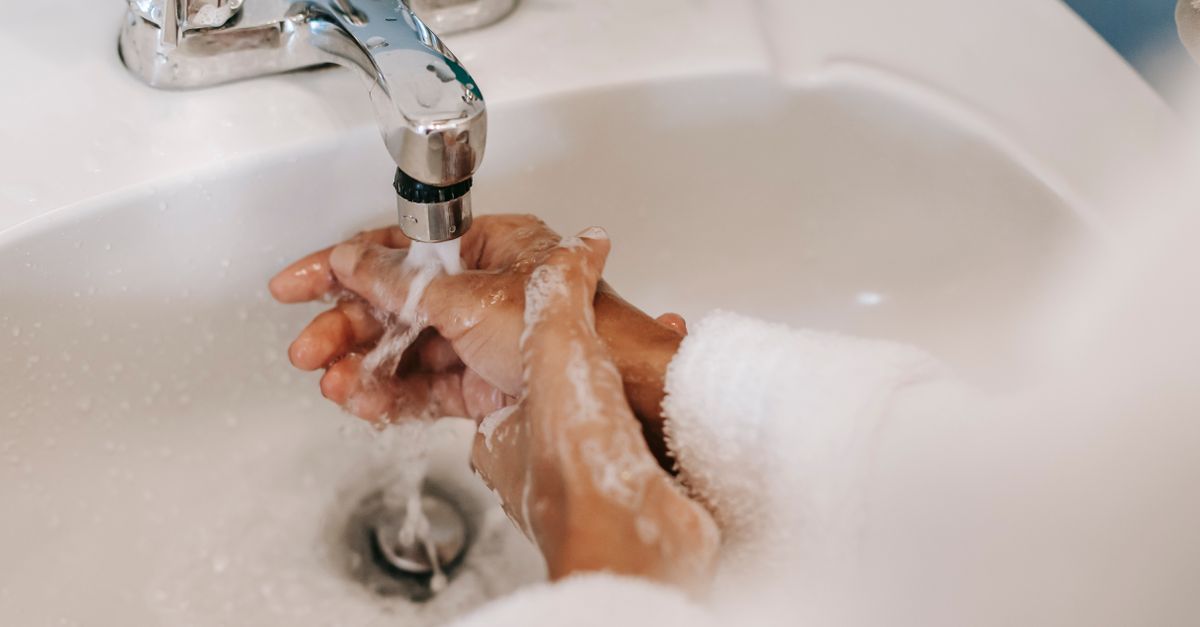
The correct application protocol requires dispensing an adequate volume of foam into the palms of wetted hands. The user must vigorously rub the lather across all surfaces of the hands for a minimum of twenty seconds, ensuring meticulous mechanical friction is applied to the interdigital spaces, the dorsal surfaces, and directly beneath the fingernails. Mechanical friction is a critically vital component of the sanitizing process.
Following application, the hands must be rinsed thoroughly under clean, running water to completely remove the destroyed microbes, dirt, and residual chemical surfactant. The hands should then be dried completely using a clean towel. Repeated applications throughout the day are safe and encouraged for public health, though frequency must be monitored to prevent severe skin dehydration.
4. In-Depth Side Effects Analysis of Foaming Antibacterial Hand Wash
Common Side Effects
The most universally encountered adverse reactions are highly localized and stem directly from the aggressive degreasing surfactant properties of the chemical. Patients frequently endure severe cutaneous dryness, a profound feeling of skin tightness, and mild epidermal scaling. These effects manifest because the wash indiscriminately strips the natural, protective lipid sebum layer from the stratum corneum alongside the targeted bacteria.
Serious Side Effects you should report
Prolonged, high-frequency utilization can aggressively escalate standard dryness into severe irritant contact dermatitis. Patients must seek dermatological advice if they develop deep, painful fissures, active bleeding from cracked skin on the knuckles, or a relentless, burning erythema that fails to resolve following the generous application of restorative emollient hand creams.
Rare Side Effects
True, immune-mediated allergic hypersensitivity to benzalkonium chloride, presenting as severe allergic contact dermatitis, is rare but clinically documented. In extremely rare instances, if the raw, undiluted chemical is left on the skin for massive durations without rinsing, it can paradoxically induce a severe localized chemical burn requiring formal wound care.
Side effects that usually do not require medical attention
A brief, exceptionally mild stinging sensation when the sanitizing foam is applied directly over a minor, superficial scratch or a freshly torn cuticle is an entirely expected physiological response to the antiseptic agent breaching the compromised skin, and requires absolutely no medical intervention.
| Side Effect Category | Specific Symptoms |
|---|---|
| Cutaneous Irritation | Severe skin dryness, profound tightness, mild epidermal scaling |
| Contact Dermatitis | Deep painful fissures, bleeding knuckles, burning erythema |
| Severe Dermatological | Widespread severe hives, allergic contact dermatitis |
| Ocular Toxicity | Severe eye stinging, reflex tearing if transferred to eyes |
5. Overdose Symptoms with Benzalkonium Chloride
A systemic toxic overdose resulting from the standard topical application of foaming hand wash on intact human skin is biologically impossible. The large molecular weight of the compound, combined with the fact that it is immediately rinsed off with water, strictly confines the chemical to the superficial stratum corneum, preventing significant systemic absorption into the bloodstream.
However, acute systemic toxicity constitutes a highly severe, potentially fatal medical emergency if the concentrated liquid from the soap dispenser is intentionally extracted and ingested orally, a specific severe risk for curious pediatric patients. Oral ingestion of quaternary ammonium compounds aggressively provokes severe gastrointestinal necrosis, violent vomiting of blood, severe hypotension, and catastrophic central nervous system depression.
If oral ingestion occurs, caregivers must contact emergency medical services or a local poison control center instantaneously. Inducing vomiting is strictly and absolutely contraindicated, as regurgitating the caustic chemical soap will cause severe, irreversible chemical burns to the esophagus and airway. Medical management relies on aggressive supportive care and massive intravenous fluid resuscitation.
6. Missed Dose & What to avoid while using Foaming Antibacterial Hand Wash
Because foaming antibacterial wash is utilized on a purely situational basis for immediate hygiene, the concept of a missed dose is not clinically applicable. If an individual neglects to wash their hands following a potential pathogenic exposure, they simply harbor a significantly elevated risk of contracting or physically transmitting dangerous pathogens until formal hand hygiene is performed.
While utilizing this chemical-based antiseptic soap, patients must fiercely avoid utilizing excessively scalding hot water. Very hot water drastically accelerates the removal of natural skin lipids and exponentially amplifies the harsh, drying effects of the chemical surfactant, virtually guaranteeing the rapid onset of severe, painful contact dermatitis and skin cracking.
Furthermore, individuals must avoid vigorously scrubbing the skin with harsh, abrasive brushes while using this product unless specifically directed by a physician. The combination of strong mechanical abrasion and chemical surfactants will physically destroy the stratum corneum, leaving the hands raw, highly painful, and ironically more susceptible to deep bacterial infections.
7. Drug & Alcohol Interactions with Benzalkonium Chloride Wash
Because the superficial topical application and rapid rinsing of benzalkonium chloride result in entirely negligible systemic absorption, it does not engage in any clinically significant pharmacological interactions with orally or intravenously administered medications. Patients managing highly complex chronic health conditions can safely utilize this soap for routine hand hygiene without fear of internal interactions.
There are absolutely no direct pharmacological interactions between topically applied benzalkonium chloride and the consumption of alcoholic beverages. The chemical pathway remains strictly localized to the exterior epidermal layer, completely independent of the hepatic pathways utilized to metabolize systemic alcohol.
When used in conjunction with other topical antimicrobial agents, extreme chemical caution is mandatory. Benzalkonium chloride is a cationic surfactant and is completely chemically incompatible with anionic surfactants, which are heavily found in certain other specialized skin cleansers. However, it is often formulated safely alongside other compatible cationic agents like chlorhexidine in specialized hospital preoperative scrubs to provide a synergistic antimicrobial effect.
8. Precautions, Safety & Duration of Action for Foaming Antibacterial Hand Wash
The duration of antimicrobial action for a wash-off product is strictly limited to the duration of the physical handwashing event. Once the lather and the destroyed microbes are rinsed completely down the drain, no significant residual bactericidal activity persists on the skin. Therefore, the hands can become instantly recontaminated the moment they touch a non-sterile surface, necessitating frequent reapplication.
To aggressively mitigate the severe cutaneous drying effects associated with frequent chemical exposure, dermatologists unequivocally recommend the highly liberal application of thick, lipid-rich emollients or restorative hand creams immediately after drying the hands. Actively restoring the damaged skin barrier prevents the formation of deep micro-fissures, which can paradoxically harbor dangerous pathogenic bacteria.
Special caution is intensely required in environments heavily populated by small children, such as daycare centers or primary schools. Dispensers must be positioned securely to prevent toddlers from accidentally pumping the concentrated chemical directly into their eyes or mouth, which can provoke severe localized oral burns and ocular trauma.
9. How to stop using Foaming Antibacterial Hand Wash & Storage/Disposal
Stopping the utilization of this specific chemical antibacterial wash requires absolutely no physiological tapering or special medical protocol. Patients can immediately transition to traditional, non-antibacterial mild soap and water at any given moment. If severe, painful contact dermatitis has developed, halting the use of the harsh chemical surfactant is the absolute first critical step in allowing the destroyed epidermal barrier to heal.
Proper storage of this product is required to maintain its foaming efficacy and chemical stability. The dispensers must be stored at controlled room temperature. Exposing the liquid to extreme freezing temperatures can cause the delicate surfactant emulsion to permanently separate, destroying the foaming mechanism and rendering the product highly concentrated and caustic.
Disposal of empty plastic dispensers and any remaining liquid must adhere strictly to local environmental safety guidelines. Small, household quantities of the soap can be safely washed down the drain with ample water, but large, industrial quantities must be processed properly to prevent severe foaming and ecological disruption in municipal wastewater treatment infrastructure.
10. When to see a doctor regarding Foaming Antibacterial Hand Wash
A patient must urgently consult a primary care physician or a board-certified dermatologist if the repeated use of the wash results in severe, intractable contact dermatitis. Symptoms warranting immediate medical care include deep, actively bleeding skin fissures, weeping clear purulent fluid from the knuckles, or severe, agonizing pain that actively impairs normal daily hand function.
Immediate, emergency medical attention is absolutely critical if any quantity of the concentrated liquid from the dispenser is ingested orally, particularly by a curious infant or child. Signs of acute chemical poisoning, such as violent vomiting, sudden severe lethargy, or extreme drooling indicative of severe esophageal irritation, demand the immediate dispatch of emergency medical services.
If the lather is accidentally rubbed aggressively into the eyes and causes severe, relentless burning, prolonged visual blurring, or intense, fiery redness that does not resolve completely after fifteen minutes of continuous, aggressive flushing with cool water, an urgent ophthalmology evaluation is unequivocally required to rule out severe chemical damage to the cornea.
Frequently Asked Questions FAQ
1. How exactly does this hand wash kill germs?
Benzalkonium chloride acts as a powerful chemical surfactant. It rapidly seeks out bacteria and aggressively tears apart their protective outer cell membranes, causing the germs to instantly rupture, die, and wash away.
2. Is it safe to use this soap on my face or body?
No. Formulations designed for the hands are typically much too harsh for the delicate skin of the face or body. Using it elsewhere will cause severe dryness, burning, and painful skin peeling.
3. Why do my hands get so incredibly dry and cracked when I use this daily?
The chemical surfactant indiscriminately strips away the natural, protective oils and essential lipids from your skin alongside the targeted bacteria, leading to severe moisture loss and eventual painful cracking.
4. Are these antibacterial washes more effective than normal soap and water?
For everyday community use, the FDA states there is no evidence that antibacterial soaps are any more effective at preventing illness than rigorous washing with plain soap and warm water.
5. Does this product kill viruses like the common cold or the stomach bug?
While effective against some enveloped viruses, benzalkonium chloride is notoriously ineffective against tough, non-enveloped viruses like norovirus, which causes the severe stomach bug.
6. What should I do if my child accidentally swallows a pump of this soap?
This is a medical emergency. Do not induce vomiting, as throwing up the soap will severely burn the child’s throat. Call a poison control center or emergency services immediately for exact guidance.
7. Can I refill the foaming dispenser with normal liquid soap?
No. Foaming dispensers require a very specific, watery, highly diluted liquid formulation. Putting thick, normal liquid soap into the pump will instantly clog and destroy the mechanical foaming mechanism.
Bibliography
Disclaimer: The content is for informational purposes only and does not replace medical advice. Always consult your doctor or pharmacist for personalized treatment.