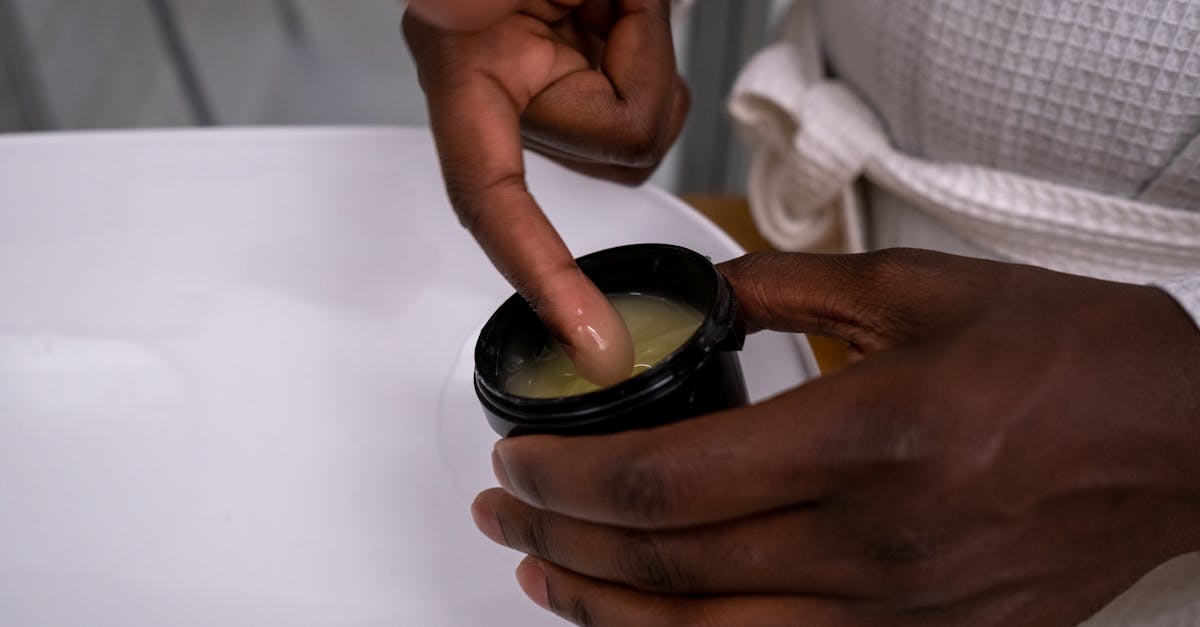
Human Science Muscle Pain Relief utilizes a combination of methyl salicylate and menthol to deliver targeted, temporary analgesia for localized muscular aches and joint pain. The most significant adverse effect involves the risk of severe chemical burns or systemic salicylate toxicity if the product is applied too heavily, enclosed tightly under thermal bandages, or combined with external heat sources.
1. Introduction & How Methyl Salicylate and Menthol Work in the Body
This topical analgesic functions through a well-documented neurological mechanism known as counterirritation. The two active ingredients work synergistically to overwhelm the local pain receptors, effectively distracting the central nervous system from the underlying muscular ache.
Menthol is a natural organic compound that acts as a potent agonist for the TRPM8 receptor, which is the primary cold-sensing receptor in the skin. When applied, menthol triggers a profound, localized cooling sensation. This rapid influx of sensory data travels up the spinal cord, competing with and diminishing the slower pain signals originating from the injured muscle beneath the skin.
Methyl salicylate, a derivative of salicylic acid, provides a secondary mechanism. Initially, it acts as a rubefacient, dilating the local cutaneous blood vessels to increase blood flow and create a sensation of warmth. Additionally, methyl salicylate penetrates the dermal layers and exhibits localized non-steroidal anti-inflammatory properties, inhibiting the cyclooxygenase enzyme to mildly reduce localized prostaglandin production and tissue inflammation.
2. Critical Warnings & Prerequisites Before Using This Topical Analgesic
Topical methyl salicylate carries stringent clinical warnings regarding improper application. The cream must never be applied to compromised epidermal barriers, including open wounds, severe abrasions, or active dermatological rashes. Applying this potent chemical to broken skin allows massive, unmetered quantities of salicylate to flood the systemic circulation, severely increasing the risk of toxicity.
Patients must strictly avoid placing heating pads, hot water bottles, or tight thermal wraps over the treated area. The application of external heat drastically dilates the cutaneous vascular bed, exponentially increasing the systemic absorption of methyl salicylate. This dangerous combination has resulted in documented cases of severe dermal necrosis and fatal systemic poisoning.
Individuals with a known hypersensitivity to aspirin or other non-steroidal anti-inflammatory drugs must approach this product with caution. While systemic absorption is low under normal conditions, the chemical structure of methyl salicylate is nearly identical to aspirin and can trigger severe asthmatic bronchospasm or anaphylaxis in highly sensitized patients.
3. Indications & Dosage Guidelines
Human Science Muscle Pain Relief is indicated for the temporary relief of minor aches and pains of muscles and joints associated with simple backache, arthritis, strains, bruises, and sprains.
The recommended application protocol involves gently rubbing a thin layer of the cream directly into the affected area. The user should massage the product until it is completely absorbed into the skin. This process may be repeated up to three or four times daily, depending on the recurrence of the localized pain.
Thorough hand hygiene is strictly required immediately following application. The user must wash their hands with soap and water to prevent accidental transfer of the strong counterirritants to sensitive mucosal tissues, particularly the eyes or the oral cavity.
4. In-Depth Side Effects Analysis
Adverse reactions are predominantly localized to the epidermis. However, improper use can rapidly elevate these localized reactions into severe systemic complications.
Common Side Effects
The expected pharmacological response involves an intense cooling sensation rapidly followed by a deep warming feeling. Mild, transient erythema at the application site is highly common and serves as visual confirmation of the localized vasodilation caused by the methyl salicylate.
Serious Side Effects You Should Report
Seek immediate emergency medical care if you experience profound blistering, severe burning pain, or the skin turns dark red or black at the application site. These are clear indicators of a severe chemical burn requiring immediate dermatological intervention. Furthermore, sudden ringing in the ears, profound dizziness, or rapid breathing signifies acute systemic salicylate toxicity.
Rare Side Effects
In rare instances, patients may develop allergic contact dermatitis in response to the menthol or the inactive botanical carrier agents. This presents as a raised, intensely pruritic rash that spreads slightly beyond the boundaries of the initial application. Systemic toxicity from proper, small-scale application remains exceedingly rare but has been observed in pediatric patients.
Side Effects That Usually Do not Require Medical Attention
A strong, lingering medicinal odor is an unavoidable characteristic of methyl salicylate and menthol. This scent will persist until the product is thoroughly washed off the skin and requires no medical attention.
| Side Effect Category | Specific Symptoms |
|---|---|
| Dermatological | Transient redness, deep warming sensation, strong odor |
| Toxicity related | Severe chemical burns, skin blistering (if misused) |
| Systemic (Rare/Misuse) | Tinnitus, dizziness, nausea (salicylate toxicity) |
5. Overdose Symptoms & Emergency Response
An overdose occurs when massive amounts of methyl salicylate are absorbed through the skin or if the cream is accidentally ingested. Salicylate toxicity is a profound metabolic emergency. The chemical uncouples oxidative phosphorylation, leading to severe metabolic acidosis and systemic hyperthermia.
Symptoms of a systemic overdose progress from persistent tinnitus and severe nausea to hyperventilation, confusion, and eventually seizures and coma. If accidental ingestion occurs, emergency medical services must be contacted immediately. Hospital management involves aggressive intravenous fluid resuscitation, sodium bicarbonate to alkalinize the urine and accelerate drug excretion, and continuous cardiovascular monitoring.
6. Missed Dose & What to Avoid While Using This Muscle Rub
This topical analgesic is utilized entirely on an as-needed basis for pain management. Therefore, there is no formal dosing schedule. Users simply apply the cream when the pain returns, ensuring they do not exceed four applications within a single twenty-four-hour period.
Patients must strictly avoid applying the cream immediately before or after a hot shower, sauna, or vigorous cardiovascular exercise. Elevated core body temperature and the resulting vasodilation will cause the skin to absorb the medication far too rapidly, increasing the risk of systemic side effects and causing an agonizing burning sensation on the skin surface.
7. What Drugs Interact With Human Science Muscle Pain Relief?
When used correctly in small amounts, significant pharmacokinetic interactions are rare. However, due to the salicylate content, cautious monitoring is required for patients on specific systemic therapies.
Patients taking oral anticoagulants, such as warfarin, must exercise extreme caution. If significant amounts of methyl salicylate are absorbed through frequent, widespread application, it can interact with the anticoagulant pathways, dangerously increasing the risk of severe subcutaneous bleeding or systemic hemorrhage. Combining this product with oral ibuprofen or other systemic non-steroidal anti-inflammatory drugs also requires careful consideration to prevent compounding gastrointestinal or renal stress.
8. Precautions, Safety & Duration of Action
The analgesic counterirritant effect begins within minutes of application and typically provides noticeable relief for up to two hours. The sensory distraction relies heavily on the continued evaporation of the menthol, meaning the area should remain uncovered to function optimally and safely.
Special precautions are mandatory for children. The skin of pediatric patients is significantly more permeable, placing them at a much higher risk for systemic salicylate poisoning. This product should generally be avoided in children under the age of twelve unless specifically directed by a pediatrician.
9. How to Stop Using This Muscle Rub & Proper Storage
Discontinuing the medication requires no tapering protocol. Simply cease application when the muscular pain resolves. If the skin feels irritated, gently wash the area with cool water and a mild, non-abrasive soap to remove any residual chemical.
Store the tube at controlled room temperature in a secure location completely inaccessible to children and pets. Methyl salicylate possesses a sweet, wintergreen odor that can be highly attractive to young children, and accidental ingestion of even a small amount can be rapidly fatal.
10. When to See a Doctor
Immediate medical consultation is required if the localized muscular pain persists for more than seven consecutive days, or if the pain abruptly worsens. This indicates a severe structural injury, such as a torn ligament or a deep joint pathology, which a topical counterirritant cannot heal. Consult a doctor immediately if any signs of a chemical burn or severe blistering appear on the treated skin.
11. Frequently Asked Questions
1. Why does my skin feel intensely cold and then hot after I apply this?
This is the intended medical effect. Menthol stimulates cold receptors in your skin, while methyl salicylate dilates blood vessels to create a feeling of warmth. This hot-cold sensation distracts your brain from the underlying muscle pain.
2. Can I wrap a tight bandage over my knee after applying the cream?
No. Covering the treated area with a tight bandage traps the chemicals against your skin, which can cause a severe chemical burn and increase the amount of medication absorbed into your bloodstream.
3. Is it safe to use a heating pad to make the cream work better?
Absolutely not. Applying external heat dilates your blood vessels, forcing massive amounts of the drug into your bloodstream. This combination has caused fatal overdoses and severe skin tissue damage.
4. Why must I wash my hands immediately after using it?
If you accidentally rub your eyes or touch your mouth with cream on your fingers, the potent chemicals will cause severe, agonizing pain and irritation to those sensitive tissues.
5. Can I use this cream for the arthritis pain in my hands?
Yes, it is effective for minor arthritis pain. However, if you apply it to your hands, you must wait at least thirty minutes before washing your hands to allow the medication to absorb, but be extremely careful not to touch your face during that time.
6. What should I do if my skin turns bright red and starts to blister?
You are likely experiencing a severe chemical burn. Wash the area immediately with cool, soapy water to remove the cream, and go to an urgent care clinic or emergency room for burn treatment.
7. Can I apply this cream before I go for a run?
It is not recommended. Exercise naturally heats up your body and opens your pores, which will cause the cream to absorb too quickly and create a painful, intense burning sensation instead of soothing relief.
12. Bibliography
Disclaimer: The content is for informational purposes only and does not replace medical advice. Always consult your doctor or pharmacist for personalized treatment.