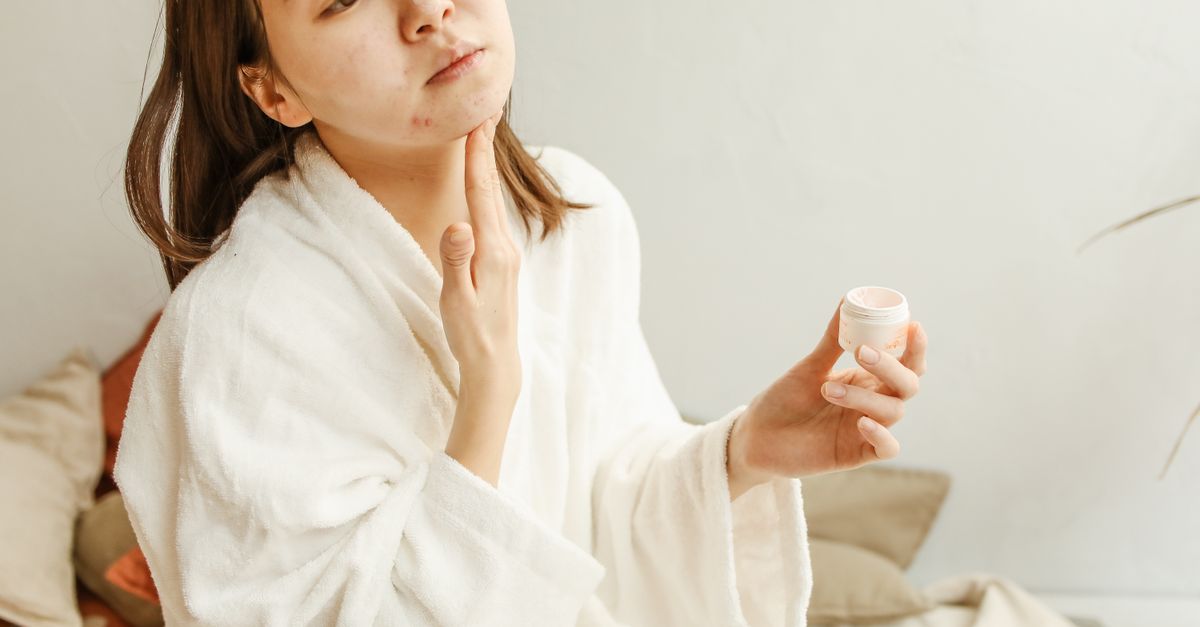
Peace Out Acne utilizes salicylic acid delivered via an occlusive hydrocolloid patch to provide targeted, localized keratolytic therapy for active acne lesions. The most frequent side effect is localized epidermal peeling, erythema, and transient dryness exactly at the application site.
1. Introduction and Mechanism of Action of Peace Out Acne
Salicylic acid serves as a fundamental keratolytic agent in dermatological pharmacology. Due to its highly lipophilic molecular structure, it easily penetrates the lipid-rich environment of the sebaceous follicle, acting directly inside the pore. The primary mechanism of action involves the targeted disruption of cellular desmosomes, which are the biological anchors holding keratinocytes together within the stratum corneum.
By loosening these structural bonds, salicylic acid promotes the rapid, controlled shedding of dead skin cells and actively dissolves the hardened sebum plugs that form comedones. The delivery system in this product utilizes a specialized hydrocolloid matrix.
The hydrocolloid acts as a highly absorbent, occlusive dressing. It draws out inflammatory exudate and purulent fluid from the active blemish. Simultaneously, this physical occlusion forces the active salicylic acid deeper into the follicle than a standard liquid serum would achieve, resulting in a highly concentrated, localized pharmacological strike against the acne lesion.
2. Important Warnings Before Taking Peace Out Acne
Patients with a known clinical hypersensitivity to aspirin or other salicylate derivatives must strictly avoid using this product. Although systemic absorption from a tiny localized patch is virtually impossible, highly sensitized individuals can experience a severe allergic contact dermatitis precisely at the application site.
These keratolytic patches must never be applied to deeply compromised epidermal barriers, severe sunburns, or open, weeping excoriations. Applying concentrated salicylic acid under tight occlusion to raw skin causes agonizing chemical irritation, significant tissue damage, and profoundly delays the natural healing process.
Special caution is required for patients suffering from deep, nodulocystic acne. These patches are designed for superficial papules and pustules. Applying them to deep cysts will not resolve the lesion, as the acid cannot penetrate deeply enough into the dermal layers, and the prolonged occlusion may worsen the underlying trapped infection.
3. Indications and Dosage Guide for Peace Out Acne
This specialized cosmetic product is clinically indicated for the targeted management of mild to moderate superficial acne vulgaris, specifically addressing active, inflamed papules and whitehead pustules. It serves to rapidly reduce lesion size, extract purulent fluid, and protect the blemish from external bacterial contamination.
Patients should apply a single patch directly over the targeted, clean, and completely dry blemish. The skin must be free of all other serums, moisturizers, or oils, as a wet or oily surface will prevent the hydrocolloid matrix from adhering securely to the stratum corneum and delivering the medication.
For optimal therapeutic results, the patch should be left in place for a minimum of six hours, commonly applied overnight. Upon removal, the area should be gently cleansed. Patients should not apply a new patch to the exact same lesion immediately, allowing the tissue time to recover from the aggressive chemical exfoliation.
4. In-Depth Side Effects Analysis of Peace Out Acne
Because the therapeutic action of salicylic acid inherently involves the controlled destruction of superficial skin cells under occlusion, mild localized adverse effects are highly anticipated.
Common Side Effects
The most prevalent reaction is notable epidermal dryness strictly confined to the exact diameter of the patch. Patients often report a transient stinging or tingling sensation immediately following application as the acid penetrates the pore. Mild erythema, presenting as a faint red halo around the treated blemish, is frequently observed due to the keratolytic action and the mechanical removal of the adhesive.
Serious Side Effects You Should Report
The development of profound, painful burning beneath the patch, severe skin blistering, or deep purulent ulcerations indicates severe chemical tissue damage or an underlying severe infection requiring immediate cessation of therapy. If a patient develops facial swelling or severe urticaria, they are experiencing an allergic response and must seek medical intervention.
Rare Side Effects
In exceedingly rare cases involving application over deeply broken skin, the localized concentration of acid under the hydrocolloid can result in a minor chemical burn, leading to localized post-inflammatory hyperpigmentation that persists for months after the lesion heals.
Side Effects That Usually Do Not Require Medical Attention
A temporary whitening and swelling of the patch itself is the intended physical mechanism of the hydrocolloid absorbing the wound exudate. This requires no medical intervention and visually confirms the product is working.
| Side Effect Category | Specific Symptoms |
|---|---|
| Keratolytic (Common) | Dryness, red halo, localized peeling |
| Dermatological (Serious) | Blistering beneath patch, severe burning pain |
| Cosmetic (Expected) | Swelling of the patch, white exudate absorption |
5. Recognizing an Overdose of Peace Out Acne
A systemic overdose of salicylic acid resulting in clinical toxicity is physiologically impossible via the application of these tiny cosmetic patches. The total volume of the active ingredient contained within a single patch is negligible and cannot reach the systemic circulation in toxic quantities.
However, a localized topical overdose manifests as severe chemical trauma to the skin barrier. Over-application, such as leaving a single patch on for twenty-four hours or placing multiple consecutive patches on the same lesion without a break, results in intense erythema, profound desquamation, and a localized chemical burn.
If this localized trauma occurs, the patient must immediately remove the patch, wash the area with cold water, apply a thick, soothing emollient, and cease all active skincare treatments on that specific area until the skin barrier recovers completely.
6. Missed Dose and What to Avoid While Using Peace Out Acne
Because this product is utilized strictly as a targeted spot treatment for acute blemishes, a missed dose simply stalls the keratolytic process temporarily. Patients should apply a patch the following evening if the lesion remains active.
Patients must strictly avoid the concurrent use of harsh physical exfoliants, such as abrasive scrubs, directly over the treated area immediately after removing the patch. The stratum corneum is highly fragile following occlusive keratolytic therapy. Combining physical trauma with chemical exfoliation completely destroys the protective barrier, leading to raw, weeping skin.
Furthermore, avoid applying strong astringent toners containing high concentrations of denatured alcohol over the treated spot. The alcohol profoundly exacerbates the drying effects of the salicylic acid and compromises the lipid barrier, leading to a dark, hyperpigmented scar as the tissue attempts to heal.
7. Drug and Alcohol Interactions with Peace Out Acne
Systemic drug interactions are entirely non-existent given the minute localized application of the beta-hydroxy acid. The consumption of alcohol does not interfere with the clinical efficacy of this targeted treatment in any capacity.
Topical interactions are highly significant and require strict management. Concurrent use of these salicylic acid patches directly over skin that has just been treated with benzoyl peroxide or a prescription topical retinoid will result in a severe, synergistic chemical burn. The occlusive nature of the patch forces the other aggressive chemicals deep into the skin, multiplying their irritating effects.
If a patient utilizes an all-over facial retinoid at night, they must create a wide buffer zone around the targeted blemish, ensuring absolutely no retinoid touches the skin beneath the hydrocolloid patch.
8. Precautions, Safety, and Duration of Action for Peace Out Acne
The chemical exfoliation process begins immediately upon application, but visible reductions in the purulent blemish typically require six to eight hours of continuous occlusive contact. The medication requires this sustained contact time to properly dissolve the keratin plug and absorb the underlying fluid.
Safety during pregnancy is generally accepted for this highly localized spot treatment. The total surface area treated is incredibly small, rendering the risk of systemic salicylate absorption clinically insignificant. Pregnant patients should consult their physician prior to regular use as a standard precaution.
Pediatric use in young adolescents is highly common and generally safe, provided they are educated on proper application and removal. Aggressively ripping the strongly adhesive patch off the face can cause mechanical epidermal stripping on young, delicate skin.
9. How to Stop Taking Peace Out Acne and Storage Guidelines
Discontinuing the use of the patches requires no physiological tapering. Patients simply remove the patch and discard it once the targeted blemish flattens and ceases to be actively inflamed.
The unused patches must be stored securely within their original sealed pouch at room temperature. Exposure to high humidity or leaving the pouch unsealed will cause the hydrocolloid matrix to prematurely absorb moisture from the air, ruining its adhesive properties and rendering the patches entirely useless.
Proper disposal includes placing the used patches in standard household waste. Ensure the remaining product is kept strictly out of reach of young children and domestic animals to prevent accidental ingestion and potential choking hazards.
10. When to See a Doctor Regarding Peace Out Acne
Patients should seek a dermatological consultation if their acne consistently manifests as deep, painful, cystic nodules that do not respond to superficial patch treatments. A physician will need to prescribe oral antibiotics or hormonal therapies to manage this deeper pathology.
Immediate clinical evaluation is required if the patient develops signs of a severe secondary skin infection at the patch site. Symptoms such as radiating red streaks, significantly increased localized heat, or deep, throbbing pain indicate a severe staphylococcal infection requiring prescription medical intervention.
If a patient experiences severe, spreading hives or facial swelling immediately after applying the patch, they must remove it instantly and seek emergency medical care to manage a severe allergic reaction.
Frequently Asked Questions (FAQ)
1. Why is the skin around my pimple red and peeling after I take the patch off?
This is the keratolytic effect of the salicylic acid. It purposefully dries out and dissolves skin cells to clear the pore. The redness should fade within a few hours if you apply a gentle moisturizer.
2. Can I put my prescription acne cream on the pimple and then put the patch over it?
Absolutely not. The patch forms a tight seal. Trapping a strong prescription cream under that seal will force it too deep into your skin, causing a severe, painful chemical burn.
3. How long should I leave the patch on my face?
For optimal results, leave the patch undisturbed for six to eight hours, usually overnight. Leaving it on significantly longer can cause severe skin irritation.
4. Is it safe to use these patches if I am allergic to aspirin?
You should avoid them. Salicylic acid is chemically related to aspirin, and you possess a high risk of experiencing a localized allergic reaction where the patch is applied.
5. Why did the patch turn white and puffy?
The patch is made of hydrocolloid, which is designed to absorb moisture and pus. When it turns white and swells, it means it is successfully drawing the fluid out of your pimple.
6. Can I use these patches on deep, painful cysts that have no whitehead?
They are generally ineffective on deep cystic acne. The acid cannot penetrate deep enough into the dermis to reach the cyst, and the patch may just irritate the surface of the skin.
7. What should I do if the patch gets stuck and hurts to peel off?
Never rip it off aggressively. Wet the patch thoroughly with warm water to loosen the hydrocolloid adhesive, then gently roll it off the skin to prevent tearing your epidermis.
Bibliography
Disclaimer: The content is for informational purposes only and does not replace medical advice. Always consult your doctor or pharmacist for personalized treatment.