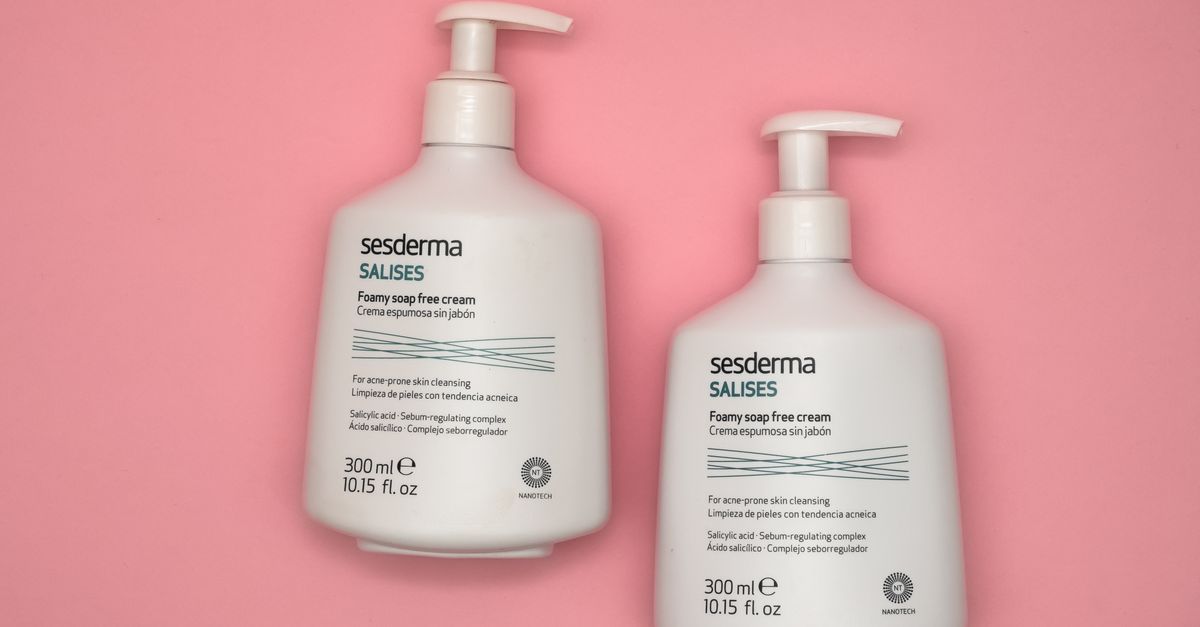
Leahue Madhuca is a topical keratolytic treatment formulated with salicylic acid to actively manage acne vulgaris and severe follicular congestion. The primary adverse reaction encountered during therapy is superficial epidermal dryness, accompanied by mild, localized flaking and transient erythema at the application site.
1. How Leahue Madhuca Works in the Body
Salicylic acid operates as a highly effective beta-hydroxy acid, distinguished by its unique lipophilic nature. When Leahue Madhuca is applied to the skin, these fat-soluble molecules easily bypass the watery surface of the epidermis and plunge directly into the lipid-dense environment of the sebaceous glands and hair follicles.
Within the pore, salicylic acid exerts a profound keratolytic and comedolytic effect. It actively targets and dissolves the intracellular cement that binds dead keratinocytes together. In patients suffering from acne, these dead cells accumulate rapidly and mix with excessive sebum to form rigid blockages known as comedones. By chemically dismantling these blockages, the acid forces the pore to expel the trapped debris, effectively clearing existing blackheads and actively preventing the formation of new microcomedones.
Additionally, salicylic acid provides a secondary therapeutic benefit through its inherent anti-inflammatory properties. Because it shares a chemical lineage with aspirin, it actively soothes the localized redness, swelling, and pain associated with inflamed papules and pustules. This dual action clears the physical blockage while simultaneously calming the surrounding immune response.
2. Critical Warnings Before Using Leahue Madhuca
Patients harboring a known hypersensitivity to salicylates or aspirin must exercise extreme caution or completely avoid the use of this product. While systemic absorption is incredibly low from topical applications, patients with severe, anaphylactic aspirin allergies can experience localized hives, intense pruritus, or facial swelling.
This chemical exfoliant is intended strictly for external dermal application. Extreme care must be taken to prevent the medication from contacting the delicate periorbital tissue, the mucosal lining of the lips, or the inside of the nares. Accidental introduction into the eyes will cause severe chemical stinging, tearing, and potential damage to the corneal epithelium, mandating immediate and prolonged flushing with cool water.
Patients utilizing concurrent topical therapies, specifically those containing benzoyl peroxide or harsh astringents, must exercise immense clinical restraint. Applying multiple drying agents simultaneously will systematically destroy the epidermal lipid barrier, leading to excruciating burning, severe peeling, and profound contact dermatitis.
3. Indications and Proper Dosage for Leahue Madhuca
Leahue Madhuca is clinically indicated for the daily management and continuous prevention of mild to moderate acne vulgaris, with a primary focus on clearing open and closed comedones. It is also utilized to improve overall skin texture by accelerating cellular turnover and preventing the buildup of keratin.
Proper dosage requires applying a thin, even layer of the product to freshly cleansed, completely dry skin. Applying the acid to damp skin heavily accelerates its penetration, drastically increasing the risk of severe chemical irritation. The product should be smoothed over the affected areas of the face, strictly avoiding the eyes and mouth.
For patients new to beta-hydroxy acids, therapy should initiate with a single application every other evening to assess baseline skin tolerance. If the skin responds without severe erythema or unbearable tightness, the frequency can be cautiously escalated to once daily. Applying the medication multiple times a day is generally unnecessary and radically increases the risk of barrier impairment.
4. In-Depth Side Effects Analysis of Leahue Madhuca
Because salicylic acid chemically forces the shedding of the stratum corneum, superficial side effects are expected and incredibly common, while systemic toxicity remains extremely rare under standard usage protocols.
| Side Effect Category | Specific Symptoms |
|---|---|
| Dermatological | Dryness, peeling, scaling, localized erythema |
| Sensory | Mild stinging, temporary burning, skin tightness |
| Hypersensitivity | Contact dermatitis, localized hives, facial edema |
Common Side Effects
Almost all patients will experience mild to moderate epidermal dehydration during the first two weeks of therapy. The skin will frequently feel tight, and visible flaking around the chin and nasolabial folds is a standard physiological response to the keratolytic action. A mild, transient stinging sensation lasting a few seconds immediately after application is completely normal.
Serious Side Effects You Should Report
If the patient develops severe redness, unyielding burning pain, or widespread edema that extends beyond the treated area, the medication must be discontinued immediately. Blistering, crusting, or oozing skin indicates a severe chemical burn or an acute allergic contact dermatitis that requires immediate medical evaluation and potential corticosteroid intervention.
Rare Side Effects
Post-inflammatory hyperpigmentation is a rare side effect that primarily affects individuals with darker Fitzpatrick skin types. This occurs when the severe inflammatory response to the acid triggers excess melanin production, leaving dark patches on the skin. True systemic salicylate toxicity is exceptionally rare from facial application.
Side Effects That Usually Do Not Require Medical Attention
Mild redness that fades within twenty minutes of application and general skin tightness are expected and usually do not require a doctor’s visit. These symptoms represent the retinization-like adjustment period of the skin and typically resolve after the third week of consistent, daily use.
5. Symptoms of Salicylic Acid Overdose and Necessary Actions
Topical overdose occurs when the patient applies the product too frequently or applies an excessively thick layer. This results in profound chemical irritation, presenting as angry, bright red skin, severe pain upon touch, and extensive, painful desquamation. In the event of a topical overexposure, the patient must immediately wash the face with lukewarm water and a gentle cleanser, followed by a thick layer of a bland, heavy emollient to repair the damaged barrier.
Accidental ingestion of the product is a serious toxicological concern. Swallowing the acid will cause severe gastrointestinal mucosal irritation, presenting as intense nausea, vomiting, and abdominal pain. Massive ingestion can lead to systemic salicylism, characterized by ringing in the ears, severe confusion, and hyperventilation. The patient should drink copious amounts of water to dilute the chemical, and emergency poison control must be contacted immediately. Vomiting should not be induced.
6. Managing a Missed Dose of Leahue Madhuca and What to Avoid
If a daily application is missed, the patient should simply skip that dose entirely and resume the normal schedule the following evening. Applying a double layer of the product to compensate for a missed dose is strictly prohibited, as the sudden spike in acid concentration will invariably lead to a severe chemical burn on the epidermis.
While using this keratolytic medication, patients must aggressively avoid physical exfoliants. Utilizing harsh scrubs, motorized cleansing brushes, or abrasive washcloths will severely traumatize the acid-treated skin. Furthermore, patients must actively avoid applying the product immediately after shaving or waxing, as the compromised skin will absorb the acid rapidly, causing agonizing stinging and massive inflammation.
7. What Drugs Interact with Leahue Madhuca?
Systemic drug interactions are highly unlikely due to the minimal percutaneous absorption of the facial treatment. The clinical focus remains entirely on topical interactions and correct skincare sequencing.
Concurrent use of Leahue Madhuca with prescription topical retinoids, such as tretinoin or adapalene, requires careful scheduling. Applying salicylic acid and a retinoid at the exact same time will not only cause intolerable peeling but can also destabilize the retinoid molecule, rendering it useless. The standard dermatological protocol is to apply the salicylic acid in the morning and the retinoid exclusively at night.
Combining the product with astringents containing high concentrations of denatured alcohol will result in cumulative epidermal toxicity, completely destroying the lipid barrier and causing extreme discomfort and intense redness.
8. Safety Precautions and Duration of Action for Leahue Madhuca
A mandatory safety precaution involves conducting a localized patch test prior to full facial application. The patient should apply a small swipe of the product to the inner jawline for three consecutive days to observe for latent hypersensitivity or severe irritation. Because the acid actively thins the stratum corneum, patients must rigorously apply a broad-spectrum sunscreen every morning to prevent severe phototoxicity.
The keratolytic action of salicylic acid begins immediately upon skin contact and absorption into the pore. However, the visible clinical duration of action for resolving stubborn comedones takes considerably longer. Patients must be educated that it typically takes four to six weeks of continuous, daily therapy to observe a significant reduction in blackheads and overall skin congestion.
9. Discontinuing and Storing Leahue Madhuca Safely
Discontinuing the treatment abruptly is physically safe, but it often leads to a rapid relapse of follicular congestion and subsequent acne breakouts as dead skin cells begin to accumulate and clog the pores once again. Maintenance therapy, perhaps reduced to two or three times a week, is usually required to keep the pores clear long-term.
The product must be stored at room temperature, strictly avoiding excessive heat or direct sunlight, which can rapidly degrade the active acid formulation. The container must be kept tightly capped to prevent oxidation and contamination. Keep the product entirely out of reach of young children.
10. When to Seek Medical Attention for Salicylic Acid Side Effects
Medical attention is mandatory if the patient exhibits any signs of severe allergic contact dermatitis, including weeping blisters, intense swelling of the eyelids or lips, or intractable pruritus spreading beyond the face.
A clinical consultation is also necessary if the acne shows absolutely no sign of improvement after eight weeks of strict adherence to the regimen. At this juncture, a dermatologist may need to evaluate the patient for prescription topical antibiotics or systemic hormonal therapy to address a more complex, cystic acne pathology that superficial acids cannot resolve.
Frequently Asked Questions (FAQ)
1. Why is my skin flaking so much around my nose and chin?
Salicylic acid chemically forces dead skin cells to shed rapidly. Flaking is a normal sign that the medication is working, but you should apply a heavier moisturizer to manage the severe dryness.
2. Can I use this product if I am allergic to aspirin?
You should consult your doctor first. Salicylic acid is chemically related to aspirin, and people with severe aspirin allergies can sometimes have allergic reactions to the topical acid.
3. Is it normal for the product to sting when I apply it?
A mild tingling or brief stinging sensation lasting a few seconds is completely normal. If it burns intensely and your skin turns bright red, wash it off immediately with cold water.
4. Can I use this on my chest and back breakouts?
Yes, the formulation is highly effective for treating truncal acne on the chest and back, where the skin is actually thicker and often tolerates the acid better than the delicate skin of the face.
5. Will this product make me more sensitive to the sun?
Yes, by removing the top layer of dead skin cells, your skin becomes much more vulnerable to ultraviolet damage. You must wear sunscreen daily while using this product.
6. Can I put this on an open, popped pimple?
No, you should never apply concentrated acids directly to an open wound or a popped pimple. It will cause severe, agonizing stinging and can delay the natural healing process.
7. How long will it take for my blackheads to disappear?
It typically requires four to six weeks of daily, consistent use for the acid to deeply penetrate the pores and completely dissolve stubborn blackheads.
Bibliography
Disclaimer: The content is for informational purposes only and does not replace medical advice. Always consult your doctor or pharmacist for personalized treatment.