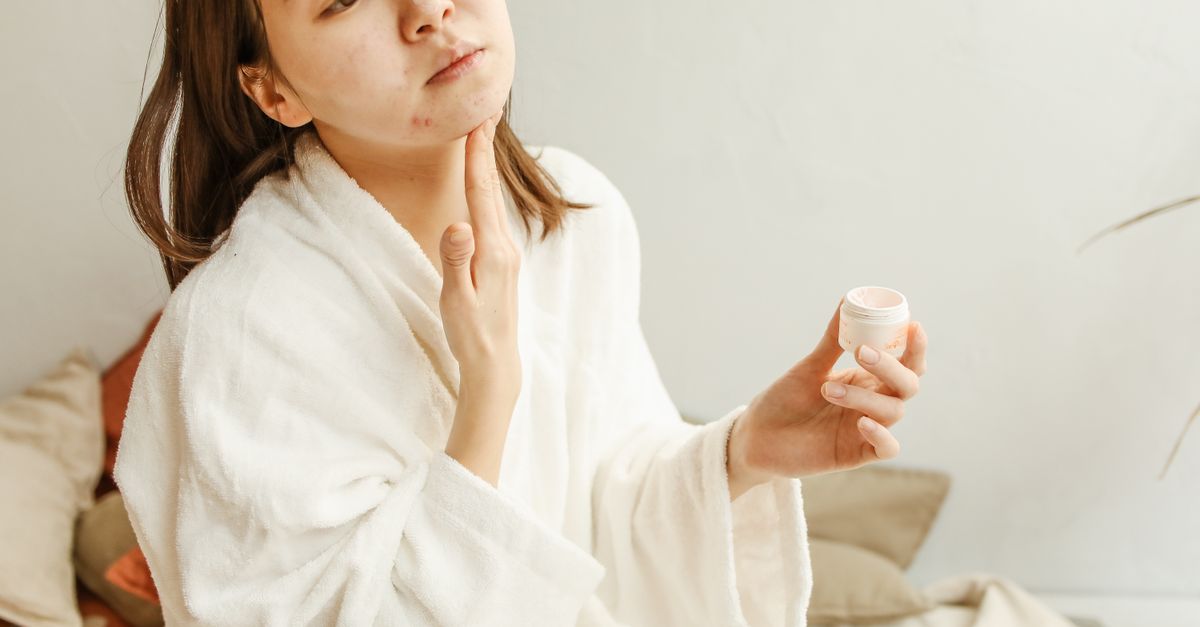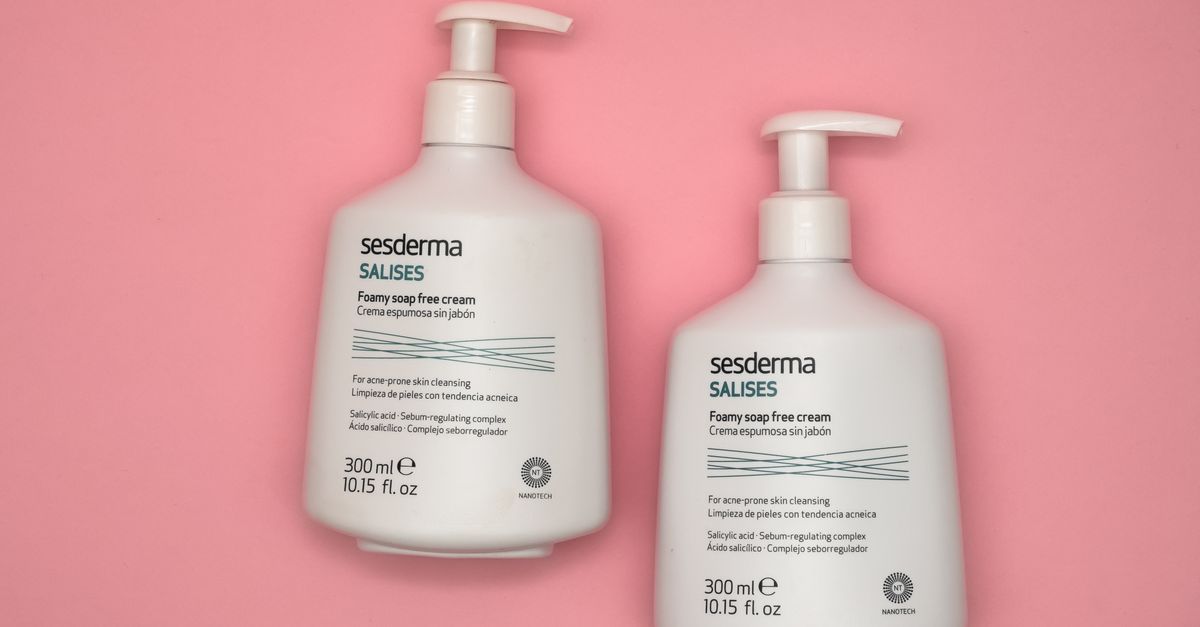
The Peace Out Acne Serum utilizes a concentrated dose of salicylic acid to provide aggressive, targeted keratolytic therapy for active acne vulgaris. The most prominent side effect is marked epidermal desquamation, localized erythema, and barrier compromise resulting from the potent chemical exfoliation.
1. Introduction and Mechanism of Action of Peace Out Acne Serum
Salicylic acid serves as a fundamental keratolytic agent in dermatological pharmacology. Its highly lipophilic molecular structure allows it to easily bypass the superficial water barrier of the skin and penetrate directly into the lipid-rich environment of the sebaceous follicle. The primary mechanism of action involves the targeted disruption of cellular desmosomes, which are the anchors holding keratinocytes together within the stratum corneum.
By rapidly loosening these structural bonds, salicylic acid promotes the rapid, controlled shedding of dead skin cells and actively dissolves the hardened sebum plugs that form comedones. A serum formulation provides a highly concentrated, lightweight vehicle that maximizes the bioavailability of the active ingredient.
Because serums lack the heavy occlusive emollients found in creams, the salicylic acid absorbs rapidly and deeply into the follicle. This ensures a potent pharmacological strike against the developing acne lesion, while simultaneously providing mild, localized anti-inflammatory effects by inhibiting local prostaglandin synthesis.
2. Important Warnings Before Taking Peace Out Acne Serum
Patients with a known clinical hypersensitivity to aspirin or other salicylate derivatives must strictly avoid using this concentrated serum. Systemic absorption from an all-over facial application can occur, and highly sensitized individuals can experience a severe allergic contact dermatitis or systemic allergic cascades.
This highly active keratolytic serum must never be applied to deeply compromised epidermal barriers, severe sunburns, or open, weeping excoriations. Applying concentrated salicylic acid directly to raw skin causes notable chemical irritation, significant tissue damage, and profoundly delays the natural healing process.
Special caution is required for patients utilizing this product over extremely large areas of the body, such as the entire back or chest. Widespread application of concentrated salicylic acid over prolonged periods can lead to excessive transdermal absorption and the development of systemic salicylate toxicity.
3. Indications and Dosage Guide for Peace Out Acne Serum
This specialized dermatological serum is clinically indicated for the daily management of mild to moderate acne vulgaris, specifically addressing hyperkeratinization, comedonal congestion, and active inflammatory papules. It serves to rapidly exfoliate the pore lining and reduce lesion severity.
Patients should apply one to two drops of the serum to the entire facial area, or use it strictly as a spot treatment on active lesions, once daily following gentle cleansing. The skin must be entirely dry prior to application, as residual moisture can alter the acid mantle pH and diminish the lipophilic penetration of the active ingredient.
To mitigate the high risk of initial severe dryness, dermatologists frequently recommend initiating therapy on an every-other-day schedule. As the epidermal barrier thickens and adapts to the chemical exfoliation over several weeks, application can be safely increased to a daily regimen.
4. In-Depth Side Effects Analysis of Peace Out Acne Serum
Because the therapeutic action of this concentrated serum involves the aggressive, controlled destruction of superficial skin cells, notable localized adverse effects are highly anticipated during early therapy.
Common Side Effects
The most prevalent reaction is marked epidermal dryness accompanied by moderate to severe flaking of the skin. Patients routinely report a transient stinging or burning sensation immediately following application as the concentrated acid penetrates the skin. Mild to moderate erythema is frequently observed as the acid actively dissolves the keratin layer and increases superficial blood flow.
Serious Side Effects You Should Report
The development of profound burning, severe skin blistering, or deep purulent ulcerations indicates severe chemical tissue damage and requires immediate cessation of therapy. If a patient develops facial swelling, severe urticaria, or difficulty breathing, they are experiencing a systemic allergic response and must seek emergency medical intervention.
Rare Side Effects
In rare cases involving massive over-application or systemic absorption across broken skin on large body areas, patients may experience symptoms of mild salicylism. This is characterized by tinnitus, dizziness, and nausea. While uncommon with standard facial serums, it remains a toxicological risk.
Side Effects That Usually Do Not Require Medical Attention
A temporary, paradoxical increase in acne breakouts during the first two to four weeks of therapy is a common phenomenon known as skin purging. This occurs as the aggressive keratolytic action rapidly brings hidden microcomedones to the skin surface and generally subsides without medical intervention.
| Side Effect Category | Specific Symptoms |
|---|---|
| Keratolytic (Common) | Severe dryness, moderate peeling, localized burning |
| Dermatological (Serious) | Blistering, severe burning pain, ulceration |
| Systemic (Rare) | Tinnitus, dizziness due to high absorption |
5. Recognizing an Overdose of Peace Out Acne Serum
A localized topical overdose manifests as severe chemical trauma to the skin barrier. Over-application results in intense erythema resembling a severe burn, profound desquamation, and agonizing pain upon touching the face. If this occurs, the patient must immediately wash the area with cold water, apply a thick neutral emollient, and cease all active skincare treatments.
Systemic salicylate toxicity via topical application of a facial serum is highly improbable but clinically possible if vast amounts are applied frequently to broken skin across the entire body. Symptoms of systemic toxicity include rapid breathing, confusion, and persistent ringing in the ears.
Accidental oral ingestion of the concentrated serum can cause significant gastrointestinal distress and mucosal irritation. If ingestion occurs, caregivers must contact a poison control center immediately. Medical professionals will monitor the patient and provide supportive hydration therapy.
6. Missed Dose and What to Avoid While Using Peace Out Acne Serum
As this product is utilized for continuous chemical exfoliation, a missed dose simply stalls the keratolytic process temporarily. Patients should apply the serum at their next scheduled routine. They must never apply a double layer to compensate, as this dramatically increases the risk of severe chemical burns.
Patients must strictly avoid the concurrent use of harsh physical exfoliants, such as abrasive scrubs or motorized cleansing brushes. Combining physical trauma with concentrated chemical exfoliation completely destroys the protective stratum corneum, leading to raw, inflamed, and weeping skin.
Furthermore, avoid applying astringent toners that contain high concentrations of denatured alcohol prior to this serum. The alcohol profoundly exacerbates the drying effects of the concentrated salicylic acid and compromises the lipid barrier, leading to paradoxical overproduction of sebum and worsened acne.
7. Drug and Alcohol Interactions with Peace Out Acne Serum
Systemic drug interactions are rare given the low vascular absorption profile of topical beta-hydroxy acids. The consumption of alcohol does not interfere with the clinical efficacy of the localized treatment.
Topical interactions are highly significant and require strict management. Concurrent use of this concentrated salicylic acid serum with benzoyl peroxide or topical retinoids results in severe, synergistic skin irritation. If multiple active agents are prescribed, dermatologists typically direct patients to use them on alternating days or at completely different times of the day.
Patients utilizing topical medicated soaps or sulfur-based acne washes must use them with extreme caution. The cumulative drying effect of multiple keratolytic agents applied sequentially will rapidly lead to severe irritant contact dermatitis.
8. Precautions, Safety, and Duration of Action for Peace Out Acne Serum
The chemical exfoliation process begins immediately upon application, but visible reductions in comedonal acne typically require four to six weeks of consistent use. The medication requires ongoing application to maintain clear follicles.
Safety during pregnancy is a critical topic. While low concentrations of topical salicylic acid are generally considered safe for highly localized spot treatment, widespread daily facial application of concentrated serums is often discouraged by obstetricians due to theoretical risks of systemic salicylate absorption. Pregnant patients should consult their physician prior to use.
Pediatric use requires specific vigilance. Children and young adolescents possess thinner epidermal barriers, increasing the risk of both severe localized irritation and systemic absorption. Use in prepubescent demographics should strictly follow the guidance of a pediatrician.
9. How to Stop Taking Peace Out Acne Serum and Storage Guidelines
Discontinuing the serum requires no specific physiological tapering. However, patients should expect a gradual return of cellular cohesion within the follicle, which often leads to a rapid relapse of comedonal acne within several weeks of stopping the keratolytic therapy.
The product must be stored at a stable room temperature, away from intense heat and direct sunlight. Excessive heat can destabilize the acid compound, rendering it cosmetically and pharmacologically ineffective. Ensure the dropper bottle is tightly sealed to prevent the evaporation of the liquid base.
Proper disposal includes placing the sealed container in standard household waste. Patients should ensure the product is kept entirely out of reach of young children and domestic animals.
10. When to See a Doctor Regarding Peace Out Acne Serum
Patients should seek a dermatological consultation if their acne worsens significantly or fails to show clinical improvement after eight weeks of consistent use. A physician may need to prescribe oral antibiotics or highly potent topical therapies to manage the underlying pathology.
Immediate clinical evaluation is required if the patient develops signs of a secondary skin infection. Symptoms such as radiating erythema, increased localized heat, or purulent yellow discharge indicate that the chemically compromised skin barrier has allowed a severe bacterial infiltration.
If a patient experiences sudden, unexplainable ringing in the ears or severe dizziness while utilizing this product over a large body surface area, they must cease application immediately and seek emergency medical care to rule out acute salicylate toxicity.
Frequently Asked Questions (FAQ)
1. Why does my skin look significantly worse after a few weeks of using this serum?
This is a known process called skin purging. The concentrated acid rapidly brings hidden clogs to the surface. It is a temporary phase that typically clears up after a few weeks of consistent use.
2. Can I use a retinoid cream at night if I use this serum in the morning?
You should only do this if explicitly directed by a dermatologist. Using both powerful exfoliants in the same day usually causes severe peeling and painful redness.
3. Is it safe to apply this serum near my eyes?
No. The skin around your eyes is exceptionally thin, and concentrated salicylic acid will cause severe irritation, burning, and potential damage to the delicate ocular tissues.
4. Will this product make me more sensitive to the sun?
Yes. By removing the top layer of dead skin cells, your fresh skin is highly vulnerable to ultraviolet rays. You must apply a broad-spectrum sunscreen over this serum daily.
5. I am allergic to aspirin, can I use this serum?
You should avoid it. Salicylic acid is chemically related to aspirin, and you are at a high risk of experiencing a severe allergic reaction on your skin.
6. Do I need to use a moisturizer after applying this serum?
Yes, absolutely. Because this is a concentrated exfoliating serum, it will severely dry out your skin. You must apply a gentle, hydrating moisturizer over it once it absorbs.
7. What should I do if my skin starts peeling aggressively and hurting?
Stop using the serum immediately for several days. Apply a thick, non-medicated moisturizer to repair your skin barrier, and resume use only once or twice a week once healed.
Bibliography
Disclaimer: The content is for informational purposes only and does not replace medical advice. Always consult your doctor or pharmacist for personalized treatment.