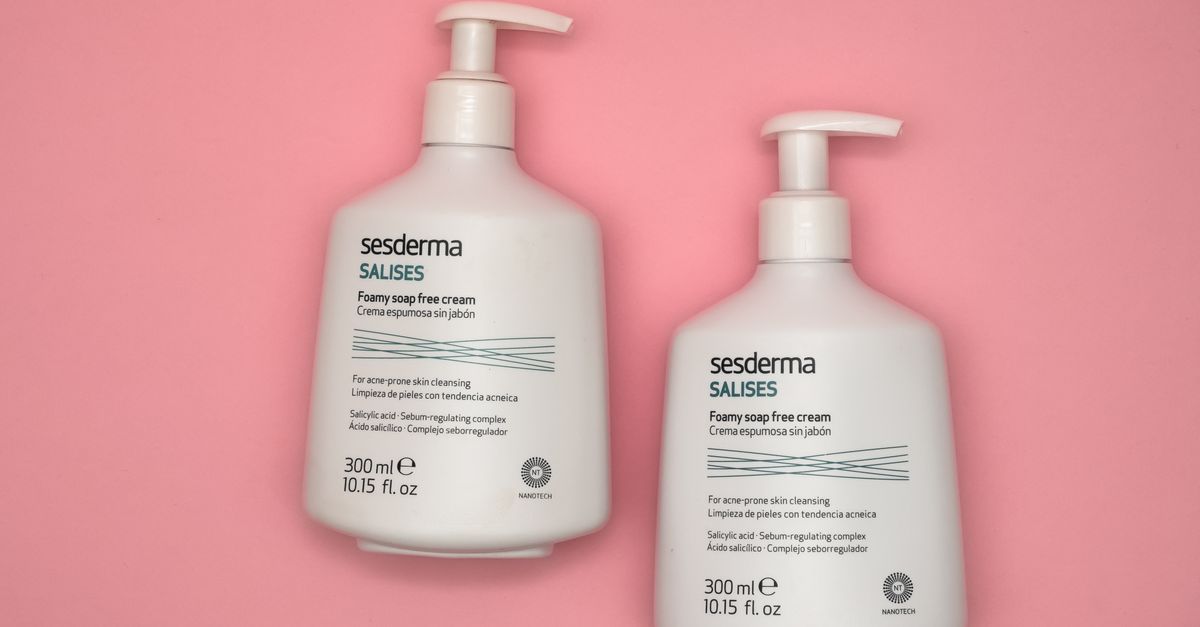
1. Introduction and Mechanism of Action of Amazon Basics Acne Wash
Amazon Basics Acne Wash is a potent, medicated topical cleanser utilizing salicylic acid to actively manage and prevent acne breakouts, with its most notable side effect being localized epidermal dryness and mild peeling. Salicylic acid operates as a highly effective beta-hydroxy acid (BHA), uniquely distinguished by its lipophilic, or oil-soluble, nature, which allows it to penetrate deeply into sebum-filled follicles.
The primary pharmacological mechanism of action for salicylic acid is its aggressive keratolytic effect. It functions by physically dissolving the intercellular desmosomes—the critical structural proteins that bind dead skin cells together within the stratum corneum. By chemically severing these bonds, salicylic acid effectively exfoliates the epidermal surface and actively clears cellular debris from deep within the pore. This action directly targets the physical pathogenesis of open comedones (blackheads) and closed comedones (whiteheads).
In addition to clearing impacted pores, salicylic acid possesses mild, localized anti-inflammatory properties, closely related biochemically to aspirin. This allows the active compound to significantly reduce the severe erythema and painful swelling associated with minor inflammatory acne lesions while simultaneously preventing new follicular impactions during the daily cleansing routine.
2. Important Warnings Before Using Salicylic Acid Acne Wash
Before incorporating this powerful chemical exfoliating wash into a daily routine, patients must rigorously evaluate their skin barrier health. Individuals with highly sensitive skin, active rosacea, or severe active eczema should exercise extreme clinical caution. The potent chemical exfoliation can severely compromise an already fragile epidermal barrier, leading to intense inflammation, severe burning, and acute contact dermatitis.
Patients with a documented systemic allergy to salicylates, including standard oral aspirin, should consult a physician prior to using topical salicylic acid. While systemic absorption from a wash-off product is extremely low, individuals with severe hypersensitivities may experience localized allergic reactions upon topical application to raw acne lesions.
Furthermore, this acne wash must never be used on broken skin, severe open wounds, or actively bleeding, deep cystic acne lesions. Applying a keratolytic acid to completely compromised tissue heavily delays the natural wound healing cascade, induces severe, excruciating stinging, and significantly increases the risk of secondary bacterial infections and permanent dermatological scarring.
3. Indications and Dosage Guide for Amazon Basics Acne Wash
This topical wash is officially indicated for the continuous management and prevention of comedonal and mild inflammatory acne, specifically targeting blackheads, whiteheads, and minor papules on the face, neck, and back. It is designed to deeply cleanse the pores, remove excessive pathogenic sebum, and dramatically smooth the overall texture of the epidermis.
Proper application is absolutely essential to maximize therapeutic efficacy and minimize severe irritation. Patients should wet the affected area with lukewarm water, dispense a small amount of the wash into the palms to create a lather, and gently massage it into the skin using light, circular motions for precisely thirty to sixty seconds. This brief contact time allows the beta-hydroxy acid to penetrate the sebum without overly stripping the skin. The product must then be rinsed off entirely with cool water.
Clinical guidelines strongly recommend starting with one single application daily, or even every other day, to carefully assess the skin’s tolerance. If the skin responds well without excessive dryness, tight scaling, or peeling, usage can be gradually increased to twice daily. However, many patients achieve optimal clinical results using the wash just a few times a week as part of a broader, gentle skincare regimen.
4. In-Depth Side Effects Analysis of Salicylic Acid
Topical salicylic acid is generally highly well-tolerated, but its mechanism of action inherently involves aggressively altering the skin’s surface dynamics, leading to highly specific, predictable dermatological side effects.
Common Side Effects
The most prevalent adverse reactions involve localized epidermal disruption and moisture loss. Patients frequently experience mild to moderate skin dryness, generalized flaking, and superficial scaling. A transient sensation of intense tightness, mild stinging, or slight erythema immediately following the cleansing process is a standard physiological response to the beta-hydroxy acid rapidly lowering the skin’s pH and exfoliating the stratum corneum.
Serious Side Effects You Should Report
Patients must immediately seek clinical evaluation if they experience severe, painful blistering, substantial cutaneous edema, or a rapidly spreading red rash that extends beyond the cleansed site. These severe symptoms strongly indicate a profound allergic contact dermatitis. If the skin begins to weep clear fluid or form yellow crusts, this strongly suggests a secondary bacterial infection requiring immediate medical intervention.
Rare Side Effects
In exceedingly rare instances, excessive and prolonged use of high-concentration salicylic acid over massive portions of the body can lead to systemic salicylate toxicity (salicylism), presenting with ringing in the ears (tinnitus), severe nausea, and profound dizziness. However, this is exceptionally rare with standard, wash-off facial cleansers. Transient post-inflammatory hyperpigmentation can occasionally occur in individuals with darker skin phototypes if the skin becomes overly irritated.
Side Effects That Usually Do Not Require Medical Attention
Minor, transient flaking of the skin and a slight tingling sensation strictly during the cleansing process do not require medical consultation. These are standard indications that the keratolytic agent is actively dissolving the protein bonds between dead skin cells.
| Side Effect Category | Specific Symptoms |
|---|---|
| Epidermal Barrier | Dryness, peeling, scaling, localized erythema |
| Sensory | Mild tightness, transient stinging, slight tingling |
| Severe Dermatological | Blistering, severe edema, contact dermatitis |
| Systemic | Exceptionally rare salicylism (tinnitus, nausea) |
5. Salicylic Acid Wash Overdose Symptoms and Management
Because this medication is explicitly a wash-off topical product, an internal overdose from standard dermal application is highly unlikely. The concept of an overdose with this acne wash refers strictly to excessive topical application, leaving the product on the skin as a mask for prolonged periods, or applying the product to excessively large areas of the body multiple times a day.
Symptoms of a topical overdosage include extreme, bright red erythema, painful raw skin that feels burned, severe facial edema, and a total inability to tolerate even the most bland moisturizers due to a severely compromised, chemically stripped skin barrier. If systemic absorption occurs due to massive misuse, symptoms of salicylism such as tinnitus, rapid breathing, and severe confusion may manifest, though this is primarily associated with heavy, leave-on ointments.
Management of a topical overdose requires the immediate, total suspension of the salicylic acid wash. Patients should wash the area extremely gently with plain cool water and apply a thick, bland, non-comedogenic emollient to rapidly facilitate barrier repair. Reintroduction of the medication should only ever occur once the skin has completely healed.
6. Missed Dose Protocol and What to Avoid
If a patient misses a scheduled cleansing, they should entirely skip the missed dose and wash with the acne cleanser at the next regularly scheduled time. Patients must never wash the face multiple times in rapid succession to compensate for a missed application, as this will heavily spike localized irritation and physically damage the fragile epidermis.
During therapy, patients must meticulously manage the use of concurrent topical treatments. Combining salicylic acid with other potent chemical exfoliants, such as alpha-hydroxy acids (glycolic or lactic acid), or applying it alongside potent benzoyl peroxide creams in the exact same routine can rapidly strip the epidermal barrier and induce severe, painful contact dermatitis.
Patients must also avoid excessive, unprotected sun exposure. Exfoliating the stratum corneum with salicylic acid renders the newly exposed, delicate epidermal layers highly susceptible to ultraviolet radiation. Patients must apply a broad-spectrum, non-comedogenic sunscreen daily to prevent severe sunburns and permanent photo-aging.
7. Drug and Alcohol Interactions with Salicylic Acid Washes
As a topically applied, rapid wash-off compound, the salicylic acid in this cleanser does not enter the systemic circulation in clinically relevant amounts under normal use. Consequently, it does not metabolically interact with orally administered medications, systemic antibiotics, or the consumption of oral alcohol.
However, complex topical interactions are highly relevant. Using the acne wash immediately before applying prescription topical retinoids (such as tretinoin or adapalene) can significantly increase the penetration and subsequent severe irritation of the retinoid. Dermatologists heavily recommend spacing these potent treatments out, strictly using the wash in the morning and applying the retinoid in the evening, or using them on entirely alternating days.
Concurrent use with harsh abrasive cosmetic tools, such as motorized facial cleansing brushes or crushed walnut scrubs, should be strictly avoided. Combining the potent chemical exfoliation of salicylic acid with severe physical exfoliation will rapidly and aggressively destroy the skin’s protective lipid barrier.
8. Precautions, Safety Profile, and Duration of Action
Salicylic acid maintains an exceptional safety profile for the long-term, chronic management of comedonal acne. Its highly lipophilic nature makes it uniquely suited for penetrating sebum-rich follicles, establishing it as a highly reliable, frontline therapy for blackheads, whiteheads, and deeply congested pores.
Pediatric use in children under the age of twelve strictly requires a physician’s active guidance. Pregnant and breastfeeding individuals should firmly consult an obstetrician prior to use. While topical salicylic acid in low concentrations is generally considered safe during pregnancy when used as a brief wash, comprehensive clinical clearance ensures optimal maternal and fetal safety.
The keratolytic duration of action is relatively short-lived on the skin surface for a wash-off product, heavily necessitating consistent, routine use to maintain clear pores. The chemical resolution of deep comedones presents a cumulative therapeutic benefit that actively sustains clearer, smoother skin over extended periods of time.
9. How to Stop Using Amazon Basics Acne Wash and Proper Storage
Patients can discontinue the salicylic acid wash abruptly at any time without experiencing physical withdrawal symptoms or a dangerous rebound effect. However, completely ceasing the chemical exfoliation often results in a gradual, highly predictable return of blackheads and congested pores within a few weeks as cellular turnover slows down and pathogenic sebum begins to accumulate within the follicles again.
Proper storage ensures the chemical stability of the formulation. The product must be stored tightly sealed at standard room temperature. Exposure to high heat or freezing temperatures can severely degrade the chemical suspension, leading to a profound loss of efficacy and potential separation of the active formula.
Disposal of expired medication should be handled safely through household trash or rinsed down the drain with copious amounts of water, strictly in accordance with local municipal regulations for over-the-counter dermatological products.
10. When to Consult a Doctor
Patients must schedule a formal dermatological consultation if their comedonal acne shows absolutely no objective signs of improvement after six to eight continuous weeks of compliant, daily use. Non-responsive, deep, or cystic acne often requires prescription-strength interventions, such as potent topical retinoids or systemic oral therapies.
Immediate medical assessment is required if the patient develops signs of a secondary bacterial infection at the application site, indicated by thick purulent discharge, rapidly increasing pain, or severe swelling. Severely compromised skin barriers resulting from chemical over-exfoliation can easily invite dangerous opportunistic pathogens.
If the localized irritation, burning, or severe peeling becomes physically intolerable and disrupts daily life or sleep, a physician must be consulted immediately. The dermatologist can recommend a significantly gentler skincare routine or prescribe intensive barrier-repairing treatments to rapidly restore epidermal health.
Frequently Asked Questions (FAQ)
1. Does the salicylic acid wash cause skin purging?
Yes, dramatically accelerating cellular turnover can cause microcomedones that were already forming deep under the skin to surface rapidly, leading to a temporary increase in breakouts known as purging, which typically resolves in four to six weeks.
2. How long should I leave the wash on my face before rinsing?
You should gently massage the lather onto the skin for precisely thirty to sixty seconds to allow the active ingredient enough contact time to penetrate the oil, then rinse it off completely. Do not leave it on as a mask.
3. Why is my skin peeling so much after using this?
Peeling and intense dryness are deliberate pharmacological effects of the medication. It acts as a powerful keratolytic agent to force rapid cellular turnover and unclog deeply impacted sebaceous glands.
4. Can I use a moisturizer after using this acne wash?
Yes, applying a non-comedogenic, fragrance-free moisturizer immediately after washing and gently patting the skin dry is highly recommended to manage localized dryness and repair the barrier disruption.
5. How long until my blackheads completely disappear?
While the physical texture of your skin will feel smoother very quickly, comprehensive clearance of deep, stubborn blackheads generally requires a minimum of four to six weeks of continuous therapy.
6. Can I use this wash if I have active, inflamed, popping pimples?
It is generally advised to be extremely gentle over active, painful, or open pimples, as the chemical can cause intense stinging and delay the healing of an already open lesion.
7. Does this medication cause sun sensitivity?
Yes, by chemically exfoliating the top layer of dead skin cells, the newly exposed, delicate epidermis is highly vulnerable to ultraviolet damage, making daily broad-spectrum sunscreen application mandatory.
8. Can I use this wash on my body for back acne?
Yes, salicylic acid washes are highly effective and frequently recommended by dermatologists for the management of truncal acne and congested pores located on the chest, shoulders, and back.
9. Why does my face feel so tight after washing?
The medication strips away excess pathogenic sebum and mildly disrupts the epidermal lipid barrier, resulting in a distinct feeling of tightness that can be quickly alleviated with a proper moisturizer.
10. Can I use this product every single day?
While formulated for daily use, individuals with highly sensitive or dry skin may find daily use far too irritating and should heavily limit application to two or three times a week to maintain clear pores without over-exfoliating.
Bibliography
Disclaimer: The content is for informational purposes only and does not replace medical advice. Always consult your doctor or pharmacist for personalized treatment.