1. Introduction and Mechanism of Action for On Guard Sanitizing Gel
On Guard Sanitizing Gel is a topical antimicrobial formulation utilizing high-concentration ethyl alcohol to rapidly eliminate transient and resident pathogens from the hands. The most notable side effect is extreme localized tissue desiccation, which can lead to painful epidermal fissuring with chronic use. This fast-acting chemical agent delivers a massive, immediate reduction in localized microbial populations to prevent the transmission of infectious diseases.
The pharmacological mechanism of ethyl alcohol centers on its ability to rapidly denature cellular proteins. When applied to the skin, the alcohol molecule effortlessly penetrates the lipid bilayer protecting bacteria, fungi, and lipid-enveloped viruses. Once inside the pathogen, the chemical permanently alters the molecular structure of essential metabolic enzymes and structural proteins, causing immediate cellular collapse and death.
The inclusion of purified water and specific botanical extracts in the formulation is biologically critical. Pure absolute alcohol evaporates too rapidly to effectively penetrate cell walls. The added water retards the evaporation rate, forcing the ethyl alcohol to remain in contact with the microbial membrane long enough to exact fatal structural damage, while the conditioning agents attempt to mitigate the harsh defatting nature of the solvent.
2. Warnings and Prerequisites Before Utilizing Alcohol Sanitizers
Before employing On Guard Sanitizing Gel for routine hand hygiene, users must carefully evaluate the structural integrity of their skin. This harsh solvent must absolutely never be applied to full-thickness burns, actively bleeding lacerations, or deep puncture wounds. Introducing a potent protein denaturant into deep vascular beds guarantees widespread cellular necrosis, excruciating pain, and a massive delay in physiological healing.
Patients managing chronic inflammatory dermatoses, such as severe atopic dermatitis or palmar psoriasis, must strictly minimize their use of high-concentration alcohol gels. Ethyl alcohol aggressively solubilizes and removes the stratum corneum natural lipid barrier. In patients with an already compromised acid mantle, this severe defatting action precipitates extreme irritant contact dermatitis and highly painful skin cracking.
A paramount safety warning involves the severe systemic toxicity of the gel if introduced via improper routes. On Guard Sanitizing Gel is designed exclusively for topical use on intact skin. It must never be ingested or applied to highly vascularized mucous membranes. Ingestion of high-concentration ethyl alcohol leads to catastrophic central nervous system depression and profound metabolic acidosis.
3. Indications and Dosage Guide for On Guard Gel
This highly volatile sanitizing gel is clinically indicated for the rapid decontamination of hands when traditional soap and water are entirely unavailable. Proper application relies on utilizing an adequate volume and allowing sufficient evaporation time to achieve maximum bactericidal efficacy.
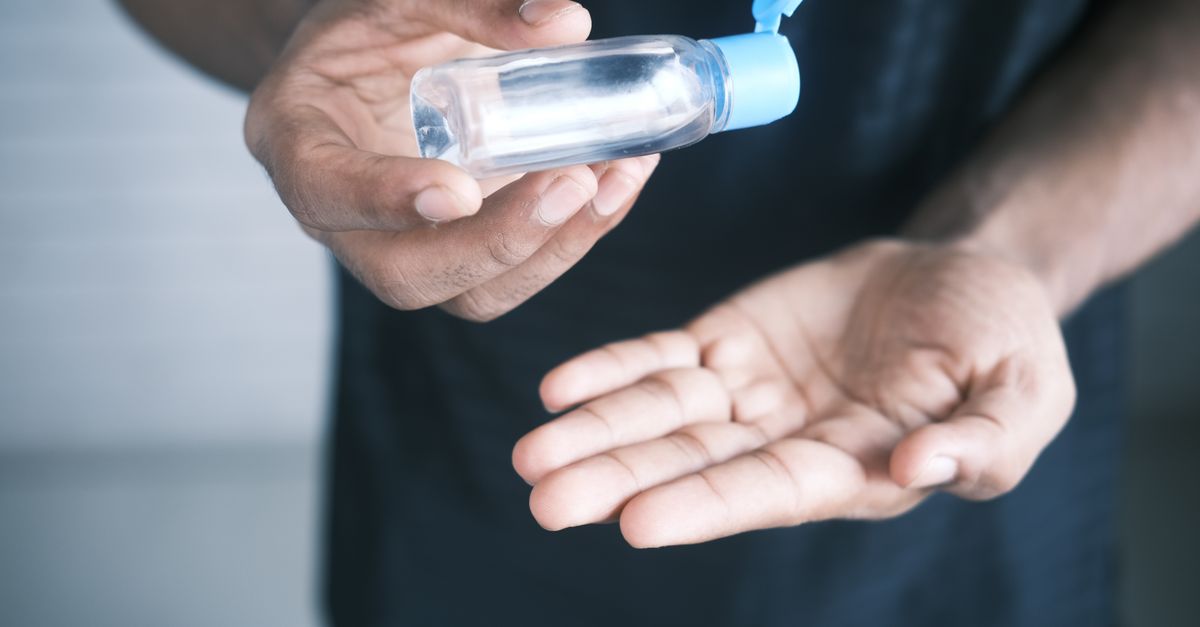
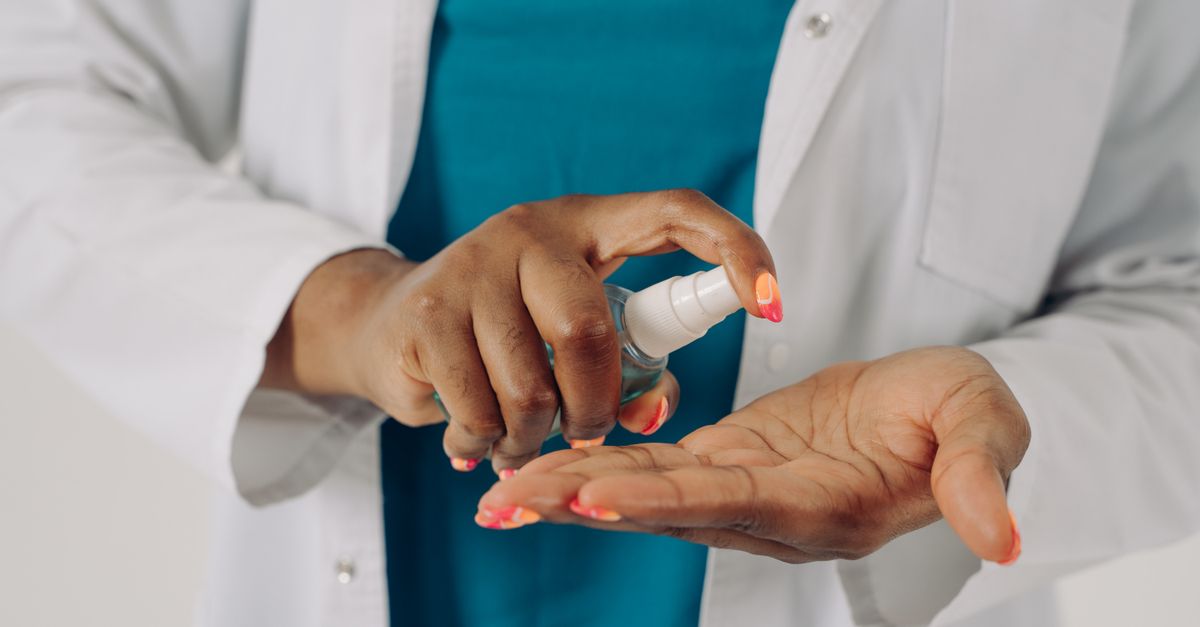
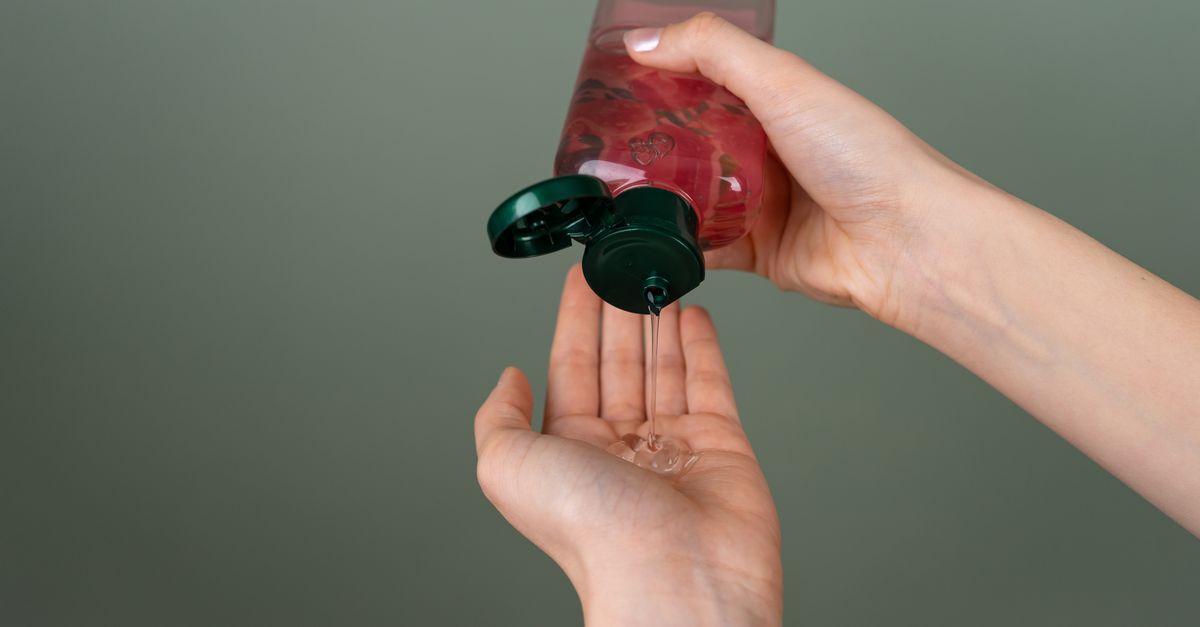
To effectively sanitize the hands, the user should dispense a sufficient volume of the gel into the palm to thoroughly wet all surfaces of both hands. The user must actively rub the hands together, ensuring the gel coats the fingertips, the spaces between the fingers, and the back of the hands. The rubbing action must continue until the hands are completely dry.
Patients must avoid wiping their hands on a towel before the gel has fully air-dried. The bactericidal process requires the chemical to remain on the skin briefly before evaporating. Daily application is acceptable, provided the user combats the resulting severe dryness with a high-quality, non-comedogenic hand cream.
4. In-Depth Side Effects Analysis of Topical Alcohol
Because ethyl alcohol operates as an aggressive, non-selective chemical solvent, its repeated topical application predictably generates localized adverse effects as it strips away vital human lipids.
Common Side Effects
Most users encounter expected, transient reactions linked directly to the rapid evaporation and solvent properties of the chemical.
– Intense, sharp stinging or burning when the liquid contacts microscopic cuts
– Pronounced dryness, chalkiness, and minor peeling of the epidermis
– Temporary skin blanching followed by a localized flush of erythema
Serious Side Effects to Report
Severe local reactions suggest an allergic response to a botanical additive or the complete destruction of the skin barrier requiring medical assessment.
– The sudden onset of continuous, severe pain from deep epidermal fissures
– Widespread allergic contact dermatitis presenting as a severe, weeping rash
– Noticeable bleeding from severely cracked and dehydrated cuticles
Rare Side Effects
Unusual systemic or severe localized responses occur primarily through extreme misuse or inappropriate application to vast body surface areas.
– Severe blistering and sloughing of the skin indicating a deep chemical burn
– Dizziness, lethargy, or mild confusion if fumes are inhaled heavily in an unventilated space
– Central nervous system depression if a significant quantity is accidentally ingested
Side Effects That Usually Do Not Require Medical Attention
Minor cosmetic or sensory shifts are a standard component of the chemical rapid evaporation phase.
– A profound, sharp cooling sensation as the volatile liquid leaves the skin surface
– A potent, lingering herbal and alcohol odor on the treated area
| Side Effect Category | Specific Symptoms |
|---|---|
| Dermatological | Stinging, severe epidermal desiccation, deep fissures, contact dermatitis |
| Systemic (Misuse) | Dizziness from vapor inhalation, neurotoxicity if ingested |
| Sensory | Intense cooling sensation, lingering strong botanical odor |
5. Recognizing and Managing Alcohol Sanitizer Ingestion
Systemic toxicity from the standard, localized topical application of On Guard Sanitizing Gel on intact hands is clinically impossible. However, catastrophic medical emergencies frequently occur due to accidental ingestion by toddlers or intentional consumption by individuals seeking intoxication.
The clinical presentation of systemic ethyl alcohol poisoning is defined by profound central nervous system depression. Symptoms include severe lethargy, severe abdominal cramping, vomiting, profound hypotension, and dangerous respiratory depression. The patient will frequently exhibit a strong alcohol odor on their breath. Without immediate advanced life support, the patient can slip into a deep coma and suffer fatal respiratory arrest.
If ingestion occurs, caregivers must strictly avoid inducing vomiting, as the caustic fluid can easily be aspirated into the lungs, causing fatal chemical pneumonitis. Emergency medical services must be contacted immediately. Hospital management involves aggressive airway protection, intravenous fluid resuscitation, and close monitoring of blood glucose levels.
6. Missed Dose Guidelines and What to Avoid
On Guard Sanitizing Gel is not a scheduled therapeutic medication. It is utilized exclusively as an as-needed cleansing agent for infection control. Therefore, there is no dosing schedule to miss. The user should simply utilize the gel when handling potentially contaminated items in the absence of a sink.
Patients must aggressively avoid exposing their freshly sanitized hands to open flames, sparks, or intense external heat sources. High-concentration ethyl alcohol is exceptionally flammable. Smoking, operating a gas stove, or using electrical devices that spark must be strictly prohibited until the liquid has completely evaporated from the skin.
Furthermore, users must absolutely avoid applying this potent solvent near the eyes or the delicate mucosal tissues of the inner nose and mouth. Ethyl alcohol induces excruciating pain, severe chemical burns to the cornea, and can lead to permanent visual impairment if it contacts ocular tissue.
7. Drug and Alcohol Interactions with Topical Alcohol
Systemic pharmacological interactions are completely nonexistent due to the lack of systemic blood absorption when applied topically to the hands. The solution is entirely safe for patients concurrently utilizing any systemic oral medications, including immunosuppressants or anticoagulants.
Topical drug interactions dictate a highly rigorous application sequence. If a physician recommends the subsequent application of a topical medicated cream, such as an antibiotic or a topical steroid like clobetasol, the patient must guarantee the alcohol has completely evaporated and the tissue is bone dry. Applying ointments over wet alcohol traps the caustic solvent against the skin, causing severe chemical burns.
Systemic alcohol consumption possesses no direct chemical interaction with topically applied ethyl alcohol. However, individuals heavily intoxicated by systemic ethanol may exhibit impaired judgment, dramatically increasing the risk of improper use, accidental fires, or unintentional ingestion of the topical antiseptic.
8. Precautions, Safety, and Duration of Action
The bactericidal and protein-denaturing action of On Guard Sanitizing Gel is nearly instantaneous upon contacting the microbial cell wall. The duration of action is exceedingly brief; the moment the liquid fully evaporates into the atmosphere, its active antiseptic properties are entirely exhausted, leaving zero residual antimicrobial protection on the skin.
Safety during routine application requires actively protecting the surrounding healthy skin barrier. Because the alcohol acts as a severe lipid solvent, individuals utilizing it frequently throughout the day must combat this extreme defatting action by applying heavy, non-comedogenic hand creams to prevent painful epidermal fissuring and contact dermatitis.
Patients using the gel before eating must ensure the product has entirely evaporated. Ingesting residual unevaporated gel transferred from the hands to food can cause minor gastrointestinal upset and an unpleasant, bitter taste.
9. Discontinuation and Storage Protocols for Alcohol Gel
Discontinuation of On Guard Sanitizing Gel is safe at any time. If the hands become severely cracked and bleed, the user must discontinue the gel immediately and transition entirely to gentle washing with mild soap and warm water to protect the damaged skin cells and promote rapid healing.
Proper storage is critical to maintain the chemical concentration and mitigate severe fire hazards. The bottle must be stored tightly sealed at standard room temperature, strictly away from direct sunlight, heating vents, or any potential ignition sources. An unsealed bottle allows the highly volatile alcohol to rapidly evaporate, leaving behind mostly water and rendering the remaining liquid bacteriologically useless.
Empty bottles can be recycled according to standard municipal guidelines. Unused alcohol gel should not be poured in massive quantities down household drains due to the risk of accumulating flammable vapors in the plumbing. Keep the bottle strictly out of the reach of young children.
10. When to Seek Immediate Medical Attention
Immediate emergency evaluation is absolutely critical if the volatile gel is accidentally splashed directly into the eyes. The patient must instantly flush the eyes with a continuous, gentle stream of cool tap water for a minimum of fifteen minutes and seek emergency ophthalmological care to assess and treat potential severe corneal ulceration.
Patients must also seek urgent medical evaluation if their hands develop severe, weeping rashes or deep, bleeding cracks that show signs of infection. The sudden appearance of increasing local warmth, severe throbbing pain, thick purulent drainage, or red streaks indicates a severe secondary bacterial infection requiring prescription oral antibiotics.
Finally, emergency medical services must be contacted immediately if a patient accidentally ingests any volume of the sanitizing gel. Severe abdominal pain, uncontrollable vomiting, extreme lethargy, and dangerous respiratory depression are critical signs of acute alcohol poisoning requiring advanced life support.
Frequently Asked Questions (FAQ)
1. Why does the sanitizing gel sting so intensely on a fresh scrape?
The liquid is a harsh chemical solvent. When it contacts the exposed nerve endings in an open cut or scraped cuticle, it instantly stimulates pain receptors and physically irritates the damaged tissue cells, resulting in a sharp, intense burning sensation.
2. Does this gel provide hours of protection against germs?
No. Alcohol sanitizers only kill the bacteria present on your hands at the exact moment of application. Once the alcohol evaporates, the protective effect is gone, and your hands can become contaminated again immediately.
3. Can I use this gel to clean a deep puncture wound or a surgical incision?
No. You must never introduce strong alcohol into deep, closed wounds or fresh surgical sites. It will cause massive internal tissue necrosis and severe pain, and it severely delays the normal healing process.
4. Is it safe to use this gel near a campfire or a gas stove?
Absolutely not. High-concentration ethyl alcohol is extremely flammable. You must ensure your hands are completely dry and the alcohol vapors have dissipated before going near any open flame or spark.
5. Why does my skin crack and bleed after using this product frequently?
Ethyl alcohol is a powerful degreaser that aggressively strips away the natural protective lipid barrier from your skin. This sudden defatting action causes the top layer of the epidermis to instantly dehydrate, crack, and bleed over time.
6. Can I apply a thick hand lotion right after using the sanitizing gel?
You must wait until the alcohol has completely evaporated into the air and the skin is entirely dry. Applying lotion over wet alcohol traps the harsh chemical against your skin, reducing the sanitizing effect and increasing irritation.
7. What is the difference between washing with soap and using this gel?
Soap and water physically wash bacteria, viruses, and physical dirt down the drain, which is the most effective method of hygiene. Alcohol gel chemically kills the germs but leaves them and any physical dirt on your hands.
8. What should I do if a toddler accidentally eats some of the sanitizing gel?
Call emergency medical services immediately. Do not attempt to induce vomiting. Ingesting high-concentration alcohol is highly toxic to small children and can rapidly cause dangerously low blood sugar, coma, and respiratory failure.
Bibliography
Disclaimer: The content is for informational purposes only and does not replace medical advice. Always consult your doctor or pharmacist for personalized treatment.