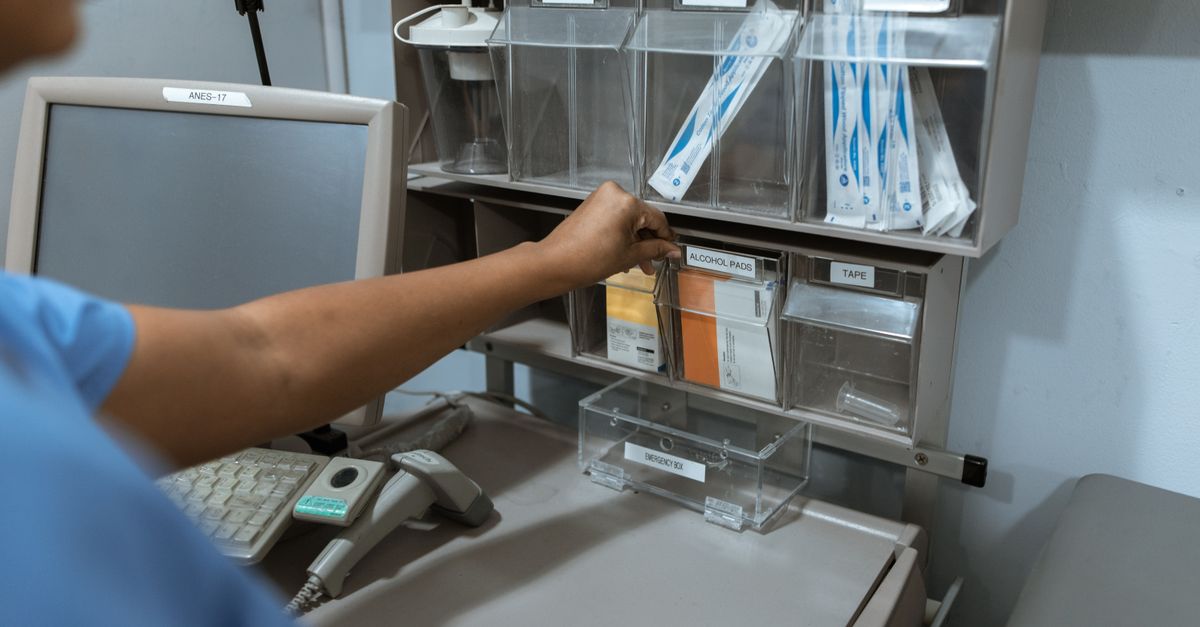
Medthermal Alcohol Prep Pad utilizes isopropyl alcohol as its active pharmacological agent, functioning as a rapid topical disinfectant intended for intact skin. The most significant adverse effect involves the aggressive depletion of epidermal lipids, leading to severe localized dryness, flaking, and potential contact dermatitis with frequent use.
1. Introduction And Mechanism Of Action For Medthermal Alcohol Prep Pad
Isopropyl alcohol operates as a broad-spectrum bactericidal, fungicidal, and virucidal agent. Its primary mechanism of action relies on the rapid coagulation and denaturation of essential intracellular proteins within pathogenic microorganisms.
For this mechanism to reach optimal clinical efficacy, the active ingredient is typically formulated in an aqueous solution of roughly seventy percent concentration. The presence of water forces the alcohol to penetrate the microbial lipid envelope before evaporating, ensuring complete internal structural collapse of the pathogen.
Upon contact with the human epidermis, the solution acts instantaneously to reduce the superficial bioburden. Because it is highly volatile, the solution transitions rapidly from a liquid to a gas, leaving the dermal surface completely dry and devoid of active chemical residue.
2. Critical Warnings Before Using Medthermal Alcohol Prep Pad
This clinical preparation is strictly indicated for superficial application on an unbroken stratum corneum. Introducing isopropyl alcohol into deep fascial wounds, surgical incisions, or severe abrasions is absolutely contraindicated. The compound is highly toxic to raw granulation tissue and will severely disrupt normal cellular mitosis required for wound closure.
Patients must be extremely vigilant to prevent contact with the ocular surface. Isopropyl alcohol acts as a severe chemical irritant to the conjunctiva and the cornea. Accidental splashes or wiping near the eyes can precipitate intense pain, photophobia, and dangerous epithelial defects.
Additionally, healthcare providers and patients must remember that the solution is highly flammable. The prepped anatomical site must be completely dry before initiating any procedure involving electrocautery or immediately prior to the application of any spark-generating medical device.
3. Indications And Standard Usage Guide For Medthermal Alcohol Prep Pad
Clinical guidelines dictate the use of these saturated pads for pre-injection site preparation, routine phlebotomy, and capillary blood sampling. They are also widely utilized to disinfect the rubber septa of multi-dose medication vials prior to withdrawing fluids.
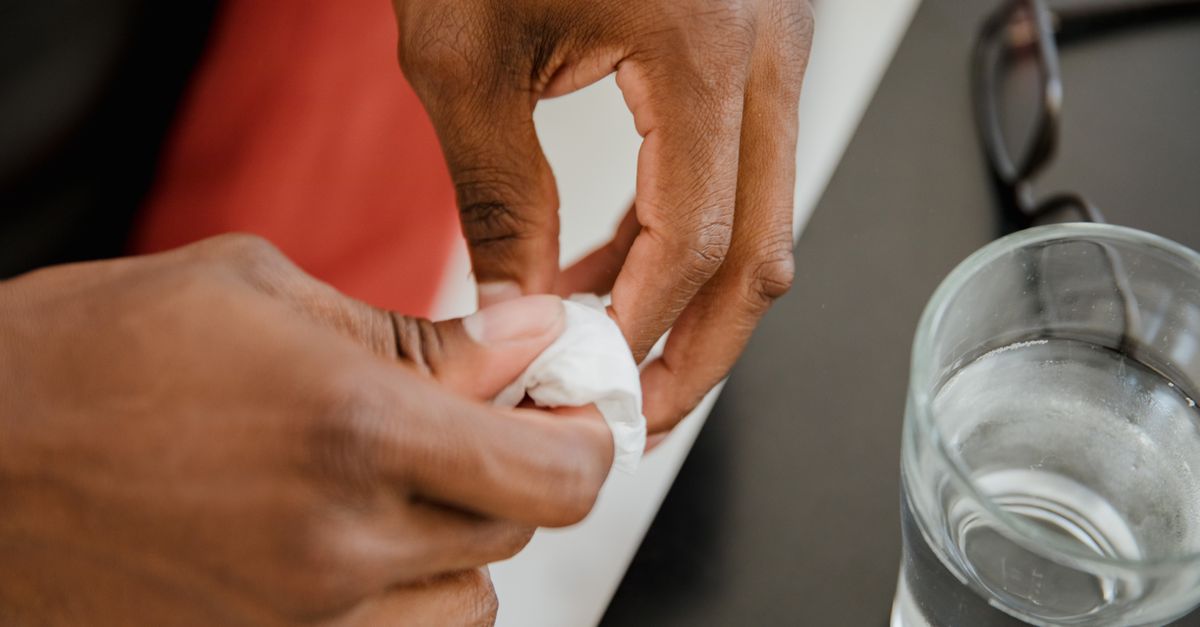
To ensure proper sterilization, the user must apply firm mechanical friction with the pad against the skin in a circular motion, working outward from the intended injection site. This physical scrubbing action is vital to lift away organic debris and transient flora.
The critical final step involves allowing the site to air dry completely. Fanning the area or blowing on it to accelerate drying is strictly prohibited, as human breath introduces new respiratory pathogens directly onto the freshly sterilized field.
4. In-Depth Analysis Of Medthermal Alcohol Prep Pad Side Effects
While isopropyl alcohol is a highly reliable external sterilizing agent, its solvent properties aggressively strip the skin of its natural moisture barrier. Therefore, localized adverse dermal reactions are the primary clinical concern.
Common Side Effects
Repeated application to the same localized area frequently induces pronounced skin dryness. Patients often observe a chalky white appearance on the skin surface, accompanied by minor epidermal scaling and a sensation of physical tightness as the natural sebum is eradicated.
Serious Side Effects You Should Report
Immediate clinical attention is required if the application site develops painful, weeping lesions or deep erythematous fissures. These symptoms indicate a severe irritant contact dermatitis or a rare allergic hypersensitivity. Any accidental ingestion or severe mucosal exposure also demands emergency medical intervention.
Rare Side Effects
In highly unique circumstances involving compromised dermal integrity over large surface areas, trace systemic absorption can occur. Although clinically insignificant with a single prep pad, massive dermal exposure in pediatric patients has historically been linked to mild central nervous system depression.
Side Effects That Usually Do Not Require Medical Attention
A fleeting sensation of coldness followed by mild, transient stinging is an entirely expected physiological response. As the highly volatile liquid evaporates, it rapidly draws thermal energy away from the skin, causing a harmless drop in localized surface temperature.
| Side Effect Category | Specific Symptoms |
|---|---|
| Epidermal Depletion | Severe dryness, chalky skin, flaking |
| Inflammatory Response | Erythema, localized burning, deep fissures |
| Mucosal Accidental | Severe ocular pain, chemical conjunctivitis |
5. Recognizing And Managing Isopropyl Alcohol Overdose
Achieving a systemic overdose through the routine topical use of a prep pad on intact skin is functionally impossible. However, the liquid is highly toxic if intentionally or accidentally ingested by a patient.
Ingestion triggers immediate chemical burns to the oropharynx, followed by severe gastric distress, vomiting, and profound hypotension. Isopropyl alcohol is highly neurotoxic when absorbed enterically, leading rapidly to ataxia, stupor, and potentially a fatal coma.
If ingestion occurs, do not induce emesis, as the caustic liquid will cause further thermal damage to the esophageal lining upon its return and poses a massive risk of pulmonary aspiration. Contact emergency medical services and a poison control center immediately for supportive critical care.
6. Missed Dose And What To Avoid
The prep pad is utilized exclusively at the precise moment a clinical procedure is performed. Therefore, a missed dose requires no compensatory action other than ensuring proper sterilization occurs before the next scheduled injection.
Following application, avoid immediately covering the site with airtight adhesive bandages while the skin is still wet. Trapping volatile alcohol vapor against the epidermis under an occlusive dressing can cause painful dermal blistering and localized chemical burns.
7. What Drugs Interact With Medthermal Alcohol Prep Pad?
Isopropyl alcohol does not enter the systemic circulation in meaningful quantities when applied to intact skin, thereby preventing any internal drug interactions. However, local synergistic toxicity can occur if combined with other potent topical agents.
Applying this antiseptic immediately before using harsh acne preparations, such as high-concentration salicylic acid, will exponentially increase the resulting skin irritation. Similarly, using it in conjunction with other clinical antiseptics like hydrogen peroxide on the same site can cause severe oxidative and solvent stress, destroying the superficial epidermal cells.
8. Precautions, Safety, And Duration Of Action
The pharmacological action of this product is strictly limited to the brief window of time it remains wet on the skin. Once evaporation is complete, there is zero residual bactericidal activity, meaning the site can be immediately recontaminated by touch.
Proper storage is absolutely essential for clinical efficacy. The individual foil packets must remain tightly sealed until the exact moment of use. If a packet is compromised and the pad dries out, the entire antimicrobial capability is lost. The product must be stored away from intense heat and direct sunlight to prevent premature degradation of the foil seal.
9. How To Safely Stop Using Medthermal Alcohol Prep Pad
You may safely discontinue the use of these pads at any time without a medical tapering schedule. Once routine application ceases, the skin will gradually restore its natural lipid barrier, and any mild localized dryness will resolve autonomously within a few days.
Proper environmental disposal is mandatory. The non-woven fabric pads must be discarded in standard refuse bins or designated medical waste containers if contaminated with blood. They must never be flushed, as they will not break down in municipal water systems and will cause severe plumbing obstructions.
10. When To See A Doctor
Seek dermatological evaluation if the skin at your injection sites becomes chronically inflamed, deeply fissured, or begins exuding purulent fluid. These clinical signs suggest the chemical dryness has compromised the dermal barrier sufficiently to allow a secondary staphylococcal infection.
Additionally, if an accidental splash into the eye occurs and copious irrigation with water does not resolve the intense burning and visual blurring within thirty minutes, you must be evaluated immediately by an ophthalmologist to prevent permanent vision loss.
Frequently Asked Questions (FAQ)
1. Why must I wait for the alcohol to dry before my injection?
Allowing the liquid to dry ensures that the bacteria are fully destroyed. Furthermore, injecting through wet alcohol pushes the chemical directly into your tissue, causing an intense and painful burning sensation.
2. Can I use these pads to disinfect a deep cut on my finger?
Absolutely not. The chemical will severely damage the exposed internal tissues, cause extreme pain, and significantly delay the body natural ability to heal the wound.
3. Why does my skin turn white and flaky where I use the pad every day?
Isopropyl alcohol is a powerful solvent that aggressively strips away the natural oils and lipids from your skin, leading to severe localized dehydration and flaking.
4. Is it dangerous to breathe in the fumes from the pad?
Briefly smelling the fumes during a routine injection is harmless. However, deliberately inhaling large concentrations of the vapor in an unventilated space can cause dizziness and neurotoxicity.
5. Can I blow on the wet skin to make it dry faster?
No. Blowing on the prepped site introduces thousands of new bacteria from your respiratory tract directly onto the clean area, completely defeating the purpose of the sterile pad.
6. What should I do if my child chews on a prep pad?
Remove the pad from their mouth immediately. Do not induce vomiting. Call emergency services or a poison control center immediately, as the ingested liquid is highly toxic.
7. Do these pads leave a protective layer to keep germs away all day?
No. Once the alcohol evaporates, the sterilizing effect is completely gone. The skin can become recontaminated the moment it touches a non-sterile surface.
Bibliography
Disclaimer: The content is for informational purposes only and does not replace medical advice. Always consult your doctor or pharmacist for personalized treatment.