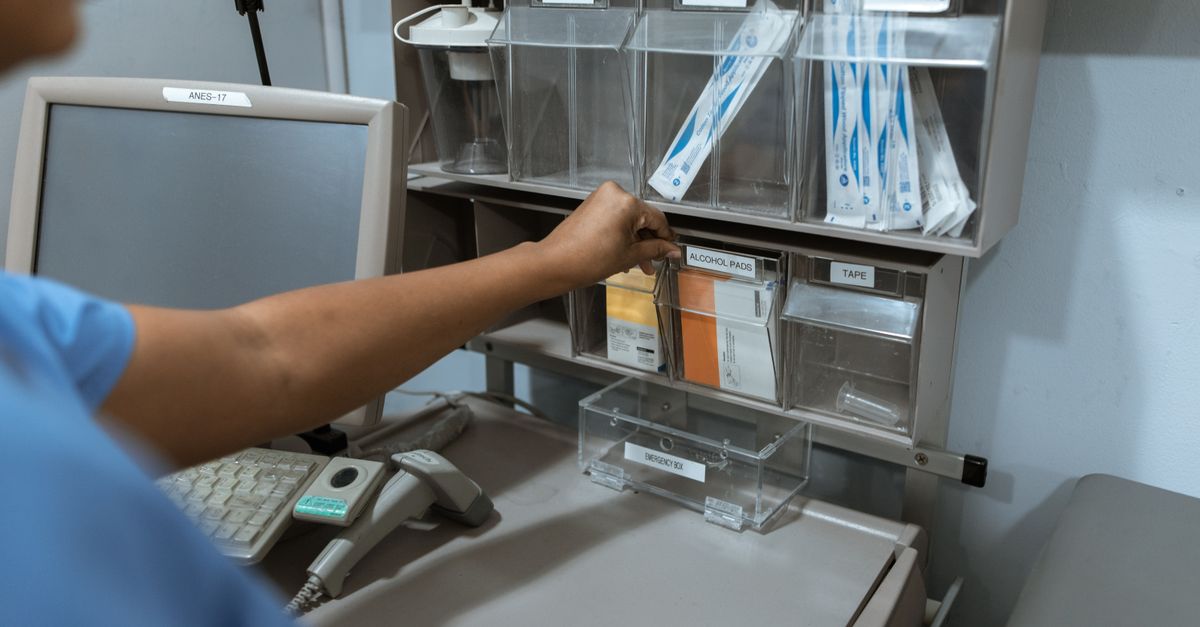
The Op-First Aid Series Alcohol Prep Pads Sterile employ Isopropyl Alcohol as their active pharmaceutical ingredient to deliver rapid topical antisepsis. The primary side effects encountered by users are highly localized dermatological reactions, notably severe tissue desiccation, transient erythema, and a sharp stinging sensation upon contact with compromised skin barriers.
1. Introduction & Mechanism of Action of Isopropyl Alcohol
Isopropyl alcohol functions as an exceedingly potent bactericidal agent through the rapid physical denaturation of cellular proteins. When applied topically to the cutaneous surface, the alcohol quickly permeates the lipid cell walls of vegetative bacteria, resilient fungi, and specific lipid-enveloped viruses.
Once inside the cellular matrix, the chemical solvent precipitates critical structural proteins and catastrophically disrupts cellular metabolism, resulting in rapid pathogen death. The specific concentration of seventy percent alcohol ensures the necessary presence of water, which acts as a vital catalyst in the protein denaturation process. The rapid evaporation rate of the fluid provides a swift, reliable antimicrobial effect crucial for infection prophylaxis.
2. Warnings & Before Applying the Sterile Alcohol Prep Pads
The application of this product over vast expanses of the body is firmly contraindicated due to the severe risk of systemic absorption and subsequent alcohol toxicity. These sterile pads must strictly be kept away from the eyes, inner ears, and oral mucous membranes, as the solvent will rapidly induce severe chemical burns and lasting tissue necrosis.
Patients presenting with deep puncture wounds, severe animal bites, or extensive thermal burns must avoid treatment with isopropyl alcohol. The agent is highly cytotoxic to newly forming granulation tissue and severely delays the natural wound healing cascade. Furthermore, the active fluid is highly volatile and flammable. It must never be utilized in the presence of an open flame or active electrocautery devices until complete evaporation has occurred.
3. Indications & Dosage Guide for Sterile Isopropyl Alcohol Pads
The chief clinical indication for these sterile pads is the localized and rigorous preparation of the cutaneous surface prior to minor invasive medical procedures. It is the universal standard for disinfecting the epidermis before administering subcutaneous injections, performing venipuncture, or lancing superficial cysts. It is also indicated for cleansing minor superficial abrasions in a first aid setting.
Correct clinical application involves wiping the target area firmly with the pad for several seconds to ensure robust chemical antisepsis and the mechanical removal of surface debris. Following application, the patient must allow the area to air dry completely. The maximum antimicrobial efficacy is strictly achieved only after the solution has entirely evaporated from the epidermal layer.
4. In-Depth Side Effects Analysis of Isopropyl Alcohol
Because the active ingredient acts as a powerful chemical solvent that instantly strips natural protective lipids from the cutaneous surface, adverse reactions are primarily confined to acute tissue desiccation and localized physical irritation.
Common Side Effects
The most frequently documented adverse reaction is a sharp, transient burning sensation when the pad is wiped across microscopic abrasions or freshly broken skin. Because the agent rapidly dissolves protective sebum, users routinely report immediate localized dryness, a sensation of skin tightness, and mild temporary redness at the exact site of application.
Serious Side Effects you should report
Prolonged or repeated daily application on a solitary cutaneous site can provoke severe irritant contact dermatitis. Symptoms that warrant professional medical evaluation include deep, painful cracking of the epidermal tissue, persistent weeping of the area, and severe blistering. Any clinical signs of a localized allergic response, such as spreading hives or profound tissue swelling, require immediate clinical attention.
Rare Side Effects
In exceptionally rare clinical scenarios involving severely compromised or necrotic tissue, heavy topical application has resulted in localized chemical tissue death. If massive amounts are improperly applied to deep and open surgical wounds, significant systemic absorption can theoretically occur, which may lead to subtle signs of central nervous system depression.
Side effects that usually do not require medical attention
Mild cutaneous flaking or a transient chalky white discoloration of the skin immediately following fluid evaporation are considered highly benign physiological responses. These minor surface alterations require absolutely no medical intervention and resolve rapidly as the natural epidermal lipid barrier regenerates over the subsequent hours.
| Side Effect Category | Specific Symptoms |
|---|---|
| Acute Irritation | Transient stinging, localized dryness, mild redness |
| Severe Dermatitis | Deep tissue cracking, severe blistering, persistent weeping |
| Accidental Ocular Exposure | Severe conjunctival pain, chemical burn, corneal abrasion |
5. Overdose Symptoms and Accidental Ingestion
Systemic overdose through routine topical use of a single sterile prep pad is physiologically impossible due to the limited volume of fluid and rapid evaporation. Toxicity exclusively arises from the deliberate or accidental gastrointestinal ingestion of the fluid contained within multiple sealed pads.
Ingesting isopropyl alcohol constitutes a severe, life-threatening medical emergency. Symptoms of systemic toxicity include profound central nervous system depression, severe nausea, vomiting of blood, dangerously low blood pressure, and potentially fatal respiratory depression. In the event of oral ingestion or heavy ocular exposure, emergency medical services must be contacted immediately. Emesis must not be induced, as this sharply increases the risk of fatal pulmonary aspiration.
6. Missed Dose & What to Avoid While Using Sterile Alcohol Pads
Because this sterile antiseptic is utilized strictly as a solitary preparative step before a procedure, a traditional missed dose protocol is fundamentally inapplicable. If an anatomical area is not properly prepped prior to breaking the skin barrier, the procedure must be halted immediately, and the area must be appropriately disinfected before continuing.
Patients should actively avoid utilizing these sterile alcohol prep pads as a daily facial astringent or routine acne treatment. Chronic application of isopropyl alcohol to the face destroys the protective acid mantle and can severely exacerbate inflammatory acne rosacea. Furthermore, this product should never be layered concurrently with aggressive topical acne treatments like benzoyl peroxide due to an exponential increase in severe cutaneous desiccation and chemical burning.
7. Drug & Alcohol Interactions with Topical Isopropyl Alcohol
Due to the instantaneous evaporation rate and entirely negligible systemic absorption of a single prep pad, pharmacokinetic interactions with oral systemic medications do not typically occur in clinical practice.
Care must be exercised when applying subsequent topical therapies. Isopropyl alcohol can act as a highly potent penetration enhancer. If a strong topical corticosteroid or a transdermal pain medication is applied immediately over skin that has just been stripped by an alcohol pad, the absorption rate of the subsequent drug may be unpredictably elevated. Concomitant systemic alcohol consumption poses no pharmacological interaction with topical isopropyl alcohol.
8. Precautions, Safety & Duration of Action for Alcohol Antisepsis
The duration of the antimicrobial action is fleeting. Isopropyl alcohol provides excellent immediate reduction of surface bacteria but leaves absolutely no residual bacteriostatic effect on the skin once it has evaporated. Therefore, medical procedures must commence immediately after the alcohol has dried.
Safety parameters mandate that the agent be kept entirely away from the pediatric population to prevent accidental ingestion or ocular injury. Medical professionals must rigorously ensure the alcohol is completely dry before utilizing any defibrillation equipment or electrocautery devices to prevent severe surgical fires.
9. How to Stop Using the Product & Storage/Disposal Guidelines
Discontinuation requires no medical tapering schedule or physiological adjustment period. The sterile product is used for acute procedural preparation and its use ceases immediately upon the completion of the minor medical task.
Proper storage is absolutely critical due to the highly volatile nature of the active pharmaceutical ingredient. The pads must remain sealed in their individual sterile foil packets at controlled room temperature, strictly isolated from open flames, sparks, and intense heat sources. Empty packets and used pads should be disposed of in standard waste receptacles, or designated biohazard containers if they become heavily contaminated with human blood or exudate.
10. When to See a Doctor Regarding Alcohol Irritation
Clinical evaluation is strictly mandated if the application site develops severe signs of a chemical burn, including persistent blistering, extreme localized pain, or tissue blackening. These symptoms indicate an abnormal caustic reaction requiring immediate dermatological wound care and specialized barrier repair therapies.
If the pad is accidentally wiped across the eye, immediate and continuous irrigation with sterile saline or water is required for at least fifteen minutes, followed by an emergency visit to an ophthalmologist to rigorously assess for corneal ulceration. If prolonged inappropriate use leads to chronic eczematous changes, a physician may prescribe a topical barrier repair cream to restore tissue integrity.
Frequently Asked Questions (FAQ)
1. Can I use this pad to clean a deep cut before bandaging?
No. Isopropyl alcohol is highly cytotoxic to exposed inner tissues. Applying it to deep wounds causes intense pain and actively destroys the healthy cells needed for natural wound healing. Use mild soap and water or sterile saline instead.
2. Why do I have to wait for the alcohol to dry before an injection?
The primary bactericidal action occurs as the alcohol permeates the bacterial cell wall, which requires specific contact time. Furthermore, injecting a needle through wet alcohol will mechanically push the painful chemical into the subcutaneous tissue, causing intense stinging.
3. Does isopropyl alcohol kill all viruses?
No. While seventy percent isopropyl alcohol effectively destroys many lipophilic viruses, it is generally ineffective against non-enveloped viruses, tough bacterial spores, and certain resilient fungi.
4. Is it safe to clean my medical equipment with these pads?
Yes. These sterile pads are highly effective for disinfecting the hard, non-porous surfaces of minor medical equipment such as glass thermometers, stethoscope diaphragms, and metal tweezers.
5. Why is the pad specifically seventy percent alcohol instead of one hundred percent?
Water is an essential catalyst in the complex denaturation of cellular proteins. Pure alcohol evaporates too rapidly and coagulates the bacterial surface too quickly, which unfortunately protects the internal contents of the bacteria from being destroyed.
6. Can I use these pads to treat active acne lesions?
Dermatologists strongly advise against this harmful practice. While it may temporarily dry out a superficial pimple, it aggressively strips the entire lipid barrier, causing severe rebound oil production, inflammation, and potential chemical burns on the sensitive facial skin.
7. What should I do if my child sucks on an alcohol pad?
Remove the pad immediately and rinse the child’s mouth thoroughly with water. Contact a poison control center right away to report the incident, as pediatric systems are highly vulnerable to acute alcohol toxicity and central nervous system depression.
8. Is this product safe for pregnant women needing to clean an injection site?
Yes. When used correctly on very small surface areas for minor procedures, the systemic absorption is virtually zero, making it completely safe for use during all trimesters of gestation.
9. Why does my skin turn temporarily white after using the pad?
The alcohol rapidly dissolves and removes surface oils and moisture, leading to acute superficial dehydration of the stratum corneum. This temporarily alters the optical properties of the skin, causing it to appear chalky or white before the lipids regenerate.
Bibliography
Disclaimer: The content is for informational purposes only and does not replace medical advice. Always consult your doctor or pharmacist for personalized treatment.