Mrs. Meyers Clean Day Hand Sanitizer Basil Scent utilizes ethyl alcohol as its primary active pharmacological agent to deliver rapid topical antimicrobial action. The most frequently encountered side effect is progressive epidermal dryness, while sensitive individuals may develop allergic contact dermatitis due to the added botanical fragrance compounds.
1. Introduction And Mechanism Of Action For Mrs. Meyers Clean Day Hand Sanitizer Basil Scent
Ethyl alcohol operates as a potent, broad-spectrum bactericidal and virucidal agent. The chemical mechanism relies on the ability of alcohol to penetrate the lipid bilayers of pathogenic microorganisms, leading to the rapid denaturation of vital intracellular proteins and the collapse of structural cellular integrity.
Optimal antimicrobial efficacy requires the presence of water, which acts as a catalyst to slow the evaporation rate of the volatile alcohol. This formulation typically contains a sixty-two percent concentration of ethanol, which provides sufficient contact time on the skin to achieve significant log reductions in transient microbial flora.
Because the liquid is highly volatile, the solution transitions rapidly into a gaseous state following application. This leaves the treated dermal surface completely dry without any active chemical residue, meaning the skin is immediately susceptible to recontamination upon contact with unsterile surfaces.
2. Critical Warnings Before Using Mrs. Meyers Clean Day Hand Sanitizer Basil Scent
This topical preparation is strictly formulated for use on an unbroken stratum corneum. Applying an alcohol-based solution to deep fascial lacerations, open surgical incisions, or severe thermal burns is absolutely contraindicated. The alcohol acts as a severe cytotoxic agent to raw granulation tissue and will severely disrupt normal cellular mitosis required for wound closure.
Patients must exercise extreme caution to prevent any contact with the ocular surface. Accidental exposure to the cornea or conjunctiva triggers immediate chemical conjunctivitis, intense pain, and potential epithelial sloughing if not promptly irrigated.
Healthcare providers and patients must also remain aware that ethyl alcohol is highly flammable. The sanitized anatomical site must dry completely before the individual handles open flames, operates spark-generating equipment, or engages in electrocautery procedures in a clinical setting.
3. Indications And Standard Usage Guide For Mrs. Meyers Clean Day Hand Sanitizer Basil Scent
Clinical guidelines support the use of topical alcohol sanitizers for routine hand hygiene when access to traditional soap and running water is unavailable. It is widely utilized to interrupt the transmission of surface-dwelling pathogens in domestic, commercial, and clinical environments.
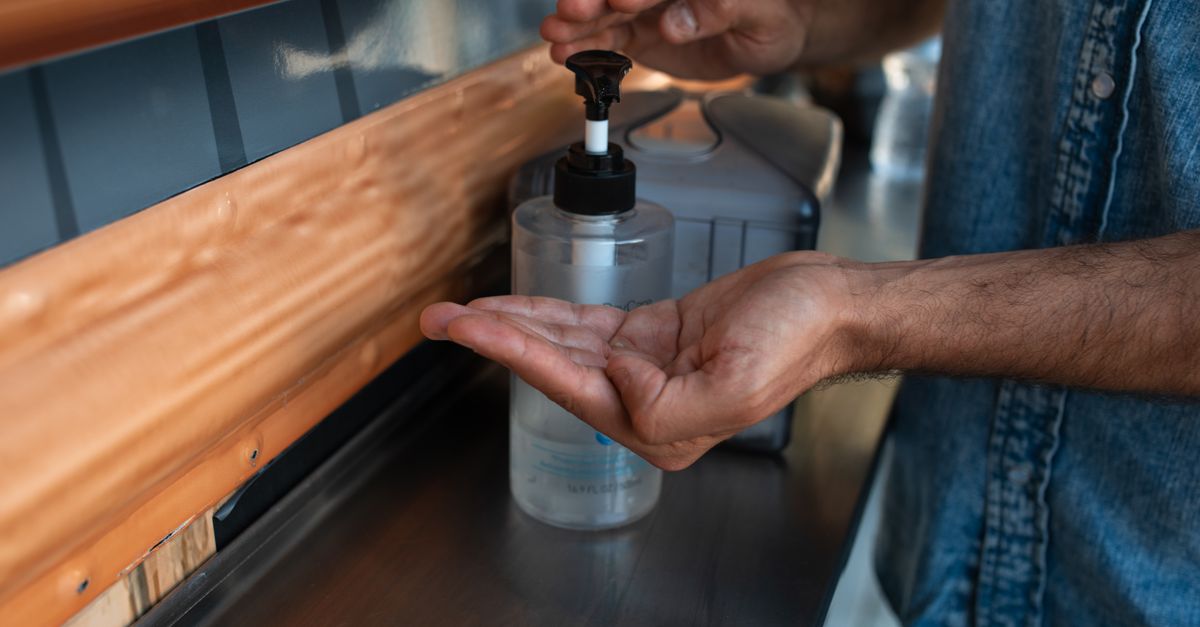
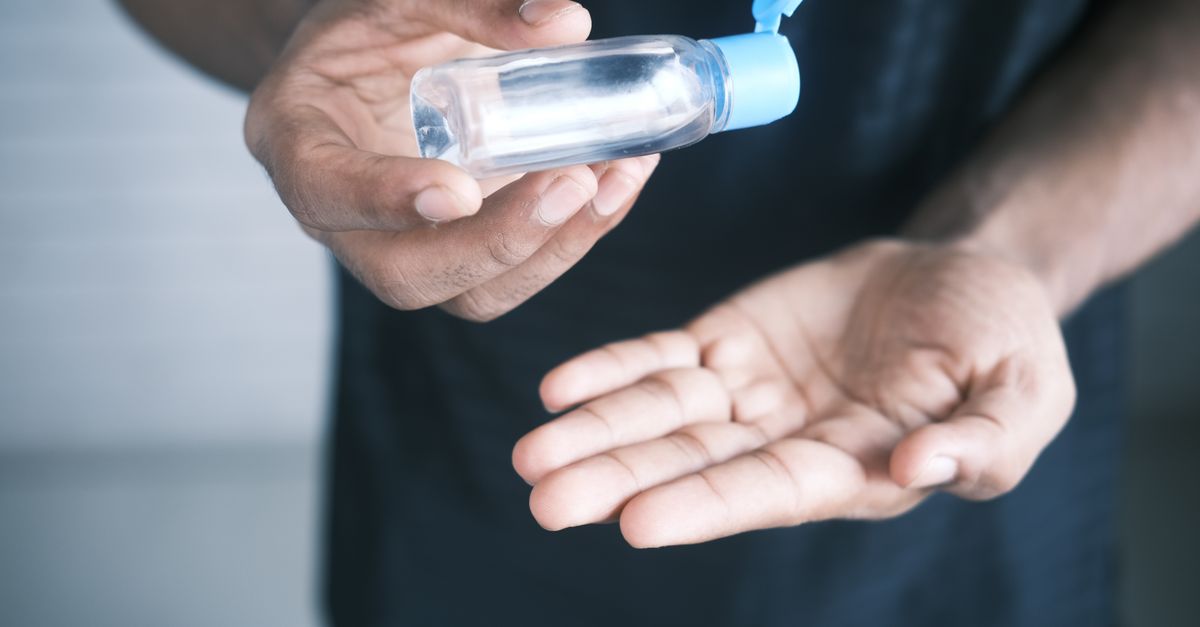
To achieve proper sterilization, the user must dispense a sufficient volume of the liquid to thoroughly coat all surfaces of the hands, including the interdigital spaces and nail beds. The user must then apply firm mechanical friction, rubbing the hands together until the solution naturally air dries.
Accelerating the drying process by wiping the hands on a towel or using forced air removes the active ingredient prematurely, severely limiting its ability to destroy the targeted pathogens.
4. In-Depth Analysis Of Mrs. Meyers Clean Day Hand Sanitizer Basil Scent Side Effects
While ethyl alcohol is a highly reliable topical sterilizing agent, its solvent properties aggressively strip the skin of natural protective lipids. Consequently, adverse reactions are primarily dermatological and localized to the application site.
Common Side Effects
Repeated daily application frequently induces pronounced skin dryness. Users often observe mild epidermal scaling, a chalky appearance on the fingertips, and a sensation of physical tightness as the natural sebum is continuously eradicated.
Serious Side Effects You Should Report
Immediate clinical attention is warranted if the application site develops painful weeping lesions, deep erythematous fissures, or intense pruritus. These symptoms suggest a severe irritant contact dermatitis or an allergic hypersensitivity to the basil fragrance components. Accidental ocular exposure also demands urgent ophthalmological assessment.
Rare Side Effects
Systemic toxicity through dermal absorption is functionally impossible under normal usage parameters. However, in highly unique circumstances involving compromised dermal integrity over massive surface areas, trace systemic absorption of ethanol can occur, though it remains clinically insignificant for most adults.
Side Effects That Usually Do Not Require Medical Attention
A fleeting sensation of coldness followed by mild stinging is an entirely expected physiological response. As the highly volatile liquid evaporates, it rapidly draws thermal energy away from the skin, causing a harmless drop in localized surface temperature.
| Side Effect Category | Specific Symptoms |
|---|---|
| Dermatological | Severe dryness, chalky skin, superficial flaking |
| Inflammatory | Erythema, localized burning, deep dermal fissures |
| Accidental Exposure | Severe ocular pain, conjunctival redness |
5. Recognizing And Managing Alcohol Overdose
Achieving a systemic overdose through the routine topical use of a hand sanitizer on intact skin is not a realistic clinical scenario. However, the liquid is highly toxic if intentionally or accidentally ingested by a patient or child.
Ingestion triggers immediate chemical burns to the oropharynx, followed by severe gastric distress, vomiting, and profound central nervous system depression. High-concentration ethanol ingestion rapidly leads to ataxia, stupor, dangerous hypoglycemia, and potentially a fatal respiratory depression.
If ingestion occurs, do not induce emesis. The caustic liquid will cause further thermal damage to the esophageal lining upon its return and poses a massive risk of pulmonary aspiration. Contact emergency medical services and a regional poison control center immediately for supportive critical care.
6. Missed Dose And What To Avoid
Because this product is utilized exclusively on an as-needed basis for environmental hygiene, a missed dose requires no compensatory action other than ensuring proper sanitization occurs before the next food preparation or clinical contact.
Following application, users must avoid covering the damp skin with occlusive gloves while the hands are still wet. Trapping volatile alcohol vapor against the epidermis under airtight latex or nitrile can cause painful dermal blistering and localized chemical irritation.
7. What Drugs Interact With Mrs. Meyers Clean Day Hand Sanitizer Basil Scent?
Ethyl alcohol does not enter the systemic circulation in meaningful quantities when applied to intact skin, thereby preventing any internal drug interactions. However, local synergistic toxicity occurs if combined with other potent topical agents.
Applying this sanitizer immediately before using harsh dermatological preparations, such as high-concentration salicylic acid or topical fluorouracil, will exponentially increase the resulting skin irritation. The alcohol strips away the protective lipid layer, inadvertently increasing the transdermal absorption and cytotoxicity of subsequent topical drugs.
8. Precautions, Safety, And Duration Of Action
The pharmacological action of this product is strictly limited to the brief window of time it remains wet on the skin. Once evaporation is complete, there is absolutely zero residual bactericidal activity, meaning the site can be immediately recontaminated by touch.
Proper storage is essential for maintaining clinical efficacy. The dispenser must remain tightly sealed when not in use. If the container is left open, the volatile ethanol will rapidly evaporate, leaving behind only the water and fragrance components and rendering the product completely useless for antimicrobial defense.
9. How To Safely Stop Using Mrs. Meyers Clean Day Hand Sanitizer Basil Scent
You may safely discontinue the use of this sanitizer at any time without a medical tapering schedule. Once routine application ceases, the human epidermis will gradually restore its natural lipid barrier, and any mild localized dryness will resolve autonomously within three to five days.
Proper environmental disposal is straightforward. The empty plastic containers should be recycled according to local municipal guidelines, while small amounts of leftover liquid can be safely evaporated or washed down the drain with copious amounts of water.
10. When To See A Doctor
Seek dermatological evaluation if the skin on your hands becomes chronically inflamed, deeply fissured, or begins exuding purulent fluid. These clinical signs suggest the chemical dryness has compromised the dermal barrier sufficiently to allow a secondary staphylococcal skin infection requiring antibiotics.
Additionally, if an accidental splash into the eye occurs and copious irrigation with water does not resolve the intense burning and visual blurring within thirty minutes, you must be evaluated immediately by an ophthalmologist to prevent permanent corneal scarring.
Frequently Asked Questions (FAQ)
1. How exactly does alcohol destroy bacteria on my hands?
Ethyl alcohol acts as a potent chemical solvent that rapidly penetrates bacterial cell walls, denaturing vital intracellular proteins and causing the immediate death of the microorganism.
2. Why do my hands feel rough and dry after frequent use?
The high concentration of alcohol aggressively strips away the natural sebum and moisture barrier from your epidermis, leading to cumulative dehydration and roughness.
3. Can I use this sanitizer to clean a fresh cut or scrape?
No. Applying high-concentration alcohol directly to raw tissue causes severe pain, damages healthy cells, and delays the natural wound healing process significantly.
4. Is it dangerous to inhale the scent immediately after applying it?
Briefly smelling the botanical fragrance is harmless. However, deliberately inhaling large concentrations of the evaporating alcohol vapor in an enclosed space can cause mild dizziness.
5. Why do I need to rub my hands until they are completely dry?
The mechanical friction helps lift dirt and microbes, while the drying time ensures the alcohol remains in contact with the pathogens long enough to fully destroy them.
6. Will this product leave a protective barrier to keep germs away all day?
No. Once the liquid evaporates from your skin, the sterilizing effect is completely gone. Your hands can become recontaminated the exact moment you touch a non-sterile surface.
7. What should I do if a child accidentally swallows some of this sanitizer?
Do not induce vomiting. Call emergency services or a poison control center immediately, as the high concentration of ethanol can cause severe and rapid alcohol poisoning in children.
Bibliography
Disclaimer: The content is for informational purposes only and does not replace medical advice. Always consult your doctor or pharmacist for personalized treatment.