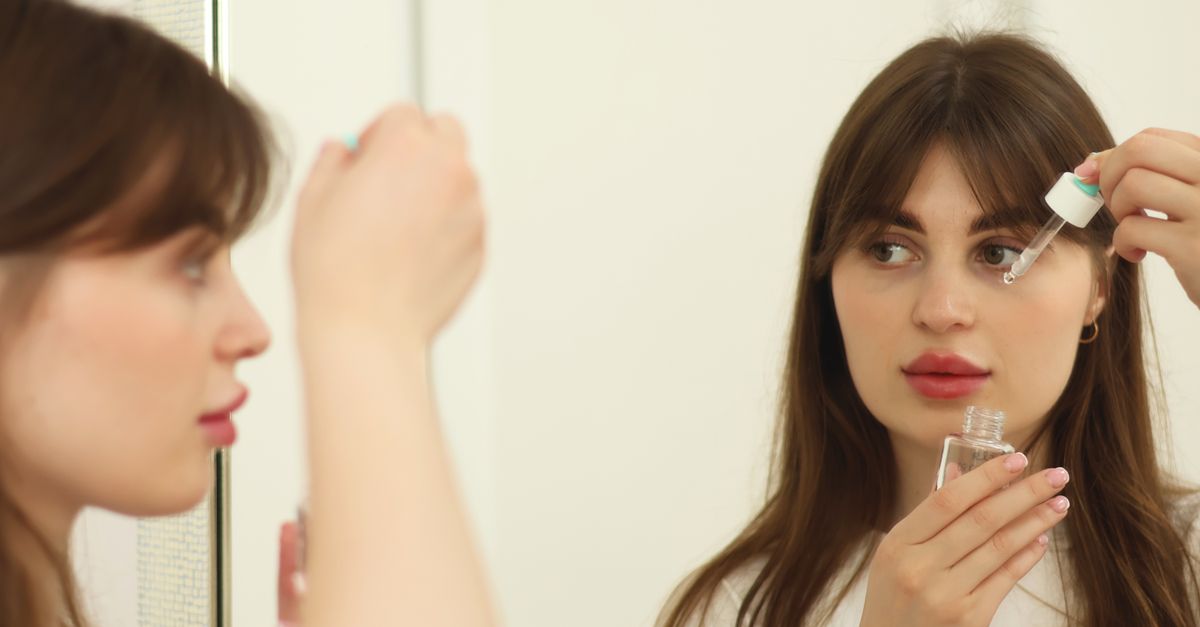
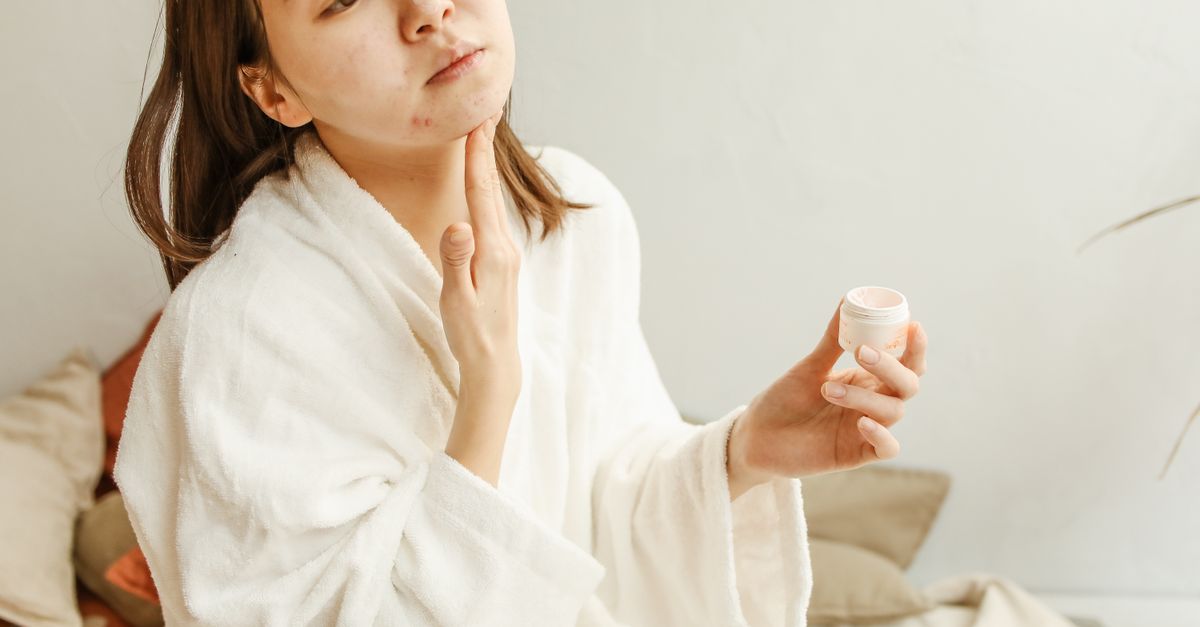
MDacne Customized Acne Treatment Benzoyl Peroxide is a tailored topical formulation engineered to penetrate sebaceous follicles and eradicate the pathogenic bacteria responsible for acne vulgaris. Its most common side effect is transient epidermal barrier disruption, presenting as localized dryness, peeling, and mild erythema during the initial weeks of dermatological therapy.
1. Introduction & Mechanism of Action of MDacne Treatment
The therapeutic efficacy of the MDacne Customized Treatment is driven entirely by the unique pharmacodynamics of benzoyl peroxide. When applied to the epidermis, this highly lipophilic molecule rapidly absorbs into the lipid-rich environment of the pilosebaceous unit. Upon entry, the compound destabilizes and cleaves, releasing a massive influx of free radical oxygen species directly into the pore.
Because Cutibacterium acnes is an obligate anaerobe, it cannot survive in an oxygen-rich environment. The free radicals aggressively oxidize the bacterial cell walls and vital intracellular proteins, resulting in swift bactericidal action. Furthermore, this physical oxidation prevents the bacteria from developing genetic resistance, a common failure point with traditional topical antibiotics. The customized formulation also provides a keratolytic effect, loosening the desmosomes holding dead skin cells together, which prevents the mechanical occlusion of the follicular opening.
2. Warnings & Before Applying MDacne Treatment
Patients with a documented history of severe allergic contact dermatitis regarding benzoyl peroxide must entirely avoid this customized formulation. Applying this oxidative agent to deeply excoriated lesions, severe sunburns, or skin recovering from aggressive chemical peels will trigger severe inflammatory cascades and delay epidermal regeneration.
Individuals with compromised skin barriers, particularly those managing active rosacea or atopic dermatitis, must utilize this medication with extreme caution. The potent keratolytic and oxidative properties will severely exacerbate preexisting inflammation. A preliminary patch test on the jawline is medically recommended to assess localized tolerance before proceeding with full facial application.
3. Indications & Dosage Guide for MDacne Treatment
This customized formulation is strictly indicated for the management of mild, moderate, and inflammatory acne vulgaris on the face. By actively destroying bacterial colonies and increasing cellular turnover, the treatment reduces existing inflammatory papules while proactively preventing the development of new comedones.
To achieve optimal clinical results, patients must cleanse the face with a gentle, non-medicated surfactant and allow the skin to dry completely. Applying benzoyl peroxide to damp skin significantly increases chemical penetration and subsequent severe irritation. A small, pea-sized amount should be distributed evenly across the entire acne-prone field, rather than used solely as a spot treatment. Therapy should be initiated once every other day, gradually titrating to daily use as the epidermal barrier adapts to the medication.
4. In-Depth Side Effects Analysis of MDacne Treatment
Common Side Effects
The expected clinical response involves a mild, controlled disruption of the superficial stratum corneum. Patients routinely experience localized xerosis, presenting as tight skin and visible flaking. A transient, mild burning or stinging sensation immediately following application is standard, alongside slight facial erythema caused by increased superficial blood flow in response to the active chemical.
Serious Side Effects You Should Report
Serious complications are rare but require immediate cessation of the active ingredient and professional dermatological assessment.
| Side Effect Category | Specific Symptoms |
|---|---|
| Severe Contact Dermatitis | Intense, weeping erythema, deep fissuring, severe burning pain |
| Systemic Hypersensitivity | Widespread facial edema, urticaria, sudden difficulty breathing |
| Severe Phototoxicity | Rapid, extreme blistering sunburn following minimal solar exposure |
Rare Side Effects
In highly melanated individuals, chronic, severe irritation from benzoyl peroxide can rarely trigger post-inflammatory hyperpigmentation, leaving dark macules on the skin long after the active acne lesion has healed. Isolated cases of temporary facial edema unassociated with anaphylaxis have been noted during the first week of aggressive high-dose therapy.
Side Effects That Usually Do Not Require Medical Attention
Mild itching that resolves as the product dries and minor textural changes to the skin surface are benign and expected during the retinization-like adaptation phase. Employing a robust, ceramide-rich moisturizer immediately following the treatment easily resolves these superficial symptoms.
5. Overdose of MDacne Treatment
A systemic overdose resulting in toxicity through standard topical facial application is impossible, as the molecule metabolizes into benzoic acid rapidly and is excreted renally if trace amounts cross into the vasculature. An extreme topical overdose achieved by applying massive quantities of the cream will exclusively result in a severe chemical burn, characterized by intense redness, peeling, and profound facial pain.
Accidental ingestion of the customized cream, primarily by young children, poses a moderate risk of gastrointestinal irritation. The oxidizing agent will irritate the esophageal and gastric lining, leading to nausea and vomiting. Rinsing the mouth thoroughly and administering oral fluids to dilute the chemical is required, followed by a consultation with a local poison control center.
6. Missed Dose & What to Avoid While Using MDacne Treatment
Consistency is the cornerstone of topical acne therapy. Missing an application allows the anaerobic bacterial populations to rapidly rebound within the follicles. If a patient misses a dose, they should apply it during the next scheduled routine. Doubling the dose to compensate is strictly prohibited, as it will induce severe chemical injury to the facial barrier.
Patients must rigorously avoid allowing the treated face to contact colored towels or pillowcases. Benzoyl peroxide acts as a potent fabric bleach and will permanently strip dyes from textiles. Furthermore, patients must absolutely avoid concurrent use of topical retinoids, physical scrubs, or astringent toners on the treated area, as this combination will completely destroy the stratum corneum.
7. Drug & Alcohol Interactions with MDacne Treatment
Because the pharmacological action is strictly localized to the epidermis, benzoyl peroxide does not interact with systemic oral medications. However, coordinating overlapping dermatological treatments is vital. For patients managing severe cystic acne requiring systemic intervention, reviewing isotretinoin guidelines is critical, as topical benzoyl peroxide must be immediately halted when initiating systemic retinoid therapy to prevent catastrophic skin peeling.
Systemic alcohol consumption does not chemically interact with the topical treatment. However, frequent alcohol intake dehydrates the body and the skin, profoundly exacerbating the severe xerosis and flaking caused by the daily application of the oxidizing agent.
8. Precautions, Safety & Duration of Action for MDacne Treatment
The bactericidal action initiates immediately upon absorption and persists continuously. However, visible reduction in inflammatory acne lesions demands absolute patient compliance for four to eight weeks. The skin must undergo several cellular turnover cycles before the prophylactic benefits of the treatment are fully realized.
The customized formulation must be stored in a cool, dry environment away from direct sunlight. High temperatures will cause the benzoyl peroxide molecules to decompose prematurely within the packaging, resulting in a complete loss of antimicrobial efficacy and rendering the therapy useless.
9. How to Stop Using MDacne Treatment & Storage/Disposal
Patients can discontinue the application abruptly without suffering physiological withdrawal. However, because acne is a chronic condition driven by hormonal fluctuations and sebum production, stopping the medication often results in a full relapse of inflammatory lesions within a month.
Dispose of the empty or expired product packaging in standard municipal waste. Do not empty the remaining cream into the sink or toilet, as potent biocidal agents can interfere with the bacterial breakdown processes heavily relied upon in municipal wastewater treatment facilities.
10. When to See a Doctor Regarding MDacne Treatment
Immediate dermatological intervention is strictly required if the patient develops severe, painful blistering on the face or if extreme swelling impedes the ability to open the eyes comfortably. If the acne lesions continue to worsen and develop into deep, painful, interconnected cysts after eight weeks of therapy, the patient has failed topical treatment and requires immediate systemic allopathic intervention to prevent permanent facial scarring.
11. Frequently Asked Questions (FAQ)
1. How does benzoyl peroxide differ from salicylic acid?
Benzoyl peroxide specifically targets and kills the bacteria causing the acne through oxidation. Salicylic acid primarily works by exfoliating the inside of the pore to remove dead skin cells and oil.
2. Why do I need to use this treatment every single day?
Acne bacteria multiply rapidly. Consistent daily application creates an oxygen-rich environment in the pores that continuously prevents the bacteria from recolonizing.
3. Can I put this cream directly on an open, popped pimple?
No. Applying benzoyl peroxide to broken skin will cause intense, severe burning and actually delay the healing process of the lesion, leading to a higher chance of scarring.
4. Will this medication bleach my eyebrows or facial hair?
While it is a bleaching agent, it typically requires prolonged, heavy contact to significantly bleach hair. However, it will instantly permanently bleach colored pillowcases and towels.
5. Why is my skin suddenly so dry and flaky?
The medication is a powerful keratolytic, meaning it forces the top layer of your skin to shed faster to prevent clogged pores. This naturally results in visible dryness and flaking initially.
6. Should I wash this off after a few minutes or leave it on?
Unless explicitly directed by your dermatologist to use it as short-contact therapy, this customized treatment is designed to be left on the skin overnight for maximum bacterial destruction.
7. How do I manage the severe burning sensation?
If the burning is severe, you are likely applying too much product or applying it to wet skin. Wait until the skin is bone-dry, use less product, and apply a thick moisturizer afterward.
8. Can I use this treatment while taking oral antibiotics for my acne?
Yes, dermatologists frequently prescribe topical benzoyl peroxide alongside oral antibiotics. The benzoyl peroxide actively prevents the bacteria from developing a resistance to the oral antibiotic.
9. Will this product make me more sensitive to the sun?
Yes, significantly. Removing the top layer of dead skin cells makes the fresh skin highly susceptible to severe sunburns. Daily application of a broad-spectrum SPF is strictly mandatory.
10. Is it safe to use this specific formulation during pregnancy?
Topical benzoyl peroxide is generally considered safe during pregnancy because systemic absorption is negligible. However, you must explicitly confirm its use with your obstetrician.
Bibliography
Disclaimer: The content is for informational purposes only and does not replace medical advice. Always consult your doctor or pharmacist for personalized treatment.