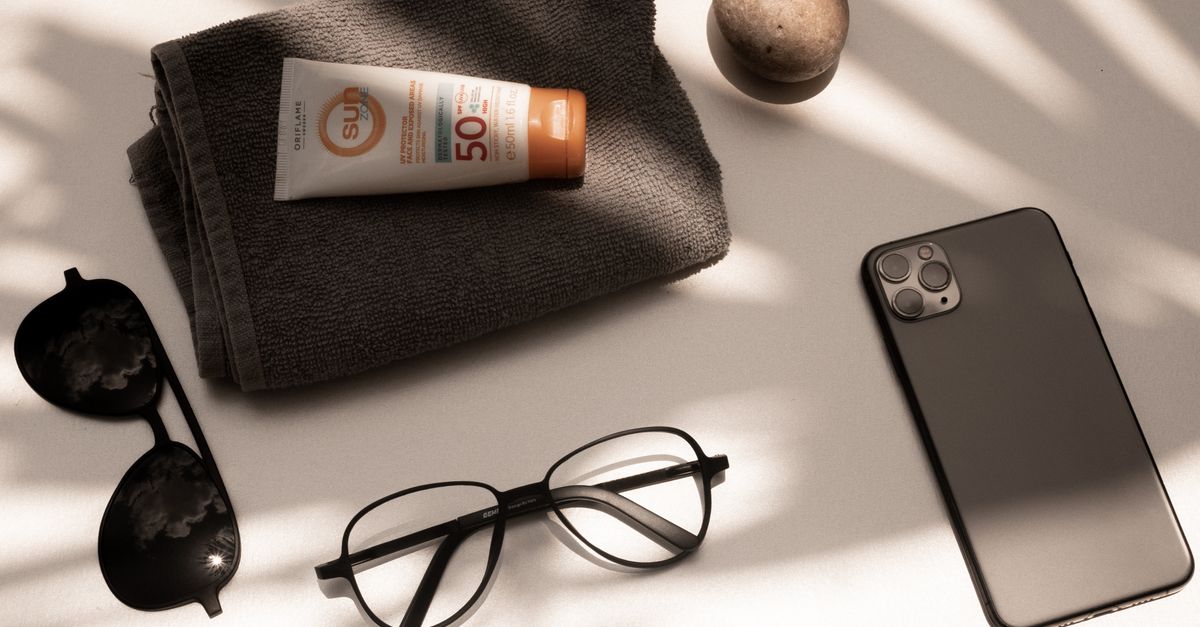
Riversol Daily Glow Mineral Untinted formulated with zinc oxide is a physical sunscreen designed to provide robust, broad-spectrum protection against ultraviolet radiation for sensitive facial skin. Because the active mineral sits entirely on the surface of the stratum corneum, the primary side effects are exclusively topical, often manifesting as minor follicular congestion or an unappealing white cast heavily dependent on the user’s natural Fitzpatrick skin type. Systemic toxicity is scientifically impossible under standard application parameters.
1. Introduction & Mechanism of Action of Zinc Oxide Sunscreen
Zinc oxide acts as an extraordinarily stable, inorganic physical ultraviolet filter. Unlike complex organic chemical sunscreens that must be entirely absorbed into the epidermal layers to convert ultraviolet rays into low-level heat, this mineral operates almost entirely on the absolute surface of the skin. The microscopically milled particles function as a dense network of millions of tiny physical mirrors resting heavily on the stratum corneum.
When exposed to solar radiation, these mineral particles aggressively scatter, reflect, and absorb both Ultraviolet A and Ultraviolet B wavelengths. By physically bouncing this destructive energy away from the body, the mineral absolutely prevents the radiation from penetrating the viable epidermal layers. This process stops the severe cellular DNA damage, massive collagen degradation, and acute erythema fundamentally associated with prolonged, unprotected sun exposure.
2. Warnings & Before Applying Riversol Mineral Untinted
The paramount clinical warning concerning physical mineral sunscreens revolves around the structural integrity of the application site. This heavy mineral suspension must never be applied to severely broken skin, actively weeping eczema plaques, or deep, unhealed thermal burns. Applying thick, occlusive zinc oxide over severely compromised tissue violently traps intense body heat and significantly increases the risk of sealing devastating bacterial infections deep within the raw dermal tissue.
Patients with a documented history of severe cosmetic hypersensitivity should exercise high clinical vigilance. While the active zinc oxide is biologically inert and globally recognized as highly hypoallergenic, the specific cosmetic formulation relies on various inactive emollients, stabilizing agents, and botanical extracts to maintain the liquid mineral suspension. Users must carefully review the inactive ingredient list and execute a localized patch test to definitively rule out a severe allergic response to the carrier base.
3. Application Guide & Indications for Zinc Oxide Mineral Filter
This specific dermatological formulation is medically indicated for the daily prevention of acute solar erythema, commonly referred to as sunburn, and the crucial long-term mitigation of photoaging, hyperpigmentation, and the development of cutaneous malignancies. It is specifically formulated to accommodate patients with highly sensitive skin, including those actively managing rosacea.
Optimal photoprotection relies entirely on the precision of the application technique. The user must dispense exactly one-quarter of a teaspoon of the product and apply a thick, highly uniform layer across the entire face and neck exactly fifteen minutes prior to direct solar exposure. The thick mineral paste must be massaged gently until the stark white cast sheer out to an acceptable level. Minimal application directly results in severe, microscopic gaps within the physical armor, guaranteeing localized ultraviolet tissue damage.
4. In-Depth Side Effects Analysis of Riversol Daily Glow
Because the massive zinc oxide molecules entirely fail to penetrate the bloodstream, the adverse reaction profile is confined exclusively to localized dermatological reactions associated with heavy physical occlusion.
Common Side Effects
The vast majority of adverse reactions stem from the thick, physically protective nature of the product. Users universally report a sensation of a heavy, slightly tacky film resting on the facial skin. The most prominent cosmetic side effect is a persistent, ashy white cast left on the skin surface, which becomes heavily pronounced on darker skin tones. Mild, localized sweating and trapped heat under the heavy lipid barrier are incredibly common in humid environments.
Serious Side Effects You Should Report
Severe localized tissue reactions are highly rare but strictly require the immediate physical removal of the product. If the user rapidly develops an acute, violently itchy, blistering red rash spreading precisely across the entire application area, a severe allergic contact dermatitis to the botanical inactive ingredients is occurring. The skin must be aggressively cleansed with a heavy surfactant, and a dermatologist must be consulted for topical corticosteroid management.
Rare Side Effects
Prolonged, daily use of this heavily occlusive barrier in extremely hot climates can occasionally induce severe miliaria rubra, commonly known as heat rash. This occurs when the thick mineral pastes physically block the delicate facial eccrine sweat ducts, forcing sweat to violently rupture into the surrounding epidermis, causing intense stinging and deep, red papules.
Side Effects That Usually Do Not Require Medical Attention
Minor, highly localized acne breakouts or the temporary development of tiny closed comedones simply require more aggressive evening double-cleansing routines to successfully dissolve the stubborn mineral debris. A mild stiffness or a heavy white residue transferring onto dark clothing collars requires absolutely no medical intervention.
| Side Effect Category | Specific Symptoms |
|---|---|
| Common | Heavy white cast, tacky skin sensation, minor trapped heat |
| Rare | Miliaria rubra, localized follicular congestion |
| Severe Topical | Violently itchy rash, weeping blisters, severe contact dermatitis |
5. Excessive Application and Overdose with Zinc Oxide
A pharmacological overdose through the topical application of zinc oxide is physiologically impossible. The heavy mineral molecules are far too massive to penetrate the intact stratum corneum and enter the systemic vascular circulation. Therefore, applying massive, thick layers of the product carries absolutely zero risk of heavy metal toxicity.
The only consequence of gross over-application is profound cosmetic and physical discomfort. Applying excessive layers will create an unyielding, chalky white mask that heavily clings to facial hair and aggressively suffocates the skin, massively increasing the likelihood of severe acne cosmetica flare-ups and intense heat trapping. Managing an over-application simply requires wiping off the excess paste with a dry, soft tissue.
6. Missed Application & What to Avoid While Using Riversol Mineral Untinted
In the strict context of photoprotection, a missed application directly equates to immediate cellular DNA damage. If a user forgets to apply the protective barrier and exposes their bare face to intense ultraviolet radiation, the physical damage to the collagen matrix begins within minutes. The only remedy is to immediately seek deep shade or apply the barrier as soon as the lapse is realized.
Users must strictly avoid a false sense of absolute biological security. Wearing high SPF mineral sunscreen does not grant biological immunity to solar radiation. Users must absolutely avoid prolonged, direct baking in peak midday sunlight, regardless of how meticulously the sunscreen is applied. Furthermore, users should avoid violently mixing this physical sunscreen directly with chemical sunscreens simultaneously, as the thick lipid base can actively prevent the chemical filters from properly binding to the epidermis.
7. Topical Interactions with Zinc Oxide Sunscreen
Because zinc oxide is biologically inert, it does not engage in complex biochemical interactions with other topical medications. It can generally be applied safely over the top of fully absorbed daily moisturizers, antioxidant serums, or systemic therapies like topical antibiotics.
However, users currently utilizing aggressive prescription exfoliants, such as titanium dioxide blends or potent retinoids, must be acutely aware that their skin is exceptionally vulnerable. While the zinc oxide safely protects this thinned, highly reactive skin from the sun, the heavy mechanical rubbing required to entirely remove the thick waterproof paste at the end of the day can cause severe physical micro-tears to the fragile, chemically treated epidermis.
8. Precautions, Safety & Duration of Action of Riversol Daily Glow
The most critical safety precaution involves meticulous and unyielding reapplication protocols. The physical barrier is highly susceptible to mechanical degradation. Friction from protective face masks, wiping the face with a towel, heavy sweating, or complete submersion in water will rapidly and physically shear the millions of tiny mirrors entirely off the skin surface.
The duration of absolute protective action is strictly limited. To maintain the labeled sun protection factor, the thick mineral layer must be rigorously re-applied at minimum every two consecutive hours. If the user engages in heavy water sports or intense sweating, reapplication is strictly mandatory every eighty minutes, or immediately following any aggressive towel drying, which instantly removes the fragile protective layer.
9. How to Stop Using Riversol Mineral Untinted & Storage/Disposal
Cessation of use carries absolutely no biological withdrawal. However, entirely removing the stubborn, highly water-resistant mineral paste at the end of the day requires specific chemical action. Standard water and gentle foaming cleansers will fail to break down the heavy lipids. Users must utilize a dedicated oil-based facial cleanser or a heavy cleansing balm to completely dissolve the zinc matrix and absolutely prevent devastating pore blockages.
Proper storage preserves the complex cosmetic emulsion. The tube must be kept in a cool, shaded environment. Leaving the tube in a violently hot car or baking directly in the sun will cause the heavy carrier oils and the zinc oxide powder to irreversibly separate into a gritty, entirely useless liquid. Empty tubes should be recycled according to local cosmetic disposal guidelines.
10. When to See a Doctor Following Zinc Oxide Use
Immediate dermatological evaluation is strictly required if the user applies the thick paste to a relatively new surgical scar or recent laser treatment site and subsequently develops deep, throbbing pain, radiating severe heat, and the sudden appearance of thick, yellow pus. This highly aggressive clinical presentation indicates that the occlusive barrier has trapped a severe staphylococcal infection deep within the unhealed dermal tissue.
Additionally, if a user develops a sudden, severe, full-body rash accompanied by extreme difficulty breathing immediately after applying the product, an extremely rare systemic anaphylactic response to one of the botanical carrier extracts must be suspected. This demands an immediate call to emergency medical services and the rapid administration of epinephrine.
11. Frequently Asked Questions FAQ
1. Why does this sunscreen leave a heavy white ghosting effect on my face?
Zinc oxide is a bright white, highly opaque physical rock powder. Because it sits entirely on top of the skin to block the sun, the white particles remain highly visible, particularly on darker Fitzpatrick skin types.
2. Can I apply this directly to an open, actively bleeding acne cyst?
Absolutely not. You must never apply heavy, occlusive sunscreens to severely broken or bleeding skin. Doing so will violently trap debilitating bacterial infections deep within the wound.
3. Does zinc oxide enter my bloodstream and cause systemic metal poisoning?
No. The zinc oxide particles in this highly regulated formulation are physically far too massive to pass through the intact human skin barrier. It safely remains entirely on the surface.
4. Will this heavy mineral lotion make me break out in terrible acne?
It is a significant risk. The thick emollients required to spread the heavy zinc powder are highly occlusive and can severely clog pores if not aggressively washed off with dedicated oil cleansers every single night.
5. How exactly does this mineral stop my face from rapidly aging?
Ultraviolet rays act like a destructive laser, violently breaking down the collagen matrix trapped in your skin. The zinc oxide acts exactly like a physical mirror, bouncing that destructive laser energy safely away from your body.
6. Is it entirely safe to use this specific product entirely around my eyes?
While biologically safe, it is extremely heavy. If it migrates directly into the eye, it will cause severe, transient stinging and blurry vision. Apply cautiously around the orbital bone.
7. Why is it so incredibly hard to wash off in the shower?
Mineral sunscreens are formulated with heavy, highly water-repellent waxes and oils to prevent them from rapidly melting off when you sweat. You must use a dedicated oil-based facial cleanser to break that waterproof bond.
8. Does applying a high SPF mean I can stay out in the sun all day long?
No. SPF ratings strictly measure protection under perfect, highly controlled lab conditions. In reality, you must aggressively reapply every two hours regardless of how high the SPF number is on the bottle.
9. Can I mix this thick lotion with my daily thin moisturizer to make it spread perfectly?
No. Mixing a sunscreen with absolutely any other product violently dilutes the active zinc oxide concentration and completely ruins the carefully formulated physical barrier, leaving you totally unprotected from the sun.
10. What should I do if the cream physically separates into an oily liquid and a gritty white paste?
You must throw it away immediately. Separation indicates that the fragile emulsion has permanently broken, usually due to extreme heat exposure. The zinc is no longer evenly distributed, and it will entirely fail to protect your skin.
12. Bibliography
Disclaimer: The content is for informational purposes only and does not replace medical advice. Always consult your doctor or pharmacist for personalized treatment.