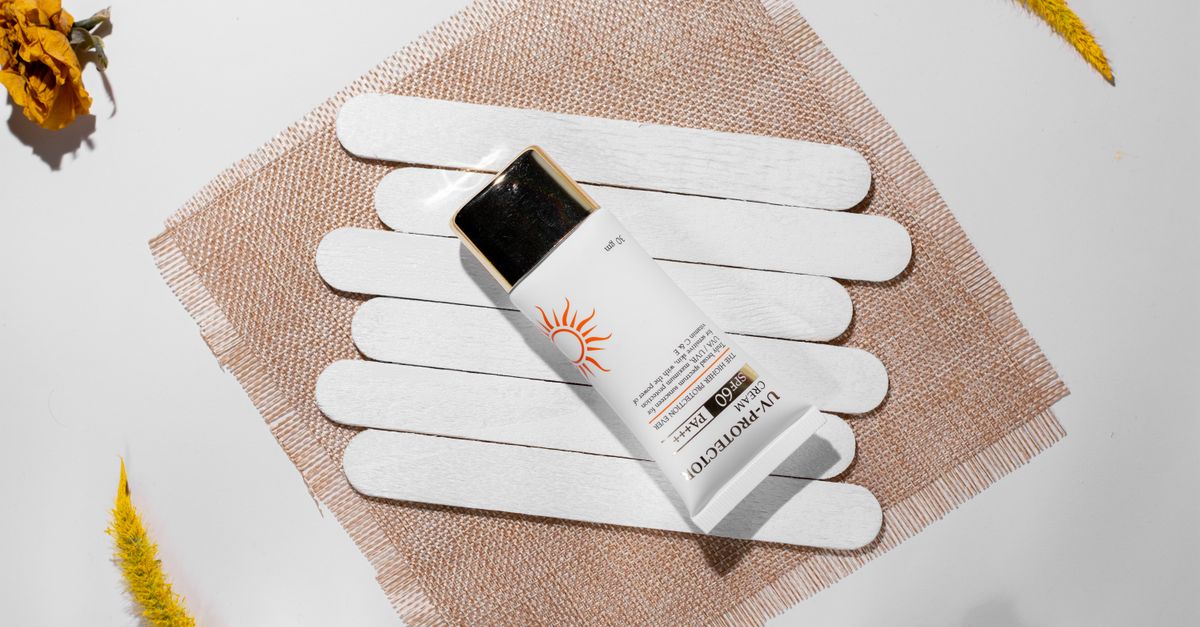
Koa Protect Our Ocean Life Sunscreen utilizes Titanium Dioxide and Zinc Oxide to provide a broad-spectrum, physical barrier against ultraviolet solar radiation. The most frequent side effect is localized pore occlusion leading to acne cosmetica and mild epidermal dryness. Thorough evening cleansing is critical to prevent chronic dermal congestion while maintaining effective daily defense against photoaging and cellular damage.
1. Introduction & Mechanism of Action of Koa Protect Our Ocean Life Sunscreen
Titanium Dioxide and Zinc Oxide function as highly effective inorganic physical UV filters. Unlike organic chemical sunscreens that absorb ultraviolet energy into the skin, these heavy mineral particulates rest securely atop the stratum corneum. From this superficial position, they act as microscopic mirrors, actively reflecting and scattering incoming UVA and UVB photons away from biological tissue.
This immediate reflection prevents the destructive solar energy from penetrating the epidermis and damaging cellular DNA. Furthermore, Zinc Oxide possesses inherent anti-inflammatory properties, making this mineral combination particularly beneficial for individuals with highly sensitive skin or inflammatory dermatological conditions. Because they are not absorbed systemically, they offer profound protection with minimal pharmacological interaction.
2. Warnings & Before Taking Koa Protect Our Ocean Life Sunscreen
This formulation is strictly designed for external topical application. Care must be taken to prevent accidental introduction of the mineral paste into the ocular cavity, as the particulate nature of the active ingredients will cause immediate, severe mechanical irritation and potential corneal scratching.
Individuals suffering from severely compromised skin barrier disorders, such as active weeping eczema or unhealed lacerations, should seek medical guidance before applying thick, occlusive mineral pastes, as trapping bacteria beneath a non-breathable layer can rapidly induce secondary infections. Those with known rare hypersensitivities to specific carrier oils or botanical inactive ingredients in the formulation must perform a localized patch test prior to full application.
3. Indications & Dosage Guide for Koa Protect Our Ocean Life Sunscreen
Koa Protect Our Ocean Life Sunscreen is clinically indicated for the daily prevention of solar-induced erythema, premature photocarcinogenesis, and structural collagen degradation. It is formulated without oxybenzone, making it environmentally compliant for coral reef safety while providing vital dermatological protection.
Optimal efficacy requires applying a generous, even layer to all exposed skin at least fifteen minutes prior to direct solar exposure. The thick physical nature of the minerals requires diligent rubbing to ensure an even protective shield. Reapplication is strictly necessary every two hours, and immediately following heavy perspiration, swimming, or aggressive towel drying, as the physical barrier is easily removed by mechanical friction.
4. In-Depth Side Effects Analysis of Koa Protect Our Ocean Life Sunscreen
Because the active mineral ingredients are not absorbed into the systemic circulation, adverse pharmacological events are entirely restricted to localized dermatological reactions related to the physical properties of the product.
Common Side Effects
The most prevalent adverse reaction is the development of closed comedones or acne cosmetica. The dense physical structure of Zinc Oxide and Titanium Dioxide heavily occludes facial pores, effectively trapping sebum and dead skin cells beneath the barrier. A noticeable white cast or chalky film on the skin surface is also a highly common, albeit harmless, visual side effect inherent to non-nano mineral sunscreens.
Serious Side Effects you should report
While exceedingly rare with physical minerals, severe allergic contact dermatitis can occur, typically in response to specific preservatives or fragrances within the inactive ingredient list. Patients must promptly report the sudden onset of painful vesicular blistering, intense localized swelling, or severe unyielding erythema. Severe reactions indicate a failure of the skin barrier and require dermatological intervention.
Rare Side Effects
In very isolated cases, prolonged use in highly arid environments without concurrent moisturization can lead to severe localized epidermal desquamation. Systemic toxicity is clinically impossible via topical dermal application of these heavy mineral compounds.
Side effects that usually do not require medical attention
Mild, transient skin dryness at the end of the day is an expected outcome due to the mild astringent properties of Zinc Oxide. The visual white cast requires no medical attention and serves as a physical indicator that the protective barrier remains intact on the skin.
| Side Effect Category | Specific Symptoms |
|---|---|
| Dermatological (Mild) | Pore congestion, mild dryness, visible white cast |
| Inflammatory Reactions | Severe redness, vesicular blistering, contact dermatitis |
| Ocular Complications | Mechanical scratching, severe tearing, intense burning |
5. Overdose on Koa Protect Our Ocean Life Sunscreen
A pharmacological overdose via standard topical application is clinically impossible. Applying excessive amounts of the product simply exacerbates pore occlusion, increases the severity of the white cast, and heightens the probability of developing inflammatory acne breakouts.
Accidental ingestion of a small amount is generally non-toxic, though it may induce mild nausea and minor gastrointestinal upset due to the heavy oils and mineral powders. If a substantial quantity is swallowed, particularly by a young child, emergency medical services and a poison control center should be contacted to evaluate the risk of bowel obstruction or severe vomiting.
6. Missed Dose & What to avoid while taking Koa Protect Our Ocean Life Sunscreen
Missing an application directly exposes the unprotected epidermal cells to severe ultraviolet damage and acute erythema. If an application is missed or delayed, the user must apply the product immediately and seek physical shade to mitigate the accumulation of solar radiation.
Users must stringently avoid applying this thick mineral formulation directly over deep puncture wounds or fresh surgical incisions. Additionally, the concurrent use of heavy, oil-based cosmetics immediately over the sunscreen can destabilize the mineral matrix, causing the product to pill or slide off the skin, thereby destroying the protective UV barrier.
7. Drug & Alcohol Interactions with Koa Protect Our Ocean Life Sunscreen
Topical mineral sunscreens exhibit zero systemic interaction with orally administered medications or alcohol. However, many systemic pharmaceuticals, including oral tetracyclines, thiazide diuretics, and nonsteroidal anti-inflammatory drugs, significantly increase cutaneous photosensitivity. Patients on these medications must be exceptionally diligent with their sunscreen application to prevent severe, rapid phototoxic burns.
Patients utilizing prescription topical retinoids must rely heavily on mineral sunscreens, as their stratum corneum is chemically thinned and highly vulnerable. For a deeper understanding of managing photosensitivity associated with potent dermatological treatments, review our clinical guide on tretinoin.
8. Precautions, Safety & Duration of Action for Koa Protect Our Ocean Life Sunscreen
The protective action is immediate upon application because the minerals physically block the light. However, the duration of this action is strictly limited by physical wear. The barrier degrades rapidly over two hours through natural sebum production, sweating, and environmental friction, making diligent reapplication the cornerstone of effective defense.
To maintain long-term skin clarity, rigorous evening cleansing protocols are absolutely mandatory. Standard water-based cleansers are often insufficient to break down heavy Zinc Oxide and Titanium Dioxide. An oil-based cleansing balm followed by a gentle foaming wash is necessary to dissolve the mineral paste and prevent chronic pore impaction.
9. How to stop taking Koa Protect Our Ocean Life Sunscreen & Storage/Disposal
Discontinuing the use of this specific sunscreen requires no medical protocol, but it instantly eliminates all physical defense against solar radiation. If the formulation causes persistent acne, the user should explore alternative mineral formulations with different carrier oils or lighter textures.
The product must be stored at controlled room temperature, entirely away from direct sunlight and extreme heat, such as inside a hot vehicle. High temperatures will cause the emulsion to separate, rendering the mineral dispersion uneven and the sunscreen completely ineffective for future application.
10. When to see a doctor regarding Koa Protect Our Ocean Life Sunscreen
A clinical dermatological evaluation is strictly required if the user develops severe, weeping blisters, unyielding facial swelling, or symptoms of severe contact dermatitis that do not resolve rapidly after washing the product away.
Furthermore, if the thick mineral paste inadvertently enters the eyes and thorough flushing with lukewarm water for fifteen minutes fails to resolve severe stinging, a gritty sensation, and blurred vision, an emergency ophthalmological consult is mandatory to ensure the delicate corneal tissue has not sustained mechanical scratching.
Frequently Asked Questions FAQ
1. Why does this sunscreen leave a noticeable white film on my face?
The white cast is caused directly by the Zinc Oxide and Titanium Dioxide. These natural minerals sit on top of your skin and act like microscopic mirrors to reflect sunlight, which naturally reflects visible white light as well.
2. Do I need to wait after applying it before going outside?
No. Because this is a physical mineral sunscreen, it provides immediate protection the moment it is applied to the skin, unlike chemical sunscreens which require fifteen minutes to absorb and activate.
3. Will this heavy product cause me to break out?
It certainly can if not removed properly. The heavy physical minerals trap oil and dead skin cells in your pores. Thoroughly double-cleansing your face every night is essential to prevent acne cosmetica.
4. Is this product safe to use on infants?
Mineral sunscreens are generally recognized as the safest option for infants over six months of age because they do not absorb into the bloodstream. Always consult your pediatrician prior to full application.
5. Why do my eyes sting if I sweat while wearing this?
While minerals are less chemically irritating than organic UV filters, the sweat can carry the heavy oils and microscopic mineral dust into your eyes, causing significant mechanical irritation.
6. How often do I really need to reapply this sunscreen?
Strict clinical guidelines dictate reapplication every two hours. The physical minerals rub off easily on clothing, towels, and through natural sweat production.
7. Does the sunscreen generate heat on my skin?
No. Unlike chemical sunscreens that convert UV rays into heat, mineral sunscreens physically bounce the rays away, keeping the skin slightly cooler.
8. What happens if I leave the bottle in a hot car?
Extreme heat will separate the protective oils from the heavy mineral powders. A heat-damaged sunscreen will offer uneven, severely compromised protection and must be immediately discarded.
Bibliography
Disclaimer: The content is for informational purposes only and does not replace medical advice. Always consult your doctor or pharmacist for personalized treatment.