Touchland Hydrating Hand Sanitizer Mist is a topical formulation containing ethyl alcohol as its principal pharmacological agent for antisepsis. It effectively eliminates superficial epidermal microflora, though extensive or improper application carries distinct risks of dermatological irritation and severe ocular toxicity.
1. Introduction & Mechanism of Action of Touchland Hydrating Hand Sanitizer Mist
The therapeutic efficacy of this product is derived from ethyl alcohol, a fast-acting, broad-spectrum antiseptic. Upon topical application, the alcohol permeates the lipid bilayers of pathogenic organisms, inducing the rapid denaturation of essential proteins and resulting in cellular death.
The added humectants serve solely to reduce the rapid trans-epidermal water loss typically associated with high-concentration solvent exposure. However, the foundational antimicrobial action depends entirely on the correct concentration of ethanol and adequate contact time.
2. Warnings & Before Taking Touchland Hydrating Hand Sanitizer Mist
This topical solution is strictly contraindicated for ingestion or application to deep mucosal tissues. It must never be applied to deep lacerations, puncture wounds, or active burns, as it induces severe tissue cytotoxicity and impedes the normal physiological healing cascade.
The solution is extremely flammable. Application must occur away from direct heat, sparks, and open flames. Patients utilizing home oxygen therapy must exercise extreme caution to ensure the product has completely evaporated prior to handling oxygen administration equipment to prevent fire hazards.
3. Indications & Dosage Guide for Touchland Hydrating Hand Sanitizer Mist
This formulation is indicated for routine cutaneous antisepsis to decrease bacterial populations on the hands. It is intended for use when traditional dermal cleansing with water and surfactant is clinically impractical.
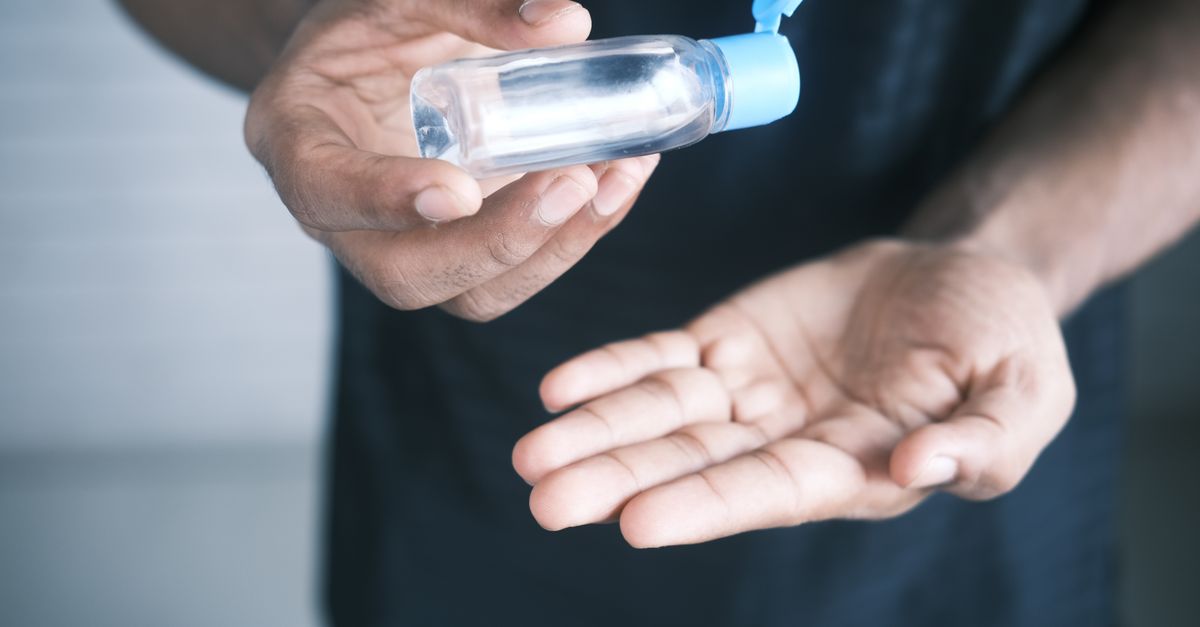
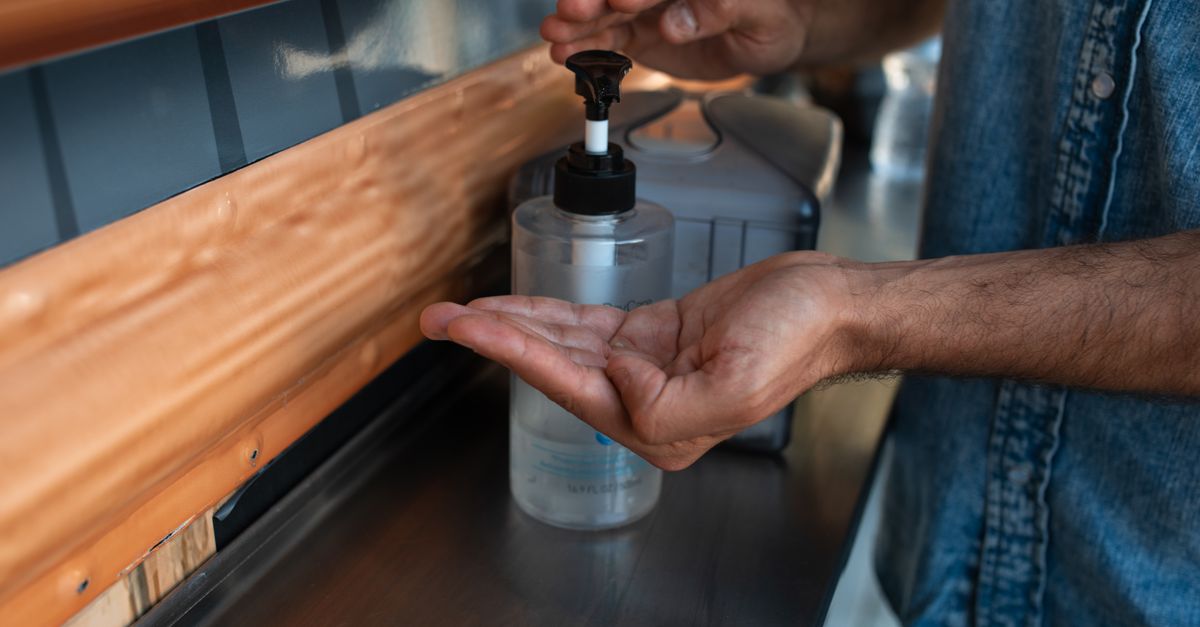
To achieve standard efficacy, depress the actuator to dispense an adequate volume covering all surfaces of the hands. Employ continuous mechanical rubbing, ensuring the solution is distributed evenly across the nail beds and interdigital webs until the skin surface feels entirely dry.
4. In-Depth Side Effects Analysis of Touchland Hydrating Hand Sanitizer Mist
Regular exposure to ethanol compromises the stratum corneum, leading to highly predictable, localized side effects.
Common Side Effects
The most prevalent adverse reaction is localized xerosis or dryness. Patients frequently report mild stinging, slight epidermal scaling, and transient erythema resulting from the solvent’s degreasing action on the skin’s lipid barrier.
Serious Side Effects You Should Report
Immediate clinical attention is warranted if the patient presents with severe fissuring, weeping contact dermatitis, or signs indicating a secondary bacterial infection at the application site.
Rare Side Effects
Idiosyncratic allergic reactions to the specific inactive ingredients or fragrances may manifest as intense pruritus, localized angioedema, or widespread allergic dermatitis in highly sensitive individuals.
Side Effects That Usually Do Not Require Medical Attention
Brief thermal changes, specifically a cold sensation caused by the rapid vaporization of the alcohol from the skin surface, are physiologically normal and harmless.
| Side Effect Category | Specific Symptoms |
|---|---|
| Epidermal Irritation | Pruritus, mild erythema, stratum corneum flaking |
| Severe Dermatological | Deep fissuring, vesicular eruptions, weeping dermatitis |
| Ocular Toxicity | Severe burning, photophobia, corneal damage |
5. Overdose: Symptoms and Management for Touchland Hydrating Hand Sanitizer Mist
Because transdermal absorption of alcohol is minimal, a topical overdose is virtually impossible. Acute toxicity is solely the result of accidental gastrointestinal ingestion.
Systemic toxicity presents rapidly, characterized by significant central nervous system depression, ataxia, slurred speech, and potentially fatal hypoglycemia. Emergency medical intervention is required. Treatment consists of aggressive supportive care and correcting metabolic imbalances.
6. Missed Dose & What to Avoid While Using Touchland Hydrating Hand Sanitizer Mist
Topical sanitizers are administered strictly on an as-needed basis. Therefore, the concept of a missed dose protocol does not apply to this clinical profile.
Patients must strictly avoid applying this mist near the eyes or mouth. Avoid immediate contact with open flames or static discharge until the hands are entirely dry. Do not apply the solution concurrently with caustic topical agents, as this combination will severely compromise epidermal integrity.
7. Drug & Alcohol Interactions with Touchland Hydrating Hand Sanitizer Mist
Topical ethyl alcohol does not enter the systemic circulation in sufficient quantities to cause pharmacokinetic interactions with oral medications.
However, local interactions are highly relevant. The application of alcohol can dissolve or alter the delivery matrix of transdermal therapeutic systems. Always apply patches, such as buprenorphine dermal patches, to clean, dry skin completely devoid of residual alcohol.
8. Precautions, Safety & Duration of Action for Touchland Hydrating Hand Sanitizer Mist
The duration of clinical action is limited to the evaporation time of the solvent. Once the hands are dry, no residual chemical barrier prevents new microbial colonization.
Patients with chronic dermatological conditions, such as severe contact dermatitis or plaque psoriasis, should utilize these products sparingly. The alcohol will rapidly exacerbate underlying epidermal inflammation.
9. How to Stop Taking Touchland Hydrating Hand Sanitizer Mist & Storage/Disposal
Usage can be terminated abruptly at any time without adverse physiological withdrawal effects. Patients simply transition back to standard hand hygiene practices.
The container must be stored in a climate-controlled environment, strictly isolated from extreme heat and direct sunlight. Disposal of the container must align with specific municipal guidelines governing flammable medical or cosmetic waste.
10. When to See a Doctor Regarding Touchland Hydrating Hand Sanitizer Mist
A physician must be consulted if the application site develops signs of cellulitis, severe allergic reactions, or intractable pain. In the event of ocular contact, rigorous flushing with water is mandatory, followed by an immediate assessment by an ophthalmologist.
Frequently Asked Questions (FAQ)
1. What is the active ingredient in this formulation?
The active pharmaceutical ingredient is ethyl alcohol, acting as a broad-spectrum denaturing agent.
2. Does this product expire?
Yes. Over time, the volatile alcohol evaporates, causing the concentration to fall below the clinically effective threshold required to kill bacteria.
3. Can frequent use cause severe skin damage?
Repeated use extracts natural epidermal lipids, which can lead to painful cracking and fissuring if the skin is not properly moisturized.
4. Is it safe to use before eating?
Yes, provided the liquid has completely evaporated prior to handling food to avoid accidental ingestion of the chemical residue.
5. Can I use this product to clean medical instruments?
No, topical sanitizers are formulated for intact human skin and are not approved or rated for the sterilization of clinical devices.
6. Why is it critical to let the hands dry fully?
The antimicrobial action occurs during the contact time. Wiping the hands prematurely reduces the total microbial kill rate and renders the application ineffective.
7. Does the product leave a sticky residue?
The humectants designed to protect the skin barrier may leave a minimal film, but this does not alter the pharmacological efficacy of the alcohol.
Bibliography
Disclaimer: The content is for informational purposes only and does not replace medical advice. Always consult your doctor or pharmacist for personalized treatment.