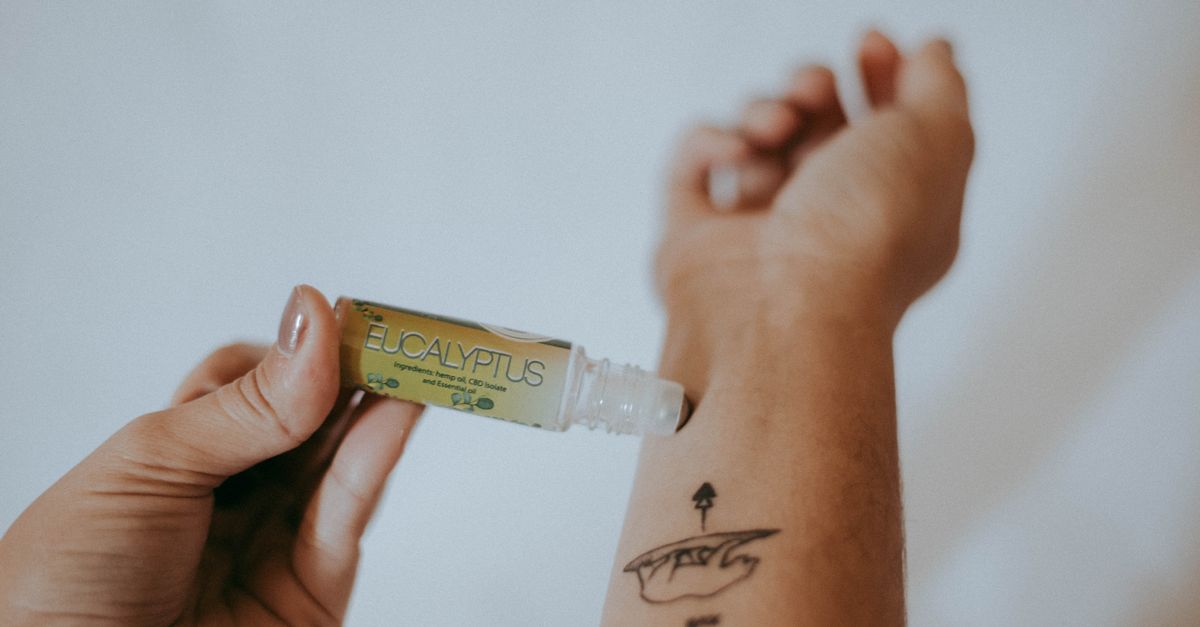
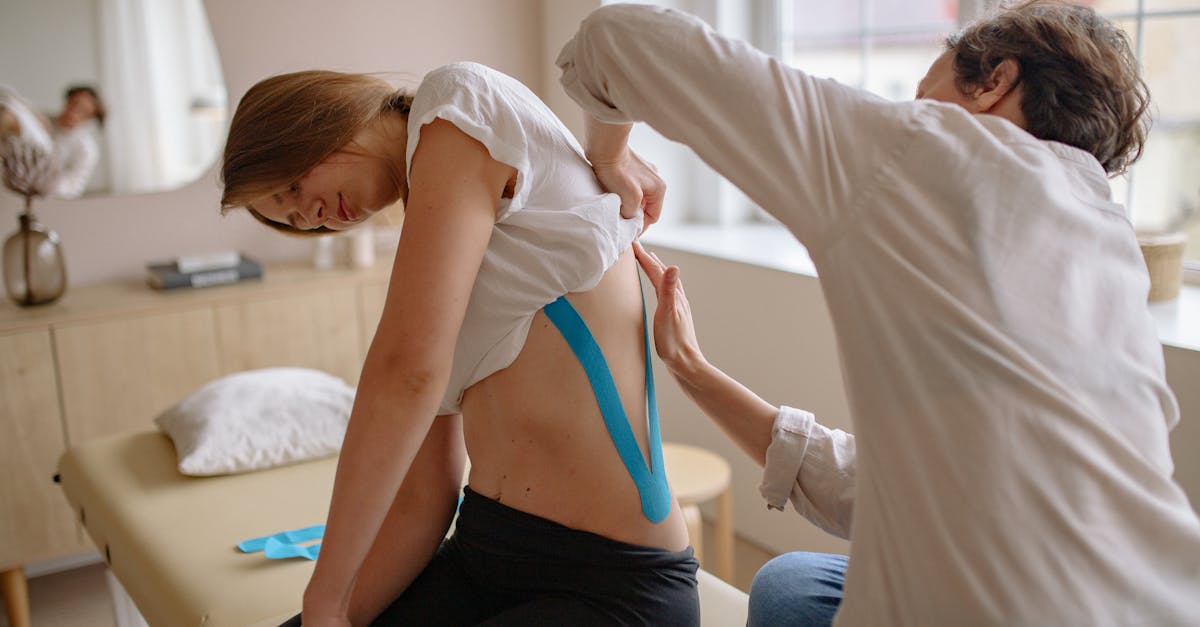
AcuPlus Pain Relief utilizes menthol as its primary active pharmaceutical ingredient, serving as a highly effective topical counterirritant. It is indicated for the rapid, temporary alleviation of musculoskeletal pain, though aggressive application or misuse with external heat sources can induce severe chemical and thermal burns to the epidermis.
1. Introduction & Mechanism of Action of AcuPlus Pain Relief
Menthol acts primarily as a topical counterirritant. When applied transdermally, the chemical specifically targets and activates the TRPM8 sensory receptors located within the cutaneous nerve endings. These are the primary thermoreceptors responsible for detecting cold sensations.
Upon activation, a profound physiological cooling sensation is transmitted to the central nervous system. This intense sensory input effectively distracts the brain from processing the deeper, underlying musculoskeletal pain signals, based on the Gate Control Theory of pain. Concurrently, menthol acts as a local vasodilator, increasing peripheral blood flow to the targeted area, which assists in clearing inflammatory mediators from the distressed tissue.
2. Warnings & Before Taking AcuPlus Pain Relief
This formulation is strictly indicated for external dermatological application on intact skin. It must never be ingested or applied to mucosal surfaces, including the eyes, nasal passages, and genitalia, due to its severe cytotoxic and irritant properties on unprotected cellular barriers.
The most critical clinical warning involves the simultaneous use of external heat. Patients must never apply a heating pad, hot water bottle, or tight, occlusive bandages over the treated area. The menthol fundamentally alters the skin’s thermal perception, destroying the body’s ability to sense excessive heat, which frequently results in severe, full-thickness thermal burns.
3. Indications & Dosage Guide for AcuPlus Pain Relief
This topical analgesic is clinically indicated for the temporary relief of minor aches and pains associated with simple backaches, arthritis, strains, bruises, and sprains.
For adults and children over the age of twelve, apply a thin layer of the product directly to the affected area no more than three to four times daily. Massage the liquid or cream gently into the skin until completely absorbed. Patients must thoroughly wash their hands with soap and water immediately following application to prevent accidental transfer to the ocular mucosa.
4. In-Depth Side Effects Analysis of AcuPlus Pain Relief
While systemically safe, the potent chemical nature of concentrated menthol predictably triggers localized dermatological responses.
Common Side Effects
Patients universally report an intense, transient cooling sensation followed by a localized feeling of warmth. Mild, temporary erythema at the application site is a normal physiological response to the induced vasodilation and increased superficial blood flow.
Serious Side Effects You Should Report
Immediate cessation and medical intervention are required if the patient develops severe, painful blistering, extreme localized swelling, or deep chemical burns. These symptoms strongly indicate an acute hypersensitivity reaction or severe chemical tissue damage.
Rare Side Effects
Prolonged, continuous exposure over many weeks can rarely induce a severe localized inflammatory condition known as contact dermatitis, presenting as an intractable, weeping vesicular rash that extends beyond the initial application boundaries.
Side Effects That Usually Do Not Require Medical Attention
A brief, mild stinging sensation upon initial application, particularly if the skin has been recently cleansed with hot water and the pores are open, is an expected response that typically resolves rapidly without medical intervention.
| Side Effect Category | Specific Symptoms |
|---|---|
| Dermatological | Mild erythema, intense cooling, mild stinging |
| Severe Tissue Damage | Blistering, severe chemical burns, deep swelling |
| Ocular Toxicity (Accidental) | Severe burning, extreme tearing, corneal abrasion |
5. Overdose: Symptoms and Management for AcuPlus Pain Relief
A topical overdose resulting in systemic toxicity is exceptionally rare under standard clinical usage, as transdermal absorption of menthol into the systemic circulation is highly limited.
However, acute systemic toxicity via accidental or intentional gastrointestinal ingestion is a severe medical emergency. Clinical signs of ingested menthol toxicity include profound central nervous system depression, extreme abdominal pain, ataxia, and severe respiratory distress. Management strictly contraindicates inducing emesis. Treatment focuses on aggressive airway protection, diluting the stomach contents, and providing immediate supportive care in an emergency setting.
6. Missed Dose & What to Avoid While Using AcuPlus Pain Relief
This medication is utilized strictly on an as-needed basis for symptomatic pain relief. Therefore, there is no clinical protocol for a missed dose. Patients simply reapply the medication when the analgesic effect wears off, respecting the maximum daily frequency limits.
Patients must rigorously avoid applying the product immediately before taking a hot shower or sitting in a sauna. The combination of environmental heat and open pores drastically intensifies the chemical absorption, frequently resulting in an unbearable burning sensation and severe epidermal damage.
7. Drug & Alcohol Interactions with AcuPlus Pain Relief
Due to the negligible systemic absorption profile of topical menthol, there is virtually zero risk of pharmacokinetic interactions with oral systemic medications, nor does it interact with systemic alcohol consumption.
Local interactions are the primary concern. Patients must not apply this product concurrently with other topical analgesics, such as diclofenac gel or capsaicin creams. The compounded chemical irritation will severely compromise the stratum corneum and induce deep chemical burns.
8. Precautions, Safety & Duration of Action for AcuPlus Pain Relief
The onset of therapeutic action is remarkably rapid, typically providing sensory relief within five minutes of application. The duration of the counterirritant effect generally lasts for a window of two to four hours before normal sensory transmission resumes.
Patients with compromised peripheral neuropathy, specifically advanced diabetic neuropathy, must use this product with extreme caution. The inability to accurately perceive the chemical burning sensation increases the risk of sustaining severe, undetected tissue damage during repeated applications.
9. How to Stop Taking AcuPlus Pain Relief & Storage/Disposal
Therapy can be abruptly discontinued at any point without adverse physiological withdrawal effects. If the residual burning sensation is uncomfortable, patients should wash the area thoroughly with cold water and mild soap.
Store the container in a cool, dark environment at controlled room temperature, strictly isolated from direct heat sources. Dispose of empty or expired containers through standard municipal waste protocols, ensuring they remain entirely inaccessible to children and domestic pets.
10. When to See a Doctor Regarding AcuPlus Pain Relief
Medical evaluation is strictly necessary if the musculoskeletal pain persists beyond seven days, visibly worsens, or if the application site becomes severely inflamed, blistered, and hot to the touch. These symptoms strongly suggest an underlying structural injury or a severe chemical burn requiring targeted medical intervention.
Frequently Asked Questions (FAQ)
1. How exactly does menthol stop my muscle pain?
Menthol creates an intense artificial cooling sensation on the skin surface that essentially distracts your brain, preventing it from fully processing the deeper pain signals coming from the muscle.
2. Why can’t I use a heating pad with this product?
The chemical alters how your skin senses temperature. A heating pad can cause severe, deep tissue burns because your body will not be able to warn you that the skin is too hot.
3. Is it safe to wrap my knee tightly after applying the cream?
No. Wrapping the area with a tight, occlusive bandage traps the chemical against the skin and drastically increases the risk of severe chemical blistering.
4. What should I do if I accidentally rub my eyes after applying this?
Immediately flush the affected eye under running lukewarm water for fifteen continuous minutes and seek emergency ophthalmological evaluation to rule out corneal damage.
5. Will this cure my arthritis?
No. This product provides strictly temporary symptomatic relief from the sensation of pain; it possesses absolutely no ability to cure structural joint damage or reduce deep joint inflammation.
6. Why does my skin turn slightly red after I apply it?
The menthol causes the local blood vessels near the surface of the skin to dilate, temporarily increasing blood flow to the area, which results in mild redness.
7. Can I apply this to a scrape or a fresh bruise?
It must never be applied to broken skin or open scrapes, as the chemical is highly toxic to unprotected tissues and will cause excruciating pain. It may be applied to the intact skin over a healed bruise.
Bibliography
Disclaimer: The content is for informational purposes only and does not replace medical advice. Always consult your doctor or pharmacist for personalized treatment.