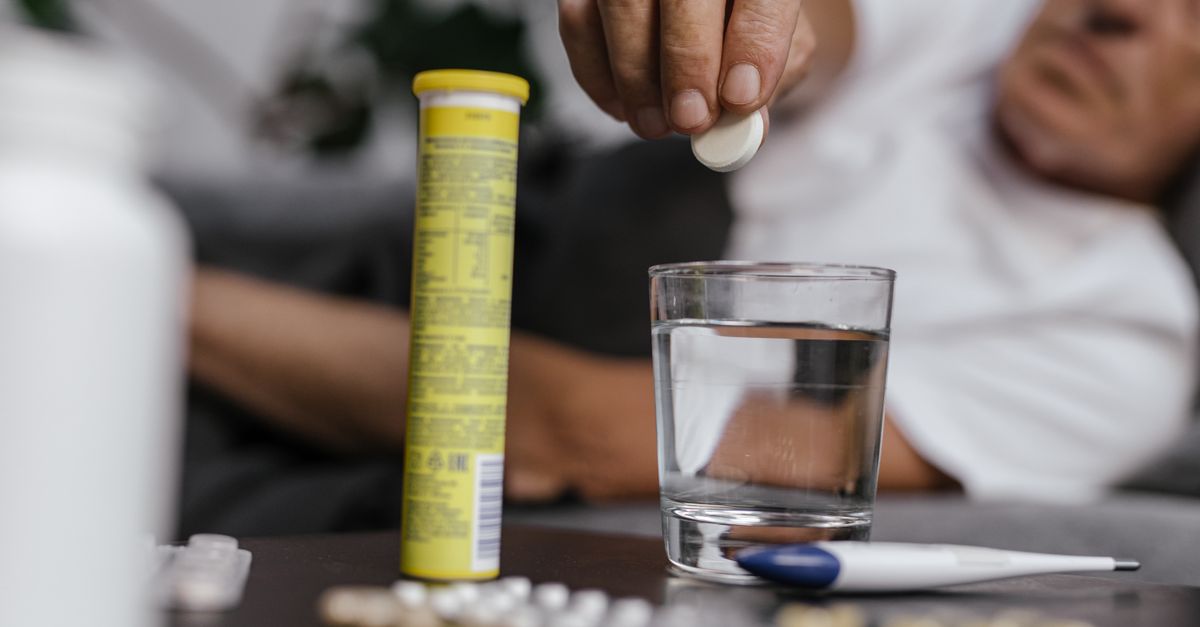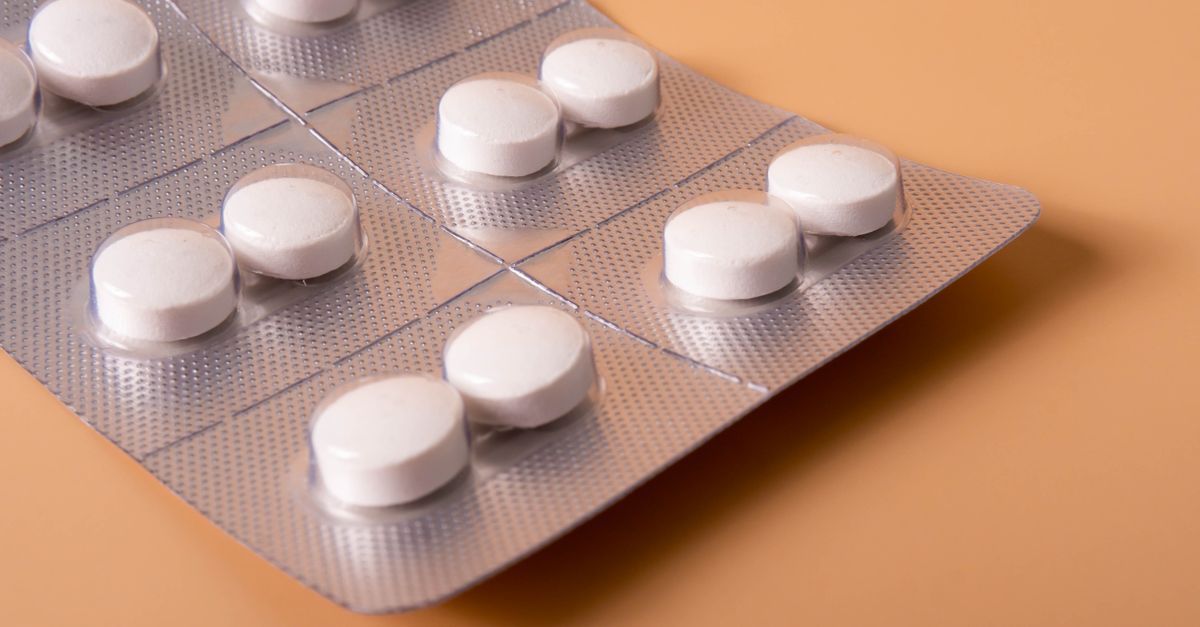
Gencare- Pain Relief Acetaminophen is a ubiquitous central analgesic and antipyretic medication utilized for the management of mild to moderate pain and fever. The most critical and potentially fatal side effect is severe hepatotoxicity, which predictably occurs when the maximum daily dosage threshold is intentionally or accidentally exceeded.
1. Introduction and Mechanism of Action of Acetaminophen
The active pharmaceutical ingredient in this formulation is acetaminophen. Unlike traditional nonsteroidal anti-inflammatory drugs, acetaminophen acts almost exclusively within the central nervous system. While its precise molecular mechanism remains a subject of ongoing pharmacological research, it is generally accepted that it inhibits cyclooxygenase enzymes centrally, thereby reducing the production of prostaglandins in the brain and spinal cord.
This central inhibition effectively elevates the pain threshold, altering the perception of pain signals. Furthermore, acetaminophen interacts directly with the hypothalamic heat-regulating center, promoting vasodilation and sweating to rapidly dissipate excess body heat and reduce fever. Crucially, because it lacks significant peripheral cyclooxygenase inhibition, acetaminophen provides virtually no anti-inflammatory action and avoids the severe gastrointestinal mucosal irritation characteristic of aspirin.
2. Warnings and Prerequisites Before Taking Gencare- Pain Relief Acetaminophen
The most severe clinical warning associated with acetaminophen is the profound risk of acute liver failure. Patients must meticulously check all concurrent medications, including prescription narcotics and over-the-counter cold remedies, to ensure they do not contain hidden acetaminophen. Exceeding four thousand milligrams in a twenty-four-hour period rapidly overwhelms hepatic detoxification pathways, leading to catastrophic liver necrosis.
Patients with pre-existing hepatic impairment, chronic alcoholism, or severe malnutrition must exercise extreme caution. In these vulnerable states, the glutathione stores in the liver are already depleted, meaning even standard therapeutic doses of acetaminophen can precipitate life-threatening hepatotoxicity. Individuals with known hypersensitivity to the drug must strictly avoid this product to prevent severe cutaneous reactions or anaphylaxis.
3. Indications and Dosage Guide for Acetaminophen
This medication is clinically indicated for the temporary relief of minor aches and pains associated with headaches, muscle aches, backaches, toothaches, minor arthritis pain, and premenstrual cramps. It is also highly indicated as a first-line antipyretic agent for the reduction of fever in both adult and pediatric populations.
The standard adult dosage is typically three hundred and twenty-five milligrams to six hundred and fifty milligrams taken orally every four to six hours as needed. For extra-strength formulations, the dosage is usually one thousand milligrams every six hours. It is absolutely critical not to exceed four thousand milligrams in any twenty-four-hour period. Doses can be administered with or without food.
4. In-Depth Side Effects Analysis of Gencare- Pain Relief Acetaminophen
When utilized strictly within the recommended dosage limits, acetaminophen is exceptionally well-tolerated. However, specific adverse events can still occur, and toxicity presents severe risks.
Common Side Effects
At standard therapeutic doses, common side effects are exceptionally rare. Some patients may occasionally report mild gastrointestinal upset, including mild nausea or transient dyspepsia. A slight headache following chronic use and subsequent sudden cessation, known as a rebound headache, can occur. Mild generalized fatigue is occasionally documented.
Serious Side Effects You Should Report
The sudden onset of right upper quadrant abdominal pain, profound fatigue, dark urine, or yellowing of the sclera requires immediate emergency intervention, as these are hallmark signs of acute liver failure. Symptoms of a severe allergic reaction, such as sudden wheezing, facial edema, and profound hypotension, mandate urgent emergency care. Unexplained severe bruising or bleeding suggests severe hepatic coagulopathy.
Rare Side Effects
Rarely, acetaminophen can trigger severe cutaneous adverse reactions, including Stevens-Johnson syndrome or toxic epidermal necrolysis. These conditions involve widespread mucosal blistering, skin sloughing, and carry a high mortality rate. Rare hematological complications, such as thrombocytopenia, leukopenia, and hemolytic anemia, have been documented following chronic high-dose therapy.
Side Effects That Usually Do Not Require Medical Attention
Mild, transient indigestion that resolves with food intake generally does not require medical cessation of the drug. A slight increase in sweating as a fever breaks is the intended pharmacological consequence of the antipyretic therapy and signifies the drug is working correctly.
| Side Effect Category | Specific Symptoms |
|---|---|
| Common | Mild nausea, transient dyspepsia, rebound headache |
| Serious | Jaundice, severe right upper quadrant pain, facial edema |
| Rare | Stevens-Johnson syndrome, thrombocytopenia, hemolytic anemia |
| Requires no medical attention | Mild transient indigestion, sweating as fever breaks |
5. Overdose Symptoms and Emergency Management
Acetaminophen overdose is a highly insidious and dangerous toxicological emergency. Toxicity occurs when the liver natural glutathione stores are depleted, causing a highly toxic metabolite to bind directly to liver cells, triggering massive necrosis. Initial symptoms are remarkably deceptive; patients may experience only mild nausea, vomiting, and diaphoresis for the first twenty-four hours. This is followed by a false recovery phase, before massive, irreversible hepatic failure, coagulopathy, and hepatic encephalopathy ensue around day three or four.
Immediate transportation to an emergency department is mandatory for any suspected overdose, even if the patient feels perfectly fine. Early intervention is absolutely critical. Management requires the rapid intravenous administration of N-acetylcysteine, a specific antidote that replenishes hepatic glutathione and neutralizes the toxic metabolite. Gastrointestinal decontamination with activated charcoal is highly effective if the ingestion occurred within the prior two hours.
6. Missed Dose Protocol and What to Avoid
Because this analgesic is utilized strictly on an as-needed basis for acute pain or fever management, a missed dose protocol is inapplicable. Patients should simply administer the medication when symptoms arise, ensuring they adhere strictly to the minimum four-to-six-hour interval between doses and never exceed the daily maximum limit to prevent toxic accumulation.
Patients must strictly avoid consuming alcohol while utilizing this medication. Chronic alcohol consumption powerfully induces specific liver enzymes that accelerate the conversion of acetaminophen into its highly toxic byproduct. Combining alcohol with acetaminophen massively escalates the risk of fatal liver failure. Patients must also meticulously avoid taking multiple cold, flu, or sleep medications simultaneously without verifying the active ingredients, as many contain hidden acetaminophen.
7. Drug and Alcohol Interactions with Acetaminophen
Alcohol consumption is heavily restricted due to the severe, compounded risks of catastrophic hepatotoxicity. Patients consuming three or more alcoholic beverages daily must consult a physician before using acetaminophen.
Pharmacological interactions are highly significant. Concomitant administration of hepatic enzyme inducers, such as phenytoin, carbamazepine, or rifampin, can increase the production of the toxic acetaminophen metabolite, increasing liver injury risk. Chronic, high-dose use of acetaminophen can dangerously prolong the half-life of systemic anticoagulants like warfarin, significantly elevating the international normalized ratio and the risk of severe bleeding.
8. Precautions, Safety, and Duration of Action
The onset of analgesia and antipyresis typically occurs within thirty to forty-five minutes of oral ingestion. The therapeutic duration lasts approximately four to six hours. Efficacy relies heavily on maintaining the correct dosing intervals. If pain persists continuously for more than ten days, or a fever lasts for more than three days, the medication must be discontinued and a physician consulted to rule out a severe underlying pathological condition.
Acetaminophen is widely considered the analgesic and antipyretic of choice during pregnancy, as extensive epidemiological data have not linked it to major congenital malformations when used intermittently at standard doses. However, continuous chronic use during pregnancy should be discussed with an obstetrician. It is also considered safe for nursing mothers, as it is excreted into human breast milk in clinically insignificant amounts.
9. How to Stop Taking Gencare- Pain Relief Acetaminophen and Storage/Disposal
Patients may discontinue the use of this medication immediately once their pain or fever resolves without requiring any tapering process. Due to the lack of physiological dependence, withdrawal symptoms are not a clinical concern upon cessation following standard therapeutic use.
The medication must be stored at controlled room temperature in a dry location, firmly away from direct heat or high humidity. Ensure the container is securely closed to prevent accidental pediatric access, as an overdose in a child is rapidly fatal. Discard expired or unneeded medication safely in household waste mixed with an undesirable substance like coffee grounds or kitty litter.
10. When to See a Doctor
Immediate emergency intervention is required if the patient develops signs of acute liver failure, such as severe upper right abdominal pain, intractable vomiting, and yellowing of the skin or eyes. The sudden onset of a severe skin rash with blistering and mucosal sloughing requires urgent emergency care for potential Stevens-Johnson syndrome.
A standard medical consultation is necessary if the pain worsens or new symptoms appear during treatment. Furthermore, if the patient is suffering from chronic pain requiring daily analgesia, they must consult a physician to establish a safe long-term management plan that does not continuously stress hepatic detoxification pathways.
Frequently Asked Questions (FAQ)
1. Can I take this with my over-the-counter cold medicine?
You must read the labels very carefully. It is highly dangerous to combine this product with any other medication containing acetaminophen. Taking multiple acetaminophen products leads to a massive, potentially fatal overdose.
2. Does this medication help with joint swelling and inflammation?
No. Acetaminophen is excellent for pain and fever, but it provides virtually zero anti-inflammatory action. If you have severe joint swelling, you may need to speak with your doctor about a different class of medication.
3. Why is it dangerous to drink alcohol with this?
Alcohol forces your liver to process acetaminophen through a different chemical pathway that produces a highly toxic byproduct. Combining the two can rapidly and permanently destroy your liver tissue.
4. Is it safe to take this on an empty stomach?
Yes. Unlike aspirin or ibuprofen, acetaminophen is very gentle on the stomach lining and does not typically cause ulcers or gastric bleeding. It is safe to take with or without food.
5. What should I do if I accidentally take more than the maximum daily dose?
You must go to an emergency room immediately, even if you feel perfectly fine. Acetaminophen liver toxicity has a delayed onset, and early medical treatment with an antidote is absolutely critical to save your liver.
6. Can I give this to my child for a fever?
Yes, acetaminophen is widely used for pediatric fevers. However, you must use a pediatric-specific liquid formulation and measure the dose precisely according to the child weight, not their age.
7. Why did my headache come back worse after I stopped taking this?
If you take pain relievers almost every day for weeks or months, your brain becomes accustomed to them. When you stop, you can experience a severe rebound headache, which requires medical guidance to resolve safely.
Bibliography
Disclaimer: The content is for informational purposes only and does not replace medical advice. Always consult your doctor or pharmacist for personalized treatment.