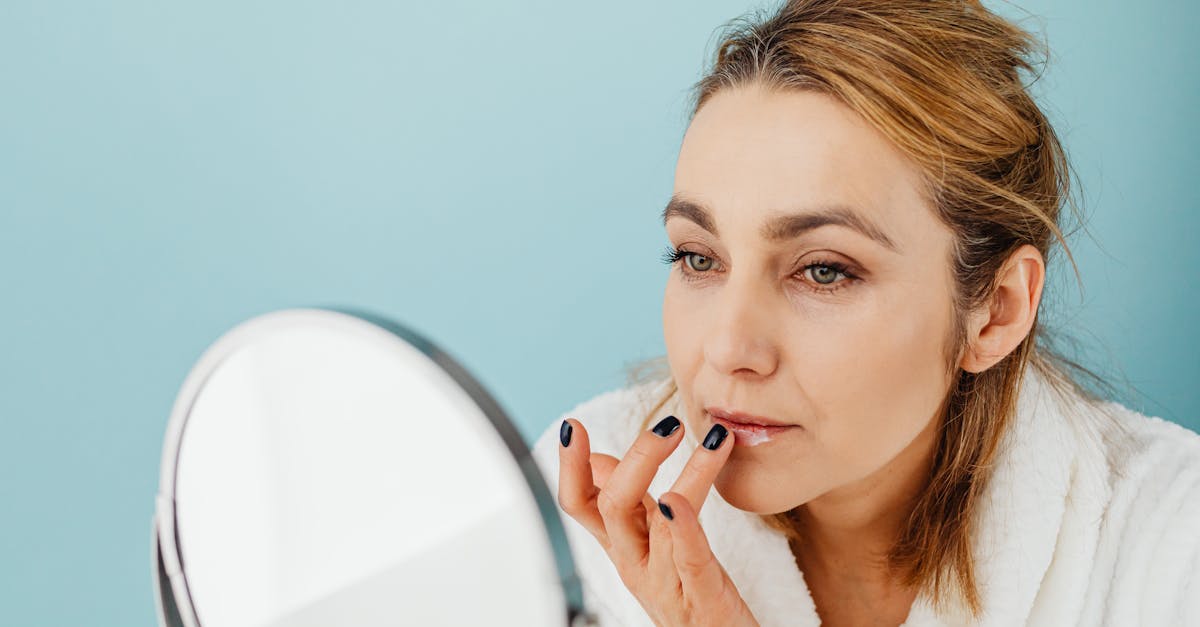
Big Mood SPF 30 Milky Lip Balm is a specialized topical photoprotectant utilizing the inorganic mineral zinc oxide to shield the delicate labial mucosa from solar radiation. The most frequently observed side effect is mild, localized drying of the lips and the presence of an aesthetically noticeable white or milky cast due to the opaque nature of the mineral filters.
1. Mechanism of Action of Big Mood SPF 30 Milky Lip Balm
This formulation employs zinc oxide as its singular active pharmaceutical ingredient for photoprotection. The skin of the lips is exceptionally thin, lacking melanin and sebaceous glands, making it highly vulnerable to actinic damage. Zinc oxide functions as a broad-spectrum, inorganic physical filter.
Upon application to the lips, the microfine zinc particles assemble into a uniform, highly reflective barrier resting atop the labial tissue. When exposed to sunlight, this mineral shield immediately reflects and scatters both ultraviolet A and ultraviolet B photons away from the lips. This physical deflection prevents high-energy radiation from penetrating cellular structures, preventing severe sunburns and reducing the long-term risk of squamous cell carcinoma of the lip.
2. Warnings and Prerequisites Before Using Zinc Oxide Lip Balm
Patients must rigorously assess the integrity of their labial tissue prior to application. The product must not be applied to actively bleeding fissures, severe cold sores, or deeply ulcerated lesions on the lips. Applying particulate mineral matter to deep, open dermal wounds can delay natural tissue repair and potentially invite secondary bacterial colonization.
Individuals with an established history of severe cosmetic allergies should proceed with caution. While elemental zinc oxide is virtually hypoallergenic, the waxes, oils, and artificial flavorings required to create the balm base can provoke hypersensitivity. A preemptive application test is recommended for highly reactive skin profiles to rule out allergic contact cheilitis.
3. Indications and Dosage Guide for Big Mood SPF 30 Milky Lip Balm
Dermatologists strongly recommend daily application of photoprotective lip balms to prevent acute solar erythema, actinic cheilitis, and the development of cutaneous malignancies on the lower lip, which receives a disproportionate amount of direct ultraviolet exposure.
Clinical efficacy depends on continuous application. The balm must be applied generously to both the upper and lower lips fifteen minutes prior to outdoor exposure. Because the lips are subject to constant mechanical friction from talking, eating, and drinking, the mineral barrier is rapidly depleted. Therefore, strict reapplication is required every hour or immediately following the consumption of food or beverages.
4. In-Depth Side Effects Analysis of Big Mood SPF 30 Milky Lip Balm
The cutaneous safety profile of mineral filters is excellent, but the unique environment of the lips and the likelihood of ingestion introduce specific, mild adverse events.
Common Side Effects
The most regularly observed adverse events include a mild feeling of heaviness or waxiness on the lips. Patients frequently note a distinct white cast or milky residue due to the opaque nature of the zinc particles. Slight desquamation or peeling of the lips can occur due to the inherently astringent properties of zinc oxide drawing moisture away from the tissue.
Serious Side Effects You Should Report
Serious inflammatory responses mandate immediate cessation of use. Symptoms indicating a significant hypersensitivity reaction include severe labial edema, intense burning sensations, and the formation of fluid-filled vesicles around the mouth. These symptoms represent severe allergic contact cheilitis requiring clinical evaluation.
Rare Side Effects
Rarely, long-term use without proper removal can lead to localized bacterial infections or exacerbation of perioral dermatitis. True allergic reactions to medical-grade zinc oxide are exceptionally rare.
Side Effects That Usually Do Not Require Medical Attention
Mild exacerbation of pre-existing dry lips is common and easily resolved with the concurrent use of a non-SPF hydrating ointment, such as petrolatum, applied beneath the sunscreen balm. Minor tingling immediately upon application is generally benign.
| Side Effect Category | Specific Symptoms |
|---|---|
| Common | Mild lip dryness, heavy waxy feeling, visible white residue |
| Serious | Severe lip swelling, intense burning, vesicular rash |
| Rare | Exacerbation of perioral dermatitis, localized infection |
| Requires no medical attention | Minor flaking of the lips, transient tingling |
5. Overdose Symptoms and Emergency Management
Applying an excessive volume of this balm to the lips does not induce systemic pharmacological toxicity. The primary result of topical over-application is a thick, cosmetically undesirable white layer that feels highly uncomfortable. Wiping the excess away with a tissue resolves this issue completely.
Systemic toxicity is slightly more relevant with lip products due to inadvertent ingestion. Swallowing small amounts of the zinc-based balm throughout the day is generally harmless. However, if a child ingests an entire tube, the high concentration of zinc oxide and waxes can severely irritate the gastric mucosa. Symptoms may include nausea, abdominal cramping, and emesis. Caregivers should contact a poison control center if a large quantity is ingested.
6. Missed Dose Protocol and What to Avoid
A missed application directly translates to a complete absence of ultraviolet protection for highly vulnerable tissue. Unprotected exposure initiates immediate cellular DNA damage. If application is forgotten, the user must apply the product immediately upon realization.
Users must strictly avoid the misconception that a single morning application provides all-day protection. Lip products wear off faster than any other topical cosmetic. Furthermore, avoid applying this thick, mineral-heavy balm to the delicate periorbital area in an attempt to protect the eyes, as the heavy waxes can easily cause milia or severe ocular irritation.
7. Drug and Alcohol Interactions with Big Mood SPF 30 Milky Lip Balm
The absolute lack of systemic absorption through the labial mucosa means interactions with oral medications, intravenous therapies, or alcohol consumption are nonexistent. Patients managing systemic diseases can safely incorporate this product into their daily regimen without fear of altering their internal medication pharmacokinetics.
Topical interactions represent the primary clinical concern. Applying heavy, glossy lip oils or lipsticks over the mineral balm will disrupt the even distribution of the zinc oxide, creating unprotected gaps on the lips. It is advised to apply the mineral balm as the final protective step, or exclusively use the balm without other cosmetics during intense sun exposure.
8. Precautions, Safety, and Duration of Action
The protective duration is extremely finite and highly vulnerable to physical disruption. The barrier remains effective for roughly one hour under normal conditions, but is immediately removed by eating, drinking, or licking the lips. Constant vigilance and reapplication are strictly required to maintain continuous defense.
This formulation is universally recognized as highly safe for vulnerable populations. It is the preferred photoprotection modality for pregnant women and pediatric patients over six months of age. The large molecular weight of the active ingredients strictly prohibits systemic circulation, guaranteeing safety even with minor, incidental ingestion.
9. How to Stop Taking Big Mood SPF 30 Milky Lip Balm and Storage/Disposal
Cessation of this photoprotective product requires no medical supervision or tapering schedule. Thorough removal at the end of the day is recommended to prevent particulate accumulation in the fine lines of the lips. Wiping the lips with a makeup remover or a warm, damp cloth is highly effective.
The stability of the wax emulsion demands specific storage conditions. The product must be kept at controlled room temperature. Carrying the balm in a pocket or leaving it in a hot vehicle will cause the waxes to melt and separate from the zinc oxide, permanently ruining the formulation and rendering the sun protection factor completely unreliable. Dispose of empty tubes in household waste.
10. When to See a Doctor
Medical attention is strictly necessary if an application results in severe, intractable itching, blistering, or spreading swelling of the lips that does not subside after washing the area. This indicates an acute allergic reaction that may require prescription topical treatments.
Patients must also consult a dermatologist if they develop a persistent, non-healing scaly patch or a chronic, bleeding sore on the lower lip. This is a primary indicator of squamous cell carcinoma or severe actinic cheilitis, which requires immediate biopsy and surgical intervention, regardless of diligent sunscreen habits.
Frequently Asked Questions (FAQ)
1. Why does this lip balm make my lips look white?
The active ingredient, zinc oxide, is a highly opaque white mineral. Because it sits on top of the skin to reflect sunlight rather than absorbing into the tissue, it naturally leaves a visible white or milky cast.
2. Is it safe to lick my lips while wearing this?
Incidental licking of the lips is safe, as pharmaceutical-grade zinc oxide is non-toxic in small quantities. However, licking your lips removes the protective barrier, meaning you must reapply the balm immediately.
3. Can zinc oxide cause an allergic reaction on my lips?
True allergy to elemental zinc oxide is exceptionally rare. If you experience an allergic reaction, it is almost exclusively triggered by the waxes, oils, or artificial flavorings within the balm base.
4. Can I put lipstick over this balm?
It is generally not recommended to apply heavy cosmetics over a physical mineral barrier. The mechanical friction of applying lipstick will wipe away the zinc oxide, leaving your lips unprotected.
5. Why do my lips feel drier after using this?
Zinc oxide possesses natural astringent properties. While the balm base contains waxes to provide moisture, the mineral itself can draw moisture away from the lips, leading to mild, temporary peeling.
6. Does zinc oxide penetrate the bloodstream if I swallow it?
While small amounts may pass through your digestive system if swallowed, the large molecular size of the mineral prevents it from being absorbed into your systemic blood circulation in any toxic capacity.
7. Does this product expire?
Yes. Like all sunscreens, the active ingredients and the carrier waxes degrade over time. Using the product past its printed expiration date risks compromised efficacy and inadequate ultraviolet protection.
Bibliography
Disclaimer: The content is for informational purposes only and does not replace medical advice. Always consult your doctor or pharmacist for personalized treatment.