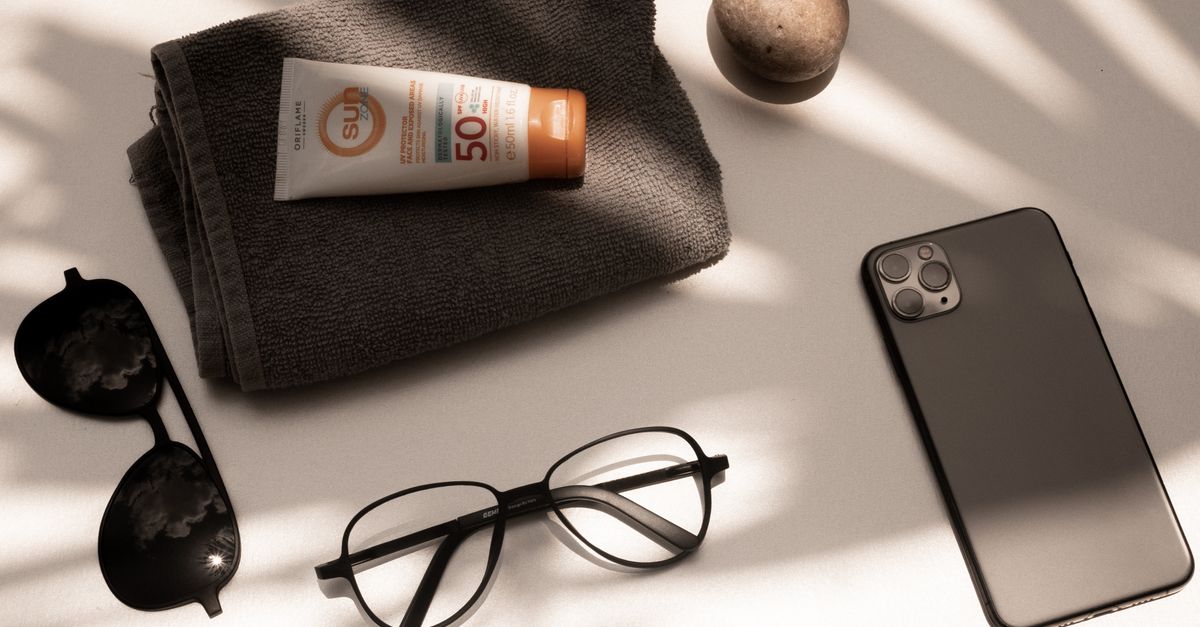
EltaMD UV Daily Tinted is a hybrid facial photoprotective lotion that utilizes physical zinc oxide and chemical octinoxate alongside mineral pigments for broad-spectrum defense. The primary side effect is localized skin irritation, which is often linked to the chemical filter, along with the potential for temporary fabric staining from the iron oxide tint.
1. Mechanism of Action for EltaMD UV Daily Tinted
This tinted formula operates through a dual-mechanism filtration system. Octinoxate acts as a potent organic ultraviolet B absorber. It captures high-energy solar radiation before it can penetrate the viable epidermis, converting the photon energy into harmless thermal energy that is released from the skin.
Concurrently, zinc oxide acts as an inorganic physical shield. The microfine particles reside on the stratum corneum, reflecting and scattering ultraviolet A and ultraviolet B rays. The specific addition of iron oxides provides the tint, which negates the typical white cast associated with minerals. Importantly, these pigments provide an additional physical barrier against high-energy visible light, a known catalyst for hyperpigmentation.
2. Vital Warnings Before Using Zinc Oxide and Octinoxate
Patients must verify they lack a history of hypersensitivity to cinnamate derivatives prior to application. Octinoxate possesses a higher intrinsic potential to trigger allergic contact dermatitis than elemental zinc oxide. A preemptive patch test on a small area of the forearm is strongly advised for individuals with a history of severe topical allergies or rosacea.
Application must be strictly confined to intact epidermal tissue. Patients must never apply this product to actively bleeding wounds, severe thermal burns, or compromised skin exhibiting signs of active infection. Introducing chemical UV filters into deeply excoriated tissue can provoke severe localized inflammation and unwanted systemic absorption.
3. Indications and Proper Application of EltaMD UV Daily Tinted
Dermatologists recommend this formulation to prevent acute sunburn and to mitigate the long-term risks of premature photoaging and cutaneous malignancies. The tinted aspect makes it highly indicated for patients managing conditions like melasma, as it provides a protective shield against visible light while cosmetically evening out the skin tone.
Efficacy requires applying a liberal and uniform layer fifteen minutes prior to outdoor exposure. This lead time is mandatory for the octinoxate to establish a uniform absorptive film across the skin. The standard recommended volume for the face and neck is one quarter of a teaspoon. Reapplication must be rigorously executed every two hours.
4. In-Depth Side Effects Analysis of EltaMD UV Daily Tinted
While hybrid sunscreens provide elegant and broad-spectrum coverage, they combine the side effect profiles of both physical and chemical filtering agents.
Common Side Effects
The most universally reported adverse reactions are mild and transient. Patients often experience slight stinging immediately upon application, especially on a compromised moisture barrier. A mild warming sensation may occur as the chemical filters dissipate UV energy. The tinted formula frequently causes temporary discoloration of light-colored clothing or towels upon contact.
Serious Side Effects You Should Report
Serious inflammatory responses mandate immediate cessation of use. Symptoms indicating a significant hypersensitivity reaction include widespread urticaria, severe facial edema, intense burning sensations, and the formation of vesicles. These symptoms represent acute allergic contact dermatitis requiring clinical evaluation.
Rare Side Effects
Octinoxate carries a rare potential to induce photoallergic dermatitis. This occurs when the chemical structure of the filter interacts with ultraviolet light to form an allergen, triggering a severe rash exclusively in sun-exposed areas. True systemic endocrine disruption from topical octinoxate remains theoretical and lacks definitive human evidence at standard cosmetic concentrations.
Side Effects That Usually Do Not Require Medical Attention
Mild occlusion of the pores may occur, leading to the temporary formation of open or closed comedones if the skin is not properly cleansed. A slight feeling of superficial greasiness is a benign cosmetic effect of the hydrating formulation base.
| Side Effect Category | Specific Symptoms |
|---|---|
| Common | Transient stinging, minor skin warming, clothing transfer |
| Serious | Severe pruritus, periorbital edema, vesicular rash |
| Rare | Photoallergic dermatitis, theoretical endocrine concerns |
| Requires no medical attention | Minor comedones, temporary greasy appearance |
5. Overdose Symptoms and Management Protocols
Topical overdose of this product does not lead to systemic pharmacological toxicity. Applying an excessive volume simply results in a heavy, cosmetically unappealing residue that increases the likelihood of follicular occlusion and subsequent acneiform eruptions. Washing the face with a standard cleanser resolves the issue completely.
Accidental oral ingestion, particularly by pediatric patients, requires observation. Swallowing the lotion may cause minor gastrointestinal irritation, resulting in mild nausea or transient loose stools due to the zinc oxide and chemical components. Caregivers should wipe the mouth clean and offer water. If a massive amount is ingested, seek guidance from a poison control center.
6. Missed Application and What to Avoid
A missed application directly translates to an absence of ultraviolet protection. Unprotected exposure initiates immediate cellular DNA damage and oxidative stress within the dermal layers. If application is forgotten, the user must apply the product immediately upon realization and seek shade to minimize cumulative radiation exposure.
Users must strictly avoid applying the emulsion directly into the conjunctival sac. Octinoxate is highly irritating to the ocular mucosa and will cause severe stinging and reflex tearing. Furthermore, patients must avoid the misconception that wearing tinted sunscreen provides total immunity, allowing for prolonged, deliberate sunbathing.
7. Drug and Alcohol Interactions with Zinc Oxide and Octinoxate
The minimal systemic absorption of these active ingredients ensures that interactions with oral medications, intravenous therapies, or alcohol consumption are nonexistent. Patients managing systemic diseases can safely use this topical product without altering the pharmacokinetics of their internal medications.
Topical interactions are the primary concern. Applying prescription lightening agents such as hydroquinone concurrently requires caution. The medical treatment must be applied first and allowed to absorb entirely before the sunscreen is applied, to avoid diluting the active medication and to ensure the chemical UV filters set properly on the skin surface.
8. Safety Precautions and Duration of Efficacy
The protective duration is finite and highly vulnerable to physical disruption. The chemical filters degrade under continuous ultraviolet exposure, while the physical barrier is wiped away by sweat and friction. The product remains fully effective for exactly two hours under normal conditions, demanding strict adherence to reapplication schedules.
Safety in pregnancy is generally accepted by regulatory bodies; however, pregnant patients often exercise extreme caution regarding chemical filters like octinoxate due to theoretical systemic absorption. Pregnant or nursing individuals preferring absolute caution should consult their physician regarding a switch to a purely physical mineral formulation.
9. Discontinuing Use and Safe Storage Guidelines
Cessation of this photoprotective product requires no medical tapering schedule. Patients must ensure they substitute it with another form of sun protection to avoid continuous actinic damage. Thorough removal at the end of the day is critical; a double-cleansing method is recommended to properly dissolve the tinting pigments and physical filters.
The stability of the emulsion demands specific storage conditions. The product must be kept at controlled room temperature and protected from freezing or extreme heat. Exposure to high temperatures, such as inside a car, can permanently degrade the octinoxate. Dispose of empty containers through standard household waste management protocols.
10. When to Seek Medical Attention
Medical attention is strictly necessary if an application results in severe, intractable itching, blistering, or spreading erythema that does not subside after washing the face. This indicates an acute allergic reaction that may require prescription topical corticosteroids.
Patients must also consult a dermatologist for regular skin cancer screenings. If a pigmented lesion exhibits asymmetry, border irregularity, color variation, or rapid evolution, an immediate biopsy is clinically indicated, regardless of how diligently tinted sunscreen is applied.
Frequently Asked Questions (FAQ)
1. Does the tint in this product protect against screens?
Yes. The iron oxides utilized for the tint provide a physical barrier against high-energy visible light emitted by digital screens and the sun, which is highly beneficial for melasma patients.
2. Will this product match my skin tone?
The tint is formulated to be sheer and adaptive, neutralizing the white cast of zinc oxide while blending into a variety of light to medium skin tones.
3. Why do I need to reapply if I am indoors?
UVA rays can penetrate window glass. If you sit near a window or drive during the day, reapplication remains necessary to prevent cumulative photoaging.
4. Is this sunscreen safe for sensitive skin?
While generally well-tolerated, the inclusion of the chemical filter octinoxate means individuals with highly reactive or allergic skin should perform a patch test before full use.
5. How do I prevent it from staining my clothes?
Allow the product to dry and set on the skin for five to ten minutes before dressing in tight-fitting, light-colored clothing.
6. Can I mix this sunscreen with my foundation?
Mixing sunscreen with cosmetics is strictly contraindicated. Altering the formula dilutes the active ingredients and destroys the uniformity of the protective film.
7. Does this product cause a warming sensation?
Yes. The chemical filter octinoxate absorbs UV rays and converts them into heat. This can occasionally be perceived as a mild warming sensation on the skin.
Bibliography
Disclaimer: The content is for informational purposes only and does not replace medical advice. Always consult your doctor or pharmacist for personalized treatment.