1. Introduction and Mechanism of Action for Trubrexa Patch Er
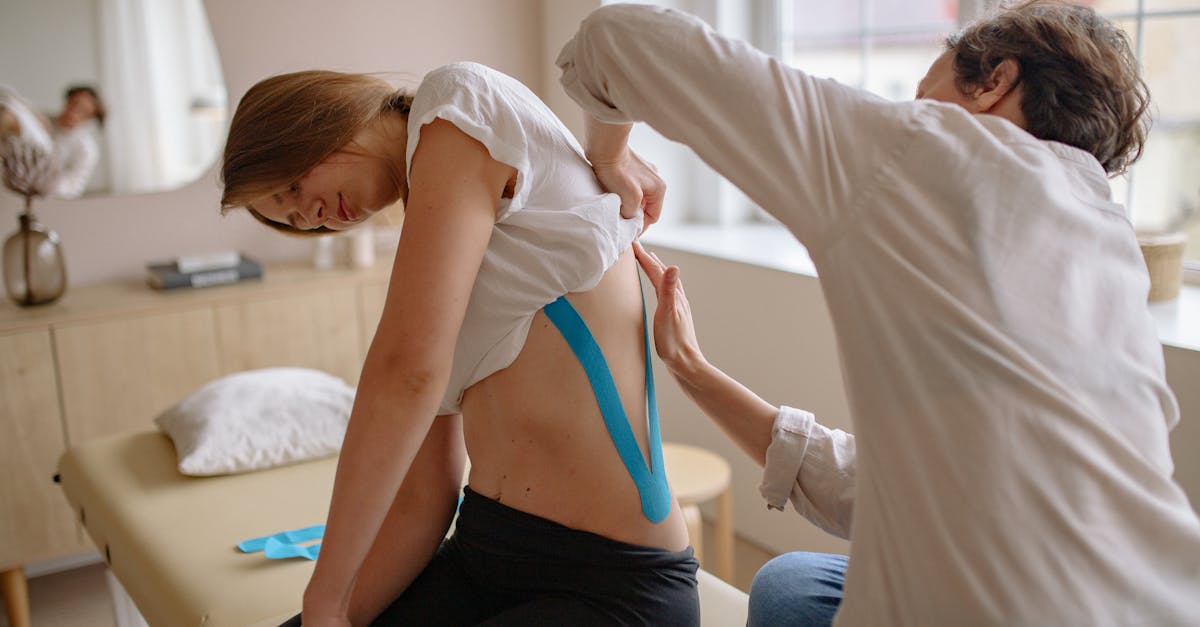
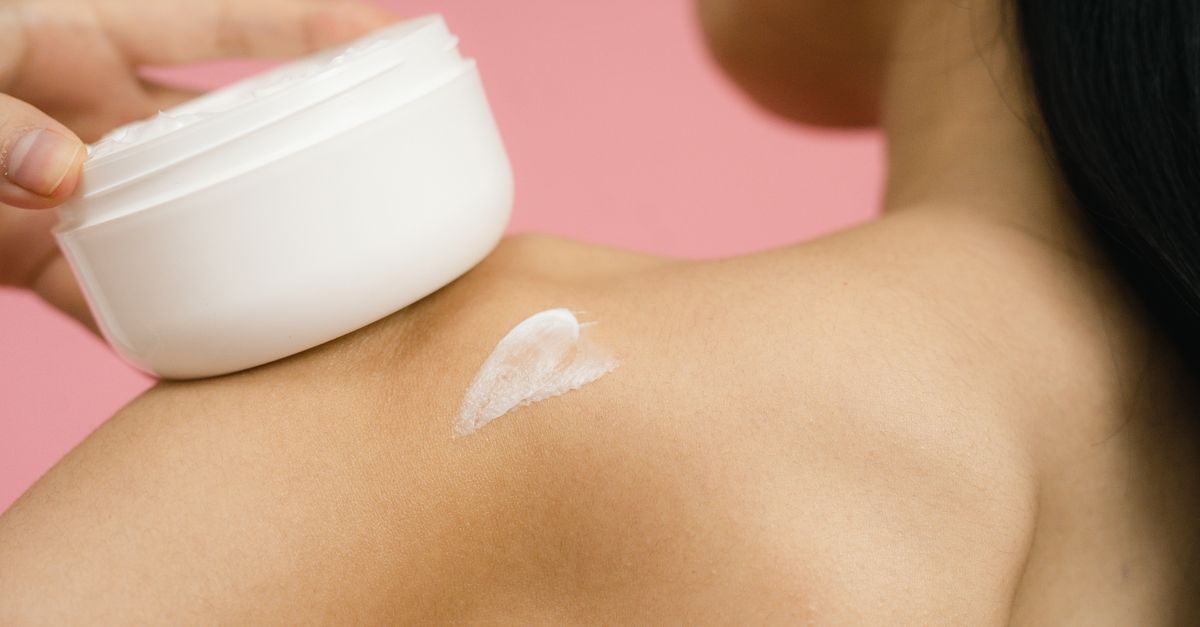
Trubrexa Patch Er is a specialized topical medication formulated to manage severe neuropathic pain. The most notable side effect experienced by patients is application site erythema, characterized by localized redness and a temporary burning sensation. This transdermal system delivers a dual-action therapeutic effect directly to the peripheral nervous system, bypassing the digestive tract and minimizing systemic exposure.
The mechanism of action relies on the synergistic combination of a transient receptor potential vanilloid 1 agonist and an amide-type local anesthetic. Capsaicin binds to specific pain receptors in the skin, initially causing local depolarization and subsequent depletion of substance P, a key neurotransmitter involved in pain signaling. This prolonged depletion ultimately desensitizes the sensory nerve endings to pain stimuli.
Simultaneously, the lidocaine component stabilizes the neuronal membrane. It achieves this by inhibiting the ionic fluxes required for the initiation and conduction of impulses along the nerve fiber. While oral medications like pregabalin alter central pain processing, this transdermal patch directly interrupts the local generation of peripheral pain signals, providing targeted relief.
2. Warnings and Before Applying Trubrexa Patch Er
Prior to prescribing this topical therapy, clinicians must verify that the patient does not possess a known hypersensitivity to amide-type local anesthetics or capsicum derivatives. Applying the patch to broken, inflamed, or actively infected skin is strictly contraindicated. The compromised skin barrier significantly increases the systemic absorption of both active ingredients, risking severe toxicity.
Patients with severe hepatic impairment require close monitoring. The liver metabolizes lidocaine extensively. Even though systemic absorption from the patch is typically low, a compromised liver can lead to an accumulation of anesthetic metabolites in the bloodstream over continuous days of therapy. A thorough medical history regarding hepatic function is mandatory.
Furthermore, extreme caution is necessary when utilizing magnetic resonance imaging. Some transdermal systems contain trace metal components in the backing layer. Leaving the patch on during an imaging scan can cause severe thermal burns at the application site. Patients must be explicitly instructed to remove and discard the patch before entering a radiology suite.
3. Indications and Dosage Guide for Trubrexa Patch Er
This extended-release patch is indicated for the management of localized neuropathic pain, such as postherpetic neuralgia or diabetic peripheral neuropathy. It is specifically designed for intact skin and is utilized when oral analgesic therapies are either ineffective or poorly tolerated due to systemic side effects.
The standard clinical dosage protocol involves applying up to three patches simultaneously to the most painful areas of the skin for a maximum of twelve hours within a twenty-four-hour period. The twelve-hour on and twelve-hour off cycle is critical. This resting phase prevents the development of tolerance and significantly reduces the risk of systemic lidocaine toxicity and severe skin irritation.
Before application, the designated skin area must be clean, completely dry, and free of lotions or oils. Hair in the application area should be clipped with scissors rather than shaved, as shaving micro-abrades the skin. The patch may be cut to match the specific size and shape of the painful area prior to removing the release liner.
4. In-Depth Side Effects Analysis of Trubrexa Patch Er
While transdermal delivery minimizes systemic side effects, local dermal reactions are highly prevalent due to the pharmacological nature of the active ingredients.
Common Side Effects
The vast majority of adverse reactions are confined to the application site. Patients frequently report erythema, mild pruritus, and a distinct sensation of warmth or burning upon initial application. These localized reactions are a direct pharmacological response to the capsaicin component stimulating local nerve endings before desensitization occurs. These symptoms generally peak within the first few days of therapy and diminish as the skin adjusts to the medication.
Serious Side Effects you should report
Systemic absorption, though rare, can provoke serious cardiovascular and neurological events. Patients must immediately report an irregular heartbeat, sudden dizziness, or profound drowsiness. Severe blistering, skin ulceration, or a loss of sensation spreading far beyond the application site requires urgent clinical assessment. Respiratory depression or swelling of the face indicates a severe hypersensitivity reaction.
Rare Side Effects
In highly rare circumstances, patients utilizing multiple patches simultaneously have developed systemic local anesthetic toxicity. This condition manifests as visual disturbances, tinnitus, muscle twitching, and in extreme cases, convulsions. Chemical burns have also been documented when external heat sources are applied over the patch, rapidly altering drug delivery kinetics.
Side effects that usually do not require medical attention
Transient changes in skin pigmentation around the patch edges, mild scaling, or brief episodes of localized tingling upon patch removal are generally harmless. These minor dermatological changes resolve spontaneously once the therapy is completed or discontinued.
| Side Effect Category | Specific Symptoms |
|---|---|
| Dermatological (Local) | Erythema, burning, pruritus, mild scaling |
| Neurological (Systemic) | Dizziness, tinnitus, muscle twitching, drowsiness |
| Cardiovascular (Systemic) | Irregular heartbeat, severe hypotension |
| Immunological | Blistering, severe rash, facial swelling |
5. Overdose Symptoms and Management for Trubrexa Patch Er
An overdose through the transdermal route is uncommon but highly dangerous if application protocols are ignored. Toxicity primarily results from elevated serum lidocaine levels. Symptoms of an overdose escalate from mild neurological impairment to severe systemic collapse. Early warning signs include perioral numbness, a metallic taste in the mouth, and severe agitation.
If an overdose is suspected, the immediate priority is the complete removal of all patches from the patient. The skin must be gently cleansed with water to remove any residual medication, taking care not to rub forcefully, which could increase absorption. Do not use soaps or alcohol-based solvents for this initial cleansing.
Emergency medical intervention is mandatory. Treatment for systemic local anesthetic toxicity involves cardiovascular and respiratory support. In severe clinical scenarios where cardiac arrest is imminent, the intravenous administration of lipid emulsion therapy acts as a pharmacological sink, rapidly binding the circulating anesthetic and reversing toxicity.
6. Missed Dose and What to avoid while taking Trubrexa Patch Er
If a patient forgets to apply a patch at their scheduled time, they should apply it as soon as they remember. However, the strict maximum duration of twelve hours must still be observed from the time of application, followed by a mandatory twelve-hour patch-free interval. Overlapping schedules to compensate for a missed application strictly violates safety protocols and increases toxicity risk.
It is strictly forbidden to apply external heat sources, such as heating pads, electric blankets, or hot water bottles, directly over or near the applied patch. Heat drastically increases local blood flow and alters the permeability of the skin, causing a rapid and uncontrolled surge of medication into the systemic circulation.
Patients must avoid touching their eyes or mucous membranes after handling the patch. Capsaicin is highly irritating to ocular tissue and can cause severe chemical conjunctivitis. Thorough hand washing with soap and water is mandatory immediately after applying or removing the transdermal system.
7. Drug and Alcohol Interactions with Trubrexa Patch Er
Drug interactions are minimized due to the localized nature of the therapy, but they are not entirely eliminated. Concurrent use of Class I antiarrhythmic drugs, such as tocainide or mexiletine, requires extreme caution. These medications share metabolic pathways and pharmacological profiles with lidocaine, creating a risk for additive and potentially lethal cardiac toxicity.
Patients receiving multiple local anesthetics for dental or surgical procedures must inform their physician about their patch usage. The cumulative dose of amide anesthetics from all sources must be meticulously calculated to prevent exceeding safe serum thresholds.
Alcohol consumption does not directly interact with the localized delivery mechanism of the patch. However, excessive alcohol intake can exacerbate underlying peripheral neuropathies and alter sensory perception. This sensory blunting could prevent a patient from noticing severe skin irritation or chemical burns developing beneath the patch.
8. Precautions, Safety, and Duration of Action of Trubrexa Patch Er
The pharmacological relief provided by the patch is generally maintained throughout the twelve-hour application period and often persists well into the twelve-hour resting phase. The capsaicin component induces a prolonged state of desensitization in the nerve terminals that outlasts the actual physical presence of the transdermal system.
Precautions must be taken regarding patient mobility and clothing. Tight or highly restrictive clothing worn over the patch can increase friction, leading to premature detachment or intensified local skin irritation. The patch should remain securely in place during normal daily activities but must be checked periodically to ensure the edges have not curled.
Special consideration is required for patients with compromised skin integrity, such as those with severe eczema or active psoriasis. The altered barrier function of diseased skin makes systemic absorption highly unpredictable. A dermatologist should be consulted before initiating transdermal therapy in these populations.
9. How to stop taking Trubrexa Patch Er and Storage Guidelines
Therapy can be discontinued abruptly without the risk of systemic physiological withdrawal symptoms. The localized nature of the active ingredients prevents central nervous system dependency. Upon cessation of therapy, patients may notice a gradual return of their baseline neuropathic pain over several days as the nerve endings regain their sensitivity.
Proper storage is paramount for safety and efficacy. Unused patches must remain sealed in their original protective pouches until the exact moment of application. They should be stored at controlled room temperature, strictly protected from freezing conditions and excessive heat.
Disposal of used patches requires extreme care, as a significant amount of active medication remains in the matrix even after twelve hours of use. Used patches should be folded securely in half, with the sticky adhesive sides pressed firmly together, and discarded out of the reach of children and domestic pets. Chewing or ingesting a used patch can be fatal for small animals.
10. When to see a doctor
Medical attention should be sought if the neuropathic pain remains unchanged or significantly worsens after completing two weeks of consistent therapy. The localized treatment may not be adequate, and a comprehensive reevaluation of the pain management protocol may be necessary.
Patients must consult a physician immediately if they develop severe dermatological complications such as deep blistering, weeping skin lesions, or signs of secondary bacterial infection at the application site. These symptoms mandate the immediate cessation of the patch and the initiation of appropriate wound care.
Finally, any signs of systemic involvement, including shortness of breath, sudden confusion, or an unexplainable metallic taste in the mouth, require urgent transport to an emergency department. These represent the classic prodromal signs of central nervous system toxicity.
Frequently Asked Questions (FAQ)
1. Can I wear the patch for more than twelve hours to get better pain relief?
No. The twelve-hour on and twelve-hour off schedule is strictly required to prevent systemic toxicity and severe skin damage.
2. Can I take a shower while wearing the patch?
It is recommended to avoid full submersion in a bath, but brief showering is usually acceptable if the water is not excessively hot. However, keeping the patch dry ensures better adhesion.
3. Why do I feel a burning sensation when I first apply it?
The burning sensation is a normal pharmacological reaction caused by the capsaicin stimulating the nerve endings before it numbs them.
4. Is it safe to cut the patch into smaller pieces?
Yes. You may cut the patch to fit the painful area before removing the protective release liner.
5. What should I do if the patch falls off early?
If a patch falls off, you may apply a new one, but you must still adhere to the original twelve-hour removal schedule to maintain the required daily resting period.
6. Can I use a heating pad over the patch?
No. Applying a heating pad over the patch is strictly forbidden, as it accelerates drug absorption into the bloodstream and can cause an overdose.
7. How should I dispose of the patch?
Fold the patch in half with the sticky sides together and discard it immediately in a secure trash bin away from children and pets.
8. Can I apply the patch to an open wound?
No. The patch must only be applied to intact, healthy skin to prevent dangerous amounts of the drug from entering the bloodstream.
9. Will this medication cause me to feel sleepy?
Systemic side effects like drowsiness are highly unlikely if the patch is applied correctly, as the medication primarily stays in the local skin tissues.
Bibliography
Disclaimer: The content is for informational purposes only and does not replace medical advice. Always consult your doctor or pharmacist for personalized treatment.