1. Introduction and Mechanism of Action of Blue Star Medicated
Blue Star Medicated is a potent topical ointment utilizing synthetic camphor as its primary active ingredient. It is clinically indicated for the rapid, localized relief of severe pruritus and minor pain associated with insect bites, minor skin irritations, and localized dermatitis. The most critical side effect involves severe systemic neurological toxicity, including generalized seizures, if the product is inadvertently ingested or heavily absorbed.
Synthetic camphor functions pharmacologically as a potent counter-irritant and rubefacient. When applied to the epidermal surface, camphor vigorously stimulates the peripheral nerve endings responsible for the perception of temperature and pain. This stimulation induces a distinct, localized sensation of cooling followed by pronounced warmth.
This intensely generated sensory input actively competes with and overrides the transmission of pain and itching signals traveling along the sensory nerve fibers to the central nervous system. Furthermore, the rubefacient properties of camphor cause localized vasodilation within the dermal capillaries. This increased blood flow brings a rush of fresh oxygen and inflammatory mediators to the area, facilitating the localized healing process while effectively masking the underlying discomfort.
2. Crucial Warnings Before Taking Blue Star Medicated
This formulation carries a severe clinical warning regarding lethal camphor toxicity, particularly in pediatric populations. Camphor is highly toxic if ingested orally. Even minute amounts swallowed by an infant or small child can rapidly precipitate catastrophic central nervous system failure, resulting in violent seizures, profound hepatotoxicity, and death. The ointment must be kept strictly secured and completely inaccessible to children.
Patients must never apply this medication to severely broken, bleeding, heavily blistered, or widely abraded skin. Applying camphor to a compromised epidermal barrier forcefully bypasses local surface action, injecting the chemical directly into the systemic circulation. This rapid absorption exponentially increases the risk of acute systemic neurological poisoning.
Furthermore, this product must never be heated in a microwave, placed in hot water, or applied directly underneath a tight, occlusive bandage or heating pad. Applying an external heat source over camphor forces massive, rapid vasodilation and dermal permeability, causing dangerous amounts of the drug to surge into the bloodstream and precipitating severe, deep-tissue chemical burns.
3. Indications and Dosage Guide for Blue Star Medicated
This specialized topical ointment is medically indicated strictly for the temporary, localized relief of minor aches, muscle pains, and intense itching associated with localized dermal conditions such as ringworm, eczema patches, or severe insect bites.
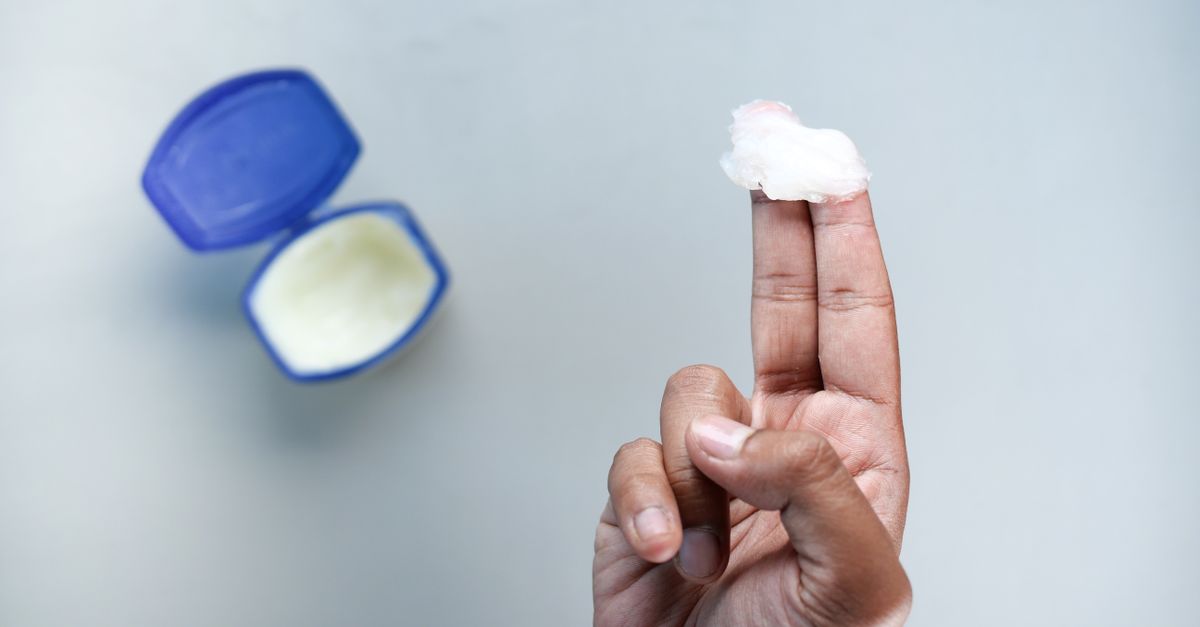
The application protocol demands conservative usage. Adults and children over two years of age should apply a very thin layer of the ointment directly to the affected area. The medication may be gently massaged into the skin until absorbed. It is clinically imperative that patients do not apply the ointment more than three to four times within any continuous twenty-four hour period.
Applying excessive quantities does not improve the analgesic or antipruritic efficacy; rather, it saturates the localized lipid barrier and drastically increases the risk of systemic absorption. The ointment must be kept strictly away from all mucosal tissues, particularly the eyes, nasal passages, and the mouth, due to the severe caustic nature of concentrated camphor.
4. In-Depth Side Effects Analysis of Blue Star Medicated
While intended to soothe the skin, camphor is a highly active chemical agent capable of inducing severe localized irritation and profound systemic complications if misused.
Common Side Effects
Localized cutaneous reactions are the most frequently reported adverse effects. Patients routinely experience a sharp, initial cooling sensation that transitions into an intense, deep warmth. Mild, localized erythema is an expected pharmacological result of the rubefacient vasodilation. A slight, transient stinging sensation may occur if the skin is mildly irritated prior to application.
Serious Side Effects You Should Report
Patients must immediately wash the area and seek medical evaluation if the application site develops severe, blistering lesions, profound unremitting pain, or weeping sores. These symptoms strongly indicate a severe chemical burn or profound allergic contact dermatitis. Any signs of an extreme allergic reaction, such as rapid swelling of the face and throat, demand urgent clinical assessment.
Rare Side Effects
In exceptionally rare cases where massive systemic absorption occurs through the skin, patients may suffer severe central nervous system toxicity. This catastrophic progression presents as extreme confusion, intense dizziness, visual disturbances, and muscle twitching, rapidly deteriorating into generalized tonic-clonic seizures and profound respiratory depression.
Side Effects That Usually Do Not Require Medical Attention
The strong, distinct aromatic odor of the camphor and the transient, moderate reddening of the skin are expected physiological properties of the ointment. As long as the reddening does not escalate into severe pain or swelling, no specific medical therapy is warranted.
| Side Effect Category | Specific Symptoms |
|---|---|
| Localized Cutaneous | Intense warmth, mild erythema, cooling sensation, mild stinging |
| Severe Dermatological | Chemical burns, severe blistering, contact dermatitis |
| Neurological (Toxicity) | Seizures, muscle twitching, profound confusion, dizziness |
| Gastrointestinal (Ingestion) | Severe nausea, vomiting, hepatotoxicity, coma |
5. Overdose Involving Blue Star Medicated
A localized dermal overdose occurs through the heavy, overly enthusiastic application of the ointment, particularly under a bandage or heat source. The immediate physiological result is a severe, deep-tissue chemical burn. The skin becomes excruciatingly painful, heavily blistered, and highly vulnerable to secondary bacterial infection.
A systemic overdose is a life-threatening medical emergency driven by profound central nervous system excitation. If applied over massively compromised skin or accidentally ingested, camphor rapidly crosses the blood-brain barrier. The patient will present with severe nausea, a distinct camphor odor on the breath, intense agitation, and sudden, violent seizures. Coma and respiratory arrest frequently follow.
Immediate emergency response is mandatory. If the exposure is dermal, the application site must be scrubbed aggressively with soap and water to halt further absorption. The patient must be transported via ambulance to an emergency department. Clinical management relies on aggressive supportive care, the administration of intravenous benzodiazepines to halt seizures, and meticulous airway management. There is no specific chemical antidote for camphor poisoning.
6. Missed Dose and What to Avoid While Taking Blue Star Medicated
The concept of a missed dose does not apply to this medication. Blue Star Medicated is an acute, as-needed intervention applied only when active itching or pain is present.
Users must rigorously avoid applying this ointment near the eyes or any mucous membranes. The strong chemical vapors alone can cause severe ocular stinging and tearing. Direct physical contact with the cornea causes immediate, severe chemical burns and potentially irreversible vision damage.
Furthermore, users must absolutely avoid applying other heavily chemical topical agents, such as prescription hydrocortisone creams, warming lubricants, or topical anesthetics, to the same area concurrently. Combining topical chemicals unpredictably destroys the integrity of the epidermal barrier, facilitating a massive, unregulated surge of camphor into the bloodstream and guaranteeing localized tissue damage.
7. What Drugs Interact With Blue Star Medicated?
Because synthetic camphor is intended strictly for localized surface action, significant pharmacological interactions with oral systemic medications are uncommon when the product is used properly on intact skin. However, local chemical interactions are a severe concern.
If the patient uses the ointment concurrently with topical vasodilators or other rubefacients, such as capsaicin creams or menthol-heavy products, the extreme localized vasodilation can cause a synergistic chemical burn, destroying the local capillary beds and inducing agonizing pain.
Systemically, if camphor is absorbed in toxic quantities, it relies heavily on hepatic enzymes for metabolism. Patients taking medications that heavily tax the liver, or those with underlying hepatic impairment, face a significantly higher risk of sustained camphor toxicity because their bodies cannot efficiently clear the chemical from the bloodstream.
8. Precautions, Safety, and Duration of Action of Blue Star Medicated
The localized counter-irritant action of the ointment typically begins within minutes following a proper, thin application. The duration of sensory distraction and therapeutic warmth is generally temporary, lasting between one to three hours as the volatile camphor slowly evaporates and is metabolized by local tissues.
Rigorous safety precautions mandate immediate hand hygiene. The user must scrub their hands vigorously with hot water and heavy soap immediately after dispensing and applying the ointment. Camphor is highly persistent; failing to wash the hands risks accidental transfer of the chemical to the eyes or mouth during routine activities.
Patients suffering from chronic severe eczema, extensive psoriasis, or generalized dermatitis must seek explicit physician approval prior to use. Because these conditions severely compromise the body’s natural epidermal barrier, any application of camphor carries an unacceptably high risk of massive systemic absorption and chemical toxicity.
9. Stopping Blue Star Medicated and Storage Guidelines
Ceasing the use of this topical ointment does not require a tapering process and causes zero physiological withdrawal effects. If the user experiences persistent localized pain or severe rashes, they must stop application immediately, allowing the epidermal tissues to heal naturally.
Storage protocols are critical to maintain the chemical integrity of the active ingredient and ensure household safety. The ointment jar must be stored at a stable room temperature, strictly protected from freezing environments and direct, intense heat sources. High ambient heat severely accelerates the volatilization of the camphor, rendering the formulation ineffective.
Safe disposal requires securing the lid tightly on the jar before discarding it securely in the household trash. It is medically imperative that the discarded container remains entirely inaccessible to children and domestic pets. The accidental ingestion of this highly concentrated ointment by a small child will cause rapid, fatal systemic toxicity.
10. When to See a Doctor Regarding Blue Star Medicated Reactions
Immediate, emergency medical intervention is absolutely mandated if the user or a child accidentally swallows any amount of the ointment. Oral ingestion of camphor is a critical toxicological emergency requiring immediate hospital admission to manage impending seizures and hepatotoxicity.
Patients must also seek urgent clinical evaluation if they experience any symptoms of systemic neurological toxicity following topical application. Warning signs include severe, sudden confusion, intense muscle twitching, visual hallucinations, or profound dizziness.
Furthermore, if the application site develops severe, unrelenting pain, deep purple bruising, or thick, weeping blisters, the patient must cease using the product entirely and consult a physician. These specific symptoms indicate a massive chemical burn or profound contact dermatitis that requires aggressive medical wound management to prevent scarring and infection.
Frequently Asked Questions (FAQ)
1. How does this ointment stop my skin from itching?
The ointment contains camphor, which strongly stimulates the nerve endings in your skin to create a cooling and warming sensation. This intense feeling overrides and distracts your brain from the signals that cause itching and minor pain.
2. Why is there a severe warning about keeping this away from children?
Camphor is highly poisonous if swallowed. Even a tiny amount ingested by a child can cause rapid, violent seizures, severe liver damage, and death. It must be locked away securely.
3. Can I use a heating pad over the ointment to help my muscle pain?
Absolutely not. Applying a heating pad over the ointment forces the blood vessels in your skin to open wide, causing massive amounts of the toxic chemical to rush into your bloodstream. It will also cause severe chemical burns.
4. Is it safe to apply this ointment to a severely scratched bug bite?
No. You must never apply this medication to skin that is broken, bleeding, or severely scratched open. The chemical will bypass your skin barrier and absorb directly into your body, increasing the risk of poisoning.
5. What should I do if I accidentally rub the ointment into my eyes?
Camphor is highly caustic to ocular tissue. You must immediately flush your eyes with massive amounts of cool water for at least fifteen minutes and rush to an emergency room to prevent severe chemical burns and vision damage.
6. Can I heat the ointment in the microwave to make it spread easier?
Never heat this product in a microwave or on a stove. Camphor is highly volatile and flammable; heating it can cause an explosion or create toxic, concentrated vapors that will severely burn your lungs if inhaled.
7. How many times a day can I safely apply this medication?
You should apply a very thin layer no more than three to four times a day. Applying thick layers or using it more frequently does not work better and drastically increases the risk of severe skin irritation.
8. Is it normal for my skin to turn slightly red where I applied it?
Yes. Camphor increases the localized blood flow to the skin, which causes a mild, temporary reddening and a warming sensation. However, if the redness is extremely painful or begins to blister, wash it off immediately.
Bibliography
Disclaimer: The content is for informational purposes only and does not replace medical advice. Always consult your doctor or pharmacist for personalized treatment.