1. Introduction And Mechanism Of Action Of Curodont Protect
Curodont Protect is a professional topical dental formulation utilizing stannous fluoride to prevent dental caries, arrest early enamel demineralization, and reduce dentinal hypersensitivity. The most commonly observed adverse effect associated with this active ingredient is extrinsic staining of the dental enamel and mild, transient gingival irritation upon application.
The pharmacological efficacy of stannous fluoride relies on a dual-action mechanism that differentiates it from other fluoride compounds. When applied to the dental surface, the fluoride ions integrate into the hydroxyapatite matrix of the tooth enamel, converting it into fluorapatite. Fluorapatite is significantly more resistant to the acidic byproducts produced by cariogenic bacteria, thereby creating a robust chemical shield against ongoing demineralization and decay.
Simultaneously, the stannous tin ion provides profound antimicrobial properties. It actively interferes with the metabolic pathways of localized plaque bacteria, severely reducing their ability to adhere to the pellicle and generate harmful lactic acid. Furthermore, the stannous ions physically occlude exposed dentinal tubules, preventing fluid shifts within the tooth structure that trigger sharp, localized nerve pain, thereby effectively managing dentinal hypersensitivity.
2. Warnings And Prerequisites Before Taking Curodont Protect
The administration of professional stannous fluoride formulations requires careful consideration of the patient’s ability to control the swallowing reflex. The application is contraindicated in very young pediatric patients or individuals with severe cognitive impairments who cannot reliably expectorate the excess product. Accidental systemic ingestion of high-concentration fluoride can lead to acute gastrointestinal distress or chronic fluorosis if ingested repeatedly during dental development.
Patients with a known clinical hypersensitivity to fluoride compounds or specific stabilizing excipients within the gel or rinse should entirely avoid application. While true immunological allergies to the fluoride ion are exceedingly rare, reactions to the flavoring agents or binding polymers can precipitate localized mucosal inflammation or contact stomatitis.
Clinicians must educate patients regarding the strong potential for cosmetic alterations to the dentition. The stannous ion is inherently prone to oxidation and can bind with sulfur-containing compounds present in the oral cavity to form dark stannous sulfides. This reaction often results in a distinct brown or yellow extrinsic stain on the surface of the teeth, particularly along the gingival margin or within existing composite restorations.
3. Indications And Dosage Guide For Curodont Protect
The primary clinical indication for Curodont Protect includes the targeted management of patients exhibiting a high caries risk profile, the arrest of active white spot lesions, and the rapid desensitization of exposed root surfaces. It is frequently applied by dental professionals following periodontal scaling and root planing procedures to mitigate postoperative thermal sensitivity.
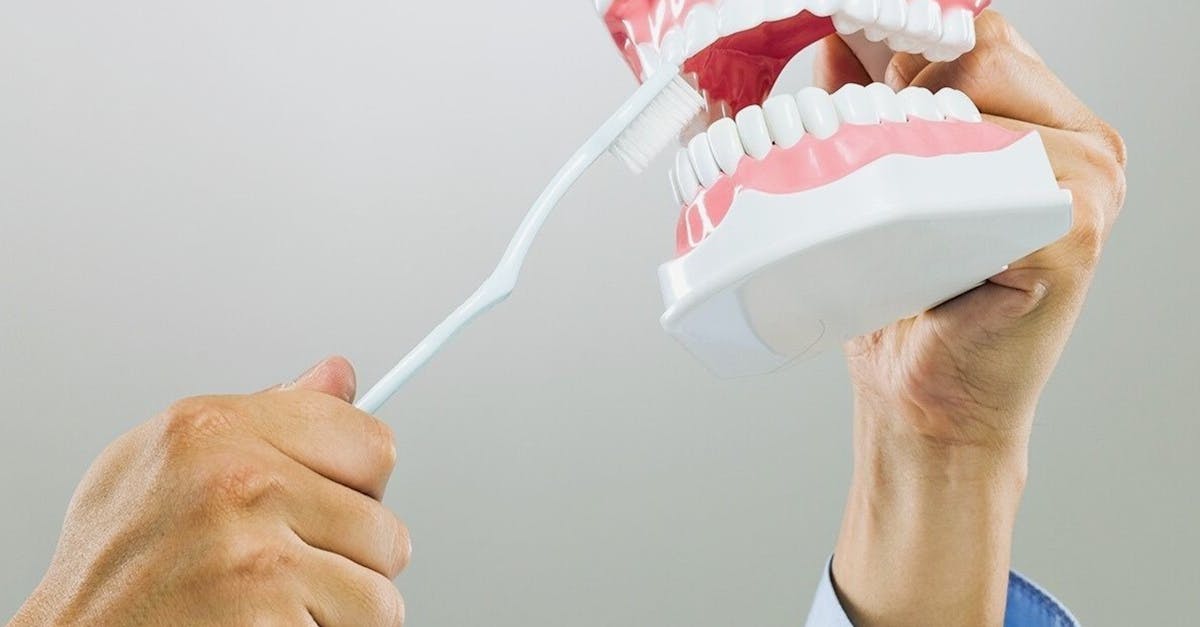
The exact dosage and application protocol are highly dependent on the specific clinical formulation utilized, such as a localized gel or an overall rinse. Typically, the dental professional will isolate the targeted teeth, dry the surfaces thoroughly, and apply a thin, even layer of the active compound utilizing a specialized applicator brush. The product must remain undisturbed on the tooth surface for a specified duration, usually one to four minutes, to ensure optimal ionic exchange.
Following the application period, the patient must strictly expectorate all residual material. To maximize the remineralization process and prevent immediate dilution of the active ions, patients are rigidly instructed to avoid eating, drinking, or rinsing their mouth for at least thirty minutes post-application.
4. In-Depth Side Effects Analysis Of Stannous Fluoride
The adverse effect profile of topical stannous fluoride is overwhelmingly confined to the localized tissues of the oral cavity, primarily relating to cosmetic changes and transient mucosal responses.
4.1 Common Side Effects
The most prevalent and pharmacologically expected adverse reaction is the development of extrinsic dental staining. Patients frequently notice a yellowish-brown discoloration forming on the enamel, particularly in areas of heavy plaque accumulation or surface micro-porosities. Additionally, some patients experience a transient, metallic alteration in taste immediately following the clinical application.
4.2 Serious Side Effects To Report
The manifestation of severe contact stomatitis necessitates immediate clinical evaluation. Symptoms of a severe localized reaction include pronounced edema of the gingival tissues, the eruption of painful mucosal ulcerations, and unyielding burning sensations across the tongue and buccal mucosa. These signs indicate a severe hypersensitivity to the formulation matrix.
4.3 Rare Side Effects
In exceedingly rare instances, the prolonged and inappropriate application of highly concentrated acidic fluoride formulations can cause superficial etching of porcelain or composite dental restorations, dulling their cosmetic finish. Systemic toxicity is incredibly rare and strictly linked to the accidental, massive ingestion of the clinical product.
4.4 Side Effects That Usually Do Not Require Medical Attention
Mild, transient gingival blanching or a slight tingling sensation along the gum line frequently occurs as the mucosal tissues react to the specific pH of the formulation. This subjective sensation generally resolves rapidly as normal salivary flow neutralizes the oral environment and does not mandate pharmacological intervention.
| Side Effect Category | Specific Symptoms |
|---|---|
| Cosmetic Dental | Extrinsic yellowish-brown enamel staining |
| Localized Mucosal | Transient metallic taste, mild gingival blanching |
| Hypersensitivity | Gingival edema, mucosal ulcerations, severe burning |
5. Overdose Symptoms And Management
Systemic overdose via strictly topical application on intact dental enamel is clinically impossible. The risk of severe toxicity is strictly limited to cases of accidental, massive oral ingestion of the professional formulation, which is most commonly a concern in pediatric populations.
If a patient accidentally swallows a substantial volume of the high-concentration fluoride product, the primary clinical presentation will involve severe gastrointestinal distress. The fluoride ions rapidly interact with gastric acid to form hydrofluoric acid, inducing profound nausea, intense abdominal cramping, and violent emesis. Massive systemic absorption can lead to profound hypocalcemia, causing severe muscular tetany, cardiac arrhythmias, and potential cardiovascular collapse.
Emergency management for oral ingestion relies on neutralizing the fluoride ions. The patient should be immediately administered calcium-rich liquids, such as milk, liquid antacids, or a specifically prepared calcium gluconate solution. The calcium rapidly binds to the free fluoride in the stomach, rendering it insoluble and preventing further systemic absorption. The patient must be transported immediately to an emergency department for continuous cardiovascular monitoring and electrolyte correction.
6. Missed Dose And Application Protocol Avoidance
Professional topical fluoride treatments function on an episodic, clinic-based schedule rather than a strict daily patient regimen. Therefore, the concept of a missed dose applies only to missed dental appointments. If a scheduled application is delayed, the patient simply lacks the elevated ionic shield during that period, temporarily increasing their vulnerability to carious lesion progression.
Patients must strictly avoid consuming any hard, sticky, or highly abrasive foods immediately following the clinical application. The newly formed calcium fluoride matrix on the surface of the enamel requires an uninterrupted period of undisturbed maturation. Mechanical friction from abrasive foods or immediate vigorous toothbrushing will entirely strip the active compound before it can properly integrate into the deep crystal structure of the tooth.
Furthermore, the concurrent use of high-concentration at-home fluoride rinses immediately following a professional stannous fluoride application must be avoided unless explicitly directed by the attending dentist. Overloading the oral environment with excessive fluoride ions provides no additional anticaries benefit and simply increases the risk of inadvertent systemic ingestion and severe mucosal irritation.
7. Drug And Chemical Interactions With Stannous Fluoride
Topical dental formulations exhibit virtually zero potential for complex systemic pharmacological drug interactions due to their lack of absorption into the central bloodstream. The primary clinical concerns strictly involve physical surface interactions within the oral cavity that degrade the biomechanical efficacy of the active ions.
Applying chlorhexidine gluconate oral rinses simultaneously with stannous fluoride treatments is highly counterproductive. The cationic nature of the chlorhexidine molecule strongly interacts with the fluoride ions, causing them to bind together and precipitate out of the solution. This fundamentally destroys the antimicrobial efficacy of the rinse and entirely neutralizes the remineralizing capability of the fluoride. If both agents are prescribed, they must be separated by at least two hours.
Patients must ensure their dentition is completely free of heavy plaque biofilm prior to application. Dense layers of calculus and plaque physically shield the underlying enamel from the active formulation, preventing the stannous and fluoride ions from establishing the vital chemical contact required for integration and remineralization.
8. Precautions, Safety, And Duration Of Action
The clinical duration of action for this targeted topical formulation is remarkably prolonged compared to standard cosmetic toothpastes. The integration of fluorapatite into the enamel matrix creates a permanent structural improvement. However, the superficial reservoir of unreacted fluoride ions that continues to release protection over time will eventually deplete over several months due to natural salivary washout and mechanical abrasion.
Safety during application requires precise isolation of the dental surfaces to minimize the volume of product contacting the soft mucosal tissues. Dental professionals typically employ cotton rolls and continuous high-volume suction to ensure the patient does not swallow the acidic formulation and to keep the targeted enamel perfectly dry for optimal ionic exchange.
While generally considered highly safe, the repeated application of professional-grade fluoride in pediatric populations demands strict calculation of total systemic fluoride exposure. Dentists must account for the fluoride present in the patient’s municipal water supply and daily toothpaste usage to ensure the total cumulative dose does not cross the threshold that induces developmental dental fluorosis in erupting permanent teeth.
9. Discontinuation, Storage, And Disposal Protocols
Discontinuation of professional fluoride therapy requires absolutely no physiological tapering protocol. Once the clinical application is complete and the mandated thirty-minute waiting period concludes, the immediate treatment phase ends. The patient simply resumes their standard daily oral hygiene practices utilizing over-the-counter fluoride dentifrices.
Rigorous storage protocols are required for dental clinics holding these professional formulations. The product must remain tightly sealed at a controlled room temperature. Exposing the product to severe environmental heat or leaving the containers unsealed can cause the volatile carriers to evaporate, fundamentally altering the concentration and potentially causing the active tin and fluoride ions to precipitate into a useless crystalline sludge.
Disposal of expired or structurally compromised professional dental products must adhere to basic municipal environmental guidelines and specialized clinical waste protocols. High-concentration fluoride compounds should not be rinsed down standard clinical plumbing networks in massive volumes without proper dilution, as they can interfere with local water treatment ecology.
10. When To Seek Immediate Medical Attention
Clinical evaluation is immediately mandatory if the patient develops signs of a severe, widespread allergic reaction following the dental appointment. The rapid development of severe facial edema, swelling of the lips or tongue, acute respiratory distress, or generalized severe hives constitutes a highly dangerous anaphylactic emergency requiring immediate pharmacological intervention.
Patients must seek urgent dental care if they experience the clinical hallmarks of severe contact stomatitis. If the application is followed by unyielding, severe localized burning pain, the rapid formation of large fluid-filled mucosal blisters, or significant sloughing of the gingival tissues, immediate medical wound management is required to prevent secondary infection.
Immediate emergency medical attention is absolutely necessary if accidental massive systemic ingestion occurs. The onset of unexplained severe abdominal cramping, profound lethargy, violent emesis, or muscular twitching mandates an immediate, urgent transfer to an emergency department for systemic toxicity evaluation and stabilization.
11. Frequently Asked Questions (FAQ)
1. Why does my dentist tell me not to eat or drink for thirty minutes after this treatment?
The active fluoride ions require a specific amount of uninterrupted time to chemically bond with the calcium in your tooth enamel. Eating, drinking, or rinsing immediately will wash the product away before it can properly harden and protect your teeth.
2. Will this specific fluoride treatment permanently stain my teeth?
Stannous fluoride is known to cause mild extrinsic, surface-level staining over time, particularly in areas where plaque builds up. However, this stain is not permanent and can be easily polished away by your dental hygienist during your next routine cleaning.
3. Is it safe to swallow my saliva while the product is on my teeth?
The dentist applies a highly controlled, very thin layer of the product specifically so that standard swallowing of your natural saliva is entirely safe. You should not, however, attempt to actively suck on the treated teeth or swallow the excess gel if a tray is used.
4. Why did my gums feel slightly tingly and white after the application?
The formulation has a specific, slightly acidic pH required to force the fluoride into the tooth structure. This mild acidity can cause the sensitive gum tissue to temporarily blanch white and tingle. This is harmless and resolves as your saliva neutralizes your mouth.
5. Can this treatment repair a cavity that has already formed?
Fluoride can successfully arrest and remineralize early, microscopic cavities known as white spot lesions. However, once a cavity has physically broken through the enamel and formed a literal hole in the tooth, it must be repaired with a physical dental filling.
6. Is this professional treatment safe to receive while pregnant?
Topical fluoride treatments are widely considered highly safe and deeply beneficial during pregnancy, as hormonal changes often increase the risk of gingivitis and dental decay. The product is not absorbed systemically in meaningful amounts when applied correctly.
7. Why does the product have a distinct, slightly metallic taste?
The active ingredient contains tin (stannous), which inherently possesses a metallic flavor profile. While manufacturers use strong flavoring agents to mask this, a transient metallic aftertaste is a completely normal and expected characteristic of the chemical.
8. Can I brush my teeth as soon as I get home from the dental office?
You should strictly avoid brushing your teeth for at least four to six hours following a professional application. Immediate vigorous brushing will mechanically strip the newly formed protective layer before it fully cures into the deeper microscopic structure of the enamel.
12. Bibliography
Disclaimer: The content is for informational purposes only and does not replace medical advice. Always consult your doctor or pharmacist for personalized treatment.