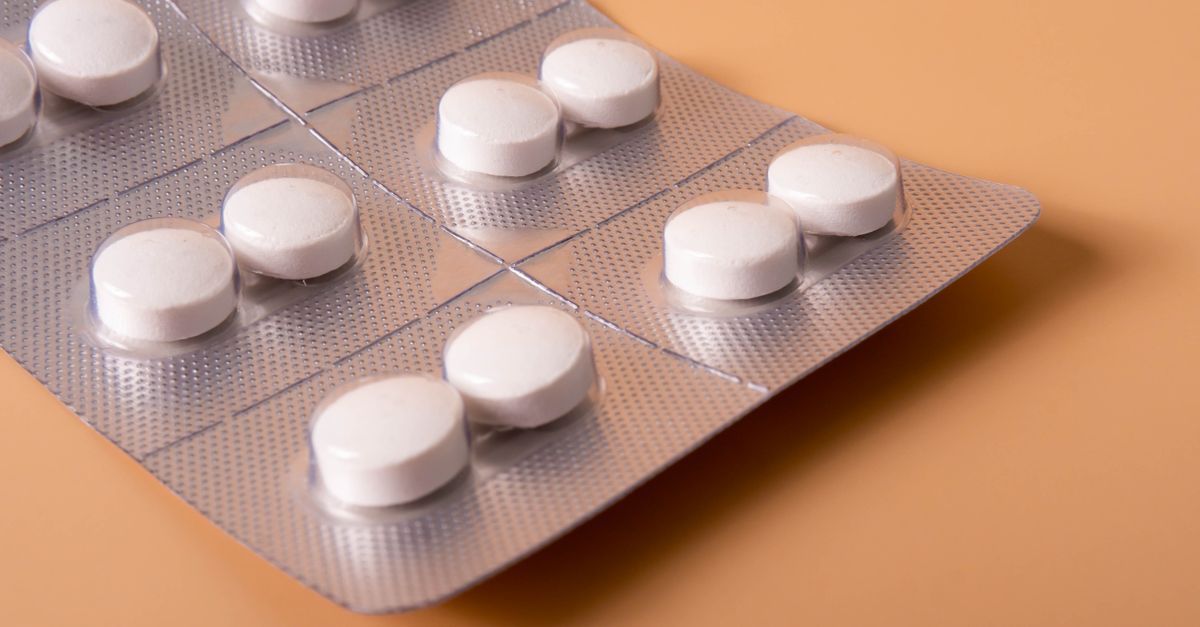
Amazon Basics Acetaminophen is a widely utilized analgesic and antipyretic medication intended for the management of mild to moderate pain and the reduction of fever. The most critical side effect is severe hepatotoxicity, which can cause irreversible liver failure if the strict maximum daily dosage limits are exceeded.
1. Introduction & Mechanism of Action of Acetaminophen
Acetaminophen operates through mechanisms that differ significantly from nonsteroidal anti-inflammatory drugs. While the exact physiological pathway remains partially elucidated, clinical data indicates that acetaminophen acts primarily within the central nervous system. It is believed to inhibit the cyclooxygenase pathways, specifically COX-2 and potentially a central COX-3 variant, within the brain and spinal cord.
By inhibiting these enzymes, the medication prevents the synthesis of prostaglandins. Prostaglandins are lipid compounds that act as crucial mediators for amplifying pain signals and regulating the body’s internal thermostat. The reduction of these chemical messengers in the central nervous system rapidly elevates the patient’s pain threshold, providing effective analgesia for somatic pain.
Simultaneously, the drug acts directly on the hypothalamic heat-regulating center in the brain. It promotes the dissipation of excess body heat by inducing peripheral vasodilation and increased sweating. Notably, because its action is confined to the central nervous system, acetaminophen provides virtually no anti-inflammatory action in peripheral tissues, making it ineffective for severe inflammatory conditions like acute gout or severe rheumatoid arthritis.
2. Warnings & Before Taking Amazon Basics Acetaminophen
The most severe clinical warning associated with acetaminophen concerns its narrow therapeutic index regarding hepatic health. Patients must meticulously calculate their total daily intake from all sources. Acetaminophen is a ubiquitous ingredient found in hundreds of over-the-counter cold, flu, and allergy medications. Accidental duplication of dosing is a leading cause of acute liver failure worldwide.
Individuals with preexisting liver disease, including viral hepatitis or cirrhosis, must consult a hepatologist or primary care physician before taking this medication. A compromised liver possesses a drastically reduced capacity to safely metabolize the drug, predisposing the patient to toxic accumulation even at standard therapeutic doses.
Patients who consume three or more alcoholic beverages per day must also strictly avoid routine acetaminophen use. Chronic alcohol consumption induces the specific liver enzymes responsible for converting acetaminophen into a highly toxic metabolite, exponentially increasing the risk of fatal hepatic necrosis.
3. Indications & Dosage Guide for Acetaminophen
Amazon Basics Acetaminophen is indicated for the temporary relief of minor aches and pains associated with headaches, muscular aches, backache, minor arthritis pain, the common cold, toothaches, and premenstrual cramps. It is also a primary agent for the temporary reduction of elevated body temperature. For severe inflammatory pain, a physician might evaluate the patient for alternative therapies such as ibuprofen.
For adults and adolescents weighing over fifty kilograms, the standard dosage is typically three hundred and twenty-five to one thousand milligrams every four to six hours as needed for symptoms. The absolute maximum daily dose must never exceed four thousand milligrams in a twenty-four-hour period. For many adults, particularly those with a lower body mass or older age, a maximum limit of three thousand milligrams daily is strongly recommended by clinical guidelines.
Pediatric dosing is entirely dependent on the child’s exact body weight, not their age. Liquid formulations must be measured using a precise oral syringe, never a standard household spoon, to prevent catastrophic accidental overdosing.
4. In-Depth Side Effects Analysis of Acetaminophen
When utilized strictly within the recommended dosage parameters, acetaminophen possesses a highly favorable safety profile and is generally well-tolerated by the gastrointestinal tract. However, adverse reactions can occur.
Common Side Effects
At standard therapeutic doses, side effects are exceptionally rare. Some patients may report transient and very mild nausea, minor stomach upset, or a slight headache as the medication wears off. These occurrences are generally benign and resolve without medical intervention.
Serious Side Effects You Should Report
Symptoms indicative of hepatic stress demand immediate emergency evaluation. These include severe nausea and vomiting, pronounced fatigue, right upper quadrant abdominal pain, dark-colored urine, and the yellowing of the sclera or skin. These clinical signs strongly suggest acute liver injury and require immediate cessation of the drug.
Rare Side Effects
Extremely rare but life-threatening cutaneous reactions, such as Stevens-Johnson Syndrome or Toxic Epidermal Necrolysis, have been documented. If a patient develops a sudden skin rash, severe blistering, or peeling of the epidermis, the medication must be stopped instantly. Hematological anomalies, including thrombocytopenia and leukopenia, represent very rare systemic reactions.
Side Effects That Usually Do Not Require Medical Attention
Mild physiological adjustments, such as slight diaphoresis as a fever breaks, are expected mechanisms of action and do not represent toxic side effects.
| Side Effect Category | Specific Symptoms |
|---|---|
| Hepatic (Toxicity) | Jaundice, dark urine, abdominal pain |
| Dermatological (Rare) | Severe skin rash, blistering, peeling |
| Gastrointestinal | Mild nausea, slight stomach discomfort |
5. Overdose Risks with Acetaminophen
Acetaminophen overdose is a profound medical emergency and represents one of the most common causes of poisoning worldwide. The toxicity is strictly related to hepatic metabolism. A small percentage of the drug is processed into a highly reactive, toxic intermediate metabolite known as NAPQI. Normally, the liver rapidly neutralizes NAPQI using glutathione. In an overdose, glutathione reserves are rapidly depleted, allowing NAPQI to systematically destroy liver cells.
Clinical presentation of an overdose occurs in distinct phases. Phase one, occurring within the first twenty-four hours, is deceptively mild, presenting with lethargy, nausea, and diaphoresis. Phase two reveals false clinical improvement while hepatic enzymes elevate drastically. By phase three, severe hepatic necrosis, jaundice, coagulopathy, and hepatic encephalopathy occur.
If an overdose is suspected, emergency medical services must be deployed immediately, even if the patient feels entirely asymptomatic. The specific antidote, N-acetylcysteine, must be administered promptly within a hospital setting to replenish hepatic glutathione and prevent irreversible, fatal liver damage.
6. Missed Dose & What to Avoid
Because acetaminophen is utilized exclusively for symptom management on an as-needed basis, a missed dose is clinically irrelevant. Patients should simply administer the next dose when pain or fever symptoms require intervention, ensuring they strictly observe the mandatory four-to-six-hour interval between doses.
Patients must rigorously avoid consuming multiple over-the-counter remedies without thoroughly reading the ingredient labels. Many cough syrups, sleep aids, and multi-symptom cold formulations contain significant amounts of acetaminophen. Combining these products with single-ingredient acetaminophen tablets guarantees a rapid, potentially fatal overdose.
Furthermore, patients should avoid severe fasting or extreme dietary restriction while taking high doses of this medication. Chronic malnourishment depletes the liver’s natural glutathione stores, dramatically increasing susceptibility to NAPQI toxicity even at dosages slightly below the maximum threshold.
7. Drug & Alcohol Interactions with Acetaminophen
The most dangerous interaction exists between acetaminophen and alcohol. As established, chronic alcohol intake induces hepatic cytochrome P450 enzymes, specifically CYP2E1. This induction accelerates the conversion of acetaminophen into its toxic NAPQI metabolite. Combining the two substances places immense, unsustainable metabolic stress on the liver parenchyma.
Pharmacokinetic interactions occur with certain prescription medications. Warfarin, an oral anticoagulant, can experience enhanced efficacy if high doses of acetaminophen are taken continuously for several days. This interaction raises the international normalized ratio, elevating the risk of severe spontaneous hemorrhage. Patients on warfarin require frequent hematological monitoring if utilizing this analgesic.
Medications that induce liver enzymes, such as the anticonvulsants phenytoin and carbamazepine, or the anti-tuberculosis drug rifampin, also increase the risk of hepatotoxicity. These medications force the liver to process acetaminophen more rapidly into its toxic byproduct, requiring extreme clinical caution.
8. Precautions, Safety & Duration of Action
Acetaminophen is often the analgesic of choice during pregnancy and lactation due to its extensive history of safety when utilized at correct doses. However, recent epidemiological data suggest prolonged use during pregnancy should be minimized, and patients must always consult an obstetrician before treating pain or fever during gestation.
The onset of analgesia and antipyresis typically occurs within thirty to sixty minutes following oral ingestion. The peak plasma concentration is reached within ninety minutes. The duration of therapeutic action lasts approximately four to six hours before hepatic metabolism and renal excretion clear the drug from the systemic circulation.
Elderly patients generally tolerate acetaminophen better than nonsteroidal anti-inflammatory drugs because it lacks gastrointestinal bleeding risks. However, due to natural age-related decline in hepatic and renal clearance, the maximum daily limit for geriatric patients should generally be restricted to lower thresholds under medical supervision.
9. How to Stop Taking Acetaminophen & Storage/Disposal
Patients may stop utilizing acetaminophen abruptly as soon as the precipitating pain or fever resolves. There are absolutely no physical withdrawal symptoms or rebound physiological effects associated with discontinuing this medication.
Proper storage is necessary to preserve the chemical stability of the active ingredient. The tablets or liquid must be stored at controlled room temperature. They must be kept in their original, tightly sealed container, strictly protected from excessive heat and humid environments.
Disposal of expired or unwanted medication requires care. The drug should not be flushed into the wastewater system. Patients should utilize community pharmacy disposal kiosks. If unavailable, the medication should be mixed with an unappealing substance, sealed in a non-transparent bag, and discarded with regular household waste to prevent accidental consumption by children.
10. When to See a Doctor
Medical evaluation is mandatory if a fever persists for more than three consecutive days or if somatic pain remains unrelieved after ten days of continuous adult use. These markers suggest that the underlying pathology is more severe than a simple self-limiting condition and requires diagnostic investigation.
Patients must seek immediate emergency medical care if they experience severe, localized right-sided abdominal pain, profound unexplained exhaustion, or notice their urine becoming exceptionally dark. These are the hallmark indicators of acute liver failure progressing rapidly.
Additionally, if the administration of the medication triggers severe facial swelling, extreme difficulty breathing, or a rapidly spreading skin rash, emergency intervention is required to manage acute anaphylaxis or a severe cutaneous adverse reaction.
Frequently Asked Questions (FAQ)
1. Can I take ibuprofen and acetaminophen on the same day?
Yes, under medical guidance, they can be alternated because they process through the body differently. However, you must track the individual dosages of each carefully.
2. Is it safe to take this medication for a hangover headache?
No, it is highly dangerous. Your liver is already stressed from processing the alcohol, and adding acetaminophen can trigger severe liver damage.
3. How much acetaminophen is strictly too much in one day?
You must absolutely never exceed four thousand milligrams in a twenty-four-hour period. Many doctors recommend staying below three thousand milligrams for absolute safety.
4. Will this medication reduce the swelling in my sprained ankle?
No, acetaminophen relieves the pain but possesses virtually zero anti-inflammatory properties to reduce physical tissue swelling.
5. Why is there a warning about severe skin rashes?
In extremely rare cases, this medication can trigger a severe, life-threatening skin reaction. If you ever develop a rash or blistering after taking it, stop immediately and seek emergency care.
6. Can I take cough syrup while using these pain relief pills?
You must carefully read the label on the cough syrup. Many cold and flu syrups already contain high doses of acetaminophen, and combining them will cause an overdose.
7. Does food affect how quickly the pill works?
Taking the pill on a completely full stomach may slightly delay the absorption and the onset of pain relief, but it does not decrease the overall effectiveness.
8. Can children take the adult tablets if I cut them in half?
It is not recommended. Pediatric dosing is strictly based on exact body weight. You should use children’s liquid formulations measured with a proper oral syringe to ensure precise safety.
Bibliography
Disclaimer: The content is for informational purposes only and does not replace medical advice. Always consult your doctor or pharmacist for personalized treatment.