Amazon Basics Step 1 Cleanser utilizes benzoyl peroxide as a highly potent topical antibacterial and keratolytic agent for the clinical management of acne vulgaris. The most prominent side effect is aggressive dermatological irritation, frequently presenting as severe dryness, localized erythema, and physical peeling of the epidermal layers during the initial weeks of therapy.
1. Introduction & Mechanism of Action of Benzoyl Peroxide
Benzoyl peroxide is a lipophilic organic peroxide that has remained the gold standard for the topical treatment of acne for decades. The primary pathological driver of severe inflammatory acne is the rapid, uncontrolled proliferation of the anaerobic bacterium Cutibacterium acnes within the lipid-rich environment of the pilosebaceous unit.
When the cleanser is applied to the skin and thoroughly massaged into the pores, the highly lipophilic molecule rapidly penetrates the sebum-filled follicle. Once inside the pore, benzoyl peroxide undergoes rapid decomposition, releasing a massive burst of highly reactive free oxygen radicals. Because Cutibacterium acnes is an obligate anaerobe, it simply cannot survive in a highly oxygenated environment. The free radicals aggressively destroy the bacterial cell walls and intracellular proteins, providing a profound, rapid bactericidal effect without any risk of inducing bacterial resistance.
Beyond its powerful antibacterial properties, the medication exerts significant keratolytic and comedolytic actions. It actively dissolves the intercellular bonds holding dead keratinocytes together. This chemical exfoliation aggressively unclogs deeply impacted pores, forcing the expulsion of hardened sebum and dead skin cells, thereby preventing the formation of future microcomedones.
2. Warnings & Before Applying Amazon Basics Step 1 Cleanser
Patients initiating therapy with this potent oxidative agent must understand its severe bleaching capabilities. Benzoyl peroxide chemically destroys the dyes utilized in nearly all household fabrics. If the cleanser is not completely and meticulously rinsed from the skin, any residual medication will permanently bleach and ruin colored towels, pillowcases, bedsheets, and clothing upon contact.
Individuals presenting with highly compromised epidermal barriers, such as severe, active eczema, severe widespread sunburn, or acute contact dermatitis, must completely avoid applying this product. The aggressive oxidative and keratolytic actions will cause excruciating chemical pain, massive tissue swelling, and severe exacerbation of the underlying dermatological compromise.
Furthermore, patients with a known history of severe hypersensitivity to organic peroxides must absolutely avoid this medication. While true allergic reactions are clinically rare compared to expected chemical irritation, a severe hypersensitivity reaction can trigger intense facial angioedema, widespread blistering, and dangerous airway constriction requiring emergency intervention.
3. Indications & Dosage Guide for Acne Cleansers
This medicated cleanser is clinically indicated for the topical treatment and daily management of mild to moderate inflammatory acne vulgaris. It is highly effective at reducing the size and severity of active pustules and papules while simultaneously preventing the formation of new inflammatory lesions. For severe, cystic, scarring acne, a dermatologist will typically evaluate the necessity for systemic prescription medications or oral antibiotics rather than relying solely on topical cleansers.
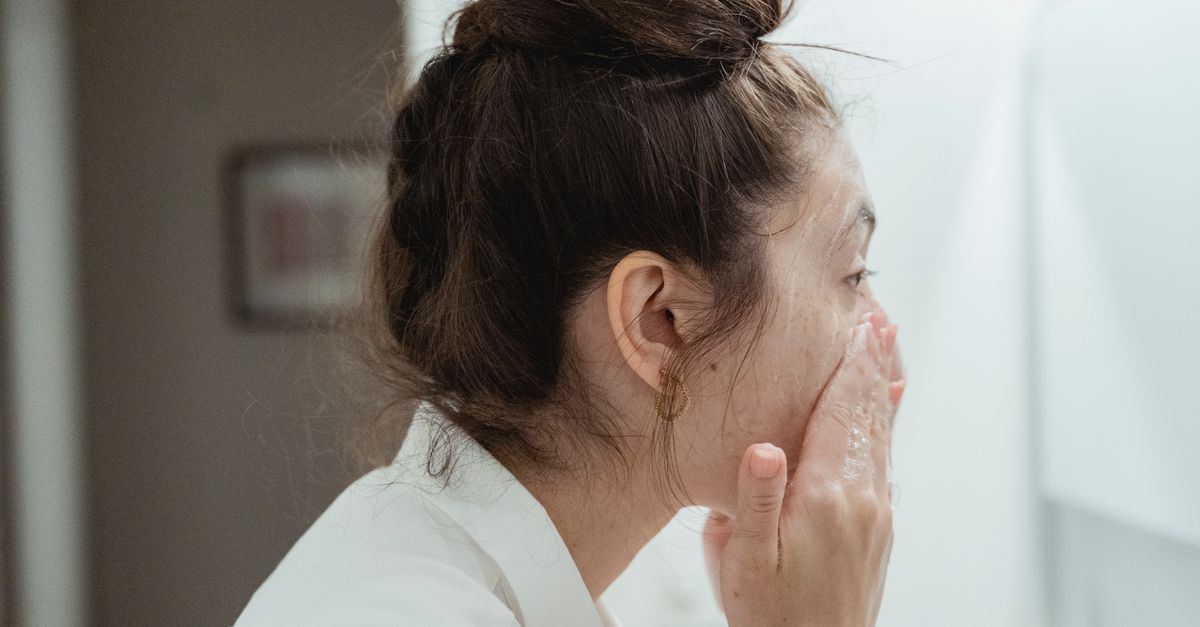
The application protocol demands strict adherence to prevent severe chemical burns. For adults and adolescents, the medication should be utilized once or twice daily. The patient must wet the affected facial or truncal area, apply a small amount of the cleanser, and gently massage it into the skin for a maximum of one to two minutes. The dwell time is critical; leaving the product on the skin for longer than two minutes exponentially increases the risk of severe epidermal damage.
Following the brief massage, the skin must be rinsed completely and thoroughly with copious amounts of lukewarm water. The skin should then be patted dry entirely. Patients initiating therapy should begin with a once-daily application, preferably at night, to assess their individual cutaneous tolerance before escalating to twice-daily use.
4. In-Depth Side Effects Analysis of Benzoyl Peroxide
Because the pharmacological mechanism relies entirely on aggressive oxidation and forced cellular exfoliation, the side effect profile is heavily dominated by harsh, localized dermatological reactions.
Common Side Effects
The most universally expected adverse reactions involve significant compromise of the epidermal moisture barrier. Patients almost always report moderate to severe localized dryness, physical flaking and peeling of the skin, and noticeable erythema following the first week of application. A mild, transient stinging or burning sensation while the product is actively on the skin is also a standard physiological response.
Serious Side Effects You Should Report
Patients must immediately cease application and seek medical evaluation if they experience severe, agonizing burning that persists long after the product is rinsed off. The sudden development of severe, painful blistering, extreme facial swelling, or a highly inflamed, weeping rash strongly indicates a severe allergic contact dermatitis or a severe chemical burn requiring topical steroid intervention.
Rare Side Effects
In exceptionally rare clinical scenarios, continuous massive over-application can lead to severe post-inflammatory hyperpigmentation, particularly in patients with darker Fitzpatrick skin types. Rare instances of systemic anaphylaxis, characterized by sudden throat tightness and severe dyspnea, have been documented and represent an absolute medical emergency.
Side Effects That Usually Do Not Require Medical Attention
A minor, temporary tightening sensation of the facial skin and slight localized redness that completely resolves within an hour of washing are normal physiological reactions to the keratolytic action and require no medical mitigation.
| Side Effect Category | Specific Symptoms |
|---|---|
| Dermatological | Severe dryness, skin peeling, localized redness |
| Allergic (Contact) | Severe facial swelling, painful blistering, weeping rash |
| Pigmentary (Rare) | Post-inflammatory hyperpigmentation |
5. Overdose Risks with Topical Acne Cleansers
An acute, life-threatening systemic overdose from the topical application of a benzoyl peroxide wash is physiologically impossible. The molecule exerts its aggressive oxidative actions locally within the stratum corneum and the pilosebaceous unit and does not penetrate into the systemic bloodstream in clinically significant amounts.
However, a severe topical overdose is a highly common and painful clinical reality. This occurs when a patient aggressively scrubs the skin, applies the medication far too frequently, or fails to rinse the product off completely. A topical overdose results in a severe chemical burn, completely stripping the epidermis, causing excruciating pain, intense weeping erythema, and severe crusting of the facial tissues.
If accidental oral ingestion of the cleanser occurs, the clinical risk is primarily limited to gastrointestinal distress. The strong peroxide and the harsh soap base will cause immediate, severe nausea, vomiting, and esophageal irritation. In the event of accidental ingestion, a poison control center must be contacted immediately. Clinical management involves supportive observation and hydration.
6. Missed Dose & What to Avoid
Because the successful management of acne requires consistent, continuous antibacterial pressure, missing a single application is not detrimental, but skipping several days will allow the anaerobic bacteria to rapidly repopulate the pores. If a patient misses a wash, they should simply resume their normal daily schedule during their next shower. They must never double the amount of product used or scrub the face aggressively to compensate.
During therapy, patients must rigorously avoid utilizing harsh mechanical exfoliants, such as walnut scrubs or stiff facial brushes. Combining severe chemical exfoliation with aggressive mechanical friction will physically destroy the skin barrier, leading to severe weeping wounds and aggressive secondary infections.
Furthermore, patients must strictly avoid concurrent application of highly irritating cosmetic products containing strong alpha-hydroxy acids, high-concentration retinoids, or heavy alcohol-based astringents. Layering these aggressive chemicals over skin treated with benzoyl peroxide dramatically compounds epidermal irritation and ensures the development of severe chemical burns.
7. Drug & Alcohol Interactions with Benzoyl Peroxide
The pharmacokinetic interaction profile for topically applied benzoyl peroxide with systemic oral medications is completely nonexistent due to the lack of systemic bioavailability. Patients actively taking oral prescription medications for cardiovascular, metabolic, or psychiatric conditions can safely utilize this topical wash without any fear of altering their systemic drug levels.
However, severe clinical interactions occur when combining this product with other topical dermatological therapies. The most critical interaction exists with topical tretinoin, a highly potent prescription retinoid. Benzoyl peroxide is a powerful oxidizing agent that immediately degrades the fragile tretinoin molecule upon contact. If both medications are applied simultaneously, the expensive retinoid is rendered completely chemically inert and therapeutically useless.
There are absolutely no known pharmacological interactions between the topical application of this acne cleanser and the consumption of alcohol. The medication exerts its bactericidal effects purely within the localized epidermal layers of the face and torso, entirely independent of systemic blood alcohol concentrations.
8. Precautions, Safety & Duration of Action
Patients initiating therapy must absolutely implement a rigid sun protection protocol. By aggressively exfoliating the upper layers of dead skin cells, the medication removes the body’s natural physical barrier against ultraviolet radiation. The newly exposed, delicate skin is extraordinarily susceptible to rapid, severe, blistering sunburns. A broad-spectrum, non-comedogenic sunscreen must be applied daily without fail.
The onset of therapeutic improvement is distinctly delayed. While the bactericidal action is rapid, visible reduction in severe inflammatory acne typically requires a minimum of four to six weeks of continuous, strict daily application. The patient must exercise clinical patience and allow the skin sufficient time to purge impacted pores and heal underlying inflammation.
Pregnant and breastfeeding women generally tolerate topical benzoyl peroxide cleansers well, as clinical data has not demonstrated significant systemic absorption or teratogenicity. However, standard clinical prudence dictates that pregnant patients should consult an obstetrician before initiating any new daily pharmacological routine during gestation.
9. How to Stop Using Amazon Basics Step 1 Cleanser & Storage/Disposal
Patients may discontinue the use of the medicated cleanser at any time without any risk of physical withdrawal symptoms. However, because acne is a chronic condition driven by internal hormonal fluctuations, abruptly stopping the antibacterial therapy generally guarantees a severe, aggressive rebound flare-up of inflammatory pustules within two to three weeks.
Proper storage is critical to maintaining the chemical stability of the highly reactive organic peroxide. The bottle must be stored at a stable room temperature. It must be kept tightly capped to prevent environmental contamination and must be stored strictly away from extreme heat sources and direct, intense sunlight, which will rapidly degrade and destroy the active ingredient.
Disposal of an expired or empty bottle requires environmental consideration. The thick cleanser should not be poured directly down household drains in massive quantities. The bottle should be securely sealed and placed in standard household waste, ensuring it is entirely inaccessible to small children or pets.
10. When to See a Dermatologist
Medical evaluation is mandatory if the severe inflammatory acne does not demonstrate significant visible improvement after eight weeks of continuous, strict daily application. A complete lack of response suggests the acne is exceptionally severe, cystic in nature, or hormonally driven, requiring advanced prescription interventions such as systemic isotretinoin or oral antibiotics like doxycycline.
Patients must seek immediate medical care if they experience an acute, severe allergic reaction. Hallmark symptoms include severe, rapid swelling of the face, eyelids, or lips, extreme difficulty breathing, or the sudden outbreak of a generalized, widespread rash across the body following use.
Furthermore, if the application site develops severe, painful, weeping lesions, extreme raw erythema that resembles a severe thermal burn, or if the localized redness spreads significantly onto the neck, the patient must stop using the product instantly. These signs strongly point to a severe chemical burn requiring targeted prescription topical steroid therapy to heal the severely compromised epidermal barrier.
Frequently Asked Questions (FAQ)
1. Will this cleanser permanently ruin my dark colored towels?
Yes, benzoyl peroxide is a highly aggressive bleaching agent. If you do not completely rinse every trace of the medication off your face and hands, it will instantly and permanently bleach any dyed fabric it touches. Use white towels only.
2. Why is my face incredibly dry and peeling off after three days of use?
Severe dryness and peeling are the most common expected reactions. The medication aggressively forces your skin to exfoliate to unclog pores. You must use a gentle, non-comedogenic moisturizer immediately after washing to combat this.
3. Can I scrub the cleanser into my skin with a loofah to make it work faster?
You must absolutely never use mechanical scrubbers with this chemical. The medication is already highly irritating, and adding physical friction will completely destroy your skin barrier, causing severe, painful chemical burns.
4. Is it safe to leave the cleanser on my face for ten minutes like a mask?
No, leaving a highly concentrated peroxide cleanser on the skin for more than one or two minutes exponentially increases the risk of a severe chemical burn. It must be rinsed off promptly.
5. Can I use my expensive prescription retinol cream at the exact same time as this wash?
You must never apply them at the exact same time. The peroxide actively destroys the delicate retinol molecule upon contact, making the prescription completely useless. Use the wash in the morning and the retinol at night.
6. Does this medication cure acne permanently?
No, there is no permanent cure for acne. This medication highly effectively controls the bacterial growth and prevents clogged pores while you actively use it. If you stop, the acne will typically return.
7. Why did I get a massive sunburn after only ten minutes outside?
By exfoliating the dead top layers of your skin, the medication makes your face incredibly vulnerable to ultraviolet light. You are at an extremely high risk for rapid, severe sunburns and must wear sunscreen daily.
8. Can I use this product to spot-treat a massive pimple overnight?
A wash-off cleanser is not designed for overnight spot treatment. Leaving the thick soap base and concentrated peroxide trapped on a single spot overnight will cause an agonizing chemical burn and a dark scar.
Bibliography
Disclaimer: The content is for informational purposes only and does not replace medical advice. Always consult your doctor or pharmacist for personalized treatment.