1. Introduction and Mechanism of Action of Basic Care First Aid Antibiotic
Basic Care First Aid Antibiotic is a multifaceted topical ointment combining three distinct antibacterial agents with a local anesthetic to prevent localized skin infections, with its most notable side effect being allergic contact dermatitis. The formulation contains bacitracin zinc, neomycin sulfate, polymyxin B sulfate, and pramoxine hydrochloride, working synergistically to protect compromised epidermal barriers.
The antibacterial efficacy relies on three separate mechanisms of cellular destruction. Bacitracin zinc disrupts the synthesis of the bacterial cell wall by interfering with the dephosphorylation of lipid pyrophosphate. Neomycin sulfate, an aminoglycoside, binds directly to the bacterial ribosomal subunit, inducing profound misreading of the genetic code and inhibiting vital protein synthesis. Polymyxin B sulfate acts as a powerful cationic detergent, binding to the bacterial cytoplasmic membrane and fatally altering its permeability.
To manage localized trauma, pramoxine hydrochloride functions as a potent topical anesthetic. It operates by rapidly blocking the conduction of nerve impulses in peripheral sensory nerves. By decreasing the permeability of the neuronal membrane to sodium ions, it effectively numbs the application site, providing immediate relief from pain and severe itching associated with minor cuts and dermal abrasions.
2. Important Warnings Before Taking This Triple Antibiotic Ointment
Patients must understand the strict limitations regarding the application of this topical therapy. This ointment is absolutely contraindicated for use on deep puncture wounds, deep lacerations, severe thermal burns, or animal bites. Utilizing this product on deep tissue injuries traps anaerobic bacteria beneath an occlusive barrier, exponentially increasing the risk of severe, deep-tissue infections requiring surgical intervention.
Individuals with a known hypersensitivity to aminoglycoside antibiotics must strictly avoid this formulation. Neomycin is a highly notorious contact allergen. Applying this medication to previously sensitized skin guarantees a rapid, aggressive allergic contact dermatitis that often presents worse than the original physical injury.
Furthermore, patients must never apply this medication over massive surface areas of the body. While systemic absorption is generally negligible on intact skin, applying massive quantities of neomycin to large areas of denuded or severely damaged skin can theoretically lead to systemic aminoglycoside toxicity, culminating in irreversible nephrotoxicity and ototoxicity.
3. Indications and Dosage Guide for Basic Care First Aid Antibiotic
This medication is officially indicated for the first aid prevention of infection and the temporary relief of pain in minor cuts, scrapes, and minor burns. It is specifically designed to create an antimicrobial physical barrier that facilitates optimal, uninfected wound healing for superficial epidermal trauma.
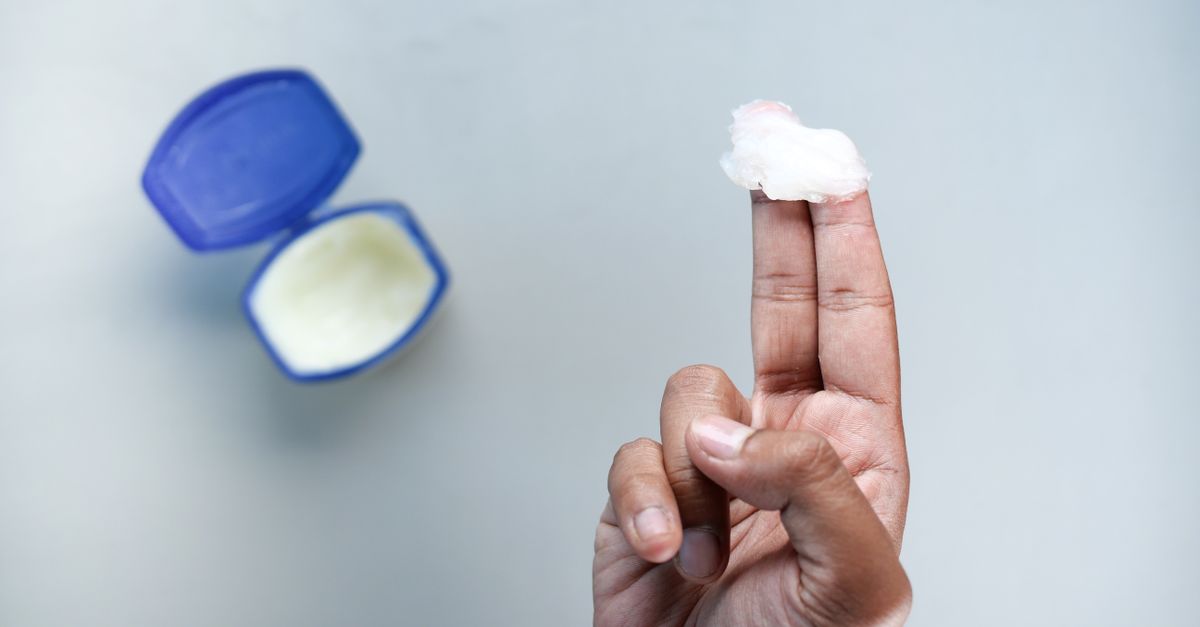
Proper application dictates that the patient must thoroughly clean the affected area with mild soap and water, ensuring the wound is completely dry before application. A very small amount of the ointment, roughly equal to the surface area of a fingertip, should be applied gently to the lesion strictly one to three times daily.
Once the ointment is applied, the treated area may be covered with a sterile bandage to provide additional physical protection against environmental contaminants. Patients must limit the continuous use of this product to a maximum of one week unless explicitly directed otherwise by a licensed healthcare provider.
4. In-Depth Side Effects Analysis of This Multicomponent Ointment
Because the application is strictly topical, systemic side effects are exceptionally rare. However, the skin’s immunological response to the active ingredients requires careful observation.
Common Side Effects
The overwhelmingly dominant side effect is localized cutaneous irritation. Patients frequently report mild erythema, slight swelling, and pruritus exactly at the site of application. These reactions are predominantly driven by the neomycin component, which frequently triggers a localized immune response even in minor epidermal abrasions.
Serious Side Effects You Should Report
Patients must immediately report severe dermatological deterioration. The sudden emergence of extreme, spreading redness, intense vesicular blistering, or severe burning pain indicates a profound allergic contact dermatitis. Additionally, if the wound begins discharging thick, purulent exudate or develops a foul odor despite the antibiotic ointment, immediate medical intervention is required for a resistant bacterial infection.
Rare Side Effects
In exceptionally rare scenarios involving massive application over severely compromised skin barriers, systemic absorption of polymyxin B or neomycin can occur. This theoretical systemic toxicity presents a profound risk for acute renal failure and irreversible hearing loss, although this is practically undocumented in standard first aid utilization.
Side Effects That Usually Do Not Require Medical Attention
A very transient, mild stinging sensation immediately upon applying the ointment to an open cut is standard and generally resolves within seconds as the pramoxine anesthetic begins to numb the superficial nerve endings.
| Side Effect Category | Specific Symptoms |
|---|---|
| Dermatological | Erythema, pruritus, allergic contact dermatitis |
| Sensory | Transient stinging upon initial application |
| Infectious | Rare superinfection by resistant organisms |
| Systemic | Theoretical nephrotoxicity with massive misuse |
5. Basic Care First Aid Antibiotic Overdose Symptoms and Management
A localized, cutaneous overdose resulting from the standard topical application of this medication is highly improbable. The primary medical emergency regarding overdosage strictly involves accidental oral ingestion, particularly by young children.
If a significant quantity of the ointment is swallowed, the patient may experience severe gastrointestinal distress, including intense nausea, vomiting, and severe abdominal cramping. While the toxic threshold for systemic aminoglycoside poisoning via oral ingestion is high due to poor gastrointestinal absorption, the massive ingestion of the petrolatum base will induce profound laxative effects and diarrhea.
Management of an accidental oral overdose mandates immediate contact with a local poison control center or emergency department. Due to the thick, petrolatum base of the ointment, gastric lavage is generally not effective, and clinical management will focus entirely on supportive care and the correction of fluid imbalances.
6. Missed Dose Protocol and What to Avoid
Because this medication is applied strictly as needed for minor wound care, a rigid, time-sensitive dosing protocol is not required. If a patient forgets to apply the ointment, they should simply clean the wound and apply it when they remember. There is absolutely no clinical rationale for applying a massively thick layer to compensate for a missed application.
Patients must strictly avoid applying this formulation near the eyes or mucosal membranes. The chemical constituents are highly toxic to the delicate tissues of the cornea and conjunctiva, and accidental ocular exposure demands immediate, massive irrigation with sterile water or saline.
Furthermore, patients must avoid utilizing other topical dermatological therapies on the exact same wound site. Mixing this antibiotic ointment with other chemical agents, such as topical hydrocortisone creams, can severely alter the absorption kinetics and mask the physical signs of an emerging, dangerous superinfection.
7. Drug and Alcohol Interactions with This Triple Antibiotic Ointment
Systemic drug interactions are functionally non-existent when this medication is utilized correctly on small, intact surface areas. The active ingredients do not enter the systemic bloodstream in high enough concentrations to metabolically interact with oral medications, systemic antibiotics, or cardiovascular drugs.
There are zero known pharmacokinetic interactions between topically applied bacitracin, neomycin, polymyxin B, or pramoxine and alcohol consumption. Moderate alcohol intake will not alter the localized antibacterial efficacy or anesthetic properties of the ointment.
However, severe clinical caution is required if a physician prescribes a concurrent systemic aminoglycoside antibiotic while the patient is utilizing this ointment on massive dermal abrasions. This specific scenario creates a theoretical risk of additive systemic toxicity, severely stressing the renal and auditory systems.
8. Precautions, Safety Profile, and Duration of Action
This first aid ointment provides a highly robust safety profile for the immediate, short-term management of minor epidermal trauma. The inclusion of three distinct antibacterial agents ensures broad-spectrum coverage against both Gram-positive and Gram-negative opportunistic skin pathogens.
Pediatric use is broadly considered safe for minor cuts and scrapes, provided parents strictly limit the application area and physically prevent the child from licking the treated skin. Pregnant and breastfeeding individuals can safely utilize this product for minor wounds, as the lack of systemic absorption poses negligible risks to fetal or infant development.
The duration of action relies on the physical presence of the ointment on the wound bed. The petrolatum base effectively traps the active ingredients against the skin, providing continuous antimicrobial and analgesic action until the ointment is mechanically wiped away or fully absorbed over several hours.
9. How to Stop Using This Ointment and Proper Storage
Patients should abruptly discontinue the use of this medication once the minor wound has closed entirely and fresh, healthy epithelium has formed over the injury. Prolonging therapy past one week serves no clinical benefit and drastically increases the risk of fostering resistant bacterial strains or developing contact dermatitis.
The ointment must be stored securely at room temperature, safely isolated from direct heat sources. Exposure to extreme temperatures causes the petrolatum base to physically separate from the active pharmaceutical ingredients, completely ruining the formulation and rendering it ineffective.
Expired tubes of ointment must be discarded in the household trash. Patients must never flush the remaining ointment down sinks or toilets, as introducing potent broad-spectrum antibiotics into the municipal water supply contributes heavily to the global crisis of environmental antibiotic resistance.
10. When to Consult a Doctor
Patients must schedule a clinical evaluation if their minor wound shows absolutely no signs of healing after seven continuous days of therapy. Failure to heal indicates an underlying circulatory issue, uncontrolled diabetes, or a pathogen strictly resistant to the triple antibiotic formulation.
Immediate emergency medical care is required if the wound begins exhibiting classical signs of systemic infection. These critical signs include the rapid spread of intense redness beyond the wound borders, the development of red streaks traveling up the affected limb, severe localized heat, or the onset of a systemic fever.
If the patient develops a severe, widespread allergic reaction, indicated by extensive hives, severe facial swelling, or an acute inability to breathe, emergency medical services must be contacted immediately, and the ointment must be rapidly wiped off the skin.
Frequently Asked Questions (FAQ)
1. Can I put this ointment on a deep puncture wound from a rusty nail?
Absolutely not. Deep puncture wounds require immediate evaluation by a physician and often necessitate a tetanus shot and prescription oral antibiotics. This ointment is solely for superficial scratches.
2. Does the pramoxine in this ointment completely numb the skin?
It acts as a mild, localized anesthetic that significantly dulls the pain and severe itching associated with minor cuts, but it does not provide profound surgical numbness.
3. Why is my skin getting redder after using this?
You are highly likely developing allergic contact dermatitis, most commonly triggered by the neomycin component. You must stop using the product immediately and wash the area.
4. Can I use this on a minor cooking burn?
Yes, it is indicated for minor, first-degree thermal burns. Ensure the burn is cooled with water first, dried, and then apply a very thin layer of the ointment.
5. Is it safe to use this inside my nose or mouth?
No, it is strictly formulated for external epidermal use only. Applying it to internal mucosal membranes can lead to severe irritation and dangerous systemic absorption.
6. Should I let the wound breathe or cover it with a bandage?
Covering the treated wound with a sterile bandage is generally recommended to keep the ointment physically in place and block environmental dirt and bacteria from entering.
7. Does this ointment prevent scarring?
By preventing severe bacterial infections and keeping the wound bed hydrated with its petrolatum base, it creates optimal conditions that significantly minimize severe scar tissue formation.
8. Can I use this medication on my infant’s diaper rash?
No, it is not indicated for diaper dermatitis. Occluding this potent triple antibiotic under a diaper significantly increases absorption and the risk of severe localized toxicity.
9. How long is the ointment good for after opening?
Provided it is stored correctly at room temperature, the ointment remains chemically stable and pharmacologically effective until the specific expiration date printed on the crimp of the tube.
10. Will this cure a fungal infection like ringworm?
No, the active ingredients are strictly antibacterial. They possess absolutely zero efficacy against fungal pathogens and using it on a fungal infection may actually worsen the condition.
Bibliography
Disclaimer: The content is for informational purposes only and does not replace medical advice. Always consult your doctor or pharmacist for personalized treatment.