Aromalief Pain Relief Cream Orange Ginger utilizes the active ingredient menthol to function as a highly effective topical counterirritant for the temporary relief of minor muscle aches and joint stiffness. The most frequent side effect is transient, localized erythema or a superficial burning sensation upon dermal application. By activating specialized thermal receptors in the skin, the menthol safely overrides underlying pain signals traveling to the central nervous system to provide immediate sensory comfort.
1. Mechanism of Action of Aromalief Pain Relief Cream
The pharmacological efficacy of this topical analgesic relies heavily on the ability of menthol to function as a robust peripheral counterirritant. When applied to the skin surface, the menthol molecules rapidly penetrate the outer stratum corneum and chemically bind to specific cold-sensing receptors located on the sensory nerve endings.
By artificially agonizing these specific thermal receptors, menthol forces the peripheral nervous system to register a profound, localized cooling sensation. This intense sensory input creates a neurological distraction mechanism, successfully disrupting and overriding the slower, underlying pain signals originating from the inflamed muscle or joint tissue.
Following the initial cooling phase, the local dermal vasculature frequently responds by undergoing mild vasodilation. This secondary warming effect increases localized blood flow to the treated area, promoting the efficient clearance of inflammatory cellular debris and gently accelerating the physiological healing process within the damaged musculoskeletal structures. The orange and ginger extracts serve primarily as an aromatic vehicle rather than primary pharmacological analgesics.
2. Warnings and Precautions Before Applying Menthol Creams
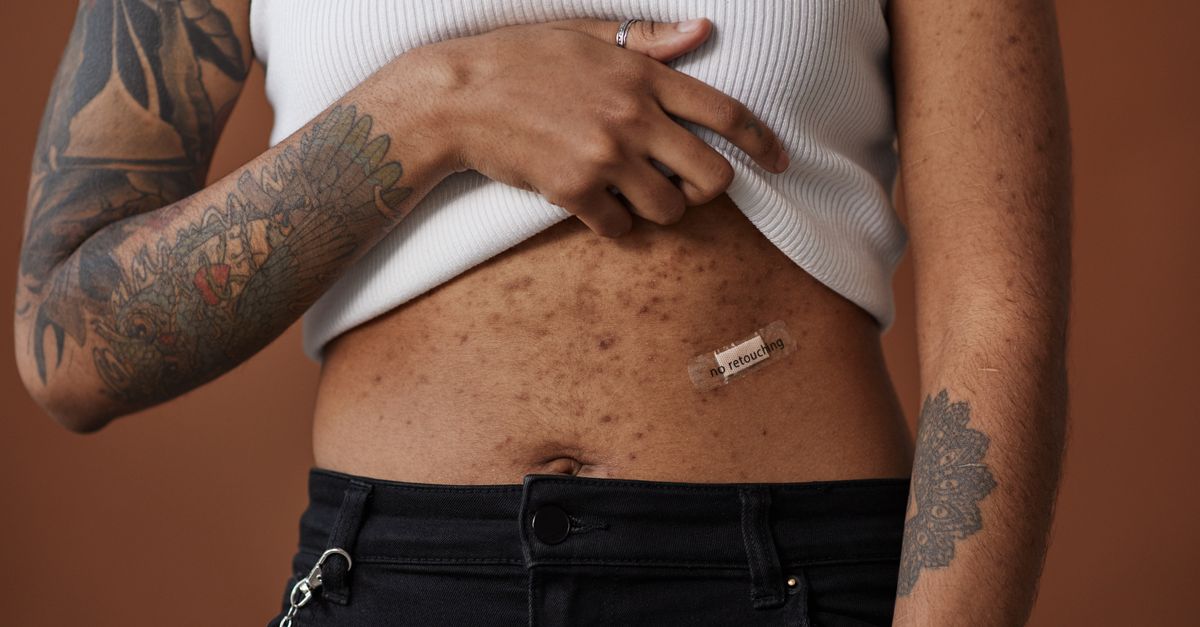
Topical menthol formulations demand strict adherence to specific safety parameters to prevent severe dermal injury. The product must never be applied to compromised epidermal barriers. Applying this analgesic to deep lacerations, active abrasions, severe sunburns, or weeping dermatological lesions guarantees intense, immediate pain and risks systemic absorption of the active compound.
Patients with highly sensitive skin or a documented history of severe contact dermatitis to essential oils should exercise marked caution. A localized patch test on a small area of the forearm is highly recommended prior to applying the analgesic over expansive muscle groups, such as the entire lumbar region or across both shoulders.
Extreme clinical vigilance is required to prevent the transfer of the product to mucosal tissues. If the mentholated vehicle is inadvertently introduced into the ocular mucosa, the nasal passages, or the genital region, it will induce an agonizing burning sensation and profound mucosal inflammation requiring immediate, extensive water irrigation.
3. Indications and Dosage Guide for Aromalief Orange Ginger
This specific topical medication is indicated for the temporary clinical relief of minor aches and pains associated with simple backaches, muscular strains, sprains, localized contusions, and mild arthritic joint inflammation. It serves strictly as a palliative, symptomatic measure and does not cure the underlying orthopedic pathology.
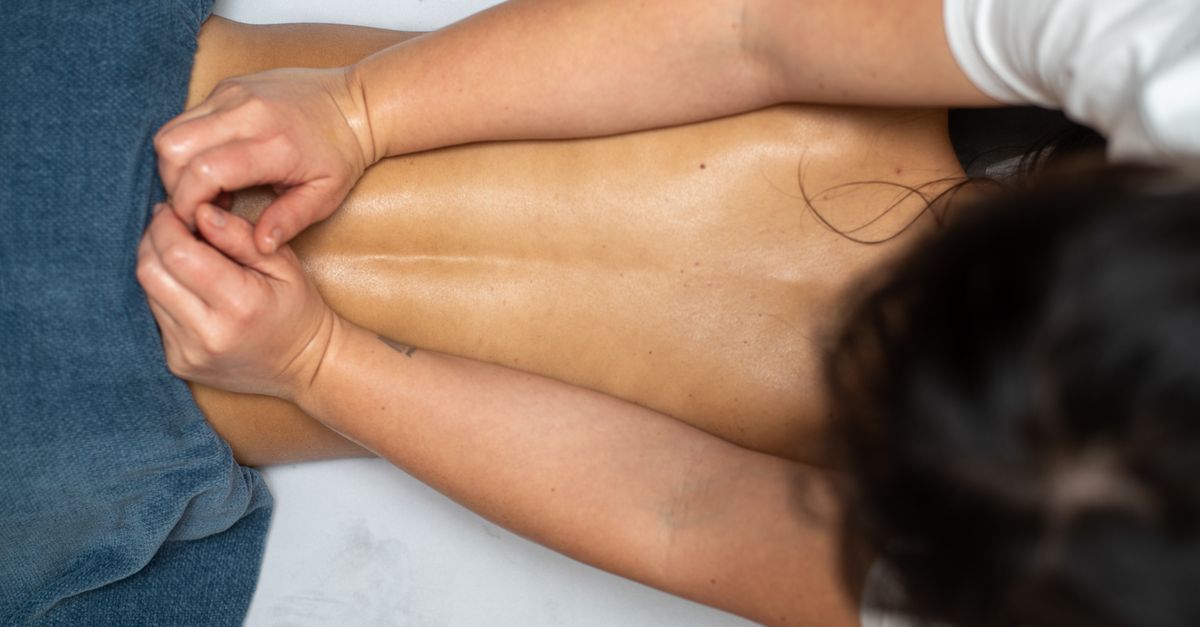
Application protocol requires dispensing a moderate amount of the Aromalief formulation and gently massaging it directly into the skin overlying the exact site of pain. The physical massage action facilitates percutaneous absorption and stimulates local circulation, enhancing the menthol counterirritant effect. The area should not be wrapped with tight, occlusive bandages after application, as this traps the active ingredient and drastically increases the risk of severe chemical burns.
The analgesic may be safely applied to the affected area up to four times daily. Users must meticulously wash their hands with heavy soap and cold water immediately following the application to prevent accidental transfer of the lingering menthol residue to the eyes or other highly sensitive tissues.
4. In-Depth Side Effects Analysis of Aromalief Menthol Cream
Because it is applied topically and acts locally on the dermal nerve endings, systemic adverse reactions to menthol are exceptionally rare under standard usage conditions. The vast majority of documented side effects are confined entirely to the immediate application site.
Common Side Effects
Almost all users will experience the intended intense cooling sensation followed by a mild, localized warmth. A temporary, superficial erythema, manifesting as a reddening of the skin, is a highly common and generally harmless physiological response to the localized vasodilation induced by the active menthol.
Serious Side Effects You Should Report
In rare instances, application can result in severe localized dermatological toxicity presenting as blistering, extreme swelling, or chemical burns. If the application site develops painful vesicles, begins to slough skin, or if the burning sensation becomes intolerable, the user must wash the area immediately with cold water and seek urgent medical evaluation.
Rare Side Effects
Systemic hypersensitivity reactions, while highly uncommon, can occur in sensitized individuals. These present as generalized urticaria across the body, swelling of the facial tissues, or acute respiratory wheezing. Such symptoms indicate a profound allergic response to the menthol or botanical extracts and constitute an immediate medical emergency.
Side Effects That Usually Do Not Require Medical Attention
Mild, localized skin dryness or minor flaking can occur after several days of continuous, repeated application at the exact same site. Applying a standard, unmedicated moisturizing lotion between the analgesic doses typically resolves this superficial dermal desiccation.
| Side Effect Category | Specific Symptoms |
|---|---|
| Sensory Responses | Intense cooling, transient warmth, minor tingling |
| Dermatological Irritation | Superficial erythema, localized skin dryness |
| Severe Toxicity | Chemical burns, blistering, severe dermal pain |
| Systemic Allergy | Generalized urticaria, facial edema, wheezing |
5. Recognizing Overdose and Excessive Application
A traditional systemic overdose from applying this product correctly to intact skin is virtually impossible. Applying excessive quantities over massively expansive areas of the body, particularly in conjunction with applied heat, can force an unsafe volume of menthol into the systemic circulation, potentially causing mild nephrotoxicity or nervous system agitation.
Accidental oral ingestion of topical menthol represents a severe medical crisis, especially in pediatric demographics. Swallowing the formulation can rapidly induce severe abdominal cramping, intense nausea, vomiting, dizziness, and central nervous system depression characterized by extreme lethargy or ataxia.
If any quantity of the Aromalief formulation is ingested, caretakers must absolutely not induce vomiting, as the mentholated vehicle can cause severe aspiration pneumonia if drawn into the lungs. They must contact emergency medical services or a poison control center immediately for guided, professional stabilization.
6. Missed Dose and Environmental Factors to Avoid
Since this formulation is strictly an as-needed analgesic therapy, a missed application carries no pharmacological consequences. The patient will merely experience a continuation or return of their baseline musculoskeletal pain until the next dose is massaged into the affected tissue.
A critical safety warning involves the concurrent use of external heat sources. Users must absolutely never apply a heating pad, hot water bottle, or take a scalding shower immediately before or after applying Aromalief Pain Relief Cream. The combination of local mentholation and intense thermal energy significantly accelerates percutaneous absorption, leading directly to severe, painful chemical burns on the skin surface.
Patients should also avoid applying the formulation immediately prior to engaging in intense cardiovascular exercise. Heavy diaphoresis can cause the product to migrate from the intended application site down into the ocular or genital regions, resulting in severe sensory irritation.
7. Drug and Chemical Interactions with Topical Menthol
Given its minimal systemic absorption, this topical menthol formulation does not interact pharmacokinetically with oral prescription medications, systemic painkillers like ibuprofen, or the consumption of alcoholic beverages. The menthol operates independently on the peripheral dermal nerves.
Local interactions, however, require strict clinical management. Applying this mentholated formulation simultaneously with other topical dermatological treatments, such as prescription corticosteroid creams or formulations containing high concentrations of salicylic acid, is heavily contraindicated.
Mixing multiple topical active agents at the same site can exponentially increase the risk of severe contact dermatitis and result in unpredictable localized toxicity. The skin must be thoroughly washed and allowed to clear before switching between different topical therapeutic agents.
8. Safety Precautions and Duration of Action
The analgesic counterirritant effect of Aromalief Orange Ginger typically provides robust symptomatic relief lasting between two and four hours, depending heavily on the specific density of the underlying muscle tissue and the chronicity of the localized inflammation.
Special precaution must be taken when treating geriatric patients. The epidermal barrier in this population is inherently thinner and more fragile, increasing their susceptibility to chemical irritation. A lower volume of the product should be utilized, and they should be monitored closely for signs of severe erythema or blistering.
The formulation possesses a potent, volatile aromatic profile due to the menthol and botanical extracts. Patients utilizing the product in enclosed, poorly ventilated spaces may experience transient, mild watering of the eyes or minor nasal irritation purely from inhaling the evaporating fumes.
9. How to Stop Using Aromalief Cream and Storage
Discontinuing the application of this product requires no medical oversight or tapering schedule. Patients can safely cease using the topical analgesic the moment their muscular strain or joint inflammation resolves. To remove any lingering botanical residue, the application site should be washed gently with lukewarm water and a mild lipid-based soap.
The product must be stored at a stable room temperature, entirely away from open flames, high-heat sources, and direct sunlight. Many mentholated vehicles contain volatile compounds that are inherently flammable and will degrade rapidly if subjected to extreme environmental heat.
Tubes or jars of the medication must be kept strictly out of the visual and physical reach of children and household pets. Expired or separated formulations should be disposed of in standard municipal waste, ensuring the container is securely sealed to prevent accidental animal ingestion.
10. When to Consult a Physician Regarding Muscle Pain
While topical counterirritants are universally available without a prescription, certain clinical scenarios require professional medical intervention. If the muscular pain worsens rapidly or fails to show any improvement after seven continuous days of application, the patient must consult an orthopedic specialist to rule out severe underlying pathologies, such as a stress fracture or a torn ligament.
Immediate dermatological evaluation is mandatory if the application site develops severe chemical burns, weeping blisters, or signs of a secondary bacterial infection, such as spreading redness accompanied by warmth and purulent discharge.
If the localized pain is accompanied by systemic indicators of severe illness, including a high fever, unexplained rapid weight loss, or loss of bladder and bowel control, the patient must abandon topical treatments entirely and seek emergency medical care, as these are critical indicators of severe neurological or systemic disease.
Frequently Asked Questions (FAQ)
1. Can I use a heating pad after applying this orange ginger rub?
Absolutely not. Combining topical menthol with an external heat source like a heating pad or hot towel can cause severe, dangerous chemical burns on your skin.
2. Is it safe to apply this to my neck for a tension headache?
You can apply a very small amount to the muscular base of the posterior neck, but you must exercise extreme caution to prevent the volatile fumes from irritating your eyes.
3. Why do I need to wash my hands immediately after using it?
Menthol residue transfers very easily. Accidentally rubbing your eyes or touching sensitive mucous membranes with unwashed hands will cause intense, agonizing burning.
4. Can I wrap my sore knee in a tight bandage after applying the cream?
No, wrapping the treated area with a tight, occlusive bandage traps the active ingredient against the skin, heavily increasing the risk of blistering and severe chemical burns.
5. Does this medication actually heal my strained muscle?
No, it serves strictly as a temporary counterirritant to mask the pain signals. It does not accelerate the physiological healing of torn or strained muscle fibers.
6. Is it safe to use during pregnancy for severe back pain?
While topical menthol is generally considered safe, pregnant women should consult their obstetrician before using strong topical analgesics, particularly over large areas of the back or abdomen.
7. What should I do if the burning sensation is too intense?
If the cooling or burning sensation becomes intolerable, do not apply ice. Instead, immediately wash the area gently with cool water and a mild soap to remove the remaining medication.
8. Can I use this on a fresh scrape or cut to stop the pain?
Never apply menthol formulations to open wounds, cuts, or active scrapes, as it will cause intense pain and potentially dangerous systemic absorption of the medication.
Bibliography
Disclaimer: The content is for informational purposes only and does not replace medical advice. Always consult your doctor or pharmacist for personalized treatment.