
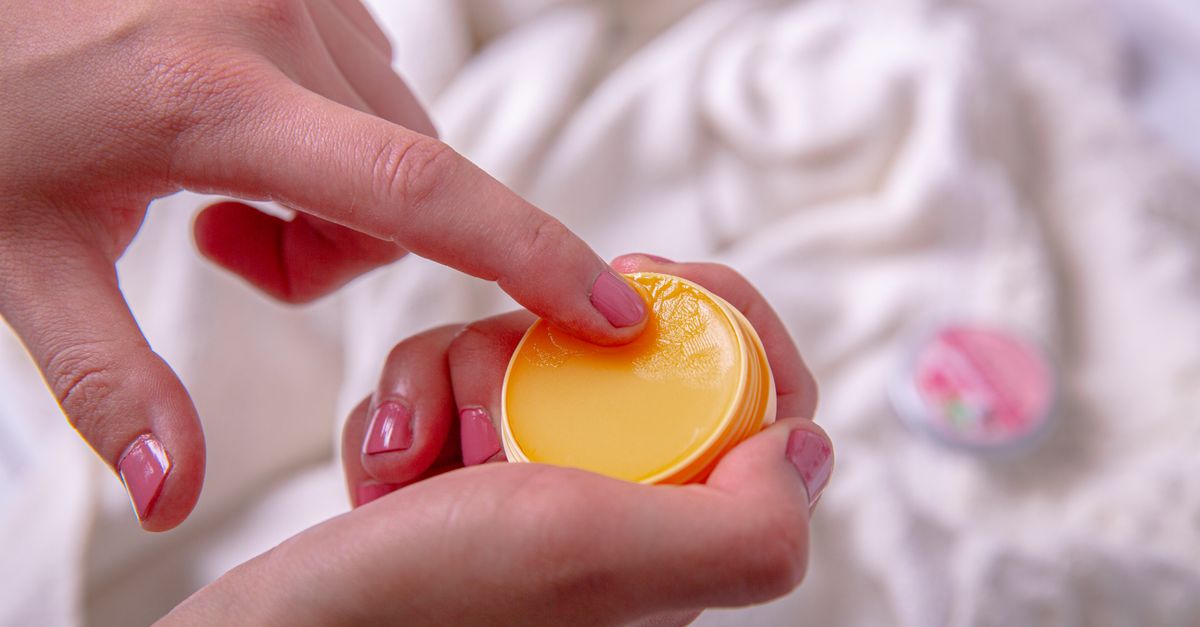
Superbalm is a highly emollient dermatological protectant utilizing active colloidal oatmeal to soothe severely irritated skin, manage chronic dryness, and restore a compromised epidermal barrier. The most notable side effect is an exceedingly rare allergic contact dermatitis occurring in individuals with specific grain hypersensitivities. By depositing a dense matrix of hydrating starches and soothing avenanthramides directly onto the epidermis, the formulation effectively locks in structural moisture and mitigates localized pruritus.
1. Mechanism of Action for Oatmeal in Superbalm
The therapeutic properties of Superbalm rely on the complex biochemical composition of finely milled colloidal oatmeal. When applied to compromised skin, the oatmeal acts as a highly effective physical and chemical barrier. The starches and beta-glucans present in the oatmeal possess a strong affinity for water, drawing moisture into the stratum corneum and locking it there, thereby functioning as a robust occlusive humectant.
Beyond simple hydration, colloidal oatmeal delivers active pharmacological benefits through unique phytochemicals known as avenanthramides. These botanical compounds act as potent topical anti-inflammatories and antioxidants. They directly inhibit the localized release of pro-inflammatory cytokines and histamines within the dermal tissue, rapidly downregulating the biological pathways responsible for intense pruritus and localized swelling.
Furthermore, colloidal oatmeal naturally possesses buffering properties that help restore and maintain the optimal slightly acidic pH of human skin. Normalizing the skin surface pH is critical for suppressing the overgrowth of pathogenic bacteria, such as Staphylococcus aureus, which heavily colonize and exacerbate active skin lesions and chronic dermatitis.
2. Warnings and Precautions Before Applying Superbalm
While colloidal oatmeal is universally recognized for its exceptional safety profile, specific clinical precautions are necessary prior to application. Individuals with a documented severe allergy to oats must strictly avoid this product. While pure oats do not naturally contain gluten, agricultural cross-contamination with wheat is common, meaning patients with profound celiac disease or severe gluten hypersensitivity should perform a cautious localized patch test prior to full application.
The formulation is intended exclusively for external use on intact or superficially compromised skin. Superbalm must never be packed into deep, actively bleeding lacerations, third-degree thermal burns, or deep puncture wounds. Introducing particulate starches into deep vascularized tissue can provoke a severe foreign body giant cell reaction and significantly delay the physiological healing cascade.
Patients managing severe weeping bacterial skin infections must consult a dermatologist before relying solely on oatmeal protectants. While the balm soothes the skin, it does not possess bactericidal properties. Applying an occlusive layer of oatmeal over an active bacterial infection can trap the pathogens, worsening the underlying pathology.
3. Indications and Dosage Guide for Superbalm
This dermatological protectant is clinically indicated for the temporary relief of minor skin irritations, aggressive itching, and localized rashes associated with eczema, contact dermatitis, insect bites, and generalized xerosis. It serves as a foundational step in barrier repair therapy for chronic inflammatory skin conditions.
Optimal application requires dispensing a generous quantity of the Superbalm formulation and massaging it gently into the affected cutaneous areas. For patients managing severe eczema, the most effective protocol involves applying the thick balm immediately following a lukewarm bath while the skin is still slightly damp. This technique maximizes the humectant properties and locks ambient moisture directly into the tissue.
The formulation may be applied as frequently as clinically necessary to control itching and maintain epidermal hydration. There is no pharmacological limit on daily applications, as the active ingredients operate purely on the surface of the skin without risking dangerous systemic absorption or toxicity.
4. In-Depth Side Effects Analysis of Topical Oatmeal
Topically applied colloidal oatmeal presents a highly benign adverse effect profile, making it a primary therapeutic choice for highly sensitive pediatric and geriatric populations. Systemic adverse reactions are biologically impossible under standard usage parameters due to the lack of transdermal absorption.
Common Side Effects
True pharmacological side effects are exceedingly rare. The most frequently encountered issue is a mild, transient sensation of greasiness or a heavy, occlusive feeling on the skin surface due to the dense lipid and starch matrix of the delivery vehicle. This represents a physical property of the barrier balm rather than an adverse medical reaction.
Serious Side Effects You Should Report
If the application site rapidly develops intense spreading erythema, worsening pruritus, or vesicular eruptions following application, the patient is likely experiencing allergic contact dermatitis. This indicates a severe hypersensitivity to the oat proteins or the chemical preservatives within the balm vehicle, necessitating immediate cessation and dermatological evaluation.
Rare Side Effects
In highly isolated pediatric cases, applying thick occlusive oatmeal balms to areas with heavy sweat gland concentration can precipitate miliaria, commonly known as heat rash. This occurs when the dense physical barrier traps sweat beneath the skin surface, causing minor non-infectious inflammatory papules.
Side Effects That Usually Do Not Require Medical Attention
Mild exacerbation of superficial folliculitis can occasionally occur if the thick balm is heavily applied to highly sebaceous, acne-prone areas like the face or upper back. Thoroughly washing the area with a gentle cleanser typically resolves this minor pore occlusion.
| Side Effect Category | Specific Symptoms |
|---|---|
| Physical Sensations | Heavy occlusive feeling, transient greasiness |
| Dermatological Allergy | Spreading erythema, intense worsening pruritus |
| Sweat Gland Occlusion | Miliaria presenting as small itchy papules |
| Follicular Occlusion | Mild exacerbation of superficial acne or folliculitis |
5. Recognizing Overdose and Excessive Oatmeal Application
A physiological overdose resulting from the topical application of colloidal oatmeal is strictly impossible. Applying an excessive volume of Superbalm simply increases the density of the physical barrier on the skin, resulting in an intensified greasy sensation and wasted product, but it poses absolutely no systemic toxicity risk.
Accidental oral ingestion requires appropriate management, particularly in pediatric demographics. Swallowing small quantities of the balm typically results in mild, self-limiting gastrointestinal distress, including minor nausea or loose stools. This gastric irritation is primarily driven by the heavy carrier oils and emulsifiers within the vehicle rather than the oatmeal itself.
If a substantial quantity is ingested by a young child, medical professionals will generally monitor for signs of gastric irritation and ensure adequate fluid intake to facilitate the clearance of the heavy lipid materials. Acute systemic toxicity from ingestion is highly improbable.
6. Missed Application and Environmental Exposures to Avoid
Failure to apply the barrier balm consistently leaves the compromised epidermis defenseless against environmental irritants and rapid trans-epidermal water loss. If an application is forgotten, the user must apply the Superbalm formulation immediately upon realizing the omission, particularly during active eczema flare-ups.
Patients utilizing thick barrier balms must avoid exposing the heavily treated skin to extreme, stagnant environmental heat. Because the colloidal oatmeal forms a dense occlusive shield, it can mildly impair the body natural ability to cool itself via sweat evaporation, thereby increasing the risk of localized heat rash.
The balm must be stored away from excessive moisture or direct water exposure inside the container. Introducing water into the jar can degrade the structural integrity of the starches and introduce environmental bacteria, rapidly compromising the sterility and clinical efficacy of the product.
7. Drug and Chemical Interactions with Topical Oatmeal
Because colloidal oatmeal remains completely localized to the stratum corneum and does not enter the systemic circulation, it does not participate in any pharmacokinetic drug interactions with oral medications. It acts purely as a topical physical agent.
Mechanical interactions on the skin surface must be strictly managed. Applying Superbalm simultaneously with topical prescription medications, such as hydrocortisone ointments or topical immunosuppressants, can severely inhibit the percutaneous absorption of the pharmaceutical active ingredients.
To prevent this physical blocking effect, prescribed topical medications must always be applied first and allowed to fully absorb into the dermal layers for at least thirty minutes before the heavy colloidal oatmeal barrier is layered over them. Furthermore, mixing oatmeal balms with harsh drying agents like salicylic acid is completely counterproductive to barrier repair therapy.
8. Safety Precautions and Duration of Action
The duration of action for a physical colloidal oatmeal barrier relies entirely on its mechanical presence on the skin. Under completely static conditions, the hydration and anti-inflammatory protection can last for several hours. Mechanical friction from clothing rapidly removes the barrier, necessitating frequent reapplication for continuous protection.
When applying the product to pediatric patients with severe atopic dermatitis, caretakers must ensure the skin is entirely free of bacterial infection before sealing it with the heavy balm. Sealing an active staphylococcal infection under an occlusive layer rapidly accelerates the bacterial replication rate.
Patients with exceptionally oily skin profiles may find the specific lipid vehicle too heavy for facial application, preferring to restrict the thick balm to the extremities and torso to prevent the exacerbation of facial comedones.
9. Discontinuation and Proper Storage of Superbalm
Discontinuing the use of Superbalm requires no tapering protocol. Individuals can simply cease application at any time. In patients with chronic eczema, abrupt cessation of barrier repair therapy will quickly result in severe trans-epidermal water loss and a rapid resurgence of intense pruritus and skin cracking.
The product must be stored at standard room temperature, entirely shielded from freezing conditions and extreme thermal heat. The complex emulsion of starches and lipids is prone to physical separation if subjected to freezing conditions, which ruins the smooth, spreadable texture required for soothing inflamed skin.
Unused or heavily expired product should be discarded in standard household waste. The stable physical nature of the emulsion means it will not degrade into toxic byproducts, but expired formulas should never be relied upon for active barrier repair.
10. When to Consult a Physician Regarding Skin Irritation
Medical consultation is required if the underlying skin pathology fails to improve. If a patient utilizes the Superbalm formulation consistently for seven days and the eczema flare-up continues to worsen, spread, or cause unbearable pruritus, they require a clinical evaluation for prescription-strength topical therapies.
Immediate dermatological assessment is mandatory if the treated skin begins to weep yellow fluid, develops honey-colored crusts, or becomes increasingly warm and painful to the touch. These are classic clinical indicators of a secondary bacterial infection that topical oatmeal cannot resolve and which mandates oral prescription antibiotics.
If the patient develops spreading hives, sudden facial swelling, or respiratory distress immediately following the application of the balm, they are experiencing a severe, systemic anaphylactic allergic reaction to the oat proteins or inactive ingredients, necessitating emergent medical intervention.
Frequently Asked Questions (FAQ)
1. Can I use this oatmeal balm on my face?
Yes, Superbalm is generally safe for facial application, but individuals with very oily or acne-prone skin should use it sparingly on the face to avoid clogging pores.
2. Does this product contain actual pieces of oatmeal?
No, the active ingredient is colloidal oatmeal, meaning the oats have been milled into an exceptionally fine, microscopic powder that forms a smooth paste when mixed with the balm vehicle.
3. Can I use this balm on a weeping eczema flare-up?
If the eczema is weeping clear fluid, a barrier balm can help. If the fluid is yellow or cloudy, you must consult a doctor first as this strongly indicates a bacterial infection.
4. Is this product safe for infants and toddlers?
Colloidal oatmeal is highly recommended by pediatricians as a safe, non-toxic barrier repair treatment for infant eczema and diaper rash.
5. How long should I wait between applying my prescription steroid cream and this product?
You must apply your prescription steroid cream first and wait at least thirty minutes for it to fully absorb before applying the thick oatmeal balm over it.
6. Can I use this product to heal a severe sunburn?
The anti-inflammatory properties and moisture-locking barrier are excellent for soothing the dry, peeling, and itching phases of a recovering sunburn, provided the skin is not blistering.
7. Does colloidal oatmeal contain gluten?
While pure oats do not naturally contain gluten, they are often processed in facilities that handle wheat. Individuals with severe celiac disease should perform a patch test first.
8. Will this balm cure my eczema permanently?
Eczema is a chronic underlying inflammatory condition. Superbalm serves to manage the symptoms, repair the skin barrier, and prevent flare-ups, but it is not a permanent systemic cure.
Bibliography
Disclaimer: The content is for informational purposes only and does not replace medical advice. Always consult your doctor or pharmacist for personalized treatment.



