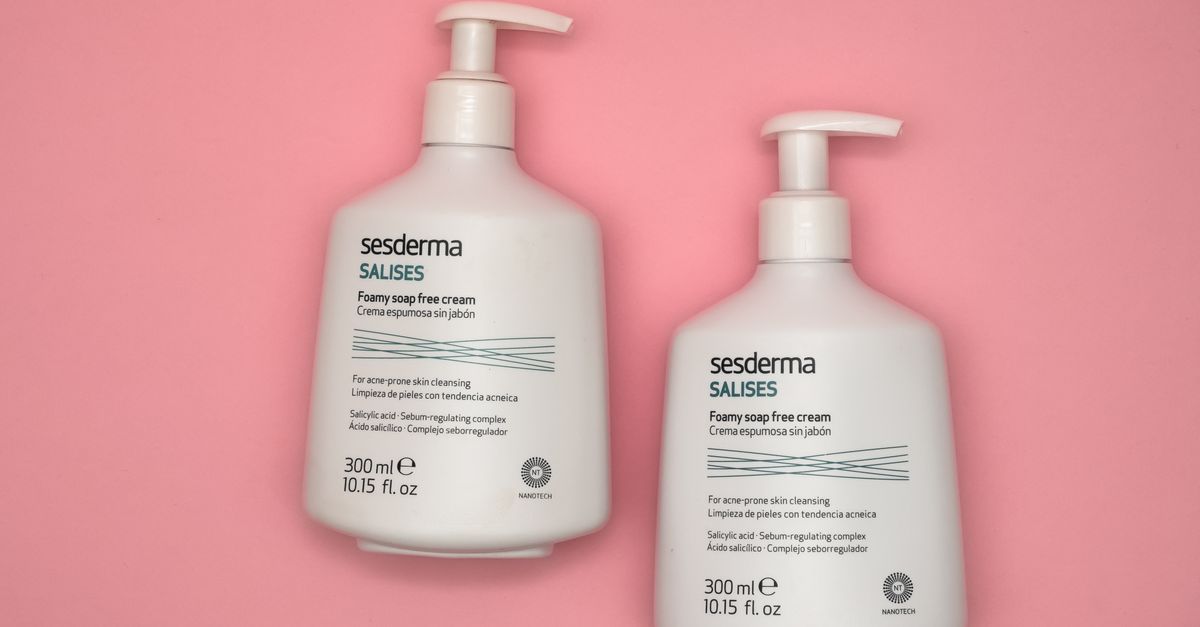
As I Am formulated with Salicylic Acid is a topical keratolytic agent designed to chemically exfoliate the scalp and relieve symptoms associated with severe dandruff and scalp psoriasis. The most notable side effects involve localized epidermal dryness, mild stinging upon application, and temporary erythema of the scalp tissue.
1. Introduction & Mechanism of Action of Salicylic Acid
Salicylic acid is a highly potent beta-hydroxy acid that functions primarily as a keratolytic and mild comedolytic agent. When applied directly to the scalp, it permeates the lipid layers of the stratum corneum. It actively works by dissolving the intercellular desmosomes, the structures that bind dead keratinocytes together.
By breaking down these cellular bonds, salicylic acid forces the outer layer of the skin to loosen and shed efficiently. This aggressive desquamation process rapidly clears thick, adherent plaques associated with psoriasis and eliminates the heavy flaking characteristic of severe seborrheic dermatitis. Additionally, its inherent lipophilic nature allows it to penetrate the hair follicles, mildly reducing localized sebum buildup and possessing secondary anti-inflammatory properties.
2. Warnings & Before Using As I Am
This keratolytic preparation is strictly contraindicated in patients presenting with an established clinical allergy to salicylates, including oral aspirin. Patients exhibiting severely inflamed, weeping, or actively bleeding scalp lesions must strictly avoid applying this product until the acute tissue damage has fully healed. Applying this strong organic acid to deeply compromised skin will provoke intense localized pain and significantly increase the risk of systemic absorption.
The product must be kept entirely away from the ocular cavity and all sensitive mucous membranes. If accidental ocular exposure occurs, the patient must immediately flush the eyes with copious amounts of sterile water to prevent chemical conjunctivitis and severe corneal abrasion. Pediatric patients are uniquely susceptible to salicylate toxicity, and usage in young children must be strictly guided by a medical professional.
3. Indications & Dosage Guide for As I Am Scalp Exfoliant
The primary clinical indication for this product is the symptomatic relief and aggressive management of scalp psoriasis, severe dandruff, and seborrheic dermatitis. It is intended for routine use to physically remove hyperkeratotic plaques and alleviate intense scalp pruritus.
For optimal clinical efficacy, the user must apply a generous amount of the product to a wet scalp, massaging it firmly to ensure direct contact with the thickened epidermis. The lather should remain heavily deposited on the scalp for a few minutes to allow the acid to penetrate before rinsing thoroughly. Dermatologists typically recommend utilizing the product twice weekly, adjusting the frequency strictly based on clinical tolerance and the severity of the scaling.
4. In-Depth Side Effects Analysis of Salicylic Acid
Because the active ingredient acts as a direct chemical exfoliant, localized cutaneous reactions are the most routinely documented adverse events. The aggressive removal of the stratum corneum leaves the underlying tissue highly sensitive.
Common Side Effects
Users frequently report mild, transient stinging or a highly noticeable tingling sensation upon initial application, particularly if the scalp has been vigorously scratched. A sensation of extreme tightness or superficial dryness of the scalp and hair shafts is a highly common observation. Mild, temporary erythema is also routinely expected as the acid promotes localized vasodilation.
Serious Side Effects you should report
The onset of acute allergic contact dermatitis constitutes a severe adverse reaction necessitating immediate discontinuation of the therapy. Clinical manifestations include rapid, robust edema of the scalp, the sudden eruption of weeping vesicles, and intense, relentless burning. Prolonged usage over vast areas of the body can rarely lead to salicylism, characterized by tinnitus, sudden dizziness, and confusion, requiring immediate emergency medical evaluation.
Rare Side Effects
A rare complication of prolonged, highly inappropriate daily use is localized hair follicle inflammation or a paradoxical worsening of scalp desquamation due to severe chemical desiccation. In highly idiosyncratic cases, leaving the product on the scalp for excessively extended periods can lead to localized chemical burns.
Side effects that usually do not require medical attention
Slight, highly superficial flaking of the skin during the initial days of treatment is generally considered a highly expected physiological response as the medication performs its primary keratolytic function. These minor adjustments require absolutely no specific clinical intervention and typically self-resolve.
| Side Effect Category | Specific Symptoms |
|---|---|
| Expected Local Reactions | Mild stinging, superficial dryness, transient erythema |
| Severe Hypersensitivity | Profound scalp edema, vesicular eruptions, intense burning |
| Systemic Toxicity (Rare) | Tinnitus, dizziness, confusion (Salicylism) |
5. Overdose Symptoms and Accidental Ingestion
Systemic overdose stemming from routine, highly appropriate topical application on localized scalp plaques is physiologically highly improbable. The primary clinical risk of acute toxicity stems entirely from applying the product to massive areas of heavily compromised skin or through the accidental gastrointestinal ingestion of the cleanser.
Swallowing salicylic acid provokes severe gastrointestinal distress and systemic salicylate toxicity. Clinical signs of acute oral ingestion include sudden nausea, violent vomiting, hyperventilation, hyperthermia, and severe metabolic acidosis. The immediate recommended clinical action is to secure the airway and contact emergency medical services. If a pediatric patient ingests the product, immediate transport to a regional emergency department is strictly advised.
6. Missed Dose & What to Avoid While Using As I Am
This medicated keratolytic is deployed strictly on a scheduled or as-needed basis for symptomatic management. If a scheduled wash is accidentally forgotten, the patient should simply utilize the product during their next routine shower. There is absolutely no clinical necessity to double the amount of product applied to compensate for a missed application.
Patients must strictly avoid layering this product concurrently with other highly aggressive scalp treatments. Utilizing harsh chemical relaxers, potent hair dyes, or topical benzoyl peroxide preparations immediately prior to or following the application of salicylic acid will aggressively strip the natural lipid layer, profoundly increasing the severe risk of extreme chemical irritation and chemical burns.
7. Drug & Alcohol Interactions with Topical Salicylic Acid
Clinically relevant pharmacokinetic interactions between topically applied salicylic acid on the scalp and systemic oral medications are highly rare. However, if massive amounts are applied, systemic absorption can occur, which may theoretically enhance the effects of systemic anticoagulants or oral hypoglycemic agents.
Care should be heavily exercised when aggressively managing concurrent, active scalp dermatoses. If a patient is actively utilizing a prescription topical retinoid or a potent corticosteroid like hydrocortisone for severe psoriasis, the medical treatments must be carefully spaced to prevent severe compounding tissue thinning and irritation. Systemic alcohol consumption does not directly alter the pharmacodynamics of the topical keratolytic.
8. Precautions, Safety & Duration of Action for Scalp Exfoliation
The overall functional duration of the therapeutic effect is immediate regarding the desquamation of dead skin cells, with the clinical benefits of reduced scaling lasting several days between washes.
Dermatological safety reviews classify topical salicylic acid in wash-off preparations as highly safe for standard adult use. Special clinical precaution must be aggressively implemented for patients presenting with highly reactive skin or severe renal impairment. Safety during pregnancy has not been definitively established for high-concentration topical salicylates, and pregnant individuals must consult their obstetrician prior to initiating therapy.
9. How to Stop Using the Product & Storage/Disposal Guidelines
Discontinuing the strict clinical use of this keratolytic cleanser requires no physiological tapering schedule or complex adjustment period. Users may completely cease application entirely at any time. Patients must be advised that ceasing the therapy will likely result in a gradual return of the underlying hyperkeratotic plaques associated with psoriasis.
Proper thermal storage is strictly imperative to robustly preserve the structural integrity of the organic acid. The product must be stored tightly sealed at a highly stable room temperature, completely shielded from direct sunlight and extreme heat sources. Expired bottles should be discarded safely in standard household refuse.
10. When to See a Doctor Regarding Salicylic Acid Irritation
Prompt medical evaluation is absolutely critical if the patient rapidly develops severe facial swelling that aggressively interferes with normal vision or breathing. The sudden emergence of highly painful, weeping fissures or severe blistering on the scalp that completely fails to heal following strict product discontinuation mandates a rapid, highly professional dermatological assessment.
If an erythematous, highly allergic rash extends rapidly beyond the localized scalp application site onto the highly sensitive neck or upper chest, a physician must be consulted immediately. If the patient experiences any sudden ringing in the ears or severe dizziness during treatment, medical attention must be sought immediately to rule out acute salicylate toxicity.
Frequently Asked Questions (FAQ)
1. Can salicylic acid cause my hair to break or thin?
Salicylic acid does not directly damage the keratin structure of the hair shaft. However, aggressive mechanical scrubbing while applying the acid, combined with the extreme dryness it causes, can make the hair shafts highly brittle and prone to physical breakage.
2. Will this product cure my scalp psoriasis?
No. Scalp psoriasis is a chronic, systemic autoimmune condition. Topical salicylic acid strictly acts as a keratolytic agent to physically remove the thick, uncomfortable plaques, but it does not cure the underlying immune dysfunction.
3. Can I use my regular hydrating shampoo immediately after this product?
Yes. It is highly recommended to follow the medicated treatment with a gentle, non-medicated hydrating shampoo and a rich conditioner to restore essential moisture to the highly stripped hair shafts and scalp tissue.
4. Is it safe to leave this product on my scalp overnight for better results?
Absolutely not. Salicylic acid is a highly potent chemical exfoliant. Leaving it on the delicate scalp tissue for extended nocturnal hours will cause severe chemical burns, profound tissue desiccation, and acute irritant contact dermatitis.
5. Why does my scalp feel incredibly tight after using this?
This is the direct pharmacological result of the acid aggressively dissolving the superficial stratum corneum and completely stripping the natural sebum from the scalp, resulting in an intense physical sensation of dryness and tightness.
6. Can I use this product if I am highly allergic to aspirin?
No. Aspirin is a salicylate derivative, and individuals with a documented clinical allergy to oral aspirin are at a significantly heightened risk of developing a severe allergic cross-reaction to topical salicylic acid.
7. Does this active ingredient bleach or alter my hair color?
While salicylic acid itself does not actively bleach hair, the aggressive chemical exfoliation and associated cleansing surfactants can prematurely strip semi-permanent dyes and slightly dull cosmetically colored hair.
8. Can teenagers safely use this product for severe dandruff?
Yes, it is generally considered safe for adolescents experiencing severe dandruff or seborrheic dermatitis, provided they follow the strict application guidelines and thoroughly rinse the product from the scalp to prevent prolonged chemical exposure.
Bibliography
Disclaimer: The content is for informational purposes only and does not replace medical advice. Always consult your doctor or pharmacist for personalized treatment.