
1. Introduction and Mechanism of Action for the Nufabrx Leg Sleeve
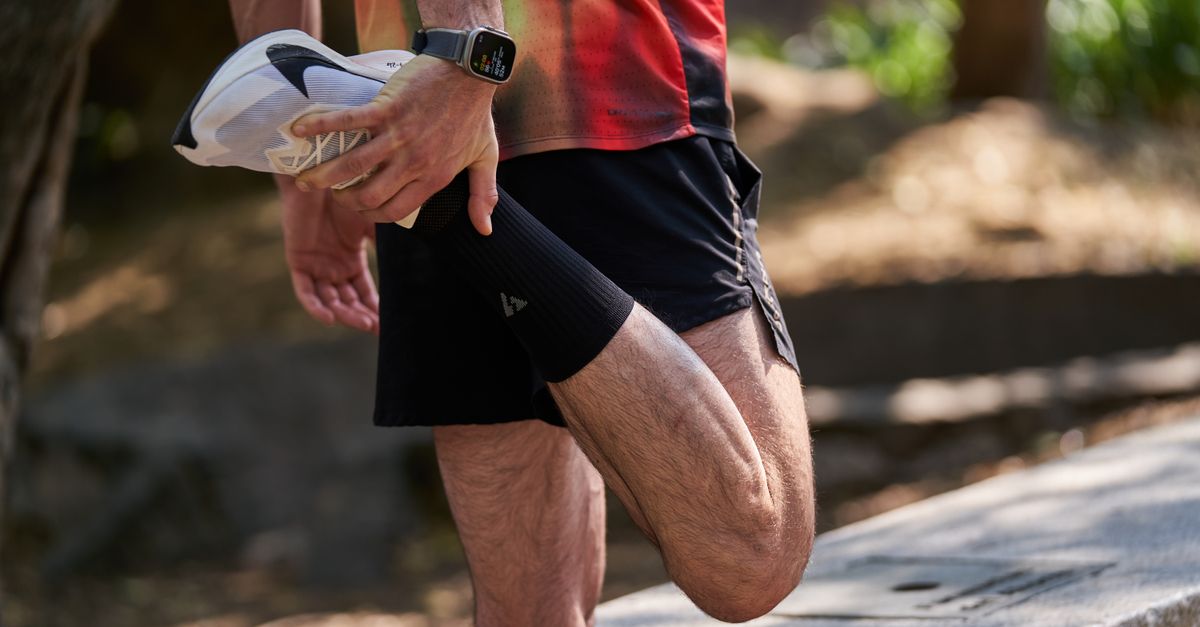
The Nufabrx Leg Sleeve acts as a broad surface transdermal delivery system for topical capsaicin, engineered to reduce severe muscle pain in the large muscle groups of the thigh and upper leg. The most frequently observed adverse reactions are strictly dermatological, presenting as pronounced localized redness, a significant burning feeling over a large surface area, and potential chemical irritation. Capsaicin is a highly active botanical alkaloid that fundamentally alters the communication pathways between the peripheral nervous system and the brain.
When the large compressive sleeve is secured around the thigh, the embedded capsaicin penetrates the stratum corneum and binds exclusively to transient receptor potential vanilloid 1 channels. This highly specific pharmacological interaction forces the sensory nerves to release a massive surge of Substance P, the primary neurotransmitter responsible for pain signaling. Through continuous wear over several days, the nerve endings become completely depleted of this neurotransmitter, rendering them incapable of sending pain signals and generating profound, sustained analgesia deep within the quadriceps and hamstrings.
2. Dermatological Warnings and Pre Application Leg Screening
A strict assessment of the epidermal integrity of the entire upper leg is mandatory before applying the capsaicin sleeve. The sleeve must never be positioned over open lacerations, healing surgical incisions from orthopedic procedures, severe sunburns, or active dermatitis patches. Direct contact between concentrated capsaicin and the dermis beneath the protective skin barrier causes excoriating pain and unwanted systemic absorption across a large surface area.
Individuals with a diagnosed hypersensitivity to topical capsaicin preparations must completely avoid utilizing this garment. Additionally, patients experiencing severe spinal nerve damage where their ability to sense temperature or pain in the leg is significantly impaired must consult a clinician before use. This impairment prevents the user from recognizing the warning signs of a developing chemical burn beneath the heavy fabric.
3. Indications and Safe Usage Guide for the Leg Sleeve
This specialized compression sleeve is indicated for the symptomatic relief of minor pains associated with hamstring strains, quadriceps fatigue, mild osteoarthritis of the knee extending up the leg, and general upper leg soreness. The correct application involves rolling the garment smoothly up the leg, ensuring the active fabric completely covers the target area without excessive bunching or restrictive tightness that could impede circulation to the lower leg.
To maintain efficacy and safety, the user must wear the sleeve consistently, as the sustained depletion of pain signaling neurotransmitters requires continuous chemical exposure. Users are strictly instructed to wash their hands meticulously with soap and water after applying or aggressively adjusting the large sleeve, as the capsaicin residue can easily transfer to the face or eyes, causing intense, agonizing irritation.
4. In Depth Side Effects Analysis of Lumbar and Leg Capsaicin
The pharmacological side effects of this wearable analgesic device are almost exclusively confined to the broad dermatological tissues directly contacting the active fibers across the thigh.
| Side Effect Category | Specific Symptoms |
|---|---|
| Dermatological | Pruritus, broad localized erythema, papular rash, skin peeling |
| Sensory | Stinging, intense localized heat, temporary hyperalgesia |
| Mucous Membrane (Transfer) | Severe ocular burning, nasal irritation, oral burning |
| Vascular | Mild localized vasodilation, increased leg skin temperature |
Common Side Effects
The expected pharmacological response to capsaicin includes a pronounced sensation of heat across the thigh, which may escalate to a mild burning feeling within the first hour of application. This sensory alteration is universally accompanied by broad localized erythema, as capsaicin directly induces local vasodilation, significantly increasing blood flow to the surface of the leg skin.
Serious Side Effects You Should Report
If the upper leg develops severe, weeping blisters, deep skin ulcerations, or pain that becomes physically intolerable, the user must immediately remove the sleeve and seek clinical care. Furthermore, severe swelling of the thigh that restricts knee movement or extends down the calf indicates a potentially critical allergic reaction requiring emergency medical evaluation.
Rare Side Effects
A rare complication of prolonged capsaicin exposure is severe allergic contact dermatitis, where the immune system reacts violently to the compound, causing widespread hives and tissue edema across the leg. Some patients may rarely experience sensory nerve damage leading to permanent localized numbness if the product is used inappropriately over severely compromised or deeply infected skin.
Side Effects That Usually Do Not Require Medical Attention
Mild tingling sensations when the leg is exposed to a warm breeze or warm shower water are entirely benign and reflect the altered state of the local heat receptors. Brief episodes of localized itching under the sleeve generally resolve without medical intervention as the skin acclimatizes to the continuous presence of the active ingredient.
5. Overdose Symptoms and Burn Management Protocols
An overdose of capsaicin from a controlled release sleeve only occurs through severe misuse, such as wearing multiple sleeves simultaneously or applying the product over a large area of broken skin. Symptoms of severe capsaicin dermal toxicity include incapacitating burning pain, severe skin blistering resembling a second degree thermal burn, and extreme localized inflammation across the thigh.
If severe dermal toxicity occurs, the user must detach the sleeve immediately. The skin must never be washed with plain water, which will merely spread the lipid soluble chemical and worsen the pain. Instead, the entire affected area must be gently cleansed with polyethylene glycol, mineral oil, or a thick layer of high fat dairy to neutralize the compound, followed by prompt medical evaluation for proper burn wound management.
6. Practices and Environmental Factors to Avoid
Applying an external heat source, such as a hot compress, a targeted electric heating pad, or sitting against a heated car seat while wearing the active sleeve is strictly forbidden. The addition of external heat drastically accelerates the release of the active ingredient and exponentially increases skin absorption, virtually guaranteeing a severe chemical burn on the large surface area of the thigh.
Users must avoid engaging in rigorous, heavy sweating activities in extreme heat while wearing the sleeve unless previously tested. Profuse sweating across the broad surface area of the leg acts as a solvent, causing the capsaicin to pool at the lower edges of the sleeve behind the knee where friction is highest, leading to severe, concentrated bands of skin irritation.
7. Drug and Chemical Interactions with the Leg Sleeve
Systemic drug interactions with a topical capsaicin sleeve are clinically insignificant due to the minimal systemic absorption into the bloodstream. However, severe local interactions occur if the sleeve is worn concurrently over skin treated with other localized medications. Applying an aspirin compounded topical cream under the sleeve creates unpredictable absorption kinetics and dramatically raises the risk of severe dermatitis.
Using topical counter irritants containing high concentrations of menthol or camphor alongside the capsaicin sleeve forces the sensory nerves into a state of extreme overstimulation. This combined chemical assault often results in paradoxical, severe pain across the thigh rather than providing analgesia.
8. Precautions, Safety, and Desensitization Timeline
The therapeutic success of this medication relies entirely on the continuous depletion of Substance P, which generally requires several days of continuous wear to achieve maximum analgesic effect in the dense thigh muscles. Sporadic or inconsistent wear allows the nerve endings to replenish their neurotransmitters, resulting in recurring pain and repeated initial burning sensations upon reapplication.
Individuals with sensitive skin or a history of severe contact dermatitis should monitor the application site daily for any signs of skin breakdown. The compressive nature of the heavy garment combined with the active chemical can compromise fragile skin faster than a traditional, lightly applied topical cream.
9. Proper Care, Washing, and Disposal Guidelines
To maintain the precise pharmacological release rate of the active ingredient, the sleeve must be washed strictly according to the provided instructions. Exposing the large garment to bleach, heavy fabric softeners, or high heat drying cycles will destroy the active capsaicin matrix and degrade the heavy compression fabric required for upper leg support.
When the sleeve no longer provides a warming sensation or fails to deliver pain relief, it indicates the capsaicin has been fully depleted. The used garment should be discarded securely in the trash to prevent accidental contact with children or household animals who might chew the fabric.
10. When Clinicians Escalate Medical Intervention
Immediate medical escalation is required if capsaicin is accidentally transferred into the eyes, causing severe corneal pain, extreme tearing, and an inability to open the eyelids. This scenario requires professional ocular flushing with specialized sterile solutions to prevent permanent corneal abrasion.
If the skin on the leg begins to slough off, turns dark purple, or emits a foul odor, these are critical signs of severe tissue necrosis and secondary bacterial infection. Such symptoms demand urgent wound care and systemic antibiotic therapy to prevent severe systemic complications.
Frequently Asked Questions
1. Why does my thigh feel like it is burning when I first put the sleeve on?
The burning sensation occurs because the active ingredient binds to your pain receptors, causing them to release all their pain signals initially before they eventually become entirely numb.
2. Should I take the sleeve off if my leg gets too hot?
If the heat becomes painful or physically unbearable, you must remove the sleeve immediately to prevent severe skin irritation or localized chemical burns.
3. Can I use this sleeve to treat a surgical incision on my knee?
No, you must absolutely never apply this capsaicin sleeve over healing surgical incisions or open wounds, as it will cause agonizing pain and severe tissue damage.
4. How long do I have to wear it before my leg stops hurting?
It typically takes a few days to a full week of consistent, daily wear for the nerve endings in your dense thigh muscles to fully desensitize and provide maximum pain relief.
5. Is it safe to wear the sleeve under my tight workout clothes?
Yes, but you must ensure your clothing does not cause the sleeve to bunch up tightly behind your knee, as heavy friction combined with the medication can severely irritate the skin.
6. What do I do if I accidentally rub my eyes after touching the sleeve?
Do not rinse your eyes with plain water; flush them immediately with sterile saline or milk and seek urgent medical evaluation if the severe pain persists.
7. Why does my leg sting when I stand near a space heater?
Capsaicin makes your skin’s heat receptors extremely sensitive, so even moderately warm surfaces or warm ambient air will feel intensely hot and stinging on the treated skin.
Bibliography
Disclaimer: The content is for informational purposes only and does not replace medical advice. Always consult your doctor or pharmacist for personalized treatment.
