1. Introduction & Mechanism of Action of Everyday Coverage Tinted Sunscreen
Everyday Coverage Tinted Sunscreen Extra Light Tint utilizes zinc oxide as a physical inorganic filter to block ultraviolet radiation while providing a cosmetic tint. The most frequent side effect is mild superficial skin dryness or localized irritation from the product base. Zinc oxide operates as a highly stable mineral barrier that reflects scatters and absorbs incoming solar radiation across both ultraviolet A and ultraviolet B wavelengths.
Upon application to the stratum corneum the zinc oxide particles establish a physical shield resting entirely on the superficial epidermal layer. When solar photons strike the treated skin this mineral matrix deflects the radiation away from the delicate underlying cellular structures. This precise physical deflection prevents direct cellular DNA damage and stops the generation of reactive oxygen species thereby reducing the risk of sunburn photoaging and subsequent cutaneous malignancies.
2. Warnings & Before Applying Zinc Oxide Sunscreens
Prior to incorporating this mineral shield into a daily dermatological regimen individuals must verify they possess no historical hypersensitivity to zinc oxide or the specific cosmetic excipients comprising the tinted base. Although zinc oxide is widely recognized as highly safe allergic contact dermatitis triggered by inactive carrier oils fragrances or stabilizing preservatives remains a clinical possibility.
Applying this physical sunscreen to actively weeping open wounds thermal burns or infected epidermal lacerations is strictly contraindicated. The dense mineral particles can become trapped deeply within compromised dermal tissue triggering a localized foreign body reaction and significantly delaying the natural cellular healing cascade. Patients actively managing inflammatory acne should consult a dermatologist to ensure the specific inactive tinting ingredients will not exacerbate deep follicular blockages.
3. Indications & Dosage Guide for the Mineral Shield
This targeted dermatological formulation is highly indicated for the continuous daily prevention of sunburn and the mitigation of premature photoaging and skin cancer risks caused by chronic ultraviolet exposure. Its broad-spectrum inorganic nature paired with the extra light tint makes it highly optimal for patients managing sensitive skin profiles rosacea or those who poorly tolerate the chemical absorption of traditional organic ultraviolet filters.
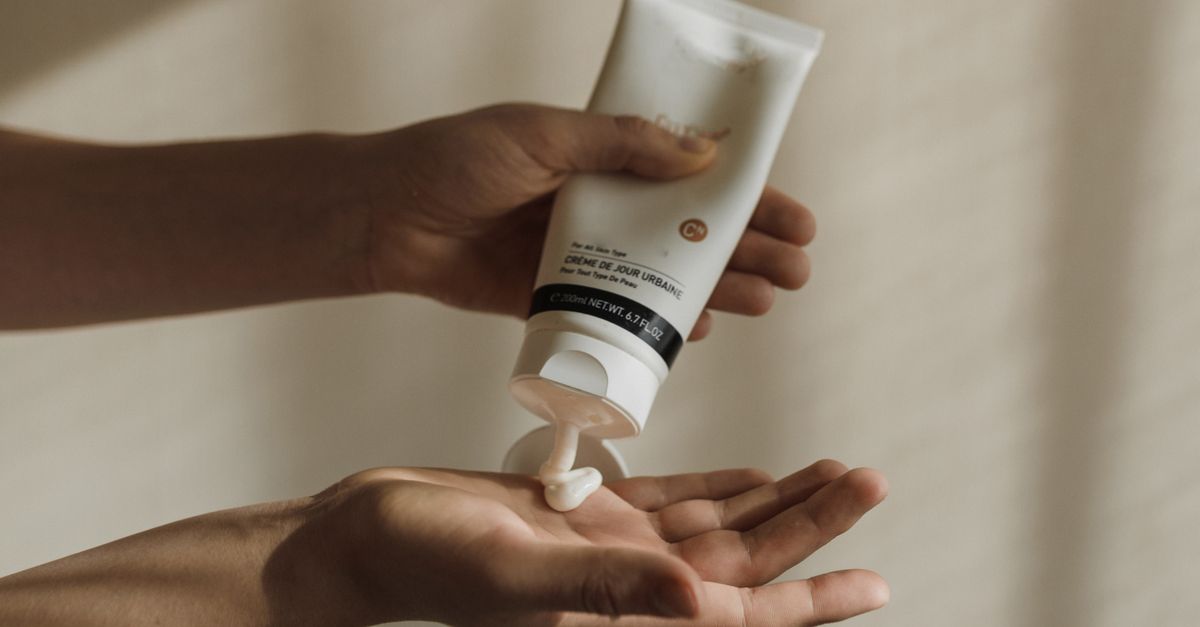
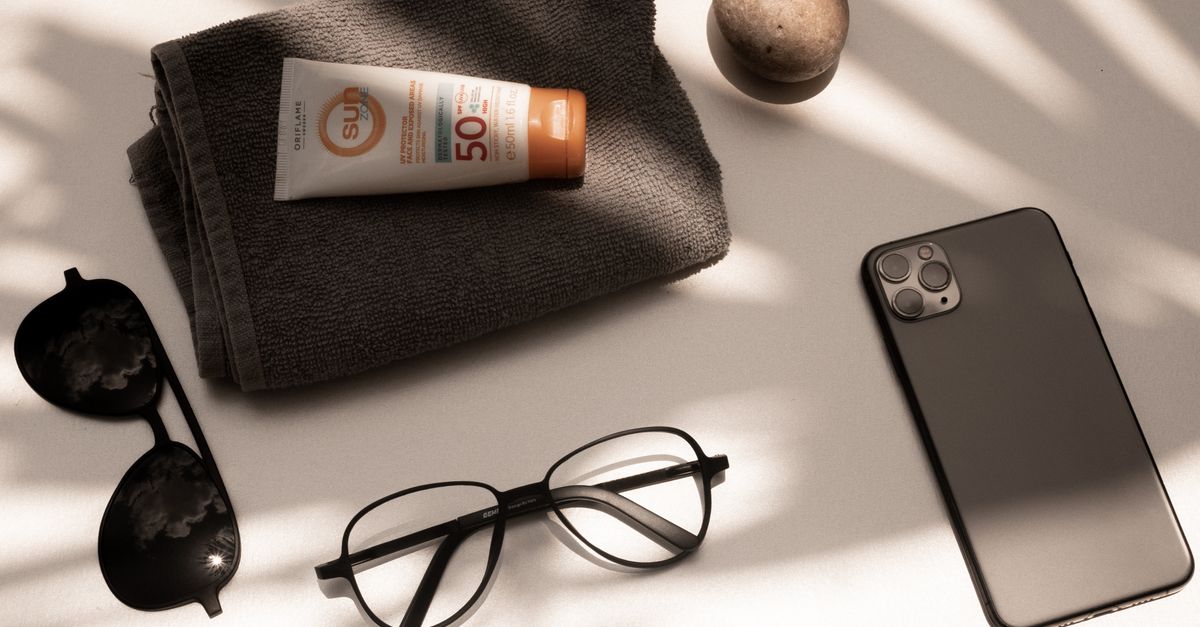
Proper clinical application demands that a generous even layer of the sunscreen be distributed across all sun-exposed skin exactly fifteen minutes prior to outdoor exposure. To maintain continuous defense the mineral barrier must be strictly reapplied every two hours of uninterrupted sun exposure and immediately following heavy perspiration swimming or towel drying. Inadequate application volume directly correlates with an exponential decrease in actual ultraviolet protection.
4. In-Depth Side Effects Analysis of Physical Photoprotection
Because zinc oxide acts as a completely inert physical shield resting entirely on the skin surface adverse physiological reactions are minimal compared to systemically absorbed chemical filters. For a comparison with other mineral protectors you may review our clinical guide on titanium dioxide.
Common Side Effects
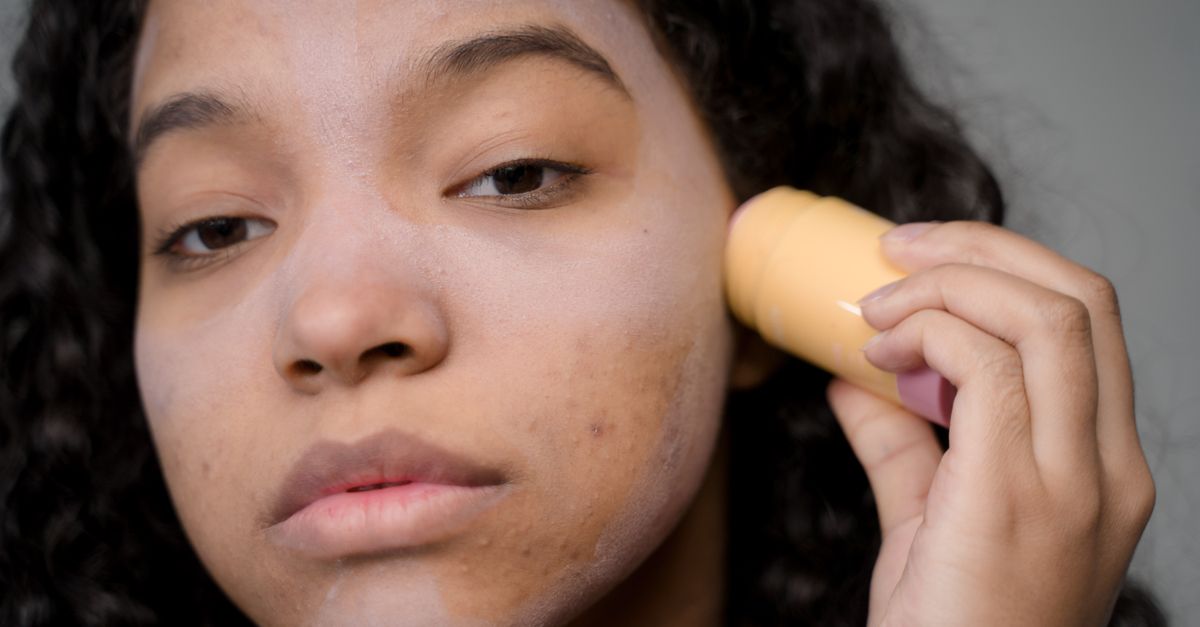
The vast majority of users report zero adverse clinical events. When localized symptoms do manifest they present strictly as highly transient mild erythema or minor localized pruritus directly linked to the physical rubbing required during application. Because the formulation contains an extra light tint it typically avoids the white chalky mineral cast associated with untinted zinc products.
Serious Side Effects you should report
Paradoxical hypersensitivity to the complete sunscreen formulation is unusual. Symptoms indicating an allergic cascade include sudden intense pruritus spreading erythema localized facial edema and the emergence of weeping dermal vesicles. Such presentations demand immediate washing of the treated skin and prompt dermatological assessment.
Rare Side Effects
In isolated scenarios patients who fail to thoroughly cleanse the heavy mineral sunscreen from their skin at the end of the day may develop mild superficial folliculitis. The dense zinc particles can physically occlude the pores trapping sebum and sweat thereby leading to minor localized acneiform eruptions.
Side effects that usually do not require medical attention
A mild sensation of skin heaviness or very slight localized dryness following application is an expected physical consequence of the zinc powder actively absorbing minor amounts of surface moisture.
| Side Effect Category | Specific Symptoms |
|---|---|
| Dermatological Application Site | Minor pruritus transient erythema mild dryness |
| Severe Hypersensitivity | Spreading erythema facial edema dermal vesicles |
| Occlusive Complications | Superficial folliculitis minor acneiform eruptions |
| Cosmetic Effects | Mild skin heaviness during wear |
5. Overdose Symptoms and Management for Topical Zinc Oxide
Systemic toxicity resulting from a topical overdose of zinc oxide sunscreen is pharmacologically impossible. The mineral particles are entirely too large to penetrate the intact stratum corneum and subsequently enter the systemic bloodstream. Applying unmeasured quantities of the product will simply create a thick unabsorbed cosmetic mask on the skin surface disrupting further makeup application.
Accidental oral ingestion particularly by young children results in the zinc oxide passing harmlessly through the human digestive tract. Ingestion of large volumes of the cream base may trigger mild gastrointestinal symptoms including minor nausea abdominal bloating or loose stools due to the inactive oils. Management is entirely supportive strictly ensuring adequate oral hydration.
6. Missed Dose & What to Avoid
Because this protective serum is utilized entirely on an as-needed basis for managing environmental ultraviolet exposure a strict chronological dosing schedule outside of active sun exposure is not required. Patients should apply the protectant heavily prior to leaving the house and rigorously maintain the two-hour reapplication rule while remaining outdoors.
Patients must aggressively mitigate application gaps during application. Missing small anatomical areas such as the tops of the ears the back of the neck or the delicate skin of the eyelids leaves these specific tissues entirely unprotected and highly vulnerable to acute severe sunburn. The tinted nature of the formulation allows patients to easily see missed spots ensuring thorough total coverage.
7. Drug & Skin Interactions with Zinc Oxide
The highly stable inorganic nature of topical zinc oxide ensures it completely avoids systemic hepatic enzyme interactions. It is entirely safe for concurrent use in patients actively managing systemic pharmacological regimens as the mineral cannot enter the bloodstream to alter internal medication clearance.
A localized interaction occurs if patients apply active dermatological medications heavily diluted with the sunscreen. Applying zinc oxide simultaneously with topical acne treatments like benzoyl peroxide or prescription retinoids is generally safe but the sunscreen must always be applied as the absolute final top layer. Placing other serums directly over the zinc oxide will physically disrupt the continuous mineral shield compromising its ability to reflect ultraviolet light.
8. Precautions, Safety & Duration of Action
Following manual application the zinc oxide mineral shield is established instantly providing immediate ultraviolet protection completely without requiring the typical chemical absorption wait time. The duration of this targeted physical barrier is dependent on physical wear and tear providing robust protection until it is physically wiped away sweated off or thoroughly washed.
Clinical safety across all vulnerable demographics is notably high. Pediatric skin which is highly susceptible to chemical absorption tolerates inert zinc oxide perfectly. The absence of systemic absorption makes this active compound safe during all trimesters of pregnancy and throughout active lactation for expecting mothers seeking safe photoprotection.
9. How to Stop Using Everyday Coverage Sunscreen & Storage Guidelines
This targeted skin protectant can be safely discontinued whenever direct ultraviolet exposure ceases entirely. However dermatologists strictly recommend continuous daily use regardless of weather to prevent long-term photoaging. To safely remove the heavy mineral barrier at the end of the day patients should utilize a dedicated oil-based facial cleanser followed by a mild soap to prevent physical pore occlusion.
The formulation must be securely stored at a stable room temperature strictly protecting the container from direct freezing environments or high heat which physically breaks the chemical emulsion and separates the cosmetic tinting ingredients. The cap must be tightly secured immediately after use. Keep all topical cosmetics out of the visual and physical reach of children.
10. When to See a Doctor for Sun Exposure Issues
Medical consultation is imperative if a patient develops a severe acute sunburn despite heavily utilizing the sunscreen indicating either improper application product degradation or an underlying autoimmune photosensitivity disorder. If a sunburn blisters heavily covers a large portion of the body or is accompanied by fever and chills immediate burn care is mandatory.
Patients must seek prompt dermatological evaluation for any new highly irregular skin lesion changing mole or non-healing cutaneous sore. While mineral sunscreen mitigates risk it cannot chemically reverse prior DNA damage and relying exclusively on over-the-counter protection should never delay necessary oncological skin screenings.
11. Frequently Asked Questions FAQ
1. Can I use this mineral sunscreen as a daily makeup primer?
Yes the tinted formulation is designed to provide cosmetic radiance and acts as an excellent smoothing physical base layer underneath standard daily makeup applications.
2. Does this sunscreen leave a visible white cast on the skin?
Because this formulation includes an extra light tint it is specifically engineered to counteract the traditional white chalky cast associated with raw zinc oxide.
3. Do I really need to reapply this every two hours if I work indoors?
If you remain strictly indoors away from large windows reapplication is generally not required. However if you sit near windows ultraviolet A rays can easily penetrate the glass necessitating reapplication.
4. Is it safe to mix this sunscreen directly into my daily foundation liquid?
You must strictly avoid mixing sunscreen directly into other cosmetics. Mixing dilutes the active zinc oxide particles and creates gaps in your physical protection shield.
5. Does zinc oxide enter my bloodstream and cause internal heavy metal toxicity?
No the zinc oxide particles utilized in standard cream formulations are entirely too large to physically pass through intact human skin ensuring strictly zero systemic bloodstream absorption.
6. Can I use this product if I have severe cystic acne?
Zinc oxide itself is soothing but the serum base may physically clog pores. You should ensure your daily cleansing routine thoroughly removes all mineral residue every night.
7. How does this mineral shield differ from standard chemical sunscreens?
Chemical sunscreens absorb into the skin and chemically convert incoming ultraviolet light into heat. Zinc oxide sits directly on top of the skin and acts as a physical mirror reflecting the light away entirely.
12. Bibliography
Disclaimer: The content is for informational purposes only and does not replace medical advice. Always consult your doctor or pharmacist for personalized treatment.