1. Introduction
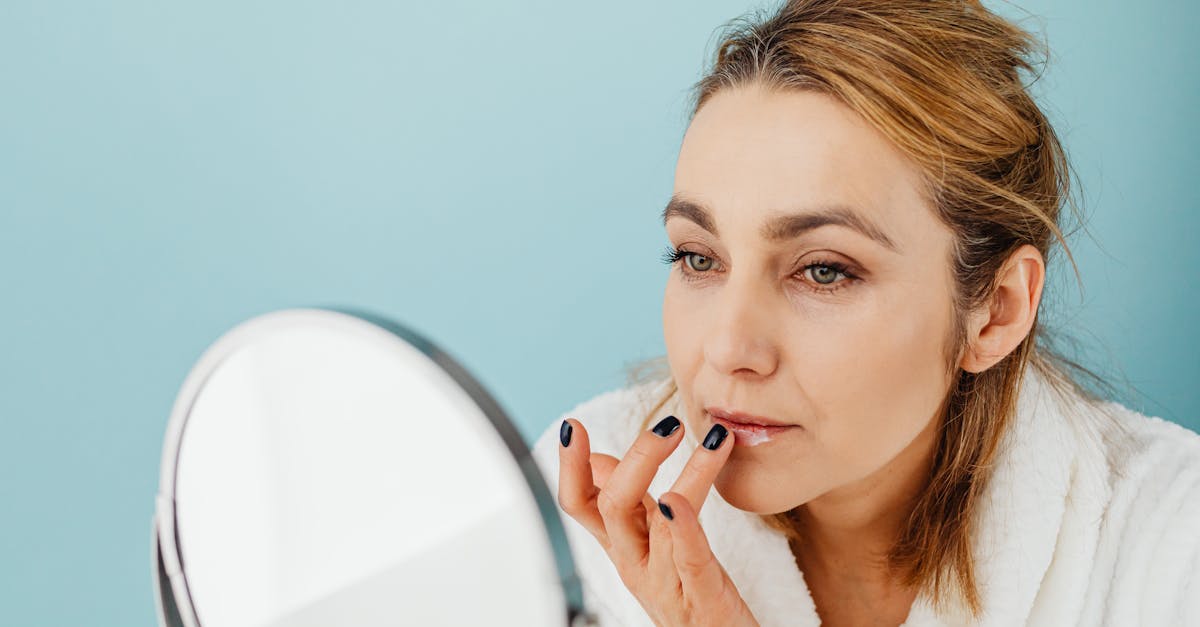
The fastest way to repair severely chapped lips overnight is to apply a thick, occlusive barrier of pure petroleum jelly or ceramide-rich ointment to lock in moisture and prevent trans-epidermal water loss. Prior to application, gently cleansing the lips and applying a humectant like hyaluronic acid draws water directly into the damaged cellular matrix. Ensuring adequate systemic hydration and utilizing a bedroom humidifier further optimize the nocturnal healing environment.
Severely chapped lips, medically termed cheilitis, represent a breakdown of the specialized skin barrier lining the mouth. Unlike the skin on the rest of the body, the lips lack sebaceous glands, which produce the natural protective oils required to maintain moisture. This structural deficiency renders them exquisitely vulnerable to environmental desiccation, cold winds, and ultraviolet radiation.
When this fragile barrier fails, the tissue dehydrates rapidly, leading to micro-tearing, inflammation, and deep, painful fissures. The body attempts to heal these fissures by creating a rapid inflammatory response, which often manifests as painful peeling and severe erythema. Rapid repair requires halting the water loss entirely and providing the exact biochemical components the lips need to regenerate the protective stratum corneum.
Overnight repair focuses on the optimal window of cellular regeneration. During sleep, the body naturally increases the rate of cellular turnover and repairs damaged tissues. By applying heavy, clinical-grade barriers right before sleep, the environment is sealed, allowing the damaged mucosal tissue to heal without the constant interruption of speaking, eating, or exposure to harsh weather.
2. Anatomy of the Vermilion Border
To effectively treat cheilitis, one must understand the unique anatomy of the lips. The lips are composed of three distinct zones: the hairy skin of the face, the oral mucosa inside the mouth, and the transitional zone known as the vermilion border, which is the red portion of the lips.
The skin of the vermilion border is incredibly thin, consisting of only three to five cellular layers, compared to the sixteen layers found on the face. Furthermore, this thin layer lacks the tough, keratinized protein structure that provides a physical shield for the rest of the body. Because it is so thin, the underlying blood vessels are visible, giving the lips their red appearance.
Most importantly, the vermilion border contains no sweat glands and zero sebaceous glands. Sebaceous glands secrete sebum, a lipid-rich oil that coats the skin, trapping water inside the cells and repelling external irritants. Without this natural oily shield, the lips are entirely dependent on internal hydration and external protection to survive.
Because they cannot moisturize themselves, any drop in environmental humidity or internal water volume causes immediate, profound desiccation. Treatment must artificially mimic the function of the missing sebaceous glands by supplying heavy, impermeable lipids.
3. Pathophysiology of Cheilitis
The primary mechanism behind severely chapped lips is massive trans-epidermal water loss. When the ambient air is dry, moisture evaporates rapidly from the unprotected vermilion border into the atmosphere. As the cells lose their internal water volume, they shrink, detach from one another, and die off rapidly, resulting in visible flaking.
This desiccation triggers localized inflammation. The immune system detects the compromised barrier and sends inflammatory cytokines to the area, causing the lips to become swollen, red, and highly sensitive. If the dehydration continues, the structural integrity of the tissue fails entirely, resulting in vertical cracks or fissures that often bleed and expose raw nerve endings, similar to a minor burn blister.
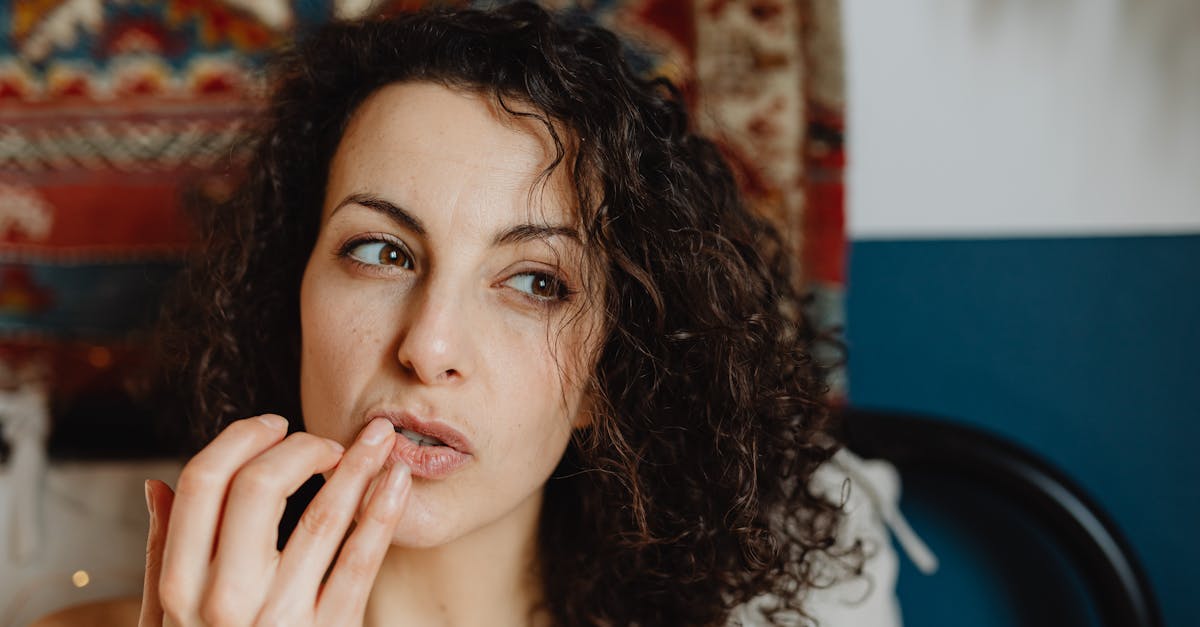
Chronic lip licking exacerbates this pathology exponentially. Saliva contains powerful digestive enzymes, primarily amylase and maltase, designed to break down complex food starches. When applied to the fragile lips, these enzymes aggressively digest the delicate outer cellular layers.
Furthermore, as the saliva rapidly evaporates, it pulls even more moisture out of the underlying tissue, creating a devastating cycle of licking, severe drying, and deeper cracking. Breaking this behavioral habit is a mandatory prerequisite for any topical treatment to succeed.
4. The Role of Occlusive Ointments
The absolute foundation of rapid lip repair is the application of an occlusive agent. Occlusives are heavy, large-molecule substances that physically cannot be absorbed into the skin. Instead, they sit on top of the tissue, forming an impenetrable, waterproof barrier that completely halts trans-epidermal water loss.
Pure petroleum jelly is the gold standard occlusive in dermatology. It is biologically inert, meaning it causes zero allergic reactions, and it prevents up to ninety-nine percent of water evaporation. Applying a thick layer of petroleum jelly directly before sleep seals the damaged lips in a humid microenvironment, allowing the cells to repair overnight.
Dimethicone, a silicone-based polymer, is another highly effective occlusive often found in clinical lip repair balms. It provides a breathable yet highly effective moisture barrier and fills in the microscopic fissures, providing immediate relief from pain and friction.
Beeswax and heavy plant waxes offer natural occlusive properties but are less effective at halting water loss than petroleum. Waxes are better suited for daytime protection against wind rather than for intensive, overnight clinical repair of severely cracked tissue.
5. Humectants versus Emollients
While occlusives trap water, they do not add water to the tissue. To achieve the fastest possible healing, an occlusive must be paired with a humectant. Humectants are molecules that act like biological sponges; they attract and bind water molecules from the deeper layers of the dermis and pull them up into the dehydrated outer layers.
Hyaluronic acid and glycerin are two of the most potent humectants available. Applying a thin serum containing pure hyaluronic acid to clean, damp lips immediately plumps the dehydrated cells. However, if a humectant is applied without an occlusive seal over it, it will simply draw water to the surface where it will evaporate into the dry air, worsening the problem.
Emollients form the third pillar of treatment. Emollients, such as ceramides, shea butter, or squalane oil, do not primarily trap water; instead, they fill in the microscopic gaps between the shrinking, dying cells. They act as the mortar between the cellular bricks.
Ceramides are particularly vital, as they are naturally occurring lipids that make up fifty percent of a healthy skin barrier. Applying a ceramide-rich cream followed instantly by a heavy layer of petroleum jelly provides the ultimate overnight repair protocol, addressing hydration, cellular cohesion, and water retention simultaneously.
6. Gentle Exfoliation Techniques
When lips are severely chapped, a thick layer of dead, hardened skin flakes often forms over the surface. This necrotic tissue physically blocks healing ointments from reaching the living cells underneath. Removing this barrier is necessary, but it must be executed with extreme clinical care to avoid tearing the fragile living tissue.
Aggressive scrubbing with harsh granular exfoliants, such as heavy sugar scrubs or stiff toothbrushes, is strictly contraindicated for severely cracked lips. These abrasive tools will rip the attached flakes away prematurely, causing deep bleeding, excruciating pain, and setting the healing process back significantly.
Chemical exfoliation using a very mild alpha-hydroxy acid, like lactic acid, dissolves the biological glue holding the dead cells together without physical friction. However, for overnight repair, the safest method is enzymatic or gentle physical softening.
Applying a warm, damp washcloth to the lips for five minutes softens the dead keratin. Afterward, rolling the washcloth very gently over the lips removes only the completely detached flakes. Once the loose debris is cleared, the humectants and occlusives must be applied immediately to the raw, fresh tissue.
7. The Dangers of Saliva and Licking
The habit of licking the lips is a primary driver of chronic, intractable cheilitis, clinically referred to as lip licker dermatitis. The brief sensation of moisture provided by the tongue is an illusion that results in massive subsequent dehydration.
Saliva is slightly alkaline and packed with digestive enzymes. These enzymes erode the thin vermilion border, creating a severe irritant contact dermatitis. A distinct, red, inflamed ring often forms completely around the mouth, marking the exact boundary of the tongue reach.
To cure the condition overnight, this habit must be entirely suppressed. Applying a thick, unflavored ointment acts as a physical deterrent. Flavored lip balms, particularly those containing sweet or fruity additives, subconsciously encourage licking and must be strictly avoided during the repair phase.
If the patient breathes through their mouth during sleep due to nasal congestion, massive amounts of air flow directly over the lips, acting like a wind tunnel that desiccates the tissue within hours. Clearing nasal passages with saline sprays before bed to ensure nasal breathing is a critical, often overlooked step in overnight lip repair.
8. Contact Dermatitis and Common Irritants
Many cases of severely chapped lips that fail to heal with standard moisture are actually undiagnosed cases of allergic contact dermatitis. The patient is unwittingly applying a chemical irritant directly to the compromised tissue, fueling a massive inflammatory response.
Camphor, menthol, and eucalyptus are ubiquitous in over-the-counter medicated lip balms. While they provide a temporary, cooling tingle that feels therapeutic, they are highly volatile essential oils that severely dry out the tissue and irritate the raw nerve endings over time.
Lanolin, a wax derived from sheep wool, is a fantastic emollient for many, but it is also a highly common contact allergen. For individuals sensitive to lanolin, applying it to cracked lips causes intense swelling, increased peeling, and severe redness, perfectly mimicking a worsening case of chapped lips.
Artificial fragrances and chemical sunscreens (such as oxybenzone) in lip products are also major culprits. For rapid, overnight healing, all complex, multi-ingredient balms must be discarded in favor of single-ingredient, hypoallergenic occlusives like pure white petrolatum.
9. Nocturnal Environmental Modifications
The environment of the bedroom dictates the rate of trans-epidermal water loss during the eight hours of sleep. During the winter months, central heating systems strip almost all humidity from the indoor air, creating an arid environment that violently pulls moisture from the unprotected lips.
Running a cool-mist humidifier in the bedroom, placed close to the bed, forcefully injects moisture back into the ambient air. Keeping the relative room humidity between forty and fifty percent equalizes the moisture gradient, preventing the atmosphere from stealing water from the skin.
Sleeping position also influences lip health. Patients who sleep on their stomachs or sides frequently press their mouths into the pillowcase. Cotton pillowcases are highly absorbent and will physically wick away the protective ointments applied before bed, leaving the lips exposed and dry by morning.
Switching to a pure silk or satin pillowcase reduces friction and is completely non-absorbent, ensuring the heavy occlusive barrier remains exactly where it was applied, protecting the repairing tissue throughout the entire sleep cycle.
10. Systemic Hydration and Nutrition
Topical treatments are merely damage control if the body systemic water reservoir is depleted. The lips are one of the first tissues to display signs of clinical dehydration. If the blood volume is low, the body shunts water away from the peripheral tissues, leaving the lips entirely desiccated from the inside out.
Consuming a large volume of water throughout the day is a mandatory baseline for cellular repair. However, hydration must be paired with specific nutritional co-factors necessary to rebuild the cellular membranes and synthesize new collagen.
Omega-three and omega-six fatty acids are the building blocks of the skin lipid barrier. A severe deficiency in dietary fats manifests as chronically dry, flaking skin and cracked lips. Incorporating healthy fats, such as avocados, nuts, or a high-quality fish oil supplement, provides the internal raw materials required to forge a strong, water-resistant barrier.
Spicy, salty, and highly acidic foods must be avoided while the lips are cracked. Salt draws moisture out of the tissue upon contact, while acids from citrus or tomatoes chemically burn the raw fissures, causing acute pain and localized tissue necrosis that delays healing.
11. Sun Damage and Actinic Cheilitis
If chapped lips occur predominantly during the summer or after prolonged outdoor exposure, ultraviolet radiation is the likely catalyst. The lips contain very little melanin, the pigment that protects the rest of the skin from solar damage.
An acute sunburn on the lips presents as severe swelling, blistering, and intense, painful peeling a few days after exposure. This thermal and radiation injury destroys the cellular DNA of the vermilion border, causing the massive die-off of the outer layers.
Chronic sun exposure leads to actinic cheilitis, a pre-cancerous condition where the border between the lip and the facial skin becomes blurred, pale, and constantly scaly. This type of damage will not respond to overnight moisture therapies and requires dermatological intervention, such as topical chemotherapy creams or cryotherapy, to destroy the mutated cells.
Once the acute cracking is healed using overnight occlusives, daytime prevention mandates the rigorous application of a broad-spectrum, mineral-based lip sunscreen containing zinc oxide or titanium dioxide to block the radiation physically without causing chemical irritation.
12. Identifying Vitamin Deficiencies
When cracking occurs specifically at the corners of the mouth, forming deep, painful cuts that bleed upon opening the jaw, the condition is known as angular cheilitis. This specific presentation is rarely caused by simple dry air and often points to a systemic nutritional deficiency.
A lack of B-complex vitamins, specifically riboflavin, niacin, and pyridoxine, severely impairs the cellular metabolism required to maintain the rapidly dividing cells of the oral mucosa. Without these vitamins, the tissue at the high-stress corners of the mouth breaks down and fails to regenerate.
Iron deficiency anemia also presents frequently with angular cheilitis. A lack of iron reduces oxygen delivery to the peripheral tissues, compromising their structural integrity and immune defenses.
Because the deep fissures at the corners of the mouth constantly trap saliva, they frequently become secondarily infected with Candida yeast or Staphylococcus bacteria. In these cases, heavy petroleum jelly alone will trap the infection; a physician must prescribe a topical antifungal or antibacterial ointment to clear the pathogens before structural healing can commence.
13. Dermatological Treatment Options
To provide a clear, clinical protocol for acute lip repair, the following table summarizes the precise topical agents required and their specific physiological functions in the healing cascade.
| Topical Agent | Dermatological Function |
|---|---|
| Pure Petroleum Jelly | Forms an impermeable occlusive shield to halt water evaporation instantly. |
| Hyaluronic Acid Serum | Acts as a humectant to draw water directly into the dehydrated cellular matrix. |
| Ceramide Creams | Provides essential lipids to repair the structural mortar between skin cells. |
| Dimethicone Ointment | Fills in microscopic fissures to reduce friction and provide a breathable barrier. |
| Zinc Oxide Paste | Provides robust physical protection against ultraviolet radiation during the day. |
14. When to Suspect Underlying Pathologies
While most chapped lips are a benign environmental response, intractable cheilitis that refuses to heal despite weeks of aggressive occlusive therapy warrants a thorough medical investigation to rule out systemic autoimmune or infectious diseases.
Crohn disease, an inflammatory bowel condition, frequently presents with extraintestinal manifestations, including severe, granulomatous swelling and intractable cracking of the lips. Because the mouth is part of the gastrointestinal tract, systemic gut inflammation often mirrors itself on the oral mucosa.
Lupus erythematosus and other autoimmune connective tissue disorders can cause severe photosensitivity and chronic ulcerations of the vermilion border. A physician will perform a localized tissue biopsy if an autoimmune pathology is suspected.
Persistent, solitary, non-healing ulcers on the lower lip, particularly in individuals with a history of tobacco use and chronic sun exposure, must be immediately evaluated for squamous cell carcinoma, a highly aggressive form of oral cancer that initially masquerades as a stubborn chapped patch.
15. Frequently Asked Questions (FAQ)
1. Does Carmex or ChapStick make your lips more chapped?
Many standard medicated balms contain menthol, camphor, and salicylic acid, which provide a cooling sensation but actually chemically exfoliate and dry out the lips, leading to a cycle of constant reapplication.
2. Is it safe to scrub my peeling lips with a toothbrush?
No, scrubbing severely chapped lips with a toothbrush rips off the protective tissue prematurely, causing deep bleeding, extreme pain, and opening the raw skin to bacterial infection.
3. Why do the corners of my mouth keep cracking and bleeding?
Cracking specifically at the corners is called angular cheilitis, which is often caused by a fungal yeast infection trapping saliva, or an underlying deficiency in iron or B vitamins.
4. Can drinking enough water instantly cure my dry lips?
While systemic hydration is mandatory, water alone cannot fix the lips if the outer lipid barrier is broken; you must apply an external occlusive ointment to trap the water inside the tissue while it heals.
5. Is pure petroleum jelly safe to swallow in small amounts overnight?
Yes, pure white petrolatum is biologically inert and perfectly safe if microscopic amounts are ingested while sleeping; it simply passes through the digestive tract without being absorbed.
16. Bibliography
Disclaimer: The content is for informational purposes only and does not replace medical advice. Always consult your doctor for personalized treatment.