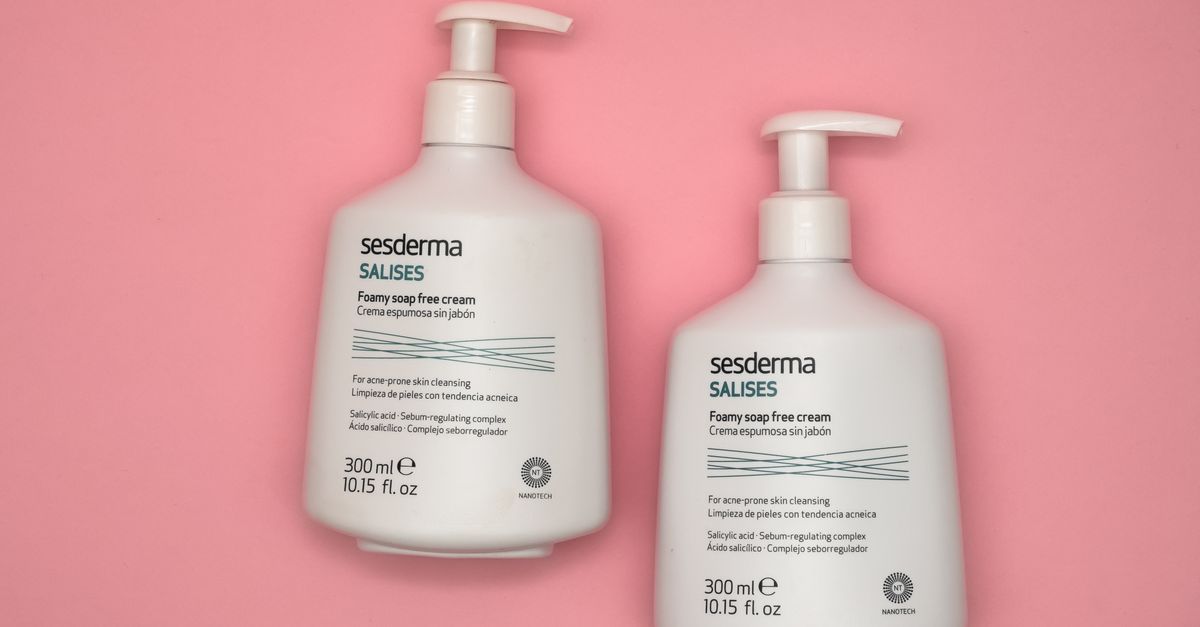
1. Introduction And Mechanism Of Action Of Salicylic Acid 0.5% Body Serum
Salicylic Acid 0.5% Body Serum utilizes a specifically calibrated, lower concentration of beta hydroxy acid designed for widespread topical application across broad dermal surface areas. The most significant adverse effect associated with this formulation is localized barrier disruption presenting as flaking and erythema, coupled with a rare but serious risk of systemic salicylate toxicity if misused on compromised skin.
The active molecule operates via profound lipophilic affinity, allowing it to penetrate the sebum-rich environment of body hair follicles. Upon entry into the pilosebaceous unit, salicylic acid initiates a targeted keratolytic process. It severs the intracellular cohesive bonds linking the epidermal corneocytes, directly resulting in controlled desquamation. This mechanism is highly effective in clearing impacted keratin debris responsible for conditions such as keratosis pilaris and truncal acne.
Because the formulation is applied to a significantly larger surface area compared to facial treatments, the 0.5 percent concentration is purposefully calculated to balance keratolytic efficacy with a minimized risk of transdermal toxicity. This low-dose, high-volume delivery approach maintains the continuous shedding of the stratum corneum without rapidly stripping the critical lipid barrier necessary for whole-body hydration.
2. Warnings And Prerequisites Before Taking Salicylic Acid 0.5% Body Serum
A critical clinical warning regarding any body-formulated salicylic acid product relates to the absolute necessity of application solely on an intact epidermal barrier. Utilizing this serum over large areas of sunburned skin, active eczema flares, or extensive open lacerations drastically bypasses the skin’s natural resistance, leading to rapid systemic absorption of the salicylate molecule into the bloodstream.
Patients possessing a documented clinical allergy to aspirin or other nonsteroidal anti-inflammatory salicylate derivatives must stringently avoid this body serum. The transdermal application over extensive skin surfaces can trigger a severe, widespread hypersensitivity reaction in sensitized individuals, potentially escalating to systemic anaphylaxis.
Clinicians caution against the concurrent use of this body serum with physical exfoliating tools, such as abrasive loofahs or dry brushes. The mechanical stripping of the stratum corneum combined with the chemical desquamation of the beta hydroxy acid frequently results in profound epidermal injury, characterized by severe localized inflammation, increased transepidermal water loss, and a heightened susceptibility to secondary cutaneous infections.
3. Indications And Dosage Guide For Salicylic Acid 0.5% Body Serum
The primary clinical indications for this specific body serum include the management of non-inflammatory and inflammatory truncal acne, generalized rough skin texture, and the highly common hyperkeratotic condition known as keratosis pilaris. The lower concentration allows for consistent, widespread maintenance of cellular turnover across the limbs and torso.
The optimal application protocol involves dispensing the serum onto completely clean, dry skin following a bath or shower. Moisture can alter the absorption kinetics and the localized pH of the active ingredient. The serum should be massaged gently into the targeted areas until fully absorbed. Application is generally recommended once daily, but may be reduced to three times weekly for patients exhibiting initial epidermal reactivity.
Strict adherence to dosing limits is vital due to the large surface area involved. The product should be applied in a thin, even layer rather than heavily slathered. The formulation is not designed for facial application, as the vehicle delivery system is optimized for the thicker stratum corneum of the body and may prove overly occlusive or irritating to the delicate facial mucosa.
4. In-Depth Side Effects Analysis Of Salicylic Acid
The adverse effects of a low-concentration body serum are heavily dependent on the total volume applied and the structural integrity of the underlying skin barrier.
4.1 Common Side Effects
Localized, mild desquamation is the most frequently observed and pharmacologically expected outcome. Patients commonly report mild skin dryness, transient mild erythema in areas of thin skin like the inner forearms, and a temporary sensation of tightness as the dead cellular layers detach from the underlying epidermis.
4.2 Serious Side Effects To Report
Severe contact dermatitis mandates the immediate cessation of therapy. Clinical markers include the rapid development of widespread urticaria, profound localized edema, or weeping vesicular eruptions across the application site. Development of deep, painful cracks in the skin barrier signifies severe structural compromise requiring dermatological intervention.
4.3 Rare Side Effects
The most severe, albeit rare, pharmacological risk is salicylism, occurring when systemic absorption reaches toxic thresholds. This typically happens when the product is thickly applied under occlusive wraps or applied to extensive, denuded skin. Symptoms include persistent tinnitus, unexplained nausea, generalized lethargy, and a rapid respiratory rate.
4.4 Side Effects That Usually Do Not Require Medical Attention
A brief, localized tingling sensation immediately following application is a highly typical response to the acidic nature of the formulation. This subjective sensation generally resolves within minutes as the product fully absorbs and the skin’s natural buffering capacity neutralizes the surface pH.
| Side Effect Category | Specific Symptoms |
|---|---|
| Dermatological | Mild dryness, transient erythema, surface flaking |
| Hypersensitivity | Widespread urticaria, edema, vesicular rash |
| Systemic (Rare) | Tinnitus, generalized nausea, hyperventilation |
5. Overdose Symptoms And Management
Systemic overdose via strictly dermal application of a 0.5 percent formulation on intact skin is exceptionally rare. However, extensive misuse, such as applying massive quantities over the entire body and tightly wrapping the areas in plastic occlusion, can force the active molecule through the lipid barrier and directly into systemic circulation, inducing severe salicylate toxicity.
The clinical presentation of acute salicylate toxicity involves severe metabolic derangements. The patient will rapidly develop respiratory alkalosis driven by hyperventilation, eventually leading to a complex metabolic acidosis. Accompanying symptoms include profound confusion, severe gastrointestinal distress, diaphoresis, and progressive central nervous system depression.
In the event of accidental oral ingestion of the body serum, immediate emergency medical intervention is absolutely mandatory. Gastric decontamination protocols may be initiated if the presentation is acute. Intravenous fluid resuscitation and the administration of systemic sodium bicarbonate are required to correct the profound acid-base imbalance and accelerate the renal clearance of the salicylate molecules.
6. Missed Dose And Application Protocol Avoidance
The continuous pharmacological action of body-focused keratolytics means that a missed application does not induce a physiological withdrawal or a sudden severe exacerbation of symptoms. If an application is missed, the patient should simply resume their standard routine the following day. Over-applying the serum to compensate for the omission exponentially increases the risk of inducing severe, localized chemical burns.
Patients must strictly avoid extensive solar exposure on the treated areas of the body. The continuous chemical exfoliation significantly thins the protective stratum corneum, removing the natural barrier that deflects ultraviolet radiation. This leaves the underlying dermal structures highly susceptible to severe, rapid sunburn and long-term actinic damage. Widespread application of a broad-spectrum body sunscreen is essential during therapy.
Application to the highly sensitive mucosal membranes of the body, including the genital and perianal regions, is strictly forbidden. The epithelium in these areas is exceedingly thin and highly vascularized, guaranteeing severe localized pain, chemical ulceration, and rapid, potentially dangerous systemic absorption.
7. Drug And Chemical Interactions With Salicylic Acid
While systemic drug interactions are rare with low-concentration topical formulations, significant localized interactions occur when this serum is layered with other active pharmacological agents.
Applying the salicylic acid body serum concurrently with prescription topical antibiotics, such as erythromycin, or potent topical corticosteroids can profoundly alter the absorption profile of the secondary drugs. The keratolytic action of the acid removes the barrier that normally regulates drug penetration, potentially causing the secondary medication to absorb at an unsafely rapid rate.
Patients must avoid combining this serum with over-the-counter body washes containing benzoyl peroxide or high concentrations of alpha hydroxy acids. The simultaneous utilization of multiple abrasive chemical agents will rapidly completely strip the necessary lipid mantle of the skin, resulting in profound inflammation and severe barrier dysfunction.
8. Precautions, Safety, And Duration Of Action
The clinical mechanism of salicylic acid is continuous and sustained following application, relying on the acidic pH environment to facilitate follicular penetration. The desquamation process continues for several hours until the active molecule is eventually neutralized by sweat and natural epidermal lipids, or physically washed away during bathing.
Patients with compromised renal function must be cautious when treating large surface areas. The kidneys are solely responsible for filtering and excreting any salicylate molecules that successfully enter the systemic circulation. Impaired renal clearance can lead to unexpected systemic accumulation, even at lower topical concentrations.
Therapy involving large body surface areas in pediatric populations requires significant clinical oversight. The skin of children is highly permeable, and their ratio of surface area to body mass is much larger than an adult’s, creating a significantly elevated risk for transdermal toxicity.
9. Discontinuation, Storage, And Disposal Protocols
Discontinuation of the serum does not require a tapering protocol. Patients can cease application instantly without adverse systemic reactions. Clinically, the epidermal cell turnover rate will simply revert to its baseline genetic pace, which may result in a slow recurrence of follicular impaction and keratosis pilaris over a span of several weeks.
The formulation must be stored in a climate-controlled environment, rigidly protected from direct sunlight and extreme heat sources. Exposing the serum to high temperatures, such as leaving it inside a vehicle, can compromise the emulsion stability of the vehicle and accelerate the chemical degradation of the active acid.
Proper disposal of the cosmetic packaging must adhere to local environmental standards. The active ingredients should not be expelled in large volumes into residential plumbing systems. Ensure the container is thoroughly emptied and recycled according to municipal waste guidelines.
10. When To Seek Immediate Medical Attention
Clinical evaluation is immediately required if the patient exhibits signs of a widespread severe allergic reaction. The rapid development of hives extending far beyond the areas where the serum was applied, coupled with severe facial swelling or difficulty breathing, constitutes a life-threatening anaphylactic emergency requiring immediate medical intervention.
Patients must seek emergency care if they experience the hallmark signs of systemic salicylate toxicity. If the use of the product is followed by the sudden onset of profound ringing in the ears, unyielding severe nausea, deep confusion, or an inability to catch their breath, immediate transport to an emergency department is necessary.
A dermatological consultation should be arranged if the application sites develop signs of a secondary bacterial infection. The presence of warm, intensely red, and tender skin, particularly if accompanied by purulent discharge or a localized fever, indicates that the skin barrier has been severely breached, necessitating systemic or targeted topical antibiotic therapy.
11. Frequently Asked Questions (FAQ)
1. Can I use this body serum on my face?
It is strongly advised against. The vehicle formulation designed for the thicker skin of the body is often too heavy and occlusive for the face, and it may trigger severe acne breakouts or excessive irritation on the delicate facial skin.
2. How long does it take to see improvements in keratosis pilaris?
Because the acid works by gradually dissolving established keratin plugs, visible improvements in skin texture typically require four to six weeks of highly consistent, daily application.
3. Is it safe to apply this serum immediately after shaving?
Shaving physically exfoliates the skin and creates microscopic lacerations in the barrier. Applying an acidic serum immediately afterward will result in a profound, severe burning sensation and significant localized inflammation. Wait at least twelve to twenty-four hours after shaving.
4. Why is my skin peeling in large flakes?
Visible, prominent flaking signifies that the keratolytic process is active but the skin barrier is becoming excessively dehydrated. You should decrease the frequency of application to every other day and heavily apply a non-active moisturizer.
5. Can I use this product during pregnancy?
The safety of applying salicylic acid over large surface areas of the body during pregnancy is not definitively established due to the risk of systemic absorption. You must consult your obstetrician prior to initiating this therapy.
6. Will this serum fade dark spots on my back?
By constantly shedding the uppermost layers of the epidermis, the acid can assist in the gradual fading of superficial post-inflammatory hyperpigmentation, though it does not directly inhibit melanin production.
7. Can I apply this to my feet for severe calluses?
While safe for the feet, the 0.5 percent concentration is generally too weak to significantly impact the extremely thick, hyperkeratotic skin of established calluses, which often require much higher concentrations of chemical exfoliants.
8. Does this product expire?
Yes. The chemical stability of the active acid diminishes over time. A distinct change in the odor, color, or consistency of the serum strongly indicates the product has degraded and is no longer clinically effective or safe to apply.
12. Bibliography
Disclaimer: The content is for informational purposes only and does not replace medical advice. Always consult your doctor or pharmacist for personalized treatment.