1. Introduction and Mechanism of Action for BioBarrier Renewal Cream
BioBarrier Renewal Cream is a topical skin protectant utilized to soothe irritated skin and promote the healing of minor cuts, scrapes, and superficial abrasions. The most notable side effect is highly infrequent localized pruritus, which presents as mild itching in individuals with a specific sensitivity to the botanical derivatives. By actively promoting cellular proliferation and functioning as a keratolytic, this medication softens the tough outer layers of the epidermis and accelerates tissue regeneration.
The active ingredient operates through multiple highly beneficial dermatological pathways. Allantoin functions primarily as a potent keratolytic agent. It actively interacts with the tough, dry keratin protein located in the stratum corneum, causing the dead skin cells to loosen and safely slough off. This process vastly improves the skin’s capacity to bind and retain moisture, restoring a smooth, hydrated texture to deeply compromised epidermal barriers.
Furthermore, the chemical compound stimulates fibroblasts, the cells responsible for producing collagen and actively healing injured tissue. Unlike harsh chemical exfoliants or strong topical corticosteroids such as hydrocortisone, which can severely thin the skin over time, this active ingredient gently encourages the skin’s natural repair mechanisms without disrupting the underlying cellular architecture, making it highly suitable for long-term daily maintenance.
2. Warnings and Before Applying BioBarrier Renewal Cream
Before utilizing this topical protectant, clinicians and users must verify that the patient does not possess a known hypersensitivity to botanical extracts or the specific inactive carrier creams used in the formulation. While the active ingredient is exceptionally well-tolerated by the vast majority of the population, applying the cream to deeply infected, actively oozing, or severely blistered skin is contraindicated until the underlying infection is medically addressed.
The product carries a clinical warning regarding application over severe, full-thickness burns or deep puncture wounds. This formulation is explicitly designed for superficial epidermal repair. Applying the cream deeply into a severe, vascularized wound can trap bacteria and delay the critical medical assessment required for major tissue trauma.
Furthermore, individuals with highly acne-prone skin should exercise caution if applying the thick cream formula to the face. While the active ingredient itself is non-comedogenic and actively soothes inflammation, the heavy moisturizing base utilized in the cream formulation can occlude pores. This physical occlusion can inadvertently precipitate an outbreak of closed comedones or exacerbate active cystic acne if not washed off properly.
3. Indications and Dosage Guide for BioBarrier Renewal Cream
The formulation is indicated exclusively for the temporary protection and relief of minor skin irritations, minor cuts, scrapes, and burns. It is heavily utilized in dermatological protocols to treat severely dry, chapped, or chafed skin, often resulting from harsh environmental conditions, frequent hand washing, or winter weather desiccation.
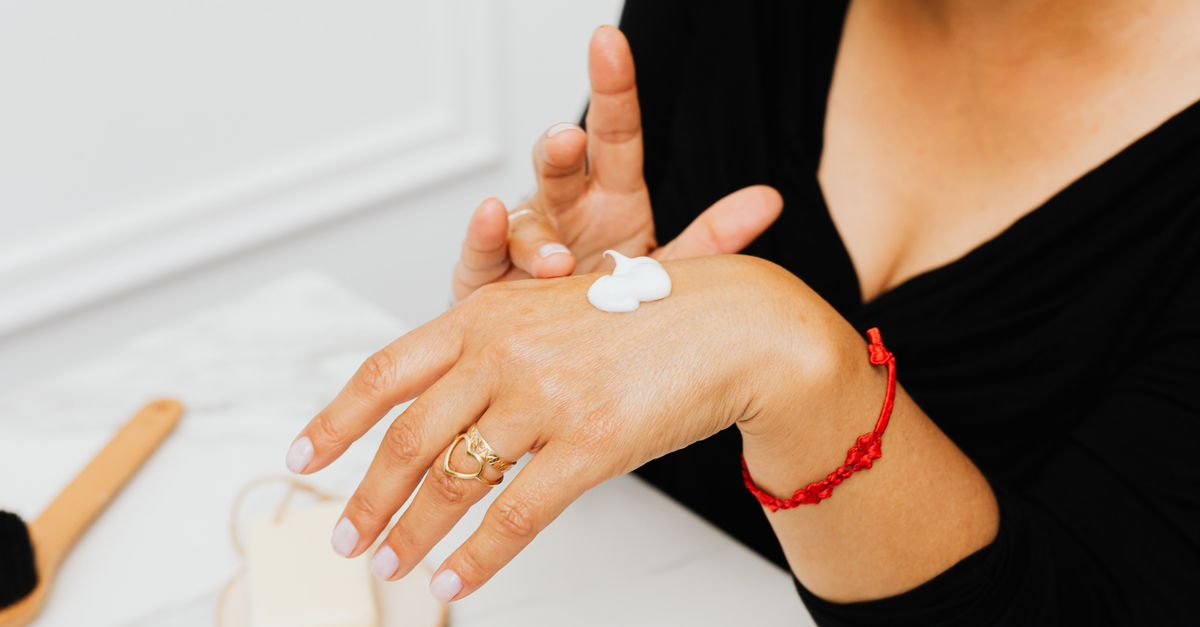
Application protocols require gentle but thorough coverage to achieve proper barrier protection. The user should cleanse the affected area with mild soap and water and gently pat it dry before application. A liberal amount of the cream should be applied directly to the compromised skin and rubbed in gently until it is fully absorbed. The product leaves a protective, invisible barrier on the skin surface.
The medication can be applied as frequently as needed to maintain continuous protection and hydration. For optimal clinical results in treating severe dryness, it is highly recommended to apply the cream immediately after bathing, while the skin is still slightly damp. This technique actively traps the essential moisture within the epidermal layers, maximizing the keratolytic and hydrating benefits of the therapy.
4. In-Depth Side Effects Analysis of BioBarrier Renewal Cream
Because the medication functions specifically as a gentle skin soothing and protecting agent, the side effect profile is exceptionally mild and almost entirely localized to the dermal application site.
Common Side Effects
The vast majority of adverse reactions are confined directly to the skin where the product was applied. Users occasionally experience mild erythema or localized pruritus upon initial application, particularly if the skin barrier is severely compromised, cracked, or raw. These localized reactions typically represent a mild irritant response to the inactive ingredients or preservatives in the cream base rather than the active soothing agent itself.
Serious Side Effects you should report
Users must immediately report serious dermatological complications, including the development of deep skin fissures, severe blistering, weeping skin lesions, or a rapidly spreading rash. These symptoms indicate serious allergic contact dermatitis, requiring immediate cessation of the product. Swelling of the face, lips, or throat indicates a serious systemic immunological hypersensitivity reaction.
Rare Side Effects
In highly rare clinical circumstances, patients with extreme botanical sensitivities have developed allergic contact dermatitis specifically linked to the active ingredient. Rare cases of severe acne cosmetica have been documented when users inappropriately applied the heavy body cream to the highly sensitive, acne-prone areas of the face, leading to severe pore occlusion.
Side effects that usually do not require medical attention
Transient mild redness immediately following the application, a slight, temporary stinging sensation when applied over a minor paper cut, or a lingering feeling of heaviness on the skin are completely benign. These minor effects are expected outcomes as the product absorbs and generally resolve seamlessly.
| Side Effect Category | Specific Symptoms |
|---|---|
| Dermatological | Mild erythema, localized pruritus, temporary stinging |
| Immunological | Allergic contact dermatitis, rare facial swelling |
| Cosmetic | Acne cosmetica if applied heavily to the face |
5. Overdose Symptoms and Management for BioBarrier Renewal Cream
An overdose via the topical route is entirely impossible under normal use conditions, as systemic absorption of the active ingredient is fundamentally restricted by the epidermal barrier and poses no systemic chemical toxicity. However, a clinical situation arises if the cream is accidentally ingested orally in large quantities, particularly by young children who may mistake the tube for toothpaste or food.
If accidental oral ingestion occurs, emergency medical services or a poison control center must be contacted. Symptoms of ingestion typically include minor gastrointestinal distress, mild abdominal cramping, nausea, and vomiting. These symptoms arise primarily due to the heavy moisturizing base, emulsifiers, and inactive carrier lotions irritating the delicate gastric mucosa.
Clinical management for ingestion is strictly supportive. Medical professionals will monitor vital signs and manage any gastrointestinal symptoms. Inducing vomiting is generally not recommended unless explicitly directed by a poison control specialist, to prevent aspiration of the thick cream into the lungs. In cases of severe dermal reactions from massive over-application, the skin must simply be washed thoroughly with a gentle cleanser.
6. Missed Dose and What to avoid while taking BioBarrier Renewal Cream
Because this product is utilized strictly on an as-needed basis for skin protection and barrier repair, a missed application is clinically irrelevant. Users should simply apply the product whenever their skin feels excessively dry, irritated, or immediately following exposure to harsh environmental elements.
Users must avoid applying this heavy renewal cream to severely infected, actively oozing wounds. Applying a thick layer of moisturizer over an active bacterial or fungal infection physically traps the pathogens in a warm, moist, oxygen-deprived environment. This drastically accelerates bacterial proliferation and significantly worsens the underlying infection. Infected wounds require specific topical or oral antibiotics before a barrier cream can be safely utilized.
Furthermore, users should avoid mixing this protective cream with harsh, active skincare ingredients like strong chemical peels or high-percentage retinol without consulting a dermatologist. While the cream is soothing, physically rubbing it over freshly chemically-burned skin can cause intense, sudden stinging and prolong the inflammatory phase of the chemical peel.
7. Drug and Alcohol Interactions with BioBarrier Renewal Cream
Systemic drug interactions are highly unlikely due to the strictly localized, purely external mechanism of the skin protectant. The active ingredient does not reach clinically significant levels in the bloodstream when applied correctly to intact or superficially damaged skin. Therefore, it is generally completely safe for patients currently taking oral prescription medications.
Concomitant use with other highly potent topical medications can actually be beneficial if managed correctly by a clinician. Because the active ingredient is a keratolytic that removes dead skin cells and deeply hydrates the tissue, it acts as a mild penetration enhancer. Applying this cream prior to applying prescription topical treatments, such as topical corticosteroids, can potentially improve the absorption and efficacy of the steroid, though this should only be done under direct medical supervision.
Alcohol consumption does not chemically interact with the localized dermal delivery mechanism. The soothing efficacy and safety profile of the protective barrier remain entirely unchanged regardless of the patient’s systemic alcohol intoxication level.
8. Precautions, Safety, and Duration of Action of BioBarrier Renewal Cream
The protective efficacy is established immediately upon application, as the hydrating barrier sits directly on top of the skin while the active ingredient begins its keratolytic process. The duration of robust tissue hydration and protection is typically sustained for several hours, but the cream must be reapplied frequently if the user engages in heavy hand washing or manual labor that physically strips the barrier away.
Precautions must be taken regarding patient mobility and safety. Applying a thick layer of the cream to the soles of the feet to treat cracked heels creates a highly dangerous, intensely slippery surface. Patients must wear tightly fitted cotton socks immediately after treating their feet to prevent catastrophic, bone-breaking falls on hard flooring surfaces.
Safety protocols dictate that the cream tube must remain hygienically clean. Users must avoid touching the dispenser opening directly against infected or visibly dirty skin. Repeatedly contaminating the tube opening can introduce aggressive bacteria into the cream, completely destroying its clinical utility and increasing the risk of spreading infections to other parts of the body.
9. How to stop taking BioBarrier Renewal Cream and Storage Guidelines
Usage of the topical renewal cream can be discontinued instantly without any physiological withdrawal consequences. Upon ceasing the use of the product, the epidermal barrier must simply rely on its own natural lipid production to maintain hydration and promote cell turnover. If the underlying skin condition or environmental stressors have not been resolved, severe dryness and irritation will rapidly return.
Proper storage is critical for maintaining chemical stability and formulation consistency. The tube must remain tightly closed and stored at controlled room temperature. It must be strictly shielded from freezing conditions and excessive heat to prevent the carrier lotions and the active ingredient from permanently separating into an unusable, watery liquid.
Disposal of expired or unused cream requires no special environmental protocols due to the complete lack of active chemical toxicity. The product container can be safely discarded in standard household waste according to local guidelines for cosmetic and personal care products.
10. When to see a doctor
Medical attention should be sought if a minor, superficial wound treated with the cream begins to show signs of serious clinical infection. If the treated wound develops severe, spreading redness, significant swelling, intense warmth to the touch, or begins secreting foul-smelling purulent discharge, the occlusive treatment has trapped a pathogen. This presentation requires advanced diagnostic evaluation and oral antibiotics.
Patients must consult a physician or dermatologist immediately if they develop serious dermatological complications precisely where the cream was applied, such as deep blistering, weeping skin lesions, or a highly itchy, raised rash. These symptoms strongly suggest an allergy to an inactive ingredient or preservative and mandate the immediate, permanent cessation of the product.
Finally, if the patient continues to experience severe, painful skin cracking, persistent bleeding from the hands, or unmanageable eczema flares despite utilizing the renewal cream correctly for several weeks, an immediate medical consultation is mandatory. The patient likely requires a highly potent prescription topical steroid to halt the aggressive inflammation.
Frequently Asked Questions (FAQ)
1. Will this cream completely heal a deep, open cut on my hand?
No. This product is strictly for minor, superficial scrapes and skin irritation. Deep cuts require immediate professional medical evaluation to prevent serious deep tissue infections and may require stitches.
2. Why does my skin sting slightly when I apply it to my severely chapped hands?
Severely chapped skin has millions of microscopic cracks. When the hydrating cream enters these raw cracks, it irritates the highly sensitive exposed nerve endings, causing a brief, sharp stinging sensation.
3. Is it safe to apply this cream to my face as a daily moisturizer?
While the active ingredient is highly safe, the heavy cream base may aggressively clog your pores if you have acne-prone skin. It is generally recommended to use facial-specific moisturizers.
4. Can I use this product on a severe, fresh sunburn?
You should allow the severe heat of the sunburn to dissipate for twenty-four hours before applying thick creams. Applying it immediately can trap the intense heat in your skin and worsen the pain.
5. Does this product contain any active steroids or antibiotics?
No. It is a completely non-steroidal, non-antibiotic skin protectant. It heals the skin simply by promoting natural cell turnover and locking in your body’s own natural moisture.
6. Is it safe to use this product on an infant’s diaper rash?
Yes, the active ingredient is generally considered highly safe and effective for soothing pediatric skin irritation, but you must always consult your pediatrician prior to application.
7. How should I store the tube during the hot summer months?
Keep the tube in a shaded, cool place indoors. Leaving it in direct, intense heat inside a car ruins the lotion formulation and causes the hydrating ingredients to separate permanently.
8. What should I do if my dog eats a large amount of the cream?
You should monitor the animal closely and contact your veterinarian. It is not chemically toxic, but the heavy cream base will likely cause severe, temporary diarrhea and mild stomach cramps.
9. Why does my skin peel slightly after using this cream for a few days?
The active ingredient is a gentle keratolytic, meaning its specific job is to loosen and shed the dry, dead outer layers of your skin to reveal the smoother, healthier tissue underneath.
Bibliography
Disclaimer: The content is for informational purposes only and does not replace medical advice. Always consult your doctor or pharmacist for personalized treatment.