1. Introduction and Mechanism of Action for TheraCare A And D
TheraCare A and D is a topical dermatological protectant formulated to treat and prevent diaper rash, minor cuts, and dry, chafed skin. The most notable side effect experienced by a small subset of users is mild allergic contact dermatitis, typically presenting as localized redness or itching resulting from hypersensitivity to the lanolin component.
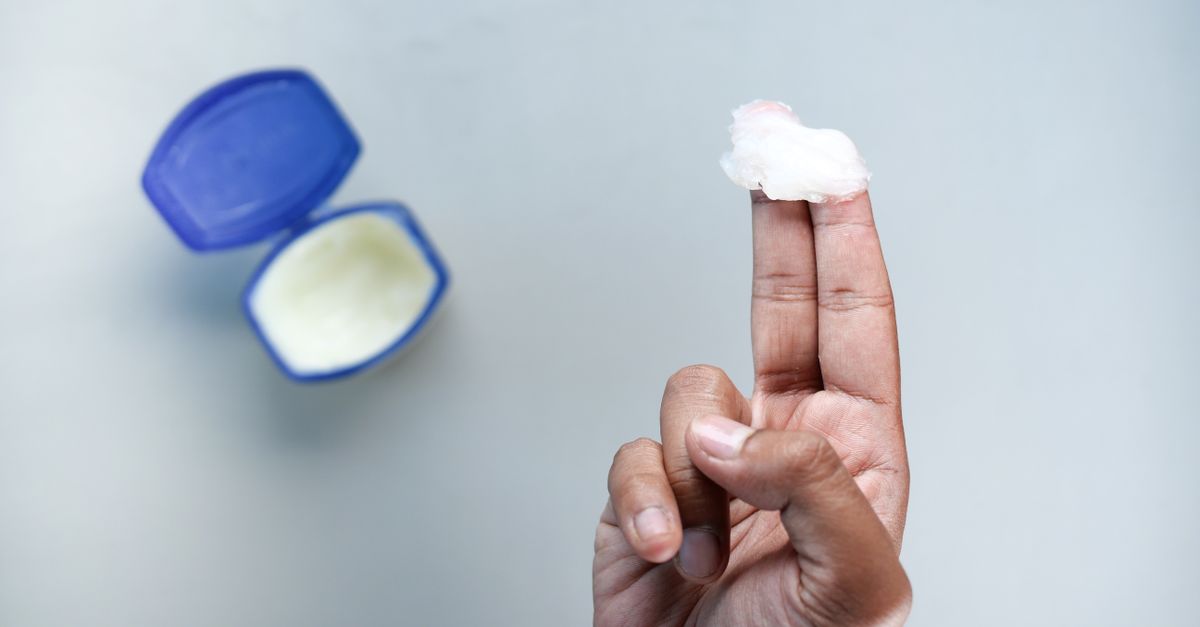
The therapeutic efficacy of this ointment relies entirely on the physical barrier properties of its two active ingredients. Petrolatum, a highly purified mixture of semisolid hydrocarbons, acts as an occlusive agent. When applied to the skin, it forms an impenetrable hydrophobic shield over the stratum corneum. This shield physically blocks external moisture, such as urine or feces, from contacting the underlying irritated epidermis, while simultaneously trapping the skin’s endogenous moisture to prevent transepidermal water loss.
Lanolin, derived from sheep sebum, functions as an emollient and a secondary protectant. It is structurally similar to human skin lipids, allowing it to penetrate the superficial layers of the epidermis. Once integrated, lanolin softens and conditions the rough, chafed tissue. Together, these ingredients create an optimal, moist healing environment that accelerates epithelial repair without relying on systemic pharmacological pathways.
2. Warnings and Prerequisites Before Using TheraCare A And D
Prior to initiating use of this topical protectant, patients or caregivers must evaluate the integrity of the targeted skin. TheraCare A and D is strictly contraindicated for use on deep puncture wounds, animal bites, or severe, weeping thermal burns. Applying a heavy, occlusive ointment to deep, contaminated wounds can trap anaerobic bacteria within the tissue, severely increasing the risk of profound localized infection.
Individuals with a documented allergy to wool or lanolin must avoid this specific formulation. Lanolin contains specific alcohols that are known to act as potent contact allergens in sensitized individuals. Applying this ointment to compromised skin in a lanolin-allergic patient will aggressively exacerbate the existing dermatitis, leading to profound swelling and blistering.
Furthermore, this product is formulated exclusively for external epidermal application. It must never be inserted into the eyes or applied deep within mucous membranes. Accidental ocular exposure to heavy petrolatum can cause severe mechanical irritation, prolonged blurred vision, and the potential for a localized foreign body reaction requiring professional ocular irrigation.
3. Indications and Dosage Guide for TheraCare A And D
This protective ointment is clinically indicated for the prevention and treatment of diaper dermatitis in pediatric and adult incontinent populations. It is also highly effective for temporarily protecting minor cuts, scrapes, burns, and relieving severely chapped or cracked skin and lips due to harsh environmental conditions.
For the management of diaper rash, caregivers must change wet and soiled diapers promptly. The affected area should be cleansed gently with water and a mild cleanser, then allowed to dry completely. A generous layer of the ointment is then applied to the entire diaper area with each diaper change, particularly at bedtime when exposure to wet diapers may be prolonged.
For minor skin irritations or chafing, adults and children can apply a thin, even layer of the ointment directly to the affected area as frequently as needed. Because the product acts purely as a physical barrier and is not systemically absorbed, there is no strict upper limit on the frequency of daily applications for intact skin.
4. In-Depth Side Effects Analysis of TheraCare A And D
While generally recognized as exceptionally safe and non-toxic, the occlusive nature of the ointment and the presence of lanolin can occasionally provoke localized dermatological reactions.
Common Side Effects
The physical properties of the heavy lipid base can cause benign, expected changes to the skin surface.
| Side Effect Category | Specific Symptoms |
|---|---|
| Dermatological | Heavy, greasy sensation on the skin, temporary mild redness |
| Cosmetic | Staining of clothing or cloth diapers |
Serious Side Effects You Should Report
Patients or caregivers must immediately discontinue use and seek clinical evaluation if they observe signs of severe allergic contact dermatitis. The sudden appearance of intense, spreading hives, significant swelling of the application site, or the development of weeping blisters indicates a severe hypersensitivity to lanolin requiring medical intervention.
Rare Side Effects
In highly rare clinical scenarios, chronic over-application of thick petrolatum without periodic cleansing can lead to a condition known as acne mechanica or severe folliculitis. The heavy ointment traps sweat, sebum, and normal skin flora within the hair follicles, leading to widespread, painful inflammation and localized pustules across the treated area.
Side Effects That Usually Do Not Require Medical Attention
A persistent shiny or waxy appearance on the skin is the exact intended physical characteristic of the occlusive barrier and requires no therapeutic action. Minor difficulty in washing the product completely off the hands with water alone is also an expected consequence of its hydrophobic formulation.
5. TheraCare A And D Overdose Symptoms and Management
A systemic, life-threatening overdose resulting from the standard topical application of lanolin and petrolatum is biologically impossible. The molecular weight of these compounds prevents them from penetrating the stratum corneum and entering the systemic circulation in any pharmacologically relevant volume.
Accidental oral ingestion, particularly by toddlers or young children, poses a mild to moderate toxicity hazard. Ingesting substantial quantities of petrolatum and lanolin acts as an intense gastric irritant and a profound mechanical laxative. Symptoms of large-scale ingestion include immediate nausea, mild abdominal cramping, and severe, oily diarrhea. The primary risk during ingestion is aspiration of the heavy oil into the lungs, which can cause severe lipoid pneumonia.
In the event of severe localized skin irritation from pore occlusion, the patient must thoroughly wash the affected areas with a strong surfactant cleanser and warm water. If a pediatric patient accidentally ingests the product, caregivers must absolutely not induce vomiting due to the aspiration risk. Immediate consultation with a regional poison control center is strictly required for supportive care guidance.
6. Missed Dose and What to Avoid During Therapy
Because this ointment is utilized strictly on an as-needed preventative or symptomatic basis, the concept of a missed dose is not applicable. Patients or caregivers simply apply the ointment when the skin requires protection or when changing a soiled diaper.
While utilizing this product, patients must strictly avoid applying it simultaneously with topical prescription medications, such as those discussed in clinical guides on zinc oxide pastes or topical corticosteroids, unless explicitly directed by a physician. The dense petrolatum barrier will physically block the underlying skin, severely altering the absorption rate and clinical efficacy of any prescription cream layered underneath or on top of it.
Furthermore, patients should avoid using this product as a generalized full-body moisturizer. The extreme occlusive nature of petrolatum prevents the skin from regulating temperature properly through sweat evaporation. Applying it over massive surface areas can trap body heat and increase the risk of heat exhaustion in hot, humid environments.
7. Drug and Alcohol Interactions with TheraCare A And D
The risk of significant systemic drug interactions is virtually non-existent. Because the active ingredients act as a physical shield entirely on the surface of the skin and do not enter the bloodstream, they cannot interact with or alter the hepatic metabolism of orally administered medications.
However, localized topical interactions are a critical consideration in daily dermatological regimens. As previously noted, this ointment creates an impenetrable lipid wall. Applying it prior to a prescription topical antibiotic or antifungal cream will render the prescription medication therapeutically useless, as it will be unable to reach the infected tissue.
There is no direct pharmacological interaction between this topical protectant and the consumption of oral alcohol. Nevertheless, heavy alcohol consumption impairs judgment and can lead to negligence in personal hygiene or the care of dependent individuals, which may exacerbate conditions like incontinence-associated dermatitis.
8. Precautions, Safety, and Duration of Action
The protective mechanism of this formulation is instantaneous. Because petrolatum and lanolin function as a physical shield, the product protects the skin the exact second it is applied. The barrier remains highly effective until it is physically wiped away by clothing, diapers, or purposeful washing.
A paramount safety precaution involves hygiene prior to application. When treating diaper rash or skin folds, the caregiver must ensure the skin is thoroughly clean and completely dry before applying the ointment. Applying an occlusive barrier over damp, urine-soaked, or unclean skin will aggressively trap the moisture and bacteria against the tissue, rapidly accelerating the severity of the rash.
For general safety, users must be aware that petrolatum is highly flammable. Patients should avoid smoking, utilizing open flames, or standing near heat sources if large amounts of the ointment are applied to their body or clothing, as the residue can act as an accelerant.
9. How to Stop Taking TheraCare A And D and Storage Guidelines
Discontinuing the use of this topical protectant requires no formal medical tapering schedule. Once the diaper rash has healed or the environmental exposure is no longer a threat, the patient can simply stop applying the ointment. The remaining residue can be gently washed away with warm water and soap.
To preserve the semisolid consistency of the petrolatum and lanolin, the product must be stored properly. The tube or jar must be kept tightly closed and stored at controlled room temperature. Exposing the product to extreme heat, such as leaving it inside a hot vehicle, will cause the ointment to melt into a liquid state, which can lead to messy application and potential leakage.
Expired products should be discarded, as the lanolin component can oxidize and degrade over time, leading to an unpleasant odor and a higher risk of skin irritation. Proper disposal involves placing the sealed container into standard household waste. The heavy oils should never be washed in large quantities down a drain to prevent plumbing blockages.
10. When to Seek Medical Attention for TheraCare A And D Use
Medical evaluation is mandatory if the diaper rash or skin irritation shows no signs of improvement after seven days of consistent application. Furthermore, if the condition worsens significantly despite the protective barrier, it indicates a severe underlying fungal or bacterial infection requiring targeted prescription antimicrobial therapy.
Patients or caregivers must seek prompt clinical care if they notice signs of a profound dermatological infection within the treated area. The emergence of rapidly expanding redness, significant heat radiating from the tissue, or the presence of thick, purulent discharge or satellite lesions signals a dangerous secondary infection necessitating physician intervention.
Emergency medical intervention is absolutely critical if the patient displays symptoms of a systemic anaphylactic response. While rare, an allergy to lanolin can trigger rapid swelling in the tongue and throat, profound difficulty breathing, or a widespread rash immediately following application, indicating a life-threatening hypersensitivity.
Frequently Asked Questions (FAQ)
1. How exactly does this ointment heal a diaper rash?
The ointment does not contain active healing medicine. Instead, it forms a thick, waterproof wall over the rash. This wall stops wetness and acid from urine or feces from touching the raw skin, giving the body time to heal itself naturally.
2. Can I use this product on my fresh tattoo to help it heal?
While many people use petrolatum on tattoos, you should consult your tattoo artist first. Heavy ointments can sometimes trap bacteria and excessive moisture, which might interfere with the specific healing process of the ink.
3. Is it safe to apply this ointment inside my nose if it is dry?
Medical guidelines strictly advise against putting petrolatum-based products inside the nose. If the heavy ointment is accidentally inhaled into your lungs over time, it can cause a severe type of pneumonia.
4. Why did this product stain my baby’s cloth diapers?
Petrolatum and lanolin are heavy lipids that do not dissolve in water. When they get onto fabric, they create stubborn grease stains that require specialized heavy-duty detergents and hot water to remove completely.
5. Does this product protect against sunburn?
Absolutely not. This ointment contains no sun protection factors. It acts as a moisturizer and physical barrier for moisture, but ultraviolet rays will pass completely through it.
6. What should I do if the ointment turns into a runny liquid in the tube?
If exposed to high heat, the product will melt. You can place the tightly sealed tube in the refrigerator for a short period to allow the petrolatum to solidify back into its normal ointment consistency.
7. Can I use this product if I am highly allergic to wool sweaters?
You should avoid it or speak to a doctor first. Lanolin is extracted from sheep’s wool. If you are allergic to wool, there is a very high probability you will have a severe allergic skin reaction to this ointment.
Bibliography
Disclaimer: The content is for informational purposes only and does not replace medical advice. Always consult your doctor or pharmacist for personalized treatment.