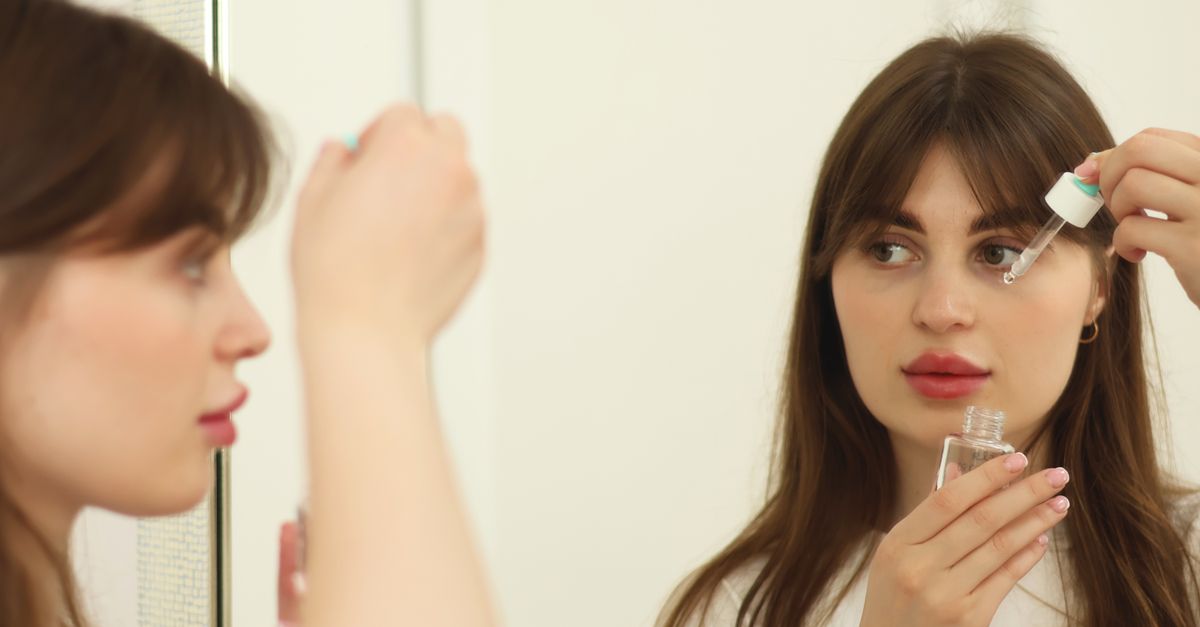
CareOne Earwax Removal Drops utilize carbamide peroxide as a highly active cerumenolytic agent to aggressively soften, loosen, and physically disperse severely impacted earwax. The most frequently encountered side effects are strictly localized otic reactions, most notably temporary auditory crackling, mild aural discomfort, and highly transient stinging upon direct instillation into the ear canal.
1. Introduction & Mechanism of Action of Carbamide Peroxide
Carbamide peroxide functions as a highly potent, targeted cerumenolytic agent specifically designed to heavily disrupt the structural integrity of impacted cerumen in the external auditory canal. Upon physical instillation, the active compound aggressively interacts with the moisture present in the ear canal and the highly dense cerumen mass.
This physical chemical interaction heavily triggers the rapid release of highly active nascent oxygen. The vigorous effervescence, or microscopic bubbling action, heavily generated by the oxygen physically breaks down the dense lipid and keratin bonds within the impacted earwax. This aggressive physical disruption safely softens the hardened mass, forcefully detaching it from the delicate epithelial lining of the ear canal and allowing it to be safely and effortlessly flushed out using a specialized warm water bulb syringe.
2. Warnings & Before Applying CareOne Earwax Removal Drops
The administration of this highly specific otic solution is firmly contraindicated in patients presenting with a documented or highly suspected perforation of the tympanic membrane. Introducing a highly aggressive, bubbling chemical agent into the highly sensitive middle ear cavity through a ruptured eardrum will violently cause excruciating pain and severely risk permanent ototoxicity and profound hearing loss.
Patients actively experiencing severe, sharp ear pain, heavily purulent or bloody drainage from the ear canal, or extreme dizziness must entirely avoid self-medicating with this product. These highly alarming clinical signs strongly suggest a severe acute otitis media or active external ear infection. Furthermore, this product must strictly never be utilized on patients who have previously undergone specialized ear surgery resulting in the active placement of tympanostomy tubes.
3. Indications & Dosage Guide for Carbamide Peroxide
The primary clinical indication for this over-the-counter preparation is the acute, symptomatic relief and physical clearance of heavily impacted cerumen that is actively causing temporary hearing loss, a highly uncomfortable sensation of fullness, or severe ringing in the ears.
Proper dosing requires the patient to physically tilt their head strictly sideways and precisely instill five to ten drops deeply into the affected ear canal. The applicator tip must heavily avoid making physical contact with the ear tissue to rigorously maintain sterility. The solution must remain in the ear for several minutes, keeping the head highly tilted. This highly specific protocol is strictly administered twice daily for up to four consecutive days. If the severe wax impaction heavily persists beyond four days, the patient must stop and seek a professional medical extraction.
4. In-Depth Side Effects Analysis of Otic Cerumenolytics
Because carbamide peroxide remains entirely confined to the highly localized external auditory canal and undergoes absolutely zero systemic absorption, the adverse reaction profile is exceedingly minimal and strictly isolated to highly localized otic sensory mechanics.
Common Side Effects
The most routinely observed adverse reactions strictly involve the highly active physical chemical process occurring within the ear. Patients highly frequently report a distinct, temporary sensation of aggressive bubbling, hissing, or crackling deep inside the ear as the oxygen violently breaks down the wax. Mild, highly transient stinging or a temporary feeling of severe fullness immediately following heavy instillation of the viscous fluid are also commonly expected physiological adjustments.
Serious Side Effects you should report
Severe, unremitting ear pain heavily accompanied by severe vertigo or bright red bloody drainage strictly requires immediate emergency medical evaluation, as it strongly indicates severe tympanic membrane rupture or an undiagnosed, highly dangerous active infection. Any sudden signs of a highly active allergic response, such as severe swelling of the outer ear structure or aggressive, systemic hives, require rapid emergency intervention.
Rare Side Effects
In exceedingly rare clinical scenarios, primarily heavily associated with highly inappropriate chronic daily instillation extending over weeks, profound chemical irritation of the delicate ear canal lining can heavily manifest. This dangerous physiological condition is characterized by severe external otitis, commonly presenting as profound itching and secondary fungal or bacterial superinfections due to the constant, aggressive moisture.
Side effects that usually do not require medical attention
Slight, highly transient decreases in auditory acuity strictly while the heavy, viscous fluid is actively blocking the canal are considered completely expected, highly benign physical responses. These highly minor mechanical adjustments require absolutely no specific clinical intervention and typically self-resolve completely as the fluid is fully flushed out.
| Side Effect Category | Specific Symptoms |
|---|---|
| Expected Otic Reactions | Bubbling sounds, mild stinging, temporary aural fullness |
| Severe Complications | Profound ear pain, severe vertigo, bloody aural drainage |
| Severe Hypersensitivity (Rare) | Swelling of the outer ear, systemic hives, severe localized rash |
5. Overdose Symptoms and Accidental Ingestion
Systemic pharmacological overdose stemming from the highly appropriate otic instillation of this targeted cerumenolytic is physiologically completely impossible. The genuine clinical risk of severe acute toxicity stems entirely from the highly inappropriate ingestion of the heavily concentrated liquid directly from the bottle or accidental severe ocular instillation.
Swallowing liquid carbamide peroxide causes severe gastrointestinal tissue irritation. Clinical signs of an acute oral ingestion immediately include profound nausea, severe and violent vomiting, and severe burning in the esophagus. Accidental instillation into the highly sensitive eye will cause severe, highly painful chemical burns and potential corneal ulceration. In cases of accidental oral ingestion or ocular exposure, immediate rapid transport to an emergency department is highly vital. Eyes must be flushed vigorously for fifteen minutes.
6. Missed Dose & What to Avoid While Using CareOne Earwax Removal Drops
Because this highly specialized therapeutic intervention is typically utilized on a highly strict, short-term daily schedule until the wax is cleared, if a patient forgets a dose, they should simply administer it as soon as heavily remembered. However, they must never double the total number of drops to compensate, as this will aggressively increase the risk of severe localized chemical irritation.
Patients must strictly avoid aggressively utilizing cotton swabs, bobby pins, or any other sharp physical implements inside the ear canal in a highly dangerous attempt to dig out the softened wax. Utilizing physical tools will violently ram the heavily softened wax deeper against the fragile eardrum, severely risking a highly dangerous, permanent perforation and permanent hearing loss. Furthermore, patients must actively avoid heavily using acetic acid swimmer’s ear drops concurrently, as the aggressive chemical combination will induce severe compounding tissue damage.
7. Drug & Alcohol Interactions with Otic Carbamide Peroxide
Clinically relevant pharmacokinetic interactions are completely and virtually nonexistent due to the highly profound lack of systemic absorption of the heavy chemical polymer. The active oxygenating agent remains strictly localized within the heavily keratinized lining of the external auditory canal.
Care should be heavily exercised strictly regarding the physical dilution of other concurrent topical otic therapies. If a patient is actively utilizing a highly potent prescription antibiotic otic drop for an active infection, the cerumenolytic must absolutely not be used, as it will violently flush away the critical prescription medication. Systemic alcohol consumption does not alter the clinical cerumenolytic efficacy or side effect profile of topically applied carbamide peroxide.
8. Precautions, Safety & Duration of Action for Earwax Removal
The overall functional duration of the highly effective cerumenolytic effect strictly requires the physical fluid to remain heavily puddled against the wax mass for several minutes. The active bubbling typically heavily subsides within three to five minutes, indicating the active chemical reaction is complete.
Otolaryngology safety reviews heavily classify carbamide peroxide as a highly safe, highly reliable first-line over-the-counter intervention for simple cerumen impaction. However, medical guidelines still explicitly restrict over-the-counter use to a strict maximum of four consecutive days to actively ensure severe, dangerous underlying pathologies causing the hearing loss are not fatally ignored and to prevent severe chemical irritation of the canal.
9. How to Stop Using the Product & Storage/Disposal Guidelines
Discontinuing the strict clinical use of this medication following the successful clearance of the heavy wax impaction requires no highly complex physiological tapering schedule. Users may completely cease heavy instillation entirely at any time.
Proper thermal storage is strictly imperative to robustly preserve the highly volatile structural integrity of the active peroxide chemical. The product must be stored securely in its original bottle at a highly stable room temperature, actively and rigorously shielded from extreme sunlight and high heat which will irreparably degrade the active oxygenating compound, rendering it completely useless. Expired bottles should be discarded safely in standard household refuse.
10. When to See a Doctor Regarding Earwax Impaction
Prompt medical evaluation is absolutely critical if the patient rapidly develops severe, sharp ear pain, heavily purulent yellow drainage, or sudden severe vertigo following an aggressive flushing attempt, as these are severe cardinal signs of a highly dangerous ruptured eardrum or active inner ear infection requiring immediate emergency intervention.
If the patient heavily utilizes the drops for the strict four-day maximum and the severe sensation of muffled hearing or aggressive fullness relentlessly persists, a physician or audiologist must be consulted immediately. A specialist can rigorously evaluate the ear utilizing an otoscope and safely perform a highly controlled, professional physical extraction using specialized microscopic suction equipment to safely restore hearing.
Frequently Asked Questions (FAQ)
1. What is the highly specific crackling noise I hear when I use these drops?
This is a completely normal, highly expected physical reaction. The active ingredient heavily releases concentrated oxygen when it touches the wax and moisture in your ear. The aggressive crackling or bubbling sound is simply the physical force of the oxygen breaking down the highly dense wax bonds.
2. Do I strictly have to use the warm water bulb syringe afterward?
Yes, it is highly critical. The chemical drops strictly soften and physically detach the heavy wax from the skin, but they do not evaporate it. You must rigorously and gently flush the ear canal with lukewarm water to physically wash the heavy, sticky debris out of the ear.
3. Can I safely leave the drops in my ear overnight for better results?
Absolutely not. Carbamide peroxide is a highly active chemical agent. Leaving it heavily puddled against the delicate skin of your ear canal for extended nocturnal hours will severely guarantee profound chemical irritation, intense pain, and potentially highly dangerous skin ulceration.
4. Is it clinically safe to use this product if I have active tubes in my ears?
No. You must strictly avoid any over-the-counter liquid ear drops if you possess active tympanostomy tubes. The tubes create a direct, highly open pathway into your sterile middle ear. Introducing this aggressive chemical into the middle ear will cause excruciating pain and highly severe damage.
5. Will this medication actively cure a severe ear infection?
No. This product completely lacks any active antimicrobial properties. It strictly functions as a highly targeted chemical solvent to aggressively dissolve physical earwax. It will absolutely not cure an active viral or bacterial infection of the ear canal or middle ear.
6. Can I safely use cold water to aggressively flush my ear out?
You must strictly never use cold or highly hot water to flush your ear. Utilizing any fluid that is not at exact body temperature will violently trigger the highly sensitive vestibular system in your inner ear, aggressively causing severe, immediate, and highly dangerous vertigo and violent vomiting.
7. What should I specifically do if the drops aggressively burn when I put them in?
A highly mild, transient stinging is common. However, if you experience sudden, severe, excruciating burning, you must immediately stop the treatment and aggressively flush the ear with clean, warm water. This highly suggests a severe, undiagnosed scratch or active perforation in the ear canal.
8. Can children safely use these heavy cerumenolytic drops?
While frequently utilized in highly specialized pediatric settings, you must strictly consult a licensed pediatrician before administering this potent medication to a young child to heavily ensure the hearing loss is strictly due to wax and not a highly dangerous, active middle ear infection.
Bibliography
Disclaimer: The content is for informational purposes only and does not replace medical advice. Always consult your doctor or pharmacist for personalized treatment.