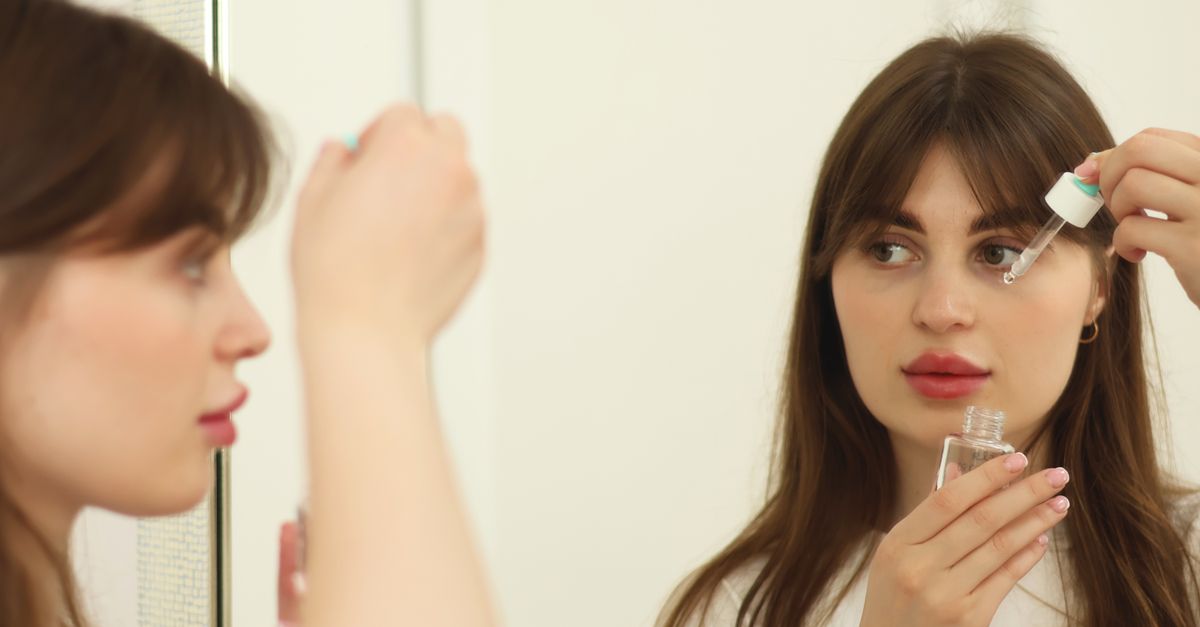
WaxRx Ear Wax Removal Aid Drops are a specialized cerumenolytic formulation utilizing carbamide peroxide as the primary active pharmacological agent. It operates by chemically releasing highly active oxygen to mechanically effervesce and break down dense cerumen impactions. The most prominent side effect is a transient localized bubbling sensation accompanied by mild temporary tingling within the auditory canal.
1. Introduction and Mechanism of Action for WaxRx Ear Wax Removal Aid Drops
The therapeutic efficacy of these specialized otic drops relies entirely upon the highly reactive oxidative properties of carbamide peroxide. In the human external auditory meatus, cerumen is naturally secreted to trap environmental debris and lubricate the epithelial lining. However, physiological anatomical variations or the improper use of cotton swabs can chronically compress this secretion into a dense highly obstructive impaction.
Upon direct instillation into the ear canal, the carbamide peroxide molecules physically contact the dense impacted cerumen and localized tissue moisture. This chemical interaction rapidly catalyzes the compound, causing it to aggressively break down and release highly active free oxygen gas. This rapid release of oxygen generates a vigorous localized effervescence within the confined space of the auditory canal.
The continuous mechanical bubbling strictly physically fractures the dense structural integrity of the wax impaction. Simultaneously, the anhydrous glycerin base utilized in the formulation acts as a potent humectant. The glycerin rapidly draws localized moisture into the fragmented wax, aggressively softening the material and detaching it from the delicate epithelial walls. This combined mechanical and chemical action allows the cerumen to be safely flushed out through gentle warm water irrigation.
2. Warnings and Before Taking WaxRx Ear Wax Removal Aid Drops
Prior to instilling this highly reactive oxidative formulation, a rigorous clinical evaluation of the tympanic membrane integrity must be confirmed. This cerumenolytic agent is strictly indicated solely for application within an intact uncompromised external auditory canal. It is absolutely contraindicated for use in patients with a known or suspected tympanic membrane perforation or actively draining tympanostomy tubes.
The most critical clinical warning involves the catastrophic risk of inner ear chemical trauma. If this highly concentrated peroxide formulation is instilled into an ear with a ruptured eardrum, the reactive chemicals will immediately bypass the middle ear and aggressively attack the highly delicate neurosensory structures of the inner ear. This chemical assault will cause excruciating deep pain and severe irreversible sensorineural hearing loss.
Furthermore, individuals presenting with active severe otitis externa or an actively hemorrhaging ear canal must completely avoid this application. Exposing highly inflamed violently infected or deeply lacerated epithelial tissue to a vigorous oxidative effervescence will provoke severe excruciating localized pain and drastically violently exacerbate the underlying infectious pathology.
3. Indications and Dosage Guide for WaxRx Ear Wax Removal Aid Drops
The primary clinical indication for this active formulation is the rapid safe softening and subsequent localized removal of excessive dense cerumen impactions that are causing mild conductive hearing loss or physical discomfort. It serves as a vital non-surgical primary intervention prior to attempting aggressive mechanical extraction in a clinical setting.
Dosage administration is strictly topical otic instillation. The standard clinical protocol dictates applying exactly five to ten drops directly into the affected ear canal twice daily. The patient must remain strictly in a lateral decubitus position with the treated ear facing directly upward for a minimum of several minutes to ensure the viscous drops remain in direct physical contact with the dense impaction.
Following the designated wait time, the softened fragmented wax must be carefully flushed from the canal utilizing a specialized bulb syringe strictly filled with body-temperature water. Utilizing extremely cold or violently hot water for the irrigation phase will rapidly induce severe caloric stimulation of the vestibular system, resulting in severe acute debilitating vertigo.
4. In-Depth Side Effects Analysis of WaxRx Ear Wax Removal Aid Drops
When precisely utilized strictly as an external topical cerumenolytic agent in an ear with an intact tympanic membrane, carbamide peroxide maintains a highly predictable and safe profile. Significant adverse clinical events are almost exclusively tied to unauthorized application in compromised ears or localized hypersensitivity.
Common Side Effects
The most universally documented localized reaction is a pronounced vigorous bubbling or crackling sound occurring immediately upon instillation. This is the direct acoustic result of the oxygen effervescence and is entirely expected. Patients frequently experience a mild transient tingling sensation or a feeling of mild localized fullness as the viscous glycerin base rapidly expands the fragmented wax within the tightly confined canal space.
Serious Side Effects You Should Report
Immediate aggressive clinical intervention is mandatory if the patient presents with symptoms indicating a severe acute localized inflammatory reaction or chemical trauma. Diagnostic red flags include the sudden aggressive onset of severe deep radiating ear pain, the rapid emergence of purulent malodorous drainage following use, or the sudden terrifying onset of severe persistent vertigo.
Rare Side Effects
The most profound rare side effect involves severe acute localized contact dermatitis within the delicate lining of the external auditory meatus. Highly sensitive individuals may mount a severe localized immunological response to the oxidative process, resulting in severe weeping eczematous lesions lining the entire canal. Additionally, a rare transient localized hyperemic response can occur, rendering the canal violently red and swollen.
Side Effects That Usually Do Not Require Medical Attention
Minor temporary localized itching deep within the canal following the successful irrigation and removal of the wax is entirely standard and requires zero medical intervention. A brief transient mild dizziness specifically occurring during the warm water irrigation phase is a standard minor vestibular response that resolves entirely within minutes.
| Side Effect Category | Specific Symptoms |
|---|---|
| Common | Vigorous acoustic bubbling, mild localized tingling, transient feeling of aural fullness |
| Serious | Severe deep radiating pain, purulent malodorous drainage, sudden severe persistent vertigo |
| Rare | Severe canal contact dermatitis, weeping eczematous lesions, severe localized canal hyperemia |
5. Overdose Symptoms of WaxRx Ear Wax Removal Aid Drops and What to Do
A systemic pharmacological overdose achieved via the strict otic instillation of this cerumenolytic is a complete physiological impossibility. The active peroxide molecules strictly undergo a rapid localized chemical degradation into water and oxygen gas entirely on the epithelial surface. Consequently, central nervous system or cardiovascular toxicity cannot occur.
A purely localized topical overload is the primary concern. Instilling excessive continuous volumes of the highly viscous drops without executing the necessary warm water irrigation phase will severely clog the auditory canal. The heavily expanded waterlogged wax will violently pack against the tympanic membrane causing severe acute conductive hearing loss and deep intense mechanical pressure pain.
If accidental massive oral ingestion of the liquid occurs, typically by a pediatric dependent within the household, significant gastrointestinal irritation will immediately ensue. The highly reactive peroxide violently effervesces within the acidic gastric lumen, inducing severe acute nausea, painful gastric distension, and forceful vomiting. Regional poison control protocols must be initiated immediately to guide supportive anti-emetic therapy.
6. Missed Dose and What to Avoid While Using WaxRx Ear Wax Removal Aid Drops
Since this specialized therapeutic regimen is explicitly utilized to break down a physical obstruction rather than maintain a systemic drug concentration, the concept of a missed dose simply equates to a slight delay in wax resolution. The patient simply resumes the precise instillation protocol at the next available opportunity without ever attempting to double the instilled volume of drops.
While actively utilizing these highly reactive oxidative drops, patients must strictly avoid the concurrent aggressive utilization of mechanical cotton swabs or sharp metal curettes deep within the canal. The softened fragmented wax is highly lubricated; blindly inserting a physical object will violently ram the highly acidic chemical mixture and the dense wax directly into the delicate tympanic membrane.
Furthermore, patients must strictly avoid combining this oxidative product with any other specialized prescription otic drops such as highly potent topical antibiotics unless explicitly directed by an otolaryngologist. Mixing highly reactive bubbling peroxide with complex medicinal suspensions will instantly chemically degrade the antibiotic severely destroying its therapeutic efficacy.
7. Drug and Alcohol Interactions with WaxRx Ear Wax Removal Aid Drops
When strictly utilized as a highly localized external cerumenolytic agent, carbamide peroxide exhibits absolutely zero pharmacokinetic interactions with systemically administered prescription medications. Patients actively undergoing aggressive systemic pharmacological treatments such as heavy anticoagulation therapy or taking oral ibuprofen can safely utilize these drops without any fear of altered drug metabolism or chemical cross-reactivity.
Topical medicinal interactions within the confined auditory canal constitute the only minor clinical concern. The aggressive effervescent bubbling action will rapidly physically displace and chemically degrade any previously applied localized medicinal ointments. If a patient is actively utilizing a prescription topical corticosteroid for canal eczema, the peroxide drops must be completely avoided.
Systemic consumption of beverage alcohol does not biochemically interact with the localized topical oxidative actions of carbamide peroxide. The hepatic enzymatic pathways responsible for processing ingested ethanol function completely separate and independent from the superficial oxygen release occurring entirely isolated within the external ear canal.
8. Precautions, Safety, and Duration of Action for WaxRx Ear Wax Removal Aid Drops
The paramount clinical precaution involves rigorous clinical verification that the tympanic membrane remains completely intact prior to initial instillation. Patients with a known clinical history of chronic middle ear infections, previous highly complex otologic surgeries, or currently presenting with acute unexplainable ear drainage must strictly avoid this product pending a comprehensive specialized microscopic evaluation.
The pharmacological onset of action is virtually instantaneous upon direct physical contact with the dense cerumen and ambient tissue moisture, immediately initiating the vigorous oxidative effervescence. The therapeutic duration of action is strictly brief, lasting only as long as the localized active peroxide molecules are actively converting into oxygen and water, which typically completely ceases within fifteen to thirty minutes.
The safety profile for pregnant and lactating individuals is unequivocally established provided the product is utilized strictly topically within an intact canal. The highly localized chemical breakdown into harmless oxygen and water ensures that systemic percutaneous absorption is clinically non-existent posing absolutely zero pharmacological risk to fetal development or mammary tissues.
9. How to Stop Taking WaxRx Ear Wax Removal Aid Drops and Storage Guidelines
Cessation of this specific cerumenolytic therapy occurs instantly once the dense wax impaction is successfully cleared and irrigated. The human auditory epithelium does not develop any form of chemical addiction or structural reliance on topical peroxides. Utilizing the drops on a continuous highly chronic daily basis without an active impaction is strictly contraindicated as it severely desiccates the healthy canal lining.
The specialized drop container must be strictly stored at a highly stable controlled room temperature heavily shielded from direct ultraviolet radiation and intense thermal sources. Excessive ambient heat will physically accelerate the chemical degradation of the active carbamide peroxide entirely within the bottle rendering the drops completely therapeutically inert and useless.
The product must be stored securely tightly sealed out of the physical reach of pediatric populations to strictly prevent unauthorized access and the catastrophic risk of accidental oral ingestion. Disposal of the empty container must align rigorously with standard municipal waste guidelines ensuring the specialized applicator tip is securely fastened to prevent chemical leakage.
10. When to See a Doctor Regarding WaxRx Ear Wax Removal Aid Drops
Immediate emergency medical intervention is absolutely critical if the patient experiences a sudden violent explosion of deep excruciating pain deep within the ear immediately following the drop instillation. This catastrophic presentation strongly indicates the drops have violently bypassed an unknown ruptured eardrum and are actively chemically burning the highly delicate inner ear structures.
Patients must also urgently secure a specialized otolaryngology consultation if they fail to remove the wax impaction after four continuous days of treatment. Persistent severe conductive hearing loss, an escalating sensation of severe deep mechanical pressure, or the sudden onset of continuous high-pitched tinnitus strongly suggest the wax has become critically compacted directly against the eardrum requiring urgent specialized micro-suction.
Finally, an immediate medical assessment is rigorously required if the patient suddenly develops severe systemic symptoms completely unrelated to the ear canal following application. Symptoms such as a sudden high spiking fever, rapidly spreading severe erythema across the external pinna, or severe acute swelling of the facial lymph nodes demand immediate aggressive intravenous antibiotic intervention.
Frequently Asked Questions (FAQ)
1. How exactly does this peroxide drop break down the hard wax?
The active chemical carbamide peroxide reacts instantly with the moisture in your ear to rapidly release active oxygen gas. This sudden burst of oxygen creates a vigorous localized bubbling action that physically shatters and fractures the hard dense wax into tiny soft removable pieces.
2. Is the loud crackling and popping sound normal after I put the drops in?
Yes. The loud crackling and vigorous bubbling acoustic sound is an entirely normal and highly expected physical reaction. It simply means the active peroxide is actively working and chemically reacting with the dense wax impaction directly inside your canal.
3. Can I use these drops if I currently have a severe painful ear infection?
Absolutely not. You must never utilize highly reactive bubbling peroxides inside a violently infected highly inflamed ear canal. The intense chemical reaction will cause excruciating severe pain and drastically worsen the underlying acute bacterial infection.
4. What should I do if the drops cause severe deep burning pain immediately?
Stop immediately and flush the ear very gently with warm water. Severe deep burning pain instantly indicates you likely have an unknown hole in your eardrum and the highly irritating chemicals are dangerously touching the highly sensitive deep middle ear structures. Seek medical help immediately.
5. How critical is it that I use warm water to flush the ear afterward?
It is absolutely critical. If you violently shoot extremely cold or excessively hot water directly into your deep ear canal it will aggressively stimulate your sensitive balance nerve and rapidly induce severe terrifying and highly debilitating acute vertigo.
6. Can I aggressively dig the softened wax out with a cotton swab instead of flushing?
Absolutely not. The highly lubricated softened wax is very slippery. Blindly jamming a rigid cotton swab into the canal will violently ram the highly acidic chemical and the dense wax directly into your delicate eardrum causing severe structural damage.
7. How many continuous days can I safely use these drops without seeing a doctor?
The strict maximum clinical duration is exactly four consecutive days. If the dense hard impaction has not successfully cleared after four days of treatment you must stop and see a specialist to have it safely removed with a microscopic vacuum.
8. Are these highly active drops safe to use on a very young toddler?
You must strictly consult a pediatrician before using any chemical drops in a very young child. Pediatric ear canals are highly delicate and toddlers cannot accurately communicate if the drops are causing deep severe middle ear pain due to an undiagnosed ruptured eardrum.
9. Why does my ear feel entirely blocked and deaf immediately after using the drops?
The viscous heavy glycerin base in the drops violently pulls moisture into the dry wax causing it to rapidly expand and swell. This sudden massive expansion severely blocks the remaining tiny open space in your canal causing a temporary severe loss of hearing until you flush it out.
10. What should I immediately do if my child accidentally drinks the bottle of ear drops?
This is a medical emergency. The highly reactive peroxide will violently bubble inside their stomach causing severe painful vomiting. Immediately contact emergency medical services or your highly specialized regional poison control center for rapid instructions.
Bibliography
Disclaimer: The content is for informational purposes only and does not replace medical advice. Always consult your doctor or pharmacist for personalized treatment.