1. Introduction and Mechanism of Action for Dentalux Anti-Cavity Fluoride Whitening Mint
Dentalux Anti-Cavity Fluoride Whitening Mint is a specialized dental preparation designed for daily prophylaxis against dental caries and the removal of extrinsic enamel stains. The most notable side effect involves mild gingival irritation resulting from the whitening abrasives. It acts as a primary localized barrier against the acidic byproducts of oral bacteria.
The active pharmacological compound is sodium fluoride. When applied topically during the mechanical act of brushing, fluoride ions interact directly with the hydroxyapatite crystals that form the structure of human dental enamel. This localized chemical exchange replaces vulnerable hydroxyl groups with fluoride, creating fluorapatite.
Fluorapatite is significantly more resistant to acidic degradation than natural enamel. By continually fortifying the structural integrity of the teeth, the medication drastically reduces the incidence of cavities and actively promotes the remineralization of early, microscopic dental lesions. Furthermore, the formulation includes mild silicates that mechanically polish the enamel surface to reduce discoloration.
2. Warnings and Before Taking Dentalux Anti-Cavity Fluoride Whitening Mint
The most critical clinical warning regarding this formulation involves the risk of systemic fluoride toxicity if large quantities are intentionally or accidentally swallowed. While topically highly safe, systemic absorption of highly concentrated fluoride alters systemic calcium levels and can be dangerous. This product must be kept strictly out of the reach of young children.
Chronic, daily ingestion of small amounts of fluoridated paste during the critical years of active tooth development can lead to dental fluorosis. This condition permanently alters the cosmetic appearance of adult teeth, presenting as opaque white streaks or severe brown mottling of the enamel, depending entirely on the severity of the systemic exposure.
Individuals suffering from severe, active gingivitis or advanced periodontal disease should consult a dentist before utilizing heavily abrasive whitening pastes. The mechanical polishing agents designed to remove surface stains can severely irritate inflamed gingival tissue and exacerbate localized gum recession.
3. Indications and Dosage Guide for Dentalux Anti-Cavity Fluoride Whitening Mint
This topical dental preparation is explicitly indicated for the routine prevention of dental caries and the reduction of extrinsic surface stains on adult teeth. It is designed to be utilized as part of a comprehensive daily oral hygiene regimen.
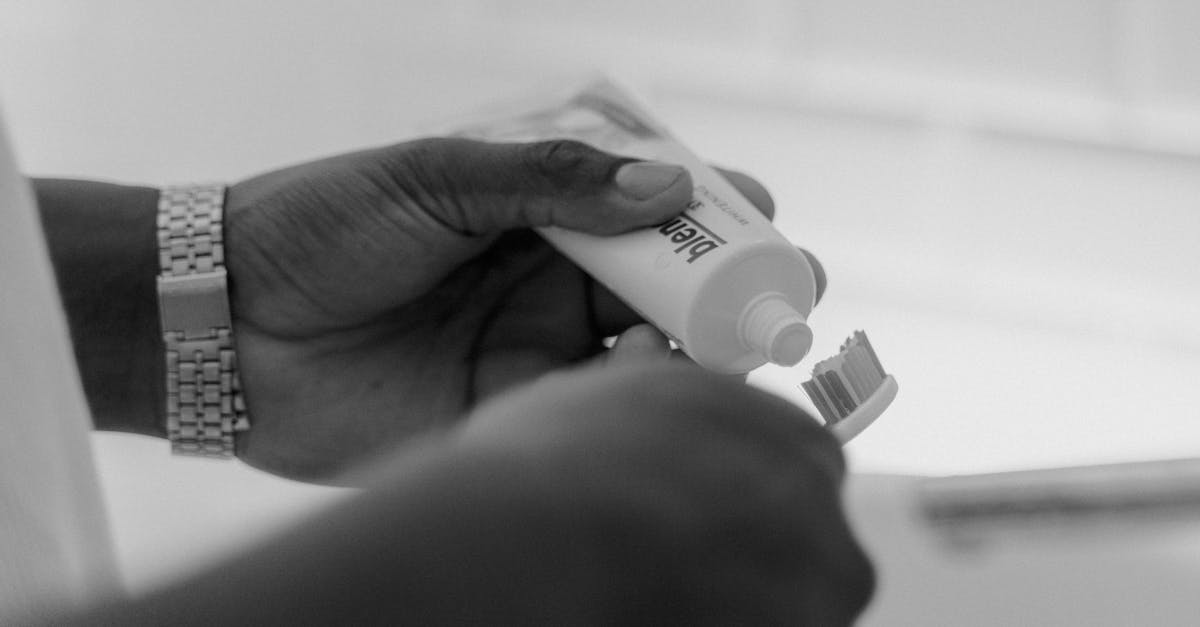
For adults and adolescents, the standard application involves dispensing a one-inch strip of the paste onto a soft-bristled toothbrush. The teeth should be brushed thoroughly for a full two minutes, ensuring the paste reaches all quadrants of the oral cavity. Brushing should occur twice daily, preferably in the morning and immediately before bedtime.
Following the brushing procedure, patients must spit out the residual paste and foam thoroughly. Vigorously rinsing the mouth with massive amounts of water immediately after brushing is frequently discouraged by dental professionals, as it rapidly washes away the protective fluoride ions before they can fully bond to the enamel surface.
4. In-Depth Side Effects Analysis of Dentalux Anti-Cavity Fluoride Whitening Mint
When utilized strictly as a topical hygienic agent and properly expectorated, systemic adverse reactions are completely avoided. Side effects emerge either from the physical abrasives or from improper swallowing.
Common Side Effects
The most universally encountered side effect is mild, transient irritation of the gums. The abrasive silicates used to polish away stains can cause minor gingival sensitivity, especially if the patient utilizes an aggressive, hard-bristled toothbrush. Some patients also report a temporary tingling sensation on the tongue from the strong mint flavoring agents.
Serious Side Effects You Should Report
Acute fluoride toxicity is a severe medical emergency resulting from massive ingestion. If a patient consumes a large portion of the tube, they will rapidly exhibit intractable vomiting, profound abdominal pain, and excessive salivation. The fluoride aggressively binds with systemic calcium, leading to dangerous hypocalcemia and severe muscle spasms.
Patients must also report persistent, bleeding gums or drastically increased tooth sensitivity to hot and cold temperatures. These symptoms suggest that the whitening abrasives are actively degrading the enamel layer or causing significant gingival recession, necessitating a transition to a non-whitening formulation.
Rare Side Effects
In highly isolated instances, individuals have developed localized allergic contact dermatitis in the perioral region. This presents as a red, itchy rash directly around the lips and corners of the mouth, typically triggered by the synthetic flavoring compounds or the foaming detergents like sodium lauryl sulfate.
Side Effects That Usually Do not Require Medical Attention
A fleeting sensation of oral dryness immediately following spitting is a normal physical response to the foaming agents. Provided normal salivary flow returns rapidly, no clinical intervention is required.
| Side Effect Category | Specific Symptoms |
|---|---|
| Common | Mild gum irritation, tongue tingling, transient dry mouth |
| Serious | Intractable vomiting from ingestion, severe enamel sensitivity |
| Chronic | Dental fluorosis from long-term swallowing |
| Rare | Perioral contact dermatitis |
5. Overdose Symptoms and Management for Dentalux Anti-Cavity Fluoride Whitening Mint
An acute systemic overdose of sodium fluoride is a critical, potentially lethal toxicological emergency. While extremely rare in adults who understand the necessity of spitting, it remains a distinct hazard if the product is left accessible to unsupervised toddlers.
Clinical symptoms of a toxic ingestion begin rapidly within the gastrointestinal tract, featuring violent vomiting, hematemesis, and severe abdominal cramping. As the fluoride is absorbed systemically, it violently strips calcium from the bloodstream. This severe hypocalcemia leads to profound muscle tetany, dangerous cardiac arrhythmias, and eventual cardiovascular collapse.
Emergency medical management requires immediate transfer to an emergency department. If immediate transport is delayed, administering a glass of milk is the standard first-aid protocol, as the dietary calcium binds to the fluoride in the stomach to prevent absorption. Hospital treatment involves aggressive intravenous administration of calcium gluconate.
6. Missed Dose and What to Avoid While on Dentalux Anti-Cavity Fluoride Whitening Mint
Because this is a daily prophylactic hygienic product, missing a brushing session does not require complex clinical intervention. The patient should simply resume their normal brushing schedule at the next designated time. Attempting to apply a massive amount of paste to compensate for a missed session provides no extra benefit and simply increases the risk of swallowing the product.
Patients must strictly avoid brushing aggressively with hard-bristled toothbrushes while using this whitening formulation. The combination of rigid bristles and the abrasive silica in the paste acts like sandpaper, rapidly wearing down the protective enamel layer and exposing the sensitive dentin underneath.
Furthermore, avoid combining this specific fluoridated paste with other highly concentrated topical fluoride treatments unless explicitly directed by a dental professional. Stacking multiple fluoridated products vastly increases the daily cumulative load and elevates the risk of chronic enamel mottling.
7. Drug and Alcohol Interactions with Dentalux Anti-Cavity Fluoride Whitening Mint
Because the active pharmacological compound is intended purely for topical application to the dental enamel and subsequent expectoration, there is absolutely no systemic absorption under normal use. Consequently, there are no pharmacokinetic interactions with any oral prescription medications.
A distinct physical interaction occurs locally with dietary calcium. If the patient accidentally swallows a small amount of the paste, concurrent consumption of dairy products will cause the calcium to bind heavily to the fluoride in the stomach, effectively neutralizing its systemic toxicity and completely preventing its absorption into the blood.
Dietary alcohol consumption possesses no direct chemical interaction with the sodium fluoride. However, chronic alcohol consumption leads to systemic dehydration and significantly reduced salivary flow. A dry oral environment vastly accelerates tooth decay, heavily counteracting the protective benefits of the toothpaste.
8. Precautions, Safety, and Duration of Action for Dentalux Anti-Cavity Fluoride Whitening Mint
The duration of action is continuous provided the patient maintains a consistent, twice-daily brushing regimen. The fluorapatite formed on the teeth provides a permanent structural upgrade to the enamel, though it requires constant topical replenishment to defend against daily dietary acid attacks.
Extreme caution must be exercised regarding pediatric use. This specific whitening formulation is generally too abrasive for the delicate, newly erupted enamel of young children and should be restricted strictly to adult use. Children should utilize non-abrasive, pediatric-specific pastes.
Patients suffering from chronic dry mouth or Sjögren syndrome require specialized dental oversight. The lack of natural saliva severely impairs the chemical distribution of the fluoride ions across the teeth, rendering standard brushing less effective and potentially necessitating prescription-strength fluoride gels.
9. How to Stop Taking Dentalux Anti-Cavity Fluoride Whitening Mint and Storage Guidelines
Therapy is seamlessly discontinued by switching to an alternative dental product. There are absolutely no physiological withdrawal symptoms associated with ceasing the use of a topical fluoridated paste, though the teeth will gradually lose their enhanced resistance to decay if fluoride exposure is halted entirely.
The tube must be stored securely at a stable room temperature, away from direct heat sources that could dry out the chemical matrix of the paste. The cap must be tightly secured after every single use to prevent the paste from hardening in the nozzle and to maintain sanitary conditions.
It is absolutely paramount that this medication is stored in a secure cabinet completely out of the reach of young children to prevent accidental, massive ingestion and subsequent systemic toxicity.
10. When to See a Doctor Regarding Dentalux Anti-Cavity Fluoride Whitening Mint
Immediate emergency medical evaluation is absolutely mandatory if any individual is discovered to have eaten a large quantity of the toothpaste directly from the tube. Do not wait for symptoms of severe vomiting or muscle spasms to appear; contact a poison control center immediately.
Consult a dentist urgently if you notice the appearance of distinct white lines, chalky patches, or increased translucency at the edges of the teeth. This confirms active enamel degradation or fluorosis and requires immediate modification of the daily oral hygiene routine.
Seek medical attention if a persistent, red, blistering rash develops directly around the lips or corners of the mouth that does not resolve after switching toothpastes. This indicates a severe localized allergic reaction to the specific flavoring or foaming agents within the formula.
Frequently Asked Questions (FAQ)
1. How exactly does this toothpaste prevent cavities?
The active ingredient chemically bonds directly with the surface of the teeth, creating an incredibly hard shield that bacteria and dietary acids cannot easily dissolve.
2. How does the whitening mint formula remove stains?
It contains microscopic, gritty particles that act as a very mild sandpaper to physically scrub away surface stains caused by coffee, tea, and tobacco.
3. Why is it dangerous if I swallow the toothpaste?
While safe on teeth, swallowing large amounts of the active ingredient poisons the stomach and strips vital calcium from your blood, which is a severe medical emergency.
4. Will this toothpaste make my teeth blindingly white?
No. It only removes extrinsic surface stains to restore your natural tooth color; it does not contain the chemical bleaching agents necessary to fundamentally alter the color of the dentin.
5. Why do my teeth hurt when I drink cold water after using this?
The whitening abrasives can sometimes wear away microscopic layers of enamel, exposing the sensitive nerve endings underneath to temperature changes.
6. Should I rinse my mouth with water immediately after brushing?
It is highly recommended that you simply spit out the excess foam without aggressively rinsing with water, allowing the active ingredients to remain on the teeth longer.
7. Is it safe to use this specific paste on my toddler?
No. Whitening formulas are far too abrasive for delicate pediatric enamel, and the strong mint flavor often causes toddlers to reject brushing entirely.
8. What should I do if my child eats a large mouthful from the tube?
Give them a glass of milk immediately to help neutralize the chemical in their stomach, and contact a poison control center or rush them to an emergency room.
9. Can I use this product if I have porcelain crowns or veneers?
You should consult your prosthodontist first. The abrasives in the toothpaste can permanently scratch the highly polished surface of expensive dental ceramics over time.
10. Does this product contain any sugar to make the mint flavor sweet?
No, modern dental products utilize artificial sweeteners like saccharin to provide a pleasant taste without introducing the very sugars that cause tooth decay.
Bibliography
Disclaimer: The content is for informational purposes only and does not replace medical advice. Always consult your doctor or pharmacist for personalized treatment.