1. Introduction And Mechanism Of Action Of Eversmile Ipr Glide
Eversmile Ipr Glide is a professional dental formulation containing sodium fluoride, utilized strictly in a clinical setting to protect enamel during interproximal reduction procedures. The most notable side effect is temporary, mild gingival irritation occurring immediately after application along the gumline. This specialized product acts as a lubricating gel while delivering targeted remineralization to freshly manipulated dental surfaces.
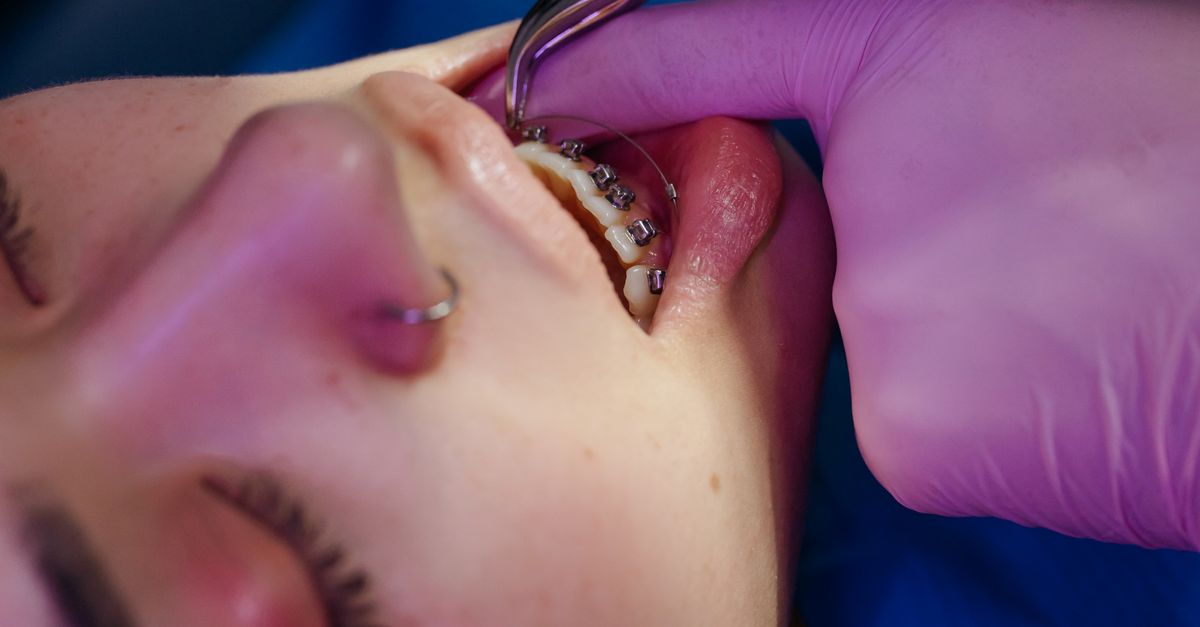
The pharmacological mechanism relies on the continuous localized delivery of the fluoride ion directly into the crystalline structure of the tooth. During interproximal reduction, the clinician physically removes microscopic layers of outer enamel to create space for orthodontic movement. This intentional abrasion leaves the underlying hydroxyapatite vulnerable to demineralization.
When the concentrated sodium fluoride is applied to these freshly reduced surfaces, the highly reactive fluoride ions aggressively replace the lost hydroxyl groups within the weakened enamel matrix. This chemical substitution forms fluorapatite, a highly resilient mineral complex that strongly resists acid attacks from cariogenic bacteria. Concurrently, the viscous formulation acts as a physical lubricant, reducing frictional heat and patient discomfort during the mechanical stripping process.
2. Warnings And Before Taking Eversmile Ipr Glide
Dental professionals must rigorously evaluate the patient’s age and cumulative daily fluoride exposure before utilizing this high concentration product. Young patients under the age of twelve are highly susceptible to systemic fluoride absorption if large amounts of the gel are inadvertently swallowed. Ingesting significant quantities of fluoride during critical dental developmental phases can lead to dental fluorosis, permanently altering the structural appearance of developing adult teeth.
Individuals residing in municipalities with highly fluoridated public water systems require careful dosage consideration. Combining heavily fluoridated drinking water, prescription fluoride home therapies, and this concentrated clinical gel increases the risk of acute gastrointestinal distress if the patient fails to expectorate the excess material properly.
Patients suffering from severe, untreated periodontal disease must be treated with caution. While the fluoride ion hardens enamel, forcing highly concentrated chemical gels into deep, exposed pulpal chambers or severely infected gingival pockets can cause localized pain and severe soft tissue irritation. A comprehensive periodontal assessment is necessary before initiating any interproximal reduction therapy.
3. Indications And Dosage Guide For Eversmile Ipr Glide
This specialized dental product is exclusively indicated for clinical use during and immediately following orthodontic interproximal reduction. It serves a dual purpose by chemically lubricating the abrasive strips used during the procedure and immediately fortifying the patient’s newly exposed dental enamel against accelerated decay risks.
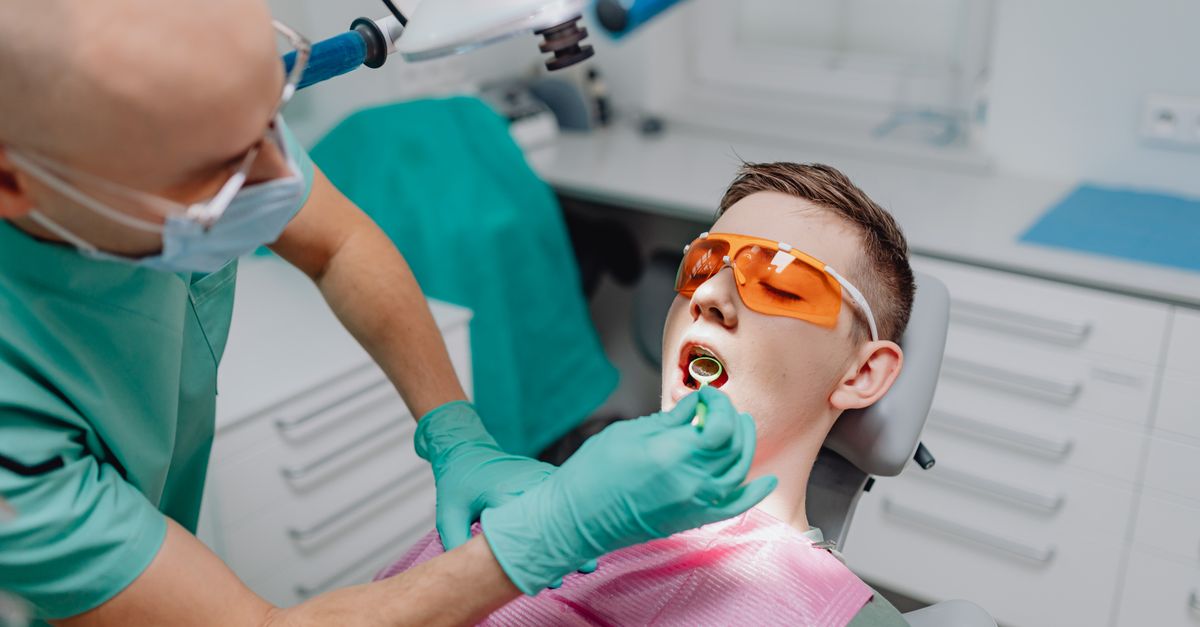
Standard clinical application requires the dental practitioner to dispense a precise, small amount of the gel directly onto the interproximal abrasive strip or disc before initiating the enamel reduction. The clinician meticulously works the lubricated instrument between the targeted teeth, ensuring the sodium fluoride is driven directly into the newly created microscopic grooves.
Following the completion of the physical reduction, the practitioner typically applies an additional thin layer of the product over the treated proximal surfaces. The patient must expectorate any excess gel entirely. Crucially, the patient must refrain from rinsing their mouth with water, eating, or consuming beverages for a minimum of thirty minutes following the procedure to allow optimal fluoride integration.
4. In-Depth Side Effects Analysis Of Eversmile Ipr Glide
Because the application is strictly localized to the hard dental tissues and tightly controlled by a licensed clinician, systemic side effects are exceedingly rare. The adverse reactions are primarily localized sensory or mild soft tissue responses.
Common Side Effects
The most universally encountered reaction is a mild, transient tingling or slight astringent sensation along the gingival margin immediately following application. This is a standard physiological response to the concentrated sodium fluoride interacting with the highly vascularized mucosal tissue surrounding the treated teeth. Patients occasionally report a temporary, distinctly medicinal taste.
Serious Side Effects You Should Report
Any symptoms indicating a severe allergic stomatitis demand immediate clinical intervention. If the patient develops rapid swelling of the lips and tongue, painful chemical burns on the gums, or widespread oral ulcerations shortly after leaving the clinic, they must seek emergency medical care. These signs point to an unexpected, severe hypersensitivity to the chemical vehicle.
Rare Side Effects
In a minor subset of sensitive patients, the localized concentration of the gel can lead to mild mucosal desquamation. This presents as superficial layers of the inner cheek or gum tissue harmlessly peeling away in thin, white strips. This desquamation is typically painless and resolves quickly without any clinical intervention.
Side Effects That Usually Do Not Require Medical Attention
A brief period of increased salivary flow is a completely normal physiological reflex triggered by the introduction of the strong chemical flavor and the mechanical manipulation of the teeth. A slight, temporary dulling of thermal tooth sensitivity is the intended therapeutic benefit of the remineralization process.
| Side Effect Category | Specific Symptoms |
|---|---|
| Localized Sensory | Mild gingival tingling, slight astringency, medicinal taste |
| Severe Hypersensitivity | Rapid lip swelling, painful gum ulcers, severe tissue burning |
| Tissue Alteration | Painless peeling of the inner cheek tissue |
| Benign Physiological | Increased saliva production upon application |
5. Overdose Symptoms Of Eversmile Ipr Glide And What To Do
An acute toxic overdose is highly improbable under the direct supervision of a dental professional. However, a severe medical emergency arises if a patient accidentally gains access to the clinical supply and consumes large quantities of the gel. Systemic ingestion of high concentration sodium fluoride induces significant nausea, intractable vomiting, severe abdominal cramping, and profuse salivation.
If massive accidental ingestion is confirmed, immediate contact with a poison control center is mandatory. The patient must be given a large volume of milk immediately while awaiting emergency transport. The calcium molecules in the milk bind directly with the free fluoride ions in the stomach, forming an insoluble chemical complex that limits dangerous systemic absorption into the bloodstream.
6. Missed Dose And What To Avoid With Eversmile Ipr Glide
Because this medication is utilized entirely within a controlled clinical environment during specific orthodontic procedures, the concept of a missed dose does not apply to the patient. The dental practitioner assumes full responsibility for proper application timing during the interproximal reduction appointment.
Patients must strictly avoid consuming highly acidic beverages immediately after the procedure. Drinking acidic sodas or citrus juices strips the newly formed fluorapatite layer before it fully stabilizes within the enamel matrix. Furthermore, patients should avoid vigorous mechanical brushing of the treated area for at least two hours to prevent scraping away the protective fluoride barrier.
7. Drug And Alcohol Interactions With Eversmile Ipr Glide
Topical sodium fluoride applied in a clinical setting presents virtually zero risk of interacting with standard systemic medications. A patient undergoing systemic therapy with an oral medication like lisinopril for hypertension can safely undergo this localized dental procedure without concern for chemical interference.
However, a mild localized interaction can occur with certain holistic oral care ingredients. If a patient utilizes high concentrations of calcium based remineralizing pastes immediately after leaving the clinic, the exogenous calcium can prematurely bind to any residual unreacted fluoride, slightly altering the clinical efficacy.
Alcohol consumption poses no direct chemical interaction risk with the sodium fluoride compound. However, consuming highly acidic alcoholic beverages frequently after the procedure can trap corrosive acids against the newly reduced enamel surfaces, entirely defeating the protective purpose of the medicated gel.
8. Precautions, Safety And Duration Of Action For Eversmile Ipr Glide
The mechanical lubricating action of the gel is instantaneous upon application. The chemical remineralization process driven by the fluoride ions requires a full thirty minute undisturbed contact period to achieve structural integration into the enamel matrix.
Safety hinges on proper clinical technique. Dental professionals must ensure that the product is applied strictly to the hard tissues and that heavy accumulation along the gingival sulcus is carefully aspirated to prevent localized soft tissue irritation.
9. How To Stop Taking Eversmile Ipr Glide And Storage
Since the product is a single use application administered by a clinician during a scheduled procedure, there is no patient tapering protocol. The protective effects simply integrate into the enamel over time.
The dental clinic must store the professional syringes at a controlled room temperature, entirely away from direct sunlight and extreme heat sources. Exposing the product to high temperatures will permanently destroy the chemical emulsion, causing the gel to lose its essential lubricating and adhesion properties.
10. When To See A Doctor For Eversmile Ipr Glide Side Effects
An immediate clinical evaluation by the attending orthodontist or general dentist is required if the patient notices sudden, persistent thermal sensitivity in the treated teeth, spontaneous gingival bleeding, or visible chalky lesions forming on the enamel surface days after the procedure.
Emergency medical intervention is absolutely critical if the patient experiences sudden difficulty swallowing, severe swelling of the facial tissues, or the rapid onset of hives shortly after the dental appointment. These symptoms dictate a severe allergic reaction to the chemical formulation that requires immediate life support measures.
Frequently Asked Questions (FAQ)
1. Will this gel permanently change the color of my teeth?
No, this product contains sodium fluoride for enamel protection and does not contain bleaching agents. It fortifies the tooth structure but will not chemically alter the natural underlying shade of your teeth.
2. Why do my gums feel slightly irritated after the procedure?
The concentrated fluoride and the physical manipulation of the abrasive strips near your gumline can cause mild, temporary inflammation. This is a normal, harmless reaction that typically fades within a few hours.
3. Can I use this professional gel at home to protect my teeth?
This specific high concentration gel is strictly designed for professional clinical use during precise orthodontic procedures. Using it at home without clinical supervision significantly increases the risk of severe fluoride toxicity.
4. Why must I wait thirty minutes to drink water after leaving the clinic?
The fluoride molecules require a minimum of thirty uninterrupted minutes to physically bond with your newly exposed tooth enamel. If you drink water immediately, you will wash the protective medication away.
5. Does this product repair deep cavities?
No, this formulation is engineered to prevent microscopic decay and remineralize surface enamel following intentional physical reduction. It cannot reverse or repair deep, established cavities that require restorative fillings.
6. Is it safe for my teenager to undergo this treatment?
Yes, interproximal reduction combined with targeted fluoride application is a highly standard and safe procedure for teenagers undergoing orthodontic treatment. The clinician will strictly control the amount of gel used.
7. What should I do if the treated teeth remain extremely sensitive to cold?
Mild thermal sensitivity is common for a few days after interproximal reduction. However, if the severe pain persists for more than a week, you must contact your orthodontist for a clinical reassessment of the enamel thickness.
Bibliography
Disclaimer: The content is for informational purposes only and does not replace medical advice. Always consult your doctor or pharmacist for personalized treatment.