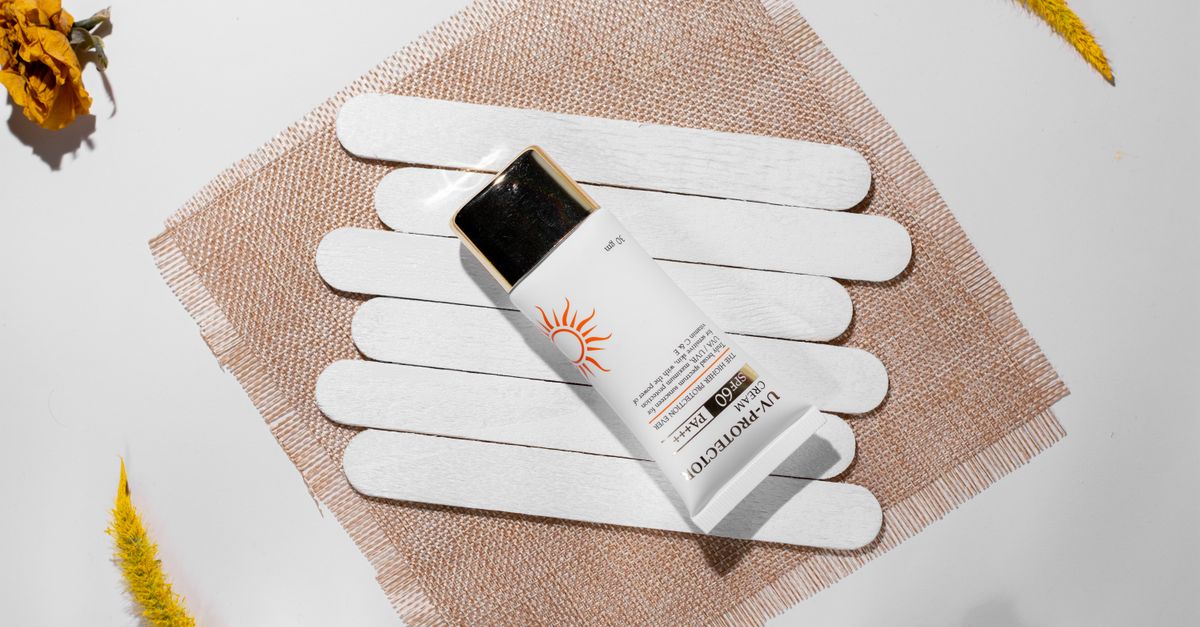
Duke Cannon Supply Co. Daily Defense Face Mineral Sunscreen Broad Spectrum SPF 32 utilizes zinc oxide as an inert, physical barrier to reflect and scatter ultraviolet radiation away from the epidermis. Its most notable side effect is mild, localized contact dermatitis or a transient comedogenic response in individuals with highly sebaceous or acne-prone skin.
1. Introduction & Mechanism of Action of Duke Cannon Face Sunscreen
Zinc oxide operates as a broad-spectrum, physical ultraviolet inorganic filter. Unlike chemical sunscreens that absorb ultraviolet photons and convert them into heat, zinc oxide sits topically on the stratum corneum and acts as a microscopic mirror. It effectively scatters both Ultraviolet A and Ultraviolet B wavelengths, providing immediate photoprotection without requiring systemic absorption or metabolic conversion by the skin layers.
Because zinc oxide is an inert mineral, it is highly stable under intense solar radiation and does not degrade rapidly upon exposure to light. This photostability ensures consistent protection against collagen degradation, premature actinic aging, and the formation of pyrimidine dimers in cellular DNA, which are precursors to cutaneous malignancies. The formulation is specifically adapted for facial application, aiming to minimize the heavy, occlusive nature typically associated with mineral barriers.
2. Warnings & Before Applying Duke Cannon Face Sunscreen
Patients with a known hypersensitivity to zinc or any of the inactive botanical or emollient excipients within the formulation must avoid application to prevent allergic contact dermatitis. Applying a dense mineral barrier over active, weeping lesions, deep lacerations, or severe second-degree burns can trap moisture and exudate, potentially fostering a secondary bacterial infection.
Individuals undergoing active dermatological treatments involving strong chemical peels or ablative laser therapy should consult their dermatologist before applying thick mineral suspensions. The friction required to spread and remove the zinc oxide layer can cause mechanical shear stress on severely compromised epidermal barriers, exacerbating localized erythema and delaying the wound healing cascade.
3. Indications & Dosage Guide for Zinc Oxide Face Sunscreen
This topical mineral protectant is clinically indicated for the prevention of ultraviolet-induced erythema, commonly known as sunburn, and for the mitigation of long-term actinic damage. It is highly recommended for daily prophylactic use in patients seeking non-chemical photoprotection, particularly those with rosacea or sensitive skin profiles that react poorly to organic ultraviolet filters.
For optimal efficacy, a generous and even layer must be applied to the entire face and neck at least fifteen minutes prior to direct solar exposure. Although zinc oxide works instantly upon application, this brief waiting period allows the carrier emollients to set and bind securely to the stratum corneum. Standard dermatological guidelines dictate mandatory reapplication every two hours, or immediately following heavy diaphoresis, swimming, or mechanical wiping of the face.
4. In-Depth Side Effects Analysis of Duke Cannon Mineral Sunscreen
Common Side Effects
The most frequently observed adverse reactions are cosmetic and superficial. Patients often report a mild, transient chalky residue or a visible white cast on the skin, inherent to the light-scattering properties of the zinc mineral. Slight tactile stickiness and minor occlusive warming of the covered skin are normal physical responses to the barrier layer.
Serious Side Effects You Should Report
Serious reactions are exceptionally rare due to the non-systemic nature of the active ingredient, but localized hypersensitivity requires immediate medical assessment.
| Side Effect Category | Specific Symptoms |
|---|---|
| Allergic Contact Dermatitis | Severe pruritus, blistering, intense facial swelling |
| Infectious Complications | Pustule formation, weeping yellow crusts, localized heat |
| Severe Folliculitis | Painful, deep nodules surrounding hair follicles on the neck |
Rare Side Effects
In exceedingly rare instances, patients with highly reactive skin types may develop a paradoxical xerosis, where the zinc oxide excessively absorbs natural sebum, leading to microscopic cracking and flaking of the superficial epidermis.
Side Effects That Usually Do Not Require Medical Attention
Mild exacerbation of closed comedones, temporary slight redness upon vigorous application, or a fleeting sensation of heaviness on the skin are benign. These localized issues resolve quickly upon thorough cleansing of the skin and temporary cessation of the product.
5. Overdose of Duke Cannon Face Sunscreen
A physiological overdose through standard topical application is biologically impossible because zinc oxide molecules are too large to penetrate the intact stratum corneum and enter the systemic circulation. The primary consequence of over-application is purely cosmetic, resulting in a thick, unabsorbable white paste that can clog pores and induce mechanical acne.
Accidental oral ingestion, typically observed in pediatric populations, presents a low toxicological risk. Swallowing small amounts of the lotion may cause mild gastric irritation, nausea, or a transient episode of loose stools due to the emollient base. Rinsing the oral cavity and providing clear fluids is the standard intervention. Massive ingestion warrants consultation with a regional poison control center.
6. Missed Dose & What to Avoid While Using Duke Cannon Sunscreen
Sunscreens are applied as a situational prophylactic. Missing an application window simply leaves the cutaneous tissue vulnerable to acute ultraviolet radiation damage during that specific interval. If exposed to the sun, the user must apply a thick protective layer immediately to halt further photodamage.
Patients must strictly avoid applying heavy occlusive makeup directly over the sunscreen before the base has fully dried, as this will disrupt the uniform mineral matrix and create gaps in ultraviolet protection. Furthermore, vigorously rubbing the face with coarse towels should be avoided, as physical friction instantly removes the protective zinc shield.
7. Drug & Alcohol Interactions with Zinc Oxide Sunscreen
Because zinc oxide remains on the surface of the skin, it does not interact with systemic medications. However, when utilizing prescription topical therapies, patients must apply their active pharmaceutical agents first and allow them to absorb completely before sealing the skin with a mineral barrier. For individuals treating acne, reviewing clindamycin guidelines ensures that topical antibiotics are not mechanically blocked by the zinc oxide paste.
Systemic alcohol consumption does not alter the physical properties of the mineral sunscreen. Nevertheless, acute intoxication drastically reduces patient compliance with reapplication protocols, frequently resulting in severe, preventable sunburns.
8. Precautions, Safety & Duration of Action for Duke Cannon Sunscreen
The duration of action is dictated entirely by physical wear rather than enzymatic degradation. The zinc oxide barrier remains effective indefinitely as long as it is not mechanically removed by sweat, water, or friction. Because these elements are unavoidable in active settings, the standard two-hour reapplication rule remains the safest clinical directive.
Proper environmental storage is essential to maintain the product’s homogenous consistency. Exposing the tube to extreme heat, such as inside a vehicle during summer months, can cause the carrier oils to separate permanently from the heavy zinc particles. Once separated, the formulation cannot provide an even, reliable sun protection factor and must be discarded.
9. How to Stop Using Duke Cannon Mineral Sunscreen & Storage/Disposal
Discontinuing the use of this topical protectant requires no medical tapering. Patients can transition to alternative sun protection methods abruptly. Complete removal of the mineral residue requires a thorough double-cleansing routine utilizing an oil-based cleanser followed by a standard aqueous surfactant to prevent pore occlusion.
Dispose of expired or separated product in standard municipal waste. Do not pour large quantities of the thick lotion down household plumbing, as the heavy mineral and oil base can contribute to drain blockages and minor environmental disruptions in local water treatment facilities.
10. When to See a Doctor Regarding Duke Cannon Sunscreen
Immediate dermatological consultation is warranted if application results in severe, spreading erythema, painful vesicular eruptions, or angioedema affecting the eyelids and lips. If a severe sunburn occurs despite the use of the product, leading to systemic toxicity symptoms such as high fever, severe chills, or dehydration, aggressive medical treatment with systemic anti-inflammatory agents and intravenous hydration may be strictly necessary.
11. Frequently Asked Questions (FAQ)
1. Why does this sunscreen leave a white cast on my face?
Zinc oxide is a white, opaque mineral that sits on top of the skin to physically bounce light away. It does not absorb into the skin, which results in a visible residue.
2. Is zinc oxide safe for acne-prone skin?
Yes, zinc oxide is inherently non-comedogenic and possesses mild anti-inflammatory properties, though the emollient carrier oils in the specific lotion base may occasionally clog pores in sensitive individuals.
3. How is a mineral sunscreen different from a chemical one?
Mineral sunscreens physically block and scatter ultraviolet rays at the surface, whereas chemical sunscreens absorb the rays and convert them into heat within the skin layers.
4. Do I need to wait 15 minutes before going outside?
While zinc oxide protects immediately upon application, waiting allows the lotion base to dry and bind securely to your skin, preventing it from sweating off instantly.
5. Can this product be used on infants?
Pediatric guidelines generally approve zinc oxide use for infants over six months of age. For infants under six months, strict sun avoidance and protective clothing are the primary medical recommendations.
6. Will this sunscreen irritate my eyes?
Unlike chemical filters that frequently cause severe ocular burning, zinc oxide is an inert mineral and typically causes minimal irritation if it migrates near the eye margin.
7. How do I properly wash this off at the end of the day?
Because mineral sunscreens are designed to adhere strongly to the skin, using an oil-based cleanser or micellar water before your regular face wash is highly recommended for complete removal.
8. Can I mix this sunscreen with my daily moisturizer?
No. Mixing sunscreen with other products dilutes the active ingredient and disrupts the even protective film, drastically reducing the stated sun protection factor.
9. Does zinc oxide protect against UVA and UVB rays?
Yes, zinc oxide provides comprehensive broad-spectrum protection, effectively blocking both the rays that cause acute burning and those responsible for deep tissue aging.
10. Is this sunscreen reef-safe?
Non-nano zinc oxide is widely considered the safest ultraviolet filter for marine environments, as it does not contribute to coral bleaching in the same manner as organic chemical filters.
Bibliography
Disclaimer: The content is for informational purposes only and does not replace medical advice. Always consult your doctor or pharmacist for personalized treatment.